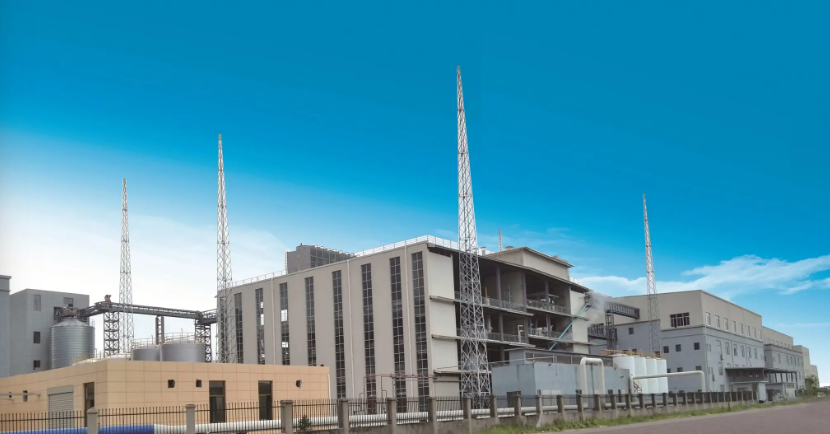
Small vs Large Scale Sunflower Oil Plant: Which Investment Is Right for You?
Table of Contents
Introduction
A sunflower oil plant is a specialized facility where sunflower seeds are processed to extract edible oil. These plants play a critical role in the global edible oil market, providing high-quality sunflower oil for culinary, industrial, and cosmetic applications. Understanding how these plants work is essential for anyone considering an investment in sunflower oil production.
The sunflower oil production process typically involves several stages, including seed cleaning, dehulling, extraction, refining, and packaging. Key equipment includes seed cleaners, oil expellers, solvent extractors, filters, and refining units. Modern sunflower oil plants also integrate environmental-friendly solutions such as wastewater treatment and energy recovery systems. Whether you are exploring a small-scale plant for local production or a large-scale industrial setup, the basic principles remain similar, but the scale, complexity, and investment differ significantly.

Small-Scale vs Large-Scale Sunflower Oil Plants
Small-scale sunflower oil plants typically process less than 50 tons of sunflower seeds per day (TPD), while large-scale plants can process 100 TPD or more. The main differences between small and large plants lie in capacity, technology, equipment sophistication, and production output.
Small-scale plants are often suitable for local markets, startups, or communities where raw material supply is limited. They require less capital investment and are easier to operate but may have higher per-unit production costs. Large-scale plants, on the other hand, benefit from economies of scale, higher efficiency, and advanced automation. They are ideal for commercial production targeting regional or international markets.
To provide a clear overview, the following table compares the key aspects of small and large-scale sunflower oil plants:
| Feature | Small-Scale Plant | Large-Scale Plant |
|---|---|---|
| Capacity | <50 TPD | 100+ TPD |
| Initial Investment | Low | High |
| Operational Complexity | Low | High |
| Automation Level | Basic | Advanced |
| Oil Yield | Moderate | High |
| Suitable Market | Local / Community | Regional / Export |
| Installation Time | 3–6 months | 12–18 months |
| ROI Potential | Moderate | High |
| Equipment Cost | Lower | Higher |
This table provides investors with a quick understanding of the differences in scale, investment, and output, helping them decide which plant suits their business goals.
Cost Analysis and Investment Requirements
Investment in a sunflower oil plant depends on plant scale, equipment, and technology choice. Small-scale plants typically have lower capital costs but higher operating costs per ton due to less efficient machinery and manual operations. Large-scale plants require substantial capital expenditure but benefit from lower unit production costs and optimized processes.
Operating costs include raw material procurement, labor, utilities, maintenance, and packaging. Return on investment (ROI) varies based on plant capacity, market price of sunflower oil, and production efficiency. For example, a 50 TPD small-scale turnkey plant may cost significantly less upfront than a 200 TPD large-scale facility, but the large-scale plant could generate higher profit margins over time. A detailed financial analysis, including cost per ton/day, payback period, and potential revenue, is crucial before investment.
Technology and Process Considerations
The technology used in a sunflower oil plant significantly impacts yield, oil quality, and operational efficiency. Extraction methods include mechanical pressing (expeller) and solvent extraction, each with its advantages. Mechanical pressing is simpler and environmentally friendly but may produce lower oil yield. Solvent extraction, often used in large-scale plants, maximizes oil recovery but requires more complex equipment and safety considerations.
Refining processes, including degumming, neutralization, bleaching, and deodorization, are essential for producing high-quality edible oil. Pretreatment, such as seed cleaning and dehulling, ensures optimal extraction and prevents equipment damage. When planning a plant, it’s vital to choose technologies that align with your production scale, raw material type, and quality requirements.
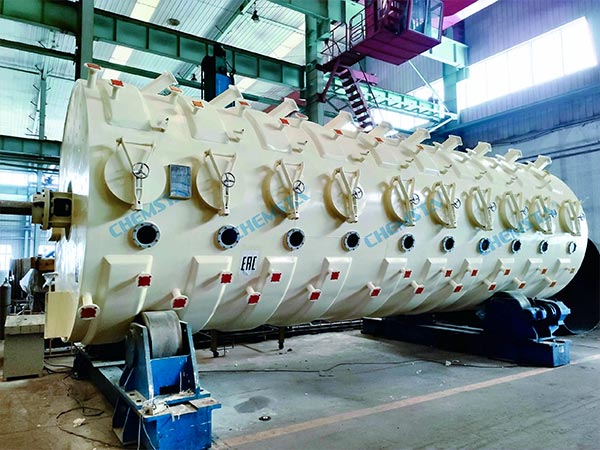
Turnkey vs Modular Sunflower Oil Plants
A turnkey sunflower oil plant is a complete, ready-to-operate solution supplied by a single manufacturer, including design, equipment, installation, and commissioning. Turnkey plants are ideal for investors who want a smooth, single-point solution with minimal operational risks. Modular plants, on the other hand, allow phased investment and gradual expansion. They are suitable for startups or regions with limited infrastructure.
Choosing between turnkey and modular plants depends on budget, market demand, and your long-term growth strategy. Turnkey solutions offer reliability, proven technology, and faster setup, while modular solutions provide flexibility and lower initial investment.
Location and Supplier Considerations
Selecting a reliable sunflower oil plant supplier is crucial for the success of your investment. Look for suppliers with global references, proven track records, and comprehensive after-sales support. Environmental compliance, local regulations, and logistics should also be considered when choosing a plant location.
Global suppliers often provide turnkey solutions with pre-designed layouts, engineering support, and training. Local regulations may influence plant design, waste management, and safety standards, so working with a supplier familiar with international and local requirements ensures smooth project execution.

Common Challenges and Risk Management
Operating a sunflower oil plant comes with several challenges. Raw material supply and storage can affect production continuity and oil quality. Operational challenges include equipment maintenance, energy management, and workforce training. Large-scale plants may face higher complexity, while small-scale plants may struggle with yield optimization.
Quality control is essential to meet market standards. Implementing standardized procedures, proper testing, and process optimization can mitigate risks. Investors should also evaluate market demand, price volatility, and potential environmental risks to ensure long-term profitability.
Conclusion
Choosing between a small-scale and large-scale sunflower oil plant requires careful evaluation of market demand, investment budget, and long-term business objectives. Small-scale plants offer flexibility and lower upfront costs, while large-scale plants provide higher efficiency, economies of scale, and better ROI. Working with a reliable turnkey supplier, considering technology and process optimization, and planning for operational challenges are key to making a successful investment.
For investors aiming for immediate production with minimal risks, turnkey plants are often the best choice. For those seeking gradual expansion and budget flexibility, modular plants can provide a scalable solution. Regardless of scale, thorough planning, professional supplier selection, and a clear understanding of the market will ensure your sunflower oil plant investment achieves maximum profitability.
FAQ
How much does a small-scale sunflower oil plant cost?
Costs vary by capacity, equipment, and location. A small-scale plant (less than 50 TPD) generally requires lower capital investment compared to large-scale plants.
What capacity is ideal for profitable investment?
The ideal capacity depends on raw material availability, market demand, and budget. Small-scale plants suit local markets, while large-scale plants are ideal for regional or export markets.
Can sunflower oil plants process other seeds?
Yes, many sunflower oil plants can process other oilseeds such as soybeans or rapeseeds, with minor equipment adjustments.
How long does it take to set up a turnkey sunflower oil plant?
Turnkey plant setup typically takes 6–18 months, depending on capacity, location, and regulatory approvals.