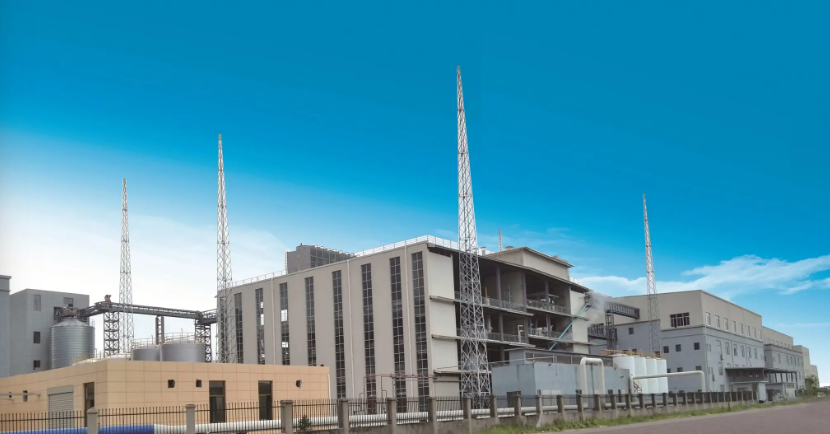
Turnkey Solutions for Vegetable Oil Production
Table of Contents
Introduction
Setting up a high-efficiency vegetable oil production line is a complex task. It requires careful equipment selection and integration of multiple processing stages. Chemsta provides turnkey solutions that cover seed cleaning, conditioning, pressing, solvent extraction, refining, and packaging.
These solutions help operators achieve high-quality edible oil efficiently. This guide walks you through every stage of a Chemsta turnkey plant. You will also learn practical tips, advantages, and how integrated processes enhance yield and efficiency.

Importance of Proper Planning
Planning is essential before building a plant. Consider oilseed types, daily processing capacity, market demand, and budget. Early planning helps avoid bottlenecks and costly adjustments.
Chemsta integrates planning into its turnkey service, ensuring optimized layouts and smooth installation from day one.
Seed Pretreatment: The First Step to High Yield
Proper pretreatment maximizes oil extraction and protects equipment. It adjusts moisture, temperature, and particle size to prepare seeds for pressing or solvent extraction.
Chemsta offers a complete pretreatment line, including seed cleaners, vertical conditioners, softening cookers, flakers, crushing machines, and screw presses. Each step contributes directly to yield, efficiency, and energy savings.
| Equipment Type | Function | Key Benefit |
|---|---|---|
| Seed Cleaner | Removes stones, dust, and impurities | Protects downstream equipment |
| Vertical Seed Conditioner | Adjusts moisture & temperature uniformly | Ensures consistent pressing |
| Softening Cooker | Heat treatment for easier extraction | Increases oil yield |
| Flaker / Crushing Machine | Breaks seeds to release oil | Reduces residual oil in meal |
| Screw Oil Press | Mechanical oil extraction | Simple operation, high oil recovery |
Mechanical Pressing vs Solvent Extraction
Mechanical presses are ideal for small to medium-scale operations. They are simple, cost-effective, and produce high-quality oil for specialty markets.
Solvent extraction is suited for high-oil-content seeds or large-scale plants. It maximizes oil recovery and reduces residual oil in meal to less than 2–3%.
| Extraction Method | Typical Application | Oil Recovery Rate | Advantages | Limitations |
|---|---|---|---|---|
| Mechanical Press | Peanut, sunflower, rapeseed | 35–50% | Low CAPEX, simple operation | Lower yield, not for large scale |
| Solvent Extraction | Soybean, corn germ, large-scale operations | 95–98% | High yield, low residual oil | Higher CAPEX, requires solvent handling |
Integrated Refining Solutions
Refining removes impurities, free fatty acids, pigments, and odors. Chemsta’s lines include degumming units, neutralization, bleaching, deodorization, and winterization.
Refining ensures edible oils meet international quality standards. Low FFA, clear color, and long shelf life are maintained.
| Refining Stage | Equipment & Function | Benefit |
|---|---|---|
| Degumming | Degumming reactors, centrifuges | Removes phospholipids & gums |
| Neutralization | Alkali mixers & centrifuges | Reduces free fatty acids |
| Bleaching | Vacuum bleaching units & clay filters | Improves color, removes metals |
| Deodorization | High-vacuum deodorization towers | Eliminates off-flavors & odors |
| Winterization | Cooling crystallizers & filters | Prevents clouding in cold storage |
Energy Efficiency and Heat Recovery
Energy is a major cost in oil production. Chemsta plants integrate heat recovery systems to reuse energy from solvent evaporation, refining, and pretreatment.
| Process Area | Recovery Method | Potential Energy Savings |
|---|---|---|
| Solvent Evaporation | Vapor preheating | 15–25% |
| Degumming / Neutralization | Heat exchanger | 10–15% |
| Bleaching / Deodorization | Condensate reuse | 5–10% |
| Seed Pretreatment Dryers | Hot air recirculation | 5–8% |
This approach reduces energy costs, lowers carbon footprint, and maintains stable process temperatures.
Case Study: 800 TPD Soybean Processing Project

Shandong Kaida Machinery Manufacturing Co., Ltd. and Chengdu Xinxing Grain and Oil Co., Ltd. reached a strategic cooperation agreement on the “700 t/d corn germ and rapeseed oil production line, 800t/d soybean meal production line complete project”! The project will build a high-standard, high-intelligence grain and oil production base in the industry, helping Xinxing Grain and Oil to create the high-quality brand of “Tianfu Grain and Oil” in Sichuan.
Maintenance and Operational Guidelines
Routine maintenance is key. Operators should inspect screw presses, clean heat exchangers, check pumps and vacuum systems, and lubricate moving parts. Preventive maintenance reduces downtime and extends equipment lifespan.
Monitoring temperature, pressure, and flow ensures consistent oil quality and optimal energy use.
Advantages of Turnkey Solutions
Turnkey solutions provide time and cost efficiency. Optimized layouts reduce operational costs and energy use.
Chemsta leverages global expertise, offering training, maintenance, and spare parts. Systems are scalable, handling small, medium, or large capacities. Turnkey solutions also simplify regulatory compliance.

Market Trends and ROI Analysis
Global demand for edible oils is increasing. Plants that maximize yield and energy efficiency see faster ROI. Modular turnkey plants allow gradual expansion without disruption.
Reducing residual oil and improving refined oil quality increases market value. Efficient operations directly enhance profitability.
Conclusion
Chemsta’s turnkey vegetable oil production solutions integrate pretreatment, pressing, solvent extraction, and refining. Operators achieve high oil yield, product consistency, and operational efficiency.
Turnkey solutions reduce risk, shorten start-up time, and ensure long-term performance. Energy-efficient and modular design also allows operators to meet market demand and sustainability goals.
FAQ
What does a Chemsta turnkey solution include?
Complete support from design to installation, commissioning, training, and maintenance.
Can one plant process multiple seed types?
Yes. Systems are modular and adaptable.
How long is the payback period?
Typically 2–4 years, depending on scale and market prices.
Does energy recovery make a significant difference?
Yes. It can reduce energy costs by 20–35%.
Are turnkey solutions suitable for small operations?
Absolutely. They are scalable and efficient.