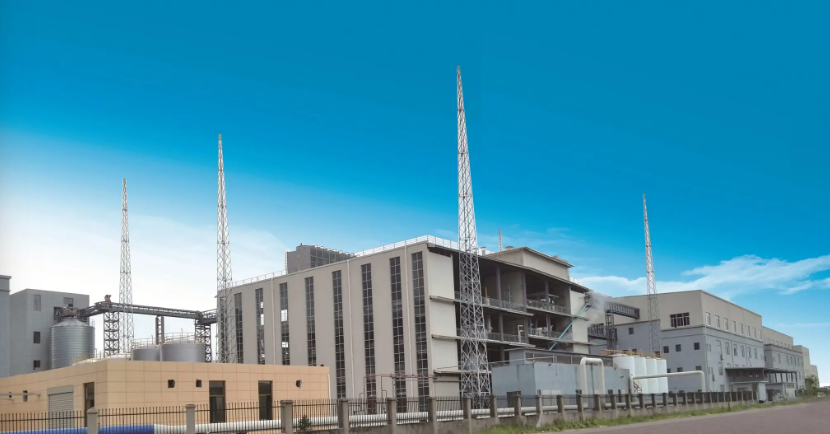
Optimizing Vegetable Oil Production Efficiency with Modern Extraction Equipment
Table of Contents
Introduction

Efficiency is the cornerstone of profitable vegetable oil production. Every stage of the process—from seed pretreatment to refining—affects yield, energy consumption, and oil quality. Modern equipment and process optimization can significantly improve efficiency. Chemsta provides turnkey solutions that integrate state-of-the-art extraction equipment, energy recovery, and automation into comprehensive vegetable oil production lines.
In this guide, we explore strategies to enhance efficiency, maximize yield, and reduce operational costs, while ensuring high-quality edible oil output.
Planning for High-Efficiency Vegetable Oil Production
Effective planning is crucial for any vegetable oil production plant. Evaluate your oilseed types, processing capacity, market demand, and budget. Proper layout design and equipment selection prevent bottlenecks, reduce energy usage, and streamline operations.
Chemsta’s turnkey approach ensures these factors are considered from the beginning, providing a smooth startup and consistent production performance.
Seed Pretreatment Optimization for Vegetable Oil Production
Seed pretreatment significantly impacts efficiency in vegetable oil production. Moisture content, temperature, and flaking size directly influence oil release during pressing or solvent extraction.
| Equipment | Function | Efficiency Benefit |
|---|---|---|
| Seed Cleaner | Removes dust, stones, and debris | Protects downstream equipment |
| Vertical Conditioner | Adjusts moisture and temperature uniformly | Ensures consistent pressing |
| Softening Cooker | Heat treatment to soften seeds | Increases oil release |
| Flaker / Crusher | Breaks seed cells | Maximizes surface area for extraction |
| Screw Oil Press | Mechanical oil extraction | High oil recovery, simple operation |
Optimized pretreatment can increase oil yield by 5–10%, reduce mechanical wear, and improve residual meal quality for vegetable oil production plants.
Advanced Pretreatment Tips
- Maintain optimal temperature per seed type to protect oil quality.
- Ensure uniform moisture content for consistent flaking.
- Synchronize conditioners, cookers, and flakers to prevent downtime.
Mechanical Pressing for High-Yield Vegetable Oil Production
Mechanical pressing remains a core method in medium-scale vegetable oil production. Efficiency depends on feed rate, screw speed, and seed conditioning. Chemsta’s high-quality screw presses ensure uniform pressure, high oil recovery, and long operational life.
| Parameter | Recommended Practice | Impact on Yield |
|---|---|---|
| Feed rate | Even, consistent flow | Avoids pressure fluctuations |
| Screw speed | Adjust per seed type | Maximizes oil extraction |
| Maintenance frequency | Daily lubrication, weekly inspection | Reduces downtime, prolongs life |
| Press temperature control | Maintain optimal range per seed type | Improves oil quality |

Solvent Extraction in Vegetable Oil Production
Large-scale vegetable oil production relies on solvent extraction for maximum yield. Proper solvent-to-seed ratio, extraction temperature, and time are critical.
| Parameter | Recommended Practice | Outcome |
|---|---|---|
| Solvent-to-seed ratio | Follow DTDC or Rotocel specifications | Max oil recovery, safe operation |
| Extractor temperature | Automated control | Consistent oil quality |
| Extraction time | Monitor via sensors | Avoid over-extraction |
| Solvent recovery | Regular maintenance | Energy savings, environmental compliance |
Optimized solvent extraction improves oil recovery to 95–98%, reduces residual oil in meal, and increases profitability.
Refining for High-Quality Vegetable Oil Production
Refining transforms crude oil into edible oil suitable for the market. Key steps in vegetable oil production refining include degumming, neutralization, bleaching, deodorization, and winterization.
| Refining Stage | Equipment & Function | Optimization Tip |
|---|---|---|
| Degumming | Centrifuges, reactors | Continuous operation reduces FFA |
| Neutralization | Alkali mixers and centrifuges | Accurate dosing minimizes oil loss |
| Bleaching | Vacuum bleaching units | Optimize clay usage to reduce waste |
| Deodorization | High-vacuum towers | Maintain temp & vacuum for odor-free oil |
| Winterization | Cooling crystallizers & filters | Prevents clouding during storage |
Energy-efficient practices, such as pre-heating and heat recovery, can reduce costs by 15–30% without affecting oil quality.
Automation and Energy Efficiency in Vegetable Oil Production
Modern vegetable oil production plants use automation to monitor temperature, pressure, and flow rates. Energy recovery from condensers, preheaters, and dryers reduces fuel and electricity consumption.
| Process Area | Energy Recovery Method | Potential Savings |
|---|---|---|
| Solvent Evaporation | Vapor preheating | 15–25% |
| Degumming / Neutralization | Heat exchanger | 10–15% |
| Bleaching / Deodorization | Condensate reuse | 5–10% |
| Seed Pretreatment Dryers | Hot air recirculation | 5–8% |
Automation also enables predictive maintenance, reducing downtime and ensuring consistent output.
Case Study: Optimized Vegetable Oil Production
A 150 t/d soybean oil plant upgraded with Chemsta equipment achieved:
- Oil recovery increased from 92% to 97%.
- Energy costs reduced by 18% using heat recovery.
- Downtime decreased due to automated monitoring.
- Residual oil in meal fell below 2%, increasing byproduct value.
This demonstrates how modern vegetable oil production technology improves both efficiency and profitability.
Maintenance Best Practices
Routine maintenance is crucial in vegetable oil production:
- Inspect screw presses daily.
- Clean heat exchangers weekly.
- Monitor vacuum systems and conveyors.
- Schedule preventive maintenance for motors and bearings.
Proper maintenance ensures consistent oil quality and equipment longevity.
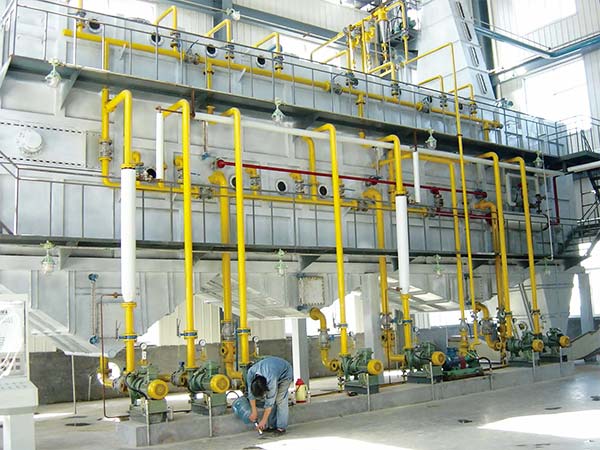
Conclusion
Optimizing vegetable oil production requires attention to pretreatment, extraction, and refining. Chemsta’s turnkey solutions integrate advanced extraction equipment, automation, and energy recovery to maximize yield, reduce costs, and produce high-quality edible oil.
FAQ
How can I increase yield in vegetable oil production?
Focus on pretreatment, pressing parameters, and solvent extraction optimization.
Can energy recovery affect oil quality?
Yes, properly implemented recovery reduces costs without compromising quality.
What improvements are typical after equipment upgrades?
Yield can increase 3–7% and energy consumption drop 15–25%.
Does Chemsta provide training for plant optimization?
Yes, training is included with turnkey installations.