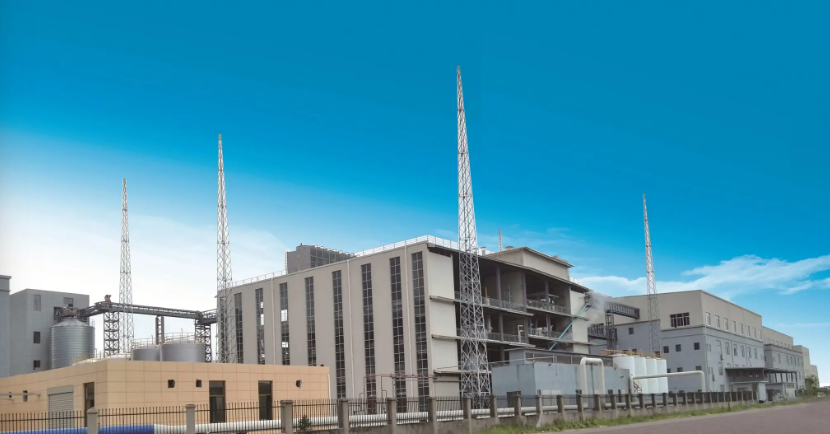
Modern Solvent Extraction System for High-Efficiency Vegetable Oil Processing
Table of Contents
Introduction
Modern edible oil plants increasingly rely on a solvent extraction system to achieve higher oil yield and lower production costs. Mechanical pressing alone often leaves a significant amount of residual oil in the meal, but solvent extraction reduces loss dramatically while delivering consistent, high-quality crude oil suitable for large-scale refining.
As global demand for edible oil continues to rise, processors now value extraction lines that deliver efficiency, safety, automation, and energy savings. Chemsta’s technology aligns exactly with these needs, helping factories scale production while maintaining strict quality standards.
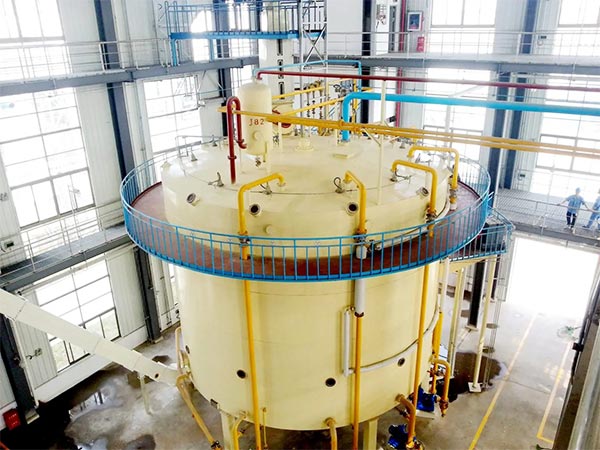
What Makes a Modern Solvent Extraction System Different
The solvent extraction process has evolved far beyond basic immersion methods. Today’s systems integrate advanced evaporation, energy recycling, desolventizing, and condensation technology, ensuring optimal oil recovery with minimal solvent loss.
A modern system stands out because it offers:
- Higher extraction efficiency
- Lower residual oil in meal
- Improved safety design
- Energy-efficient evaporation
- Easier operation and automated monitoring
- Better solvent recovery rate
This scalability and reliability make it the preferred method for soybean, rapeseed, cottonseed, sunflower seed, corn germ, and many other oil-bearing materials.
How Solvent Extraction Works Inside an Oil Plant
The solvent extraction workflow involves a sequence of precisely controlled stages designed to fully separate oil from meal. Each stage affects stability, extraction efficiency, and final product quality.
Key Stages in the Extraction Process
- Preparation and flaking
- Immersion or percolation extraction
- Desolventizing and toasting
- Solvent evaporation and condensation
- Solvent recovery
- Meal cooling and storage
Each step plays a role in optimizing the final oil yield and ensuring safe, high-quality meal for downstream use, including animal feed production.
Why Solvent Extraction Delivers Higher Oil Yield
Compared with mechanical pressing, solvent extraction achieves significantly higher oil recovery—often reducing residual oil to below 1%. According to industry data, mechanical pressing typically leaves 6–7% oil in the meal, while solvent extraction reduces this to around 1% or even lower, depending on seed type and preparation quality.
This difference makes the investment highly profitable for processors managing large production volumes.
Residual Oil Comparison Table
| Processing Method | Typical Residual Oil in Meal | Suitable For |
|---|---|---|
| Mechanical Pressing | 6–7% | Small/medium plants, specialty oils |
| Solvent Extraction | 0.8–1.2% | Large-scale plants, high throughput |
The numbers clearly demonstrate why solvent extraction is the dominant method in global industrial oil production.
Core Components of a High-Performance Solvent Extraction System
A modern plant integrates several specialized machines working in sequence. Chemsta builds complete turnkey systems, with high durability and safety built into every stage.
Extractor
The extractor—often a loop-type or rotocel extractor—maximizes contact between solvent and material for efficient extraction. A stable percolation pattern ensures consistent oil concentration in the miscella.
Evaporation System
A multi-stage evaporation system heats miscella gently to remove solvent. Advanced designs include steam economizing and negative-pressure evaporation to reduce energy consumption.
DTDC (Desolventizer-Toaster-Dryer-Cooler)
The DTDC unit plays a critical role by:
- Removing solvent from the meal
- Toasting to deactivate antinutritional factors
- Drying the meal to safe moisture levels
- Cooling to prepare for storage
DTDC stability directly influences meal quality and safety.
Condensation and Solvent Recovery
This section ensures that solvent vapors are fully condensed and recycled back into the system. Efficient condensation reduces operating cost and ensures environmental compliance.
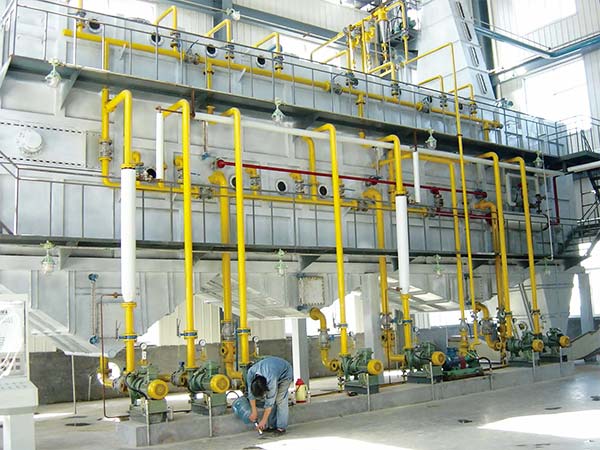
Energy Efficiency Improvements in Modern Extraction
The newest systems integrate heat exchangers, negative-pressure evaporation, steam recycling, multi-effect evaporation, and optimized condensation loops. These features help reduce steam consumption significantly.
Plants adopting these improvements commonly report:
- Lower energy bills
- More stable temperature control
- Extended equipment lifespan
- Reduced environmental impact
Energy-saving systems are especially vital for factories facing high steam costs or sustainability audits.
Automation and Factory Management
Modern extraction plants use PLC automation to control:
- Solvent levels
- Temperature
- Flow rates
- Pressures
- Miscella concentration
- DTDC discharge
Digital dashboards give operators real-time visibility of performance trends, improving safety and consistency.
Safety Design in Solvent Extraction
Because hexane is flammable, plant design must incorporate robust safety features. Chemsta systems integrate:
- Inert gas blanketing
- Explosion-proof electrical components
- Solvent leak detection sensors
- Stable negative-pressure control
- Fire isolation zones
- Certified sealing components
Proper safety design protects workers, reduces downtime, and ensures regulatory compliance.
Common Challenges and How to Solve Them
Even advanced extraction systems face occasional challenges, but many can be prevented with proper design and operation.
Frequent Issues and Solutions
| Challenge | Cause | Recommended Solution |
|---|---|---|
| High solvent loss | Leaks, poor condensation | Inspect seals, upgrade condenser |
| Low extraction efficiency | Inadequate flaking, poor percolation | Improve preparation process |
| Overheated meal | DTDC imbalance | Calibrate steam and discharge speed |
| High energy consumption | Inefficient evaporation | Install multi-effect evaporation |
Regular preventative maintenance and proper staff training reduce most of these risks significantly.
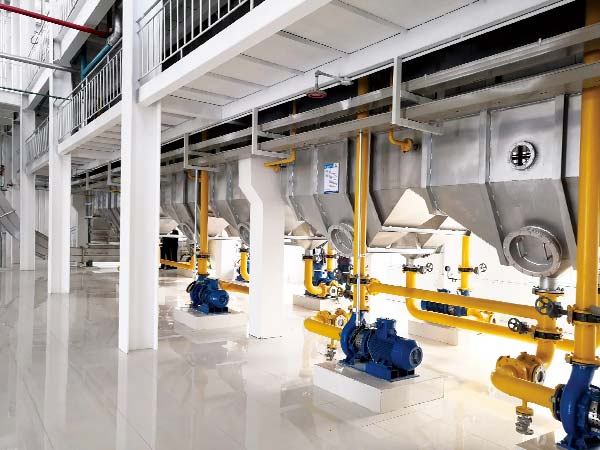
Selecting the Right Solvent Extraction System
Choosing a system depends on several factors:
- Seed type
- Processing capacity
- Residual oil requirements
- Steam availability
- Automation expectations
- Budget
A well-designed line should balance safety, efficiency, extraction yield, and long-term reliability.
Chemsta provides customized layouts based on factory capacity, available utilities, land size, and production goals.
Conclusion
A modern solvent extraction system is essential for any large-scale vegetable oil plant aiming to maximize yield, reduce energy consumption, and ensure stable product quality. With advanced extraction, evaporation, desolventizing, and automation technologies, today’s systems deliver performance far beyond traditional methods.
Whether you’re planning a new plant or upgrading an existing line, investing in a high-efficiency extraction system can significantly improve profitability and competitiveness.
FAQ
What is the main advantage of solvent extraction?
It achieves extremely low residual oil in meal, often below 1%, maximizing oil recovery and profitability.
Which oilseeds are suitable for solvent extraction?
Soybean, rapeseed, sunflower seed, cottonseed, corn germ, and many high-oil-content materials.
Is solvent extraction safe?
Yes—modern systems use explosion-proof designs, nitrogen blanketing, and leak detection to ensure safe operation.
How much solvent loss is normal?
Well-designed plants keep loss below industry benchmarks (typically under 1 kg per ton of raw material).
Does extraction affect meal quality?
Proper DTDC processing improves safety by removing solvents and deactivating antinutritional factors.