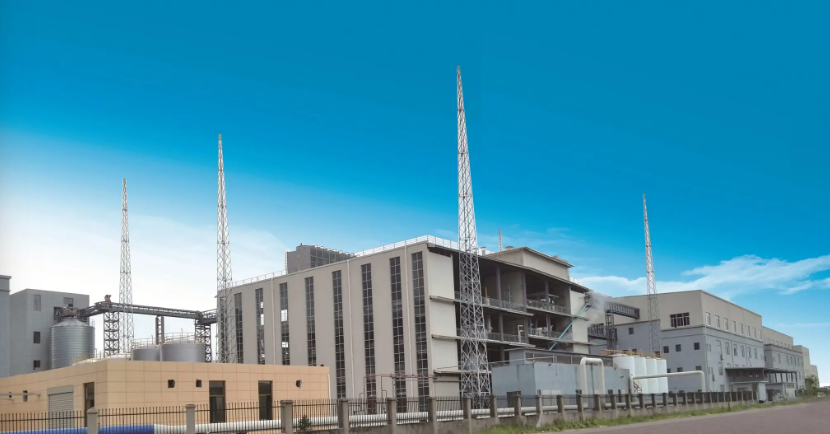
Modern Oil Pressing System for Efficient Edible Oil Production
Table of Contents
Introduction
A modern oil pressing system plays a critical role in producing high-quality edible oil. Before refining or solvent extraction begins, seeds must be properly cleaned, prepared, and pressed to ensure stable oil yield and consistent product quality. Today’s pressing technology integrates advanced engineering, automation, and better material preparation to support continuous, high-capacity production.
As global demand for edible oils increases, producers rely on pressing systems that deliver performance, longevity, and efficiency across a wide variety of oilseeds.

Why the Oil Pressing System Matters
The oil pressing system is more than a single machine. It is a carefully structured workflow that affects oil yield, energy consumption, and overall product consistency. When the pressing line is well designed, the plant benefits from smoother operations, reduced downtime, and better crude oil for refining.
Upgrading to modern pressing equipment allows producers to:
- Improve mechanical extraction yield
- Reduce residual oil in the meal
- Increase equipment stability
- Optimize seed preparation
- Improve refining efficiency
All these advantages make pressing systems an essential part of edible oil production.
Components of a Modern Oil Pressing System
A complete pressing system contains several integrated machines. Each stage contributes to the final output quality.
Cleaning Equipment
Seeds must be thoroughly cleaned to remove stones, dust, shells, and metal. Proper cleaning protects downstream machines and improves processing stability.
Crushing and Softening
Large seeds like soybean need crushing to break down structure. Softening adjusts moisture and temperature, improving flexibility and allowing easier oil release during pressing.
Flaking Rolls
Flaking transforms the softened seeds into thin flakes. This increases surface area and reduces internal resistance, improving the efficiency of oil extraction.
Conditioning System
Conditioning adjusts the internal temperature and moisture of the flakes. By controlling these factors, the pressing process becomes more efficient and produces cleaner crude oil.
Pre-Pressing Expeller
The expeller is the heart of the oil pressing system. Modern expellers feature enhanced screw configurations, wear-resistant alloys, and automated temperature control. They handle large volumes of seeds while maintaining steady pressure.
The pre-pressing stage typically removes a significant portion of oil before the material moves to solvent extraction or refining.
How Seed Preparation Affects Oil Yield
Proper seed preparation ensures maximum efficiency during pressing. Moisture, temperature, flake thickness, and seed structure all influence oil extraction effectiveness.
Ideal Parameters for Common Oilseeds
| Oilseed Type | Moisture Level | Recommended Flake Thickness | Notes |
|---|---|---|---|
| Soybean | 10–12% | 0.3–0.4 mm | Requires softening and stable heating |
| Rapeseed | 7–8% | 0.25–0.35 mm | Avoid excessive heat during softening |
| Sunflower | 6–7% | 0.35–0.45 mm | Gentle conditioning improves flow |
| Cottonseed | 8–9% | 0.30–0.45 mm | May require delinting before preparation |
These parameters reflect industry-standard processing guidelines used by leading edible oil engineering manufacturers.
Benefits of Advanced Oil Pressing Technology
Modern pressing systems offer several improvements that directly affect factory performance.
Higher Oil Yield
Optimized mechanical pressure and improved chamber geometry help release more oil, reducing loss in the cake.
Improved Oil Quality
Stable temperature and moisture control reduce impurities and produce oil with lower free fatty acid levels.
Energy Efficiency
Upgraded pressing mechanisms reduce friction and heat loss. Plants benefit from lower electricity consumption and reduced steam requirements.
Long Equipment Life
Strengthened alloy materials and precision engineering significantly extend machine life while lowering maintenance costs.
Flexible Processing
Modern systems can process soybean, rapeseed, sunflower seed, cottonseed, corn germ, and more with minimal adjustment.
Automation and Monitoring
Automation enhances both efficiency and safety. Modern systems incorporate monitoring and control features such as:
- Temperature sensors
- Moisture control mechanisms
- Real-time vibration detection
- Seed flow regulation
- Oil yield monitoring
These tools help operators maintain steady production and address problems before they escalate.

Integration with Solvent Extraction
Pressing systems often work alongside solvent extraction lines. For large plants, combining both methods delivers the highest oil yield and economic benefits.
Benefits of integration include:
- Lower residual oil in meal
- Improved extraction efficiency
- More uniform flake characteristics
- Easier miscella evaporation due to lower oil percentage
Chemsta’s pressing systems are specifically engineered for seamless integration into large-scale solvent extraction processes.
Sustainability and Energy Reduction
Energy-saving equipment design has become a major priority for modern oil plants. Improvements in heating systems, mechanical structures, and airflow control help reduce the environmental impact of oil production.
Factories using updated pressing technology often experience:
- Lower steam consumption
- Reduced electrical usage
- More stable utilities
- Less waste generated during conditioning
Sustainability plays a growing role in market competitiveness and long-term operation.
Common Pressing Challenges and Solutions
| Issue | Cause | Solution |
|---|---|---|
| Low oil yield | Incorrect flake thickness | Adjust flaking rolls |
| High oil in cake | Improper conditioning | Correct moisture and temperature |
| Press overheating | Excessive friction | Check lubrication and screw wear |
| Dark oil color | Overheating during pressing | Reduce cooker temperature |
| Press blockage | Irregular seed feeding | Stabilize flow control |
These solutions are standard operational measures widely recognized across the industry.
Conclusion
A well-designed oil pressing system is essential to producing stable, high-quality edible oil. From seed cleaning to flaking, conditioning, and pre-pressing, each step influences the final output. Modern systems improve efficiency, reduce energy consumption, and support consistent production with minimal downtime.
Whether upgrading existing equipment or building a new plant, investing in advanced pressing technology can significantly improve profitability, yield, and long-term performance.
FAQ
What is the main purpose of an oil pressing system?
It mechanically extracts oil from prepared seeds before refining or extraction.
Which seeds can be processed?
Soybean, sunflower seed, rapeseed, cottonseed, corn germ, and more.
Do all plants use pressing before extraction?
Large plants often combine pressing with solvent extraction for maximum yield.
How can pressing efficiency be increased?
Maintain proper moisture, temperature, and flake thickness during preparation.
Is modern pressing energy-efficient?
Yes, improved designs reduce friction and energy use significantly.