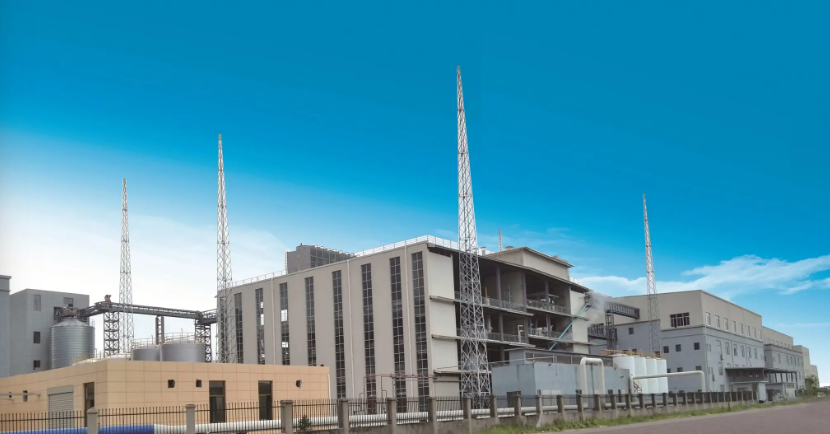
High-Efficiency Oil Extraction Equipment

Key Highlights
- High-efficiency oil extraction equipment maximizes oil yield while minimizing residual oil in meal.
- Modern screw presses and solvent-assisted systems provide energy efficiency and stable operation.
- Advanced design ensures longer equipment lifespan and lower maintenance costs.
- Automation and digital monitoring reduce human error and maintain consistent quality.
- Integration with turnkey edible oil production lines ensures seamless process flow and higher ROI.
Table of Contents
Introduction
Oil extraction is the heart of any edible oil production line. Selecting the right extraction equipment is critical to maximizing yield, reducing energy consumption, and ensuring consistent product quality. High-efficiency oil extraction equipment has become a standard in modern edible oil plants, offering improved recovery rates, automation, and operational reliability.
In this guide, we will provide an in-depth analysis of oil extraction methods, equipment types, energy efficiency, maintenance strategies, and integration within complete production lines. Our goal is to help you make informed decisions when investing in high-performance oil extraction systems.
Overview of Oil Extraction Methods
Oil extraction methods can broadly be categorized into mechanical pressing and solvent extraction.
Mechanical Pressing: Uses screw presses or expellers to squeeze oil from seeds. Advantages include:
- Lower operational costs
- No chemical residues in the oil
- Simple operation and maintenance
Solvent Extraction: Uses a chemical solvent (commonly hexane) to extract remaining oil from pressed cake. Advantages include:
- Higher total oil recovery (up to 98%)
- Suitable for seeds with low oil content
- Can be integrated with pre-pressing for efficiency
Most modern plants use a combined system: high-efficiency mechanical pressing followed by solvent extraction to maximize total yield.
Mechanical Pressing vs Solvent Extraction
| Feature | Mechanical Pressing | Solvent Extraction |
|---|---|---|
| Oil Recovery | 90–96% | 96–98% |
| Energy Consumption | Moderate | Higher due to solvent evaporation |
| Maintenance | Low to Moderate | Moderate to High |
| Product Purity | High | Requires additional refining |
| Environmental Concerns | Low | Requires solvent handling and recovery |
Mechanical pressing is ideal for small to medium-scale operations or when chemical-free oil is required. Solvent extraction is suited for large-scale operations requiring maximum yield.

Features of High-Efficiency Oil Presses
High-efficiency oil presses offer several design improvements over traditional expellers:
- Optimized Screw and Barrel Geometry: Ensures uniform pressure and minimal heat generation.
- Automated Temperature and Speed Control: Adjusts processing parameters for different seeds to maximize extraction.
- Wear-Resistant Materials: Increases service life and reduces downtime.
- Integrated Oil Filtration: Removes impurities during extraction to improve crude oil quality.
- Flexible Feeding System: Supports a variety of seed sizes and moisture content.
These improvements result in higher recovery rates, lower energy consumption, and reduced maintenance.
Energy Efficiency and Cost Savings
Energy efficiency is a critical factor in oil extraction operations. High-efficiency presses reduce energy consumption through:
- Low-friction screw design
- Efficient motor and drive systems
- Optimized pre-conditioning and flaking
- Heat recovery integration in the extraction line
By implementing energy-saving practices, plants can reduce operational costs by 10–20% while maintaining high output quality.
Maintenance and Longevity of Equipment
Proper maintenance extends the lifespan of oil extraction equipment and ensures stable operation. Key practices include:
- Regular inspection of screws, barrels, bearings, and drive systems
- Timely replacement of wear parts
- Lubrication and cleaning schedules
- Monitoring operational parameters for abnormal vibration, temperature, or noise
A well-maintained high-efficiency oil press can operate continuously for several years with minimal downtime.
Integration with Edible Oil Production Lines
High-efficiency oil extraction equipment is most effective when integrated into a turnkey edible oil production line. Integration benefits include:
- Seamless connection to seed preparation and flaking stages
- Efficient downstream filtration and refining
- Optimized material flow to reduce oil loss
- Consistent batch quality through synchronized automation
Proper integration ensures maximum yield, energy efficiency, and process reliability.
Automation and Process Control
Modern oil extraction lines increasingly rely on automation to:
- Monitor and control temperature, pressure, feed rate, and moisture in real-time
- Adjust screw speed and compression ratio automatically
- Alert operators to deviations or maintenance needs
- Maintain consistent product quality and throughput
Automation minimizes human error, reduces operational risk, and supports compliance with international food safety standards.
Case Studies and Yield Improvements
Example 1: Soybean High-Efficiency Press Line
- Capacity: 50 tons/day
- Mechanical extraction recovery: 95%
- Total recovery after solvent extraction: 98%
- Energy savings: 12% vs traditional presses
- Operational uptime: 99% over 12 months
Example 2: Sunflower Seed Plant
- High-efficiency screw press replaced traditional expellers
- Oil recovery increased from 90% to 94%
- Maintenance reduced by 40%
- Return on investment achieved within 18 months
These examples demonstrate how high-efficiency oil presses improve profitability and operational stability.

Advantages of Investing in High-Efficiency Oil Extraction Equipment
- Higher oil yield and reduced residual oil
- Lower energy consumption and operational costs
- Improved product quality with reduced impurities
- Extended equipment lifespan with reduced downtime
- Seamless integration with turnkey edible oil production lines
- Supports scalability and diversification of processed oil types
Conclusion
High-efficiency oil extraction equipment is a cornerstone of modern edible oil production. By selecting advanced mechanical presses or combining them with solvent extraction, processors can maximize oil yield, improve energy efficiency, and maintain consistent product quality. Integration with turnkey production lines and automation further enhances reliability and profitability.
Investing in the right oil extraction equipment ensures your plant operates efficiently, reduces operating costs, and produces high-quality oils suitable for both food and industrial applications.
FAQ
What is a high-efficiency oil press?
A mechanical device designed to maximize oil recovery from seeds while minimizing energy use and wear.
Which seeds are compatible with high-efficiency presses?
Soybean, sunflower, rapeseed, cottonseed, palm kernel, corn germ, and other oilseeds.
How does automation improve oil extraction?
It monitors and adjusts process parameters in real-time, reducing human error and maintaining consistent yield and quality.
Can solvent extraction be combined with mechanical pressing?
Yes. Pre-pressing followed by solvent extraction achieves the highest total oil recovery.
What maintenance practices are critical for longevity?
Regular inspection, replacement of worn parts, lubrication, and monitoring operational parameters.
Need Help Choosing the Right Oil Extraction Equipment?
If you’re unsure which high-efficiency oil press or extraction system is best for your production line, our experts are here to help. Contact us today for a personalized consultation, and ensure your edible oil production line delivers maximum yield, efficiency, and consistent quality. Don’t wait to optimize your operations—get in touch now to secure a reliable, high-performance oil extraction solution!