How to Start an Edible Oil Production Plant in Kenya
Kenya is becoming one of the most promising edible oil markets in East Africa. The country relies heavily on imported cooking oil, while domestic consumption continues to rise due to population growth, urbanization, and expansion of the food processing industry. As a result, investing in an edible oil production plant in Kenya has strong long-term industrial potential.
A well-planned edible oil production plant in Kenya can serve both domestic demand and regional export markets within East Africa. To succeed, investors need to understand raw materials, production processes, equipment configuration, and regulatory frameworks.
Table of Contents
Overview of the Edible Oil Industry in Kenya
Increasing Demand for Edible Oils
Kenya’s edible oil consumption continues to grow steadily. Local production is not sufficient to meet demand, which creates opportunities for new edible oil production plant in Kenya projects.
Import Dependence and Market Gap
A significant portion of edible oil is imported, making import substitution a key opportunity for any edible oil production plant in Kenya targeting domestic supply.
Regional Trade Advantages
Kenya serves as a logistics and trade hub in East Africa, allowing edible oil production plant in Kenya projects to access neighboring countries such as Uganda, Tanzania, and Rwanda.
Major Raw Materials for Edible Oil Production in Kenya
Common Oilseeds
The main raw materials used in edible oil production plant in Kenya include:
- Sunflower seeds
- Soybeans
- Groundnuts (peanuts)
- Rapeseed (canola)
Agricultural Development Potential
Local oilseed farming is expanding, but still insufficient for full industrial demand. This creates opportunities for integrated supply chains supporting edible oil production plant in Kenya projects.
Supply Stability Considerations
Stable raw material supply is critical for maintaining continuous operation of edible oil production plant in Kenya facilities.

Types of Edible Oil Production Plant in Kenya
Small-Scale Oil Pressing Plants
These plants use mechanical pressing and are suitable for local production and small enterprises.
Medium to Large Extraction Plants
Industrial edible oil production plant in Kenya projects often use solvent extraction systems for higher efficiency and output.
Oil Refining Plants
Refining plants are essential for producing food-grade edible oil that meets market standards.
Integrated Turnkey Plants
Many investors prefer integrated edible oil production plant in Kenya solutions combining extraction, refining, and packaging.
Production Process of Edible Oil Production Plant in Kenya
Raw Material Cleaning
Oilseeds are cleaned to remove impurities such as dust, stones, and foreign materials.
Conditioning and Preparation
Moisture and temperature conditioning improves extraction efficiency in edible oil production plant in Kenya systems.
Oil Extraction Process
The core process of edible oil production plant in Kenya includes:
- Mechanical pressing for small-scale systems
- Solvent extraction for large-scale industrial plants
Oil Clarification
Crude oil is clarified to remove solids and water, improving stability.
Refining Process
Refining ensures food-grade quality through multiple steps:
- Degumming
- Neutralization
- Bleaching
- Deodorization
Packaging and Storage
Final oil is stored and packaged using automated systems for distribution.
Equipment Configuration for Edible Oil Production Plant in Kenya
Core Processing Equipment
Equipment selection directly affects efficiency and output quality in edible oil production plant in Kenya systems.
Refining Systems
Refining units ensure compliance with food safety standards.
Automation Control Systems
Automation improves process stability and reduces manual intervention.
Supporting Utility Systems
Boilers, water treatment systems, and power units are essential for continuous operation.
Comparison of Edible Oil Production Plant Configurations
| Plant Type | Main Function | Suitable Scale | Key Advantage | Market Application |
|---|---|---|---|---|
| Oil Pressing Plant | Mechanical oil extraction | Small scale | Low complexity | Local market supply |
| Solvent Extraction Plant | Industrial oil extraction | Medium to large scale | High efficiency | Bulk oil production |
| Oil Refining Plant | Crude oil upgrading | Medium to large scale | High product quality | Retail and branded oil |
| Integrated Turnkey Plant | Full production line | Large scale | Complete solution | Domestic + export markets |
Site Selection Factors for Edible Oil Production Plant in Kenya
Raw Material Accessibility
Proximity to agricultural zones improves efficiency of edible oil production plant in Kenya.
Infrastructure Availability
Stable electricity, water supply, and transportation infrastructure are essential.
Logistics and Distribution Access
Access to highways and ports supports both domestic and export distribution.
Industrial Compliance Requirements
Proper zoning and regulatory approval are required before construction.
Regulatory Requirements in Kenya
Business Registration
All edible oil production plant in Kenya projects must be properly registered under Kenyan business laws.
Food Safety Compliance
Products must meet national food safety standards for edible consumption.
Environmental Regulations
Environmental protection laws govern waste disposal and emissions control.
Industrial Licensing
Proper licensing is required for construction and operation of production facilities.
Challenges in Edible Oil Production Plant in Kenya
Raw Material Supply Variability
Oilseed supply can fluctuate depending on agricultural conditions.
Infrastructure Limitations
Some regions lack stable utilities required for industrial-scale production.
Competition from Imported Oils
Imported edible oils remain strong competitors in the local market.
Technical Implementation Barriers
Some investors face challenges in selecting appropriate production technology.
Opportunities in Edible Oil Production Plant in Kenya
Import Substitution Demand
Local production can replace imported edible oils in the domestic market.
Regional Export Expansion
Kenya’s strategic location supports trade across East Africa.
Agricultural Industrialization
Expansion of oilseed farming strengthens supply chains.
Technology Upgrade Potential
Modern processing systems improve efficiency and reduce operational costs.
Typical Production Flow Summary
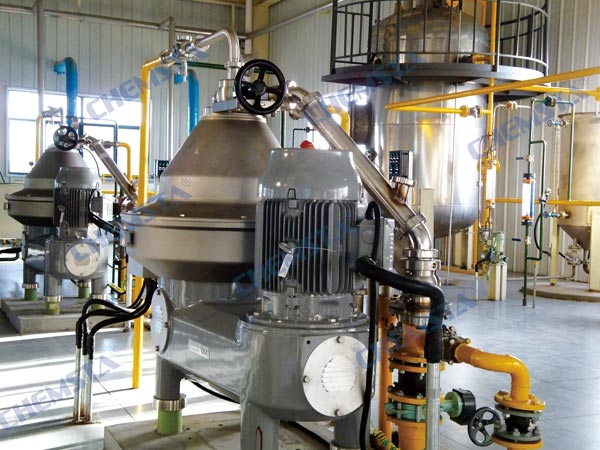
The following table summarizes the standard production flow in an edible oil production plant in Kenya:
| Stage | Process Description | Objective |
| Raw Material Cleaning | Remove impurities from oilseeds | Improve quality |
| Conditioning | Adjust moisture and temperature | Enhance extraction efficiency |
| Oil Extraction | Pressing or solvent extraction | Obtain crude oil |
| Clarification | Remove solids and moisture | Stabilize oil |
| Refining | Degumming, bleaching, deodorization | Produce edible-grade oil |
| Packaging | Filling and labeling | Market-ready product |
Turnkey Solutions for Edible Oil Production Plant in Kenya
Full Engineering Integration
Turnkey providers handle complete project execution from design to commissioning.
System Optimization Design
Integrated systems improve performance and reduce operational risks.
Faster Project Delivery
Turnkey solutions shorten implementation timelines.
Long-Term Technical Support
Continuous support ensures stable operation and maintenance.
Conclusion
Establishing an edible oil production plant in Kenya offers strong industrial potential driven by rising domestic demand, import dependence, and regional trade opportunities. However, success depends on proper planning, efficient equipment selection, and reliable engineering execution.
A well-designed edible oil production plant in Kenya can achieve stable production, high efficiency, and strong competitiveness in both local and export markets.
Chemsta provides complete turnkey solutions for edible oil production plant in Kenya, including process design, equipment manufacturing, installation, and commissioning to ensure reliable and efficient project delivery.