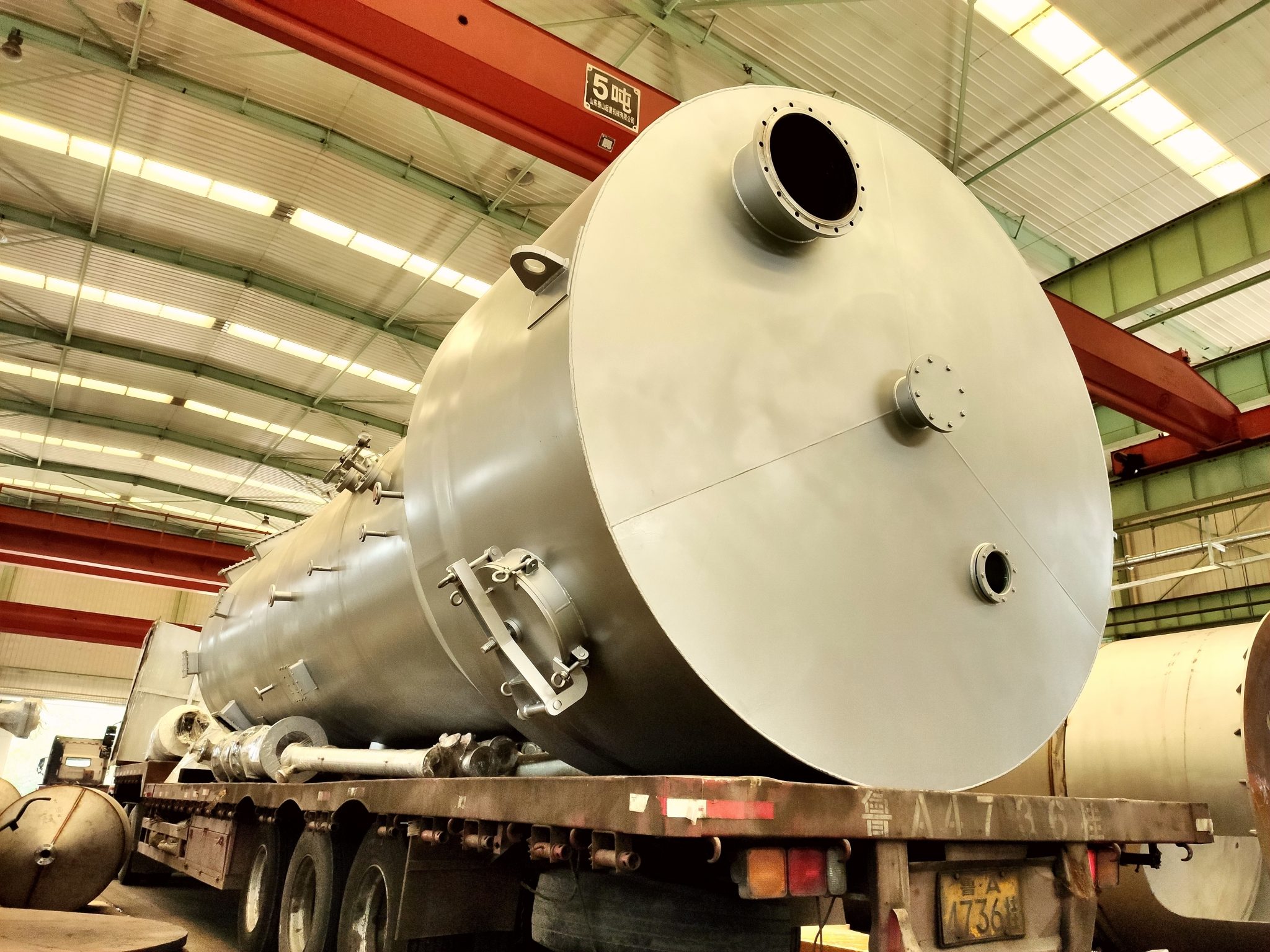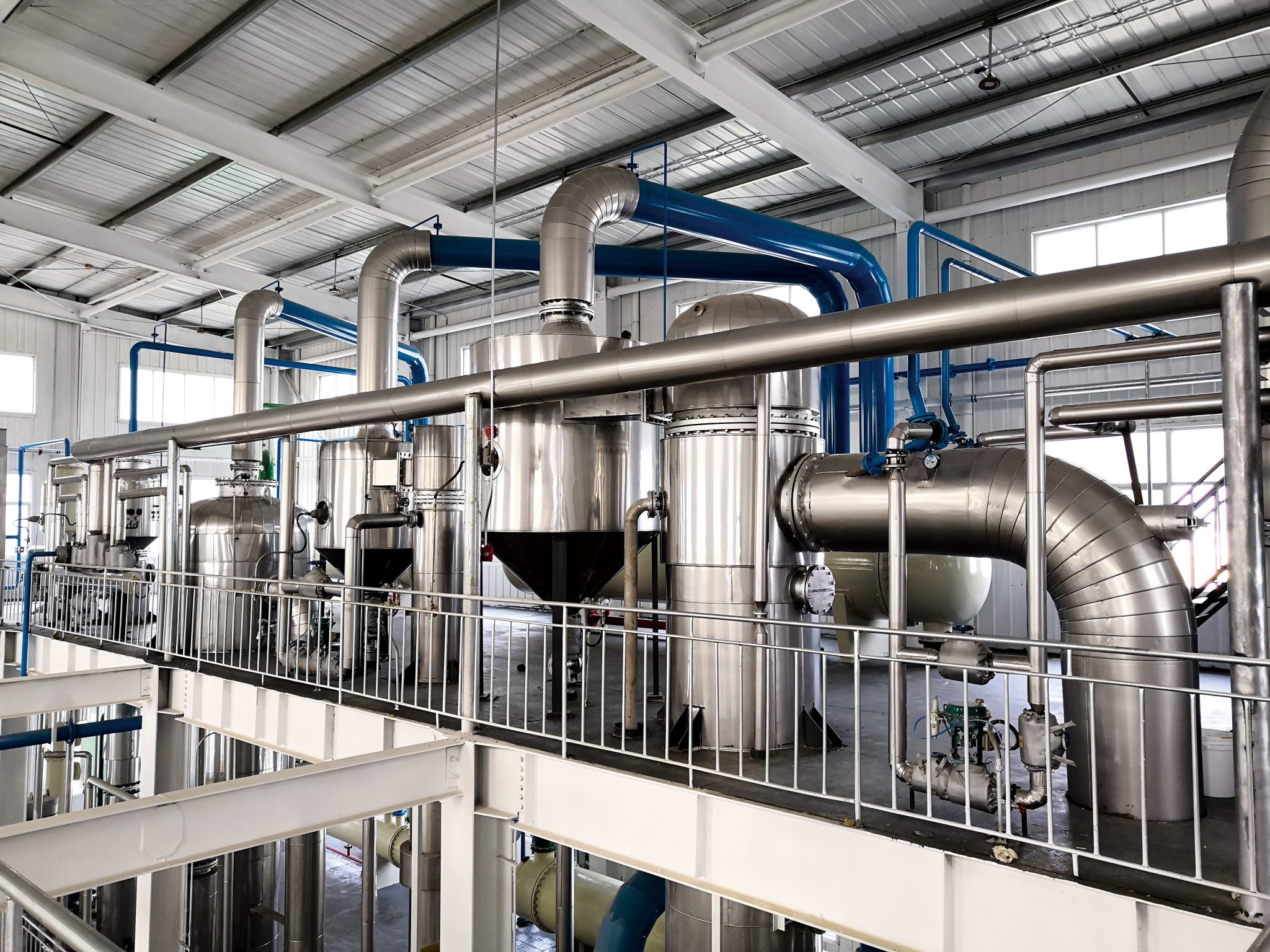
Cost-Effective Edible Oil Refining Equipment Guide
How to choose cost-effective edible oil refining equipment? This blog tells you the answer!
Table of Contents
As global health awareness and quality of life continue to rise, people’s demand for high-quality edible oils is also more urgent. From sunflower oil, soybean oil to palm oil and rapeseed oil, edible oil producers around the world are looking for reliable and effective ways to refine cleaner and safer products.
This blog will take you through the edible oil refining process and equipment to help you make the most informed choice for your oil production line.

Understanding Edible Oil Refining
Edible oil refining is the process of removing impurities and unwanted components from crude vegetable oil. These impurities can include free fatty acids (FFAs), phospholipids (gums), waxes, pigments, odor compounds, and other substances that affect the oil’s quality, stability, and safety. Refining improves taste, extends shelf life, and ensures compliance with food safety regulations in both domestic and international markets.
Depending on the oil type and target market, producers may use one of the following refining approaches:
- Chemical refining (removal of FFAs using alkali treatment)
- Physical refining (deodorization via steam distillation)
- Combined degumming and physical refining (popular for palm and coconut oils)
Each method has different equipment requirements and cost implications.
Core Stages of the Refining Process
No matter the method used, edible oil refining usually involves the following key steps:
Degumming
Crude oil is treated with water or acid to remove phospholipids, which can affect flavor and stability. This step is particularly important for soybean, rapeseed, and sunflower oils.
Neutralization
In chemical refining, free fatty acids are neutralized using an alkali such as caustic soda. The resulting soapstock is separated from the oil and processed further or discarded.
Bleaching
Pigments, trace metals, residual soaps, and oxidation products are removed by mixing the oil with bleaching earth or activated carbon. This step also improves the oil’s color.
Deodorization
This is typically the final stage where the oil is heated under vacuum and treated with steam to remove odor-causing compounds. It also eliminates volatile free fatty acids.
Winterization (Optional)
For oils that cloud at low temperatures (like sunflower or corn oil), this process removes waxes and other high-melting-point components to ensure clear, cold-stable oil.
Main Equipment in a Cost-Effective Edible Oil Refining Equipment Line
Building a refining plant involves multiple pieces of specialized machinery. Understanding what each does can help you prioritize cost-effective solutions:
Degumming Tank
Heats and mixes crude oil with water or acid. A multi-functional tank with built-in mixing and temperature control can lower installation and labor costs.
Neutralization Reactor
This vessel carries out chemical reactions to remove FFAs. Batch reactors are more affordable for small-scale production, while continuous systems are more efficient for larger operations.
Centrifuge Separator
Separates soapstock or hydrated gums from oil after degumming and neutralization. Energy-efficient centrifuges reduce waste and improve oil yield.
Bleaching Tower or Bleaching Tank
Allows oil to be mixed with bleaching clay and filtered. Using high-efficiency filters reduces the amount of clay required and extends the system’s lifespan.
Deodorizer Unit
A vacuum steam distillation system that removes odors and final impurities. Units with heat recovery can drastically cut energy costs.
Vacuum Pumps and Heat Exchangers
Critical for temperature and pressure control, these systems affect energy consumption and overall process efficiency.
Oil Filters and Final Polishers
Ensure that the refined oil is crystal-clear and free of residues before packaging. Low-maintenance options reduce cleaning time and cost.
How to Choose Cost-Effective Edible Oil Refining Equipment


Cost-effectiveness doesn’t just mean low purchase prices. It includes energy savings, production efficiency, maintenance requirements, and long-term reliability. Here’s how to evaluate your options:
Align with Your Production Capacity
Batch refining systems are best for capacities under 20 tons/day. Semi-continuous setups work well for 20–50 tons/day, while fully continuous lines are ideal for larger producers. Avoid over-specifying capacity, which increases capital and energy costs unnecessarily.
Prioritize Energy-Efficient Design
Look for systems with pre-heating, heat exchangers, and insulated tanks. Deodorizing units with energy recovery can save up to 30% on steam and electricity.
Consider Automation and Control
PLC-controlled systems allow you to operate the entire plant from one interface. This improves consistency, reduces human error, and minimizes labor costs.
Opt for Modular Equipment
Modular design lets you expand or upgrade your plant without replacing the whole system. This is ideal for growing businesses.
Choose Reliable Materials
Food-grade stainless steel (SS304 or SS316L) is a must for all contact parts. Though slightly more expensive upfront, it offers corrosion resistance, easy cleaning, and long service life.
Evaluate the Supplier’s Support Services
Choose manufacturers that offer installation assistance, training, spare parts availability, and after-sales service. These extras save costs and downtime over the long run.
Benefits of Cost-Effective Edible Oil Refining Equipment
When chosen wisely, edible oil refining equipment doesn’t just reduce costs—it boosts your overall operation. Here’s how:
- Increased oil yield through efficient degumming, separation, and filtration
- Improved product quality and safety compliance for domestic and export markets
- Reduced energy bills with integrated heating and heat recovery systems
- Lower labor requirements through automation
- Minimized waste generation and environmental impact
- Shorter ROI time due to efficient performance and lower operational costs
Case Study: Mid-Sized Vegetable Oil Plant
A 25-ton/day sunflower oil plant in Southeast Asia opted for a semi-continuous refining setup with:
- Integrated degumming and neutralization tanks
- High-efficiency vacuum deodorizer with heat recovery
- PLC-controlled process with minimal operator intervention
Within 18 months, they achieved:
- 1.8% increase in refined oil yield
- 24% reduction in steam and electricity consumption
- 35% lower maintenance downtime
This result highlights how thoughtful equipment selection can improve both profitability and sustainability.
Global Applicability and Flexibility

Whether you’re located in Africa, South Asia, Europe, or Latin America, the principles of cost-effective refining remain the same. Your local crude oil supply, labor availability, energy costs, and regulatory environment may vary—but investing in the right equipment ensures consistent results.
Adaptable systems can handle multiple oil types and meet various certification standards such as ISO, allowing you to expand your market reach.
Conclusion
Edible oil refining is essential for producing safe, marketable, and high-quality cooking oils. By choosing cost-effective refining equipment that suits your oil type, capacity, and operational budget, you can maximize productivity while minimizing energy and labor expenses.
The smartest investment is not necessarily the cheapest, but the one that delivers long-term value. Focus on efficiency, quality, expandability, and supplier support—and your refining plant will be well-positioned for sustainable growth in a competitive global market.
If you’re planning to build or upgrade your edible oil refining plant, partnering with a trusted equipment manufacturer can make all the difference. Companies like CHEMSTA offer tailored solutions that help you succeed from day one, regardless of your location or scale.
Ready to Upgrade Your Edible Oil Production?
Get a free, customized equipment recommendation based on your oil type, output goals, and refining requirements. Boost efficiency, cut costs, and ensure food-grade quality.
📩 Request Free Quote
Get a free, customized equipment recommendation based on your oil type, output goals, and refining requirements. Boost efficiency, cut costs, and ensure food-grade quality.
📩 Request Free Quote
FAQ
What is the difference between chemical and physical refining?
Chemical refining uses alkali to neutralize FFAs, while physical refining removes them via steam distillation. Chemical refining suits oils with higher impurity levels; physical refining is often more energy-efficient for palm or coconut oils.
How much space is required for a small refining plant?
A batch refining setup for 10–20 tons/day usually requires 200–400 square meters, depending on the layout and integration level.
Can I upgrade from batch to semi-continuous refining?
Yes, modular designs allow upgrades without replacing all equipment. This ensures scalability without large capital reinvestment.
What certifications should my edible oil refining equipment have?
Look for ISO 9001, and food-grade material certifications. These are important for quality assurance and export compliance.
Is used edible oil refining equipment a good cost-saving option?
Sometimes, but only if the edible oil refining equipment has been properly maintained and sourced from reputable dealers. Consider the hidden costs of repairs, downtime, and energy inefficiency.