Solvent Extractors Industry Trends and Market Outlook in 2026
Table of Contents
Introduction

Solvent extractors have become a cornerstone technology in modern industrial processing, especially in the edible oil sector. As production scales increase and efficiency requirements become stricter, traditional mechanical extraction methods are no longer sufficient on their own. Businesses are now turning to solvent-based systems to maximize output and reduce waste.
From an industry perspective, the shift toward solvent extractors is driven by the need for higher oil recovery rates, better cost control, and consistent product quality. According to widely cited data in oil processing engineering literature, solvent-based extraction can recover up to 96–98% of available oil under optimized conditions, significantly outperforming conventional pressing methods.
If you are involved in oil processing or considering investment in extraction technology, understanding the direction of this industry in 2026 will help you make more informed decisions.
What Are Solvent Extractors?
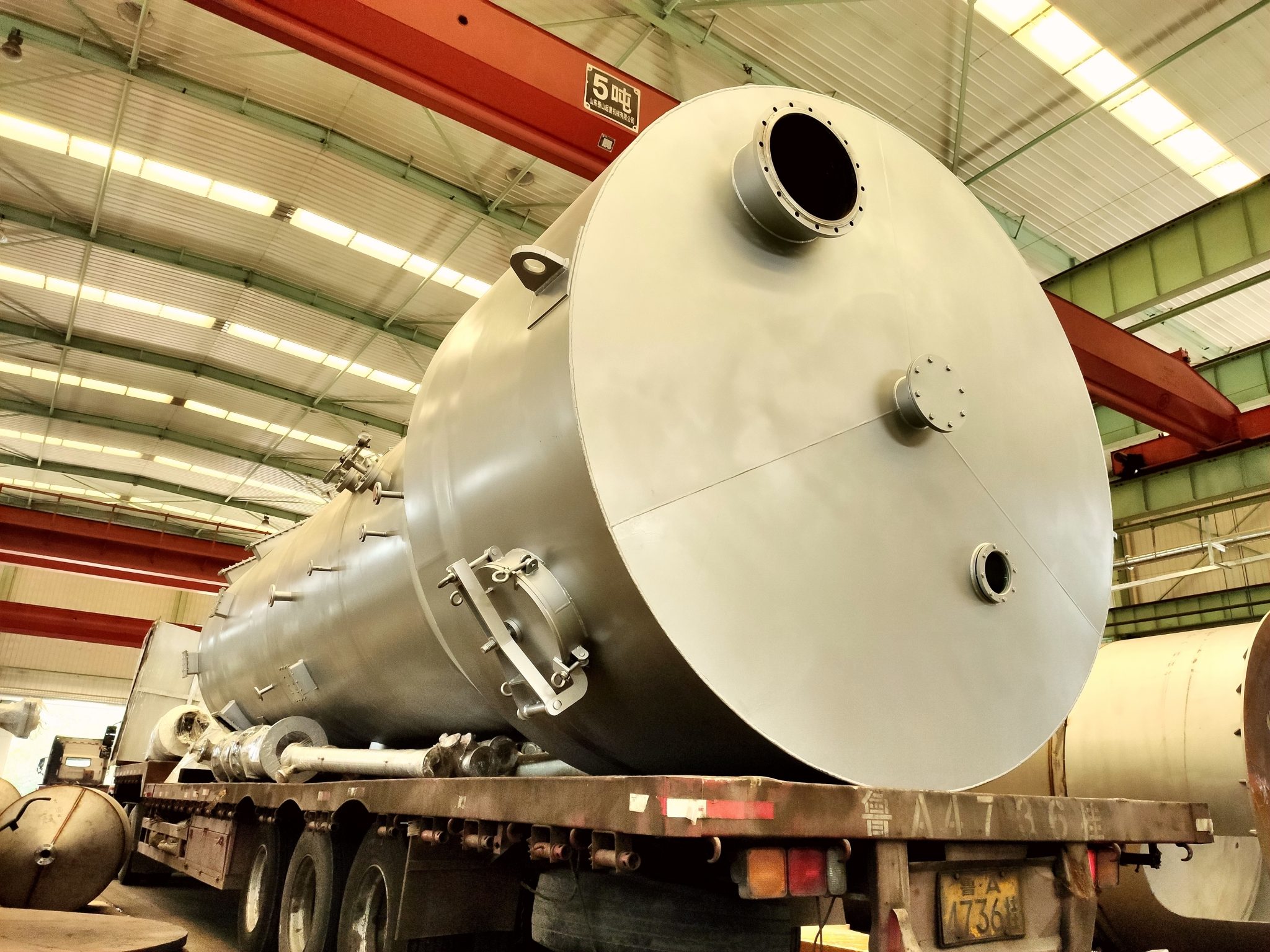
Solvent extraction equipments are industrial systems designed to extract oil or valuable compounds from raw materials using chemical solvents. The most commonly used solvent is hexane due to its efficiency and recoverability.
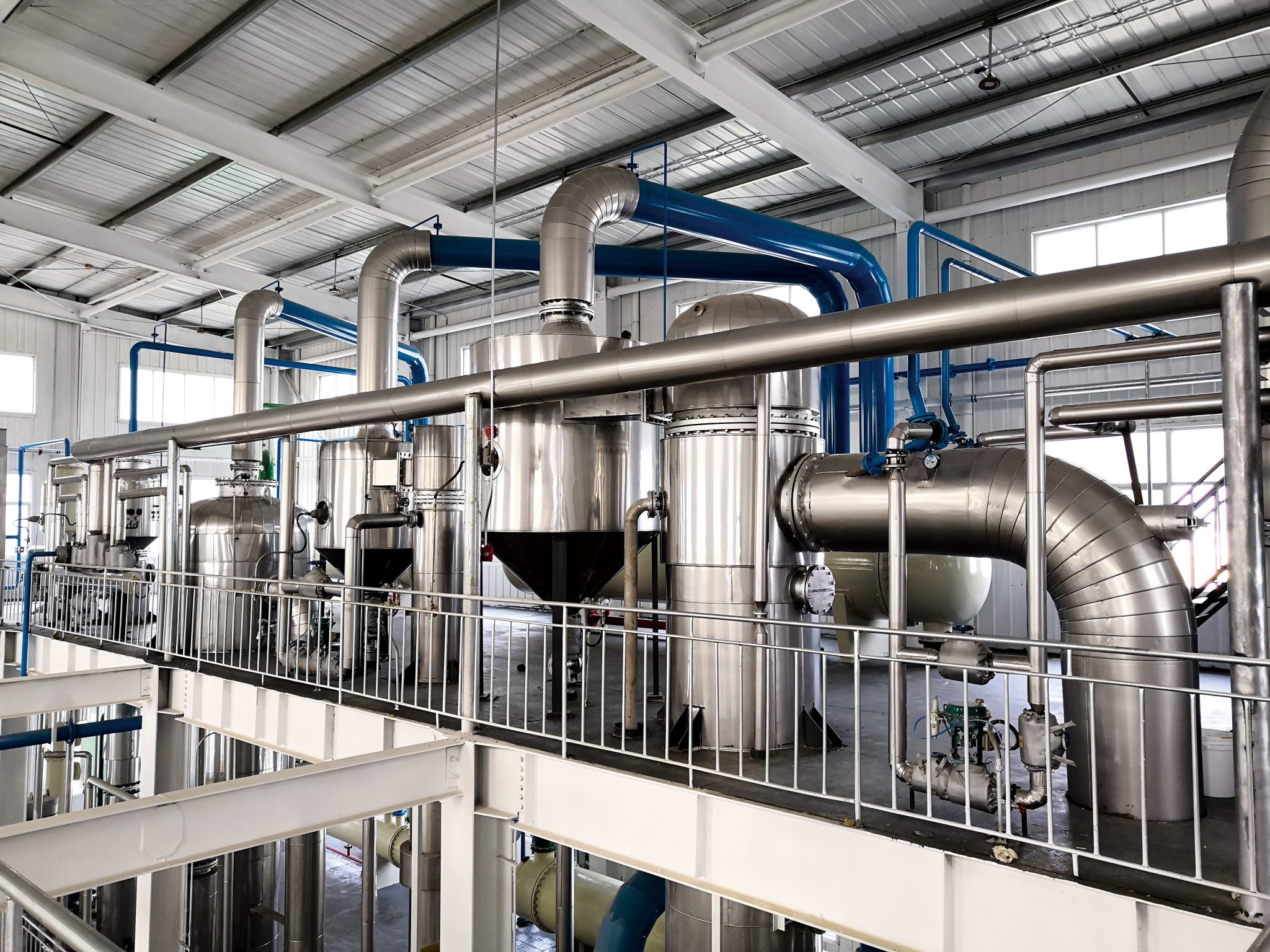
These systems typically include extraction units, solvent recovery systems, heat exchangers, and control systems. The process is designed as a closed-loop cycle to ensure that the solvent is reused and emissions are minimized.
Compared to mechanical extraction, solvent extraction equipments offer higher efficiency, especially when processing materials with lower residual oil tolerance.
How Solvent Extractors Work in Modern Industry
The process begins with raw material preparation. Oil-bearing materials are cleaned, crushed, and conditioned to improve extraction efficiency.
The prepared material is then introduced into the extractor, where it comes into contact with the solvent. The solvent dissolves the oil, forming a mixture known as miscella. This mixture is then processed through evaporation and distillation systems to separate the oil from the solvent.
The solvent is recovered and reused, while the extracted oil is sent for further processing. The remaining solid material is treated to remove residual solvent before discharge.
Continuous systems are widely adopted in modern industry because they allow uninterrupted operation and consistent production output.
Types of Solvent Extractors in the Market
Solvent extraction equipments are available in several configurations depending on production requirements.
Batch solvent extractors are typically used for smaller operations or specialized applications. They provide flexibility but have limited throughput.
Continuous solvent extraction equipments are designed for large-scale industrial production. They offer higher efficiency, stable operation, and better integration with automated systems.
There are also modular and turnkey systems that provide complete solutions, including design, installation, and commissioning. These systems are increasingly preferred by investors seeking streamlined project execution.
Key Industry Trends Shaping Solvent Extractors in 2026
One of the most significant trends is the integration of automation and digital monitoring. Modern solvent extraction equipments are equipped with sensors and control systems that allow real-time monitoring of temperature, pressure, and solvent flow.
Energy efficiency is another major focus. New designs emphasize heat recovery and reduced energy consumption, helping operators lower operational costs.
Improved solvent recovery technology is also gaining attention. Advanced recovery systems minimize solvent loss, which not only reduces cost but also enhances environmental compliance.
In addition, safety systems are becoming more advanced, with explosion-proof designs and automated shutdown mechanisms ensuring safer operation.
Market Demand and Growth Drivers
The demand for solvent extraction equipments is closely tied to the growth of the edible oil industry and food processing sector. As consumption patterns evolve, the need for efficient and scalable extraction systems continues to rise.
Another key driver is the increasing emphasis on resource efficiency. Businesses are looking for ways to maximize output from raw materials, and solvent extraction equipments provide a clear advantage in this area.
Industry reports indicate that demand for high-efficiency extraction systems is expected to grow steadily, particularly in large-scale processing operations.
Technological Innovations in Solvent Extractors
Technological advancements are transforming how solvent extraction equipments operate. New equipment designs focus on improving extraction efficiency while reducing energy consumption.
Automation plays a critical role, enabling precise control over processing parameters. This not only improves output quality but also reduces human error.
Heat exchange systems have also improved significantly, allowing better energy utilization. In addition, enhanced safety features ensure compliance with strict industrial standards.
These innovations are making solvent extraction equipments more reliable and cost-effective over the long term.
Solvent Extractors Capacity and Performance Analysis
Capacity is one of the most important considerations when selecting solvent extractors. It determines the scale of production and influences overall profitability.
Below is a general comparison of capacity ranges and applications:
| Capacity Range (TPD) | Application Type | Operational Scale | Investment Level |
|---|---|---|---|
| 10–50 TPD | Pilot or small processing | Entry-level operations | Moderate |
| 50–200 TPD | Medium-scale production | Expanding businesses | Medium to high |
| 200+ TPD | Large industrial processing | Established operations | High |
Performance is measured not only by capacity but also by oil recovery rate, energy efficiency, and system stability. High-performance systems maintain consistent output even under continuous operation.
Applications of Solvent Extractors Across Industries
Solvent extraction equipments are widely used in various industries, with the edible oil sector being the most prominent.
They are suitable for processing a wide range of oil-bearing materials, including soybean, sunflower seeds, rice bran, and peanuts. Their versatility allows operators to adapt to changing market demands.
In addition to oil extraction, solvent-based systems are also used in other industrial applications where efficient separation of compounds is required.
Challenges and Risk Factors in the Industry
Despite their advantages, solvent extractors come with certain challenges.
Solvent handling requires strict safety measures due to flammability. Proper system design and operation are essential to minimize risks.
Environmental considerations are also important. Regulations require efficient solvent recovery and emission control.
Operational challenges such as equipment wear and maintenance must also be addressed to ensure long-term performance.
Future Outlook of Solvent Extractors Industry


Looking ahead, the solvent extractors industry is expected to continue evolving with advancements in technology and growing demand for efficient processing systems.
Sustainability will play a major role, with increased focus on reducing energy consumption and improving environmental performance.
Automation and digitalization will further enhance system efficiency, making operations more predictable and easier to manage.
For businesses and investors, this presents an opportunity to adopt advanced systems that offer both technical and economic advantages.
Conclusion
Solvent extractors have become an essential technology in modern industrial processing, offering high efficiency, scalability, and consistent performance. As the industry moves toward greater automation and sustainability, these systems will continue to play a critical role in meeting global production demands.
For decision-makers, understanding market trends, technological developments, and investment considerations is key to selecting the right solution. With the right approach, solvent extractors can provide long-term value and support sustainable business growth in an increasingly competitive environment.
FAQ
What are solvent extractors used for?
Solvent extractors are used to extract oil or valuable compounds from raw materials such as oilseeds, plant matter, or industrial feedstock using chemical solvents. They are widely applied in edible oil production and other processing industries because they provide high extraction efficiency, reduce residual oil content, and maximize overall resource utilization.
How do solvent extractors work?
Solvent extractors work by bringing raw materials into contact with a solvent, which dissolves the oil or target compounds. The resulting mixture is then processed through evaporation and distillation systems to separate the solvent from the extracted oil. The solvent is recovered and reused, making the process efficient and cost-effective.
What are the main types of solvent extractors?
The main types include batch solvent extractors and continuous solvent extractors. Batch systems are suitable for smaller or flexible operations, while continuous systems are designed for large-scale production, offering higher efficiency, stable output, and better integration with automated industrial processes.
Are solvent extractors suitable for industrial production?
Yes, solvent extractors are highly suitable for industrial production due to their ability to handle large volumes of raw materials and operate continuously. They are commonly used in large processing plants where high efficiency, consistent output, and cost optimization are critical for long-term operation.
What affects the efficiency of solvent extractors?
The efficiency of solvent extractors depends on several factors, including the quality and preparation of raw materials, system design, temperature and pressure control, solvent circulation, and recovery efficiency. Proper operation and regular maintenance are also essential to ensure stable performance and maximum extraction yield.
Need Help Choosing the Right Solvent Extractors?
If you’re unsure which solvent extractors are best suited for your production capacity, raw materials, or processing goals, our experts are here to help. We provide professional guidance to ensure you select efficient, reliable, and cost-effective extraction solutions for your business.
Contact us today for a personalized consultation and get a tailored recommendation based on your specific requirements. Don’t miss the opportunity to improve your production efficiency—reach out now and build a high-performance solvent extraction system with confidence!