Edible Oil Extraction Methods: Which Is Best?
Welcome to My Blog!
Before we dive into the content, I’d love for you to join me on my social media platforms where I share more insights, engage with the community, and post updates. Here’s how you can connect with me:
Facebook:https://www.facebook.com/sdchemsta
Youtube:https://www.youtube.com/channel/UCUAy0CNEiWpw-LxsYscRT1w
LinkedIn: https://www.linkedin.com/company/chemsta-group
Twitter: https://x.com/Chemsta_Group
Now, let’s get started on our journey together. I hope you find the content here insightful, engaging, and valuable.

Table of Contents
Introduction
When it comes to producing high-quality cooking oil, the process begins with choosing the right edible oil extraction method. This critical step impacts everything—from oil purity and nutritional value to production efficiency and environmental sustainability. Whether you’re involved in large-scale food processing or setting up a new edible oil line, understanding how various extraction methods compare will help you make informed decisions.
This article will guide you through the main edible oil extraction methods in use today, highlighting their advantages, limitations, and suitable applications. By the end, you’ll have a clearer picture of which method might be the best fit for your production goals.
Mechanical Pressing: A Traditional Yet Reliable Method
Mechanical pressing, also known as cold or hot pressing, is one of the oldest edible oil extraction methods. In this process, oil is physically separated from oil-bearing seeds or nuts using a screw press or hydraulic press. Depending on whether heat is applied, the process can be categorized as cold pressing or hot pressing.
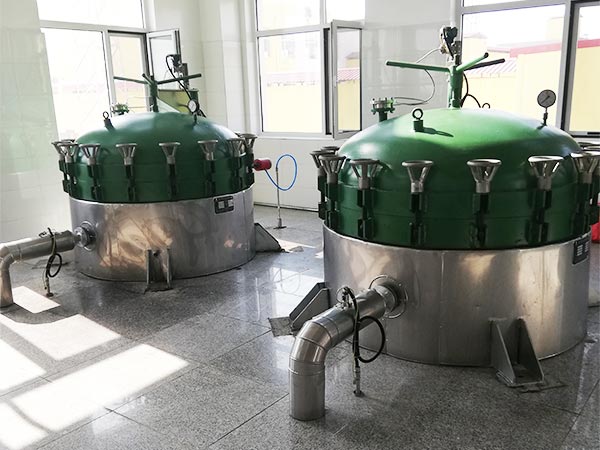
Cold pressing preserves more nutrients and is ideal for oils consumed directly in their raw state. Hot pressing, on the other hand, increases yield but may compromise some nutritional properties due to heat exposure.
Common Applications:
- Sesame oil
- Peanut oil
- Olive oil (cold-pressed)
Advantages:
- No chemical solvents used
- Simple process and lower environmental impact
- Preferred for high-nutrient or gourmet oil products
Disadvantages:
- Lower yield compared to solvent extraction
- More residue in the cake
Solvent Extraction: High Yield, Industry Standard
Solvent extraction is widely used in industrial-scale edible oil production, especially for oilseeds with low oil content such as soybean, cottonseed, and sunflower. This method involves using a solvent—typically hexane—to dissolve the oil before separating it from the meal.
After extraction, the solvent is removed through distillation and condensation, making the oil suitable for further refining. This method is highly efficient and economical for large operations.
Common Applications:
- Soybean oil
- Rapeseed oil
- Corn oil
Advantages:
- High oil recovery rate (up to 99%)
- Suitable for mass production
- Leaves behind a low-oil meal that can be used in animal feed
Disadvantages:
- Requires careful handling of flammable solvents
- More complex equipment setup
- Refining required to remove solvent residues
Enzyme-Assisted Extraction: A Growing Innovation
Enzyme-assisted extraction is an emerging method that uses specific enzymes to break down cell walls and facilitate oil release. This technology is still evolving but shows promise for improving oil yield and reducing energy consumption.
According to a study published by the Journal of Food Engineering, enzyme-assisted extraction has the potential to increase yield by 5–10% compared to mechanical methods while improving oil quality.
Common Applications:
- Specialty oils
- Niche organic products
- Research-scale production
Advantages:
- Mild processing conditions
- Improved extraction from difficult raw materials
- Environmentally friendly alternative
Disadvantages:
- Longer extraction time
- Higher cost of enzymes
- Not yet widespread in industrial production
Comparative Overview of Edible Oil Extraction Methods
To help you visualize the differences, here’s a comparison table of key attributes across major edible oil extraction methods:
| Extraction Method | Oil Yield | Nutritional Quality | Environmental Impact | Equipment Complexity |
|---|---|---|---|---|
| Mechanical Pressing | Moderate | High (cold-pressed) | Low | Simple |
| Solvent Extraction | High | Moderate | Medium | Complex |
| Enzyme-Assisted Extraction | Moderate-High | High | Low | Moderate |
The selection of method often depends on factors such as production scale, seed type, oil quality requirements, and available infrastructure.
Factors to Consider When Choosing a Method

When determining the best method for edible oil extraction in your facility, it’s essential to consider:
- Seed Type: Some seeds have low oil content and require solvent methods.
- Oil Quality Requirements: Cold pressing yields premium oil with better flavor and nutrition.
- Production Scale: Solvent extraction is more suitable for large volumes.
- Energy and Operational Costs: Mechanical pressing typically uses less energy but produces lower yield.
- Compliance & Safety: Solvent systems need rigorous compliance with safety standards and emissions control.
Choosing the right edible oil extraction method isn’t just about getting the highest yield—it’s also about aligning with your production goals, market demands, and long-term sustainability plans.
Conclusion
Each edible oil extraction method has its own strengths. If your goal is to produce small batches of premium oil with high nutritional value, cold pressing may be your best option. If you’re running a large operation focused on efficiency and volume, solvent extraction is likely the most cost-effective route. And if innovation and sustainability are your focus, enzyme-assisted techniques might be worth exploring further.
At the end of the day, your choice should be based on a combination of factors—oil yield, investment costs, desired product quality, and environmental responsibility. Having the right processing equipment is also key to success, no matter which method you choose.
FAQ
What is the difference between cold pressing and hot pressing?
Cold pressing uses no added heat, preserving more nutrients. Hot pressing applies heat, which increases oil yield but can reduce nutritional quality.
Is solvent extraction safe for edible oils?
Yes, when done properly. The process includes solvent removal steps, making the final oil safe for consumption. Strict safety and environmental controls are required.
Are enzyme-assisted methods used commercially?
Currently, they are used on a smaller scale or for specialty products, but ongoing research aims to scale this method up for broader industrial use.
Which method offers the highest oil recovery?
Solvent extraction provides the highest oil recovery rates—often exceeding 98%—making it the most efficient in terms of volume.
Can mechanical and solvent methods be combined?
Yes, some systems use mechanical pressing as a pre-treatment before solvent extraction, especially for seeds with high oil content.