Understanding How Vegetable Oil Is Processed
Welcome to My Blog!
Before we dive into the content, I’d love for you to join me on my social media platforms, where I share more insights, engage with the community, and post updates. Here’s how you can connect with me:
Facebook: https://www.facebook.com/sdchemsta
YouTube: https://www.youtube.com/channel/UCUAy0CNEiWpw-LxsYscRT1w
LinkedIn: https://www.linkedin.com/company/chemsta-group
Twitter: https://x.com/Chemsta_Group
Now, let’s get started on our journey together. I hope you find the content here insightful, engaging, and valuable.
Table of Contents
Introduction
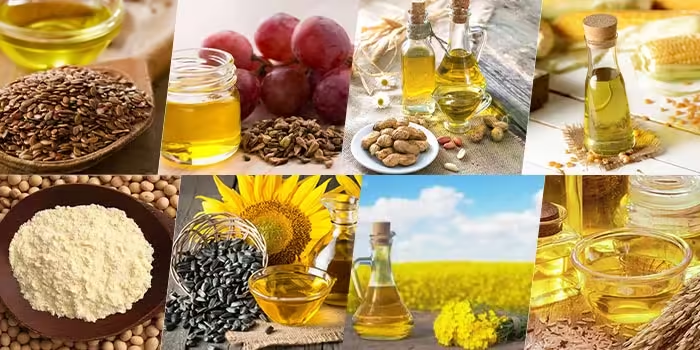
If you’re exploring edible oil production or planning a plant-based oilseed processing line, knowing how vegetable oil is processed matters. Each stage—from seed cleaning and conditioning to extraction and refining—affects oil quality, yield, purity, and profitability.
How Vegetable Oil Is Processed: Workflow
Seed Cleaning and Preparation
Before processing, oilseeds such as soybeans, sunflower, or canola must be cleaned to remove dust, stones, and plant debris. Optional dehulling and moisture adjustment improve extraction yield. Conditioning—typically using steam—softens seeds and prepares them for flaking or crushing.
Mechanical Pressing and Initial Oil Recovery
In mechanical pressing (cold press or expeller), seeds are squeezed to produce crude oil and press cake (meal). This method yields around 70–85% of total oil while preserving nutrients. The remaining cake moves on to solvent extraction for full recovery.
Solvent Extraction for Residual Oil Recovery
Press cake contains residual oil, which solvent extraction recovers using a food-grade solvent. The process includes flaking, miscella formation, solvent stripping, and meal drying. Extraction systems can recover 90–98% of oil content when well-calibrated.
Crude Oil Refining: Degumming to Deodorization
Crude oil then goes through refining steps to make it edible: degumming removes phospholipids; neutralization eliminates free fatty acids; bleaching removes pigments and impurities; deodorization uses steam under vacuum to eliminate odors.
Final Polishing and Packaging
Once refined, the oil may undergo additional filtration, antioxidant blending, and thermal stabilization. After quality testing, oil is stored or packaged into containers suited for food or industrial use.

Understanding Yields & Energy Efficiency in Vegetable Oil Production
Typical processing data: for soybeans, oil yield reaches about 20–22% of dry seed weight, with meal yield around 75% and hulls near 5%. Mechanical plus solvent extraction achieves over 90% oil recovery in modern facilities. Energy consumption for refining and extraction lines ranges between 30 and 40 kWh per tonne of seed processed, depending on line design and thermal integration.
Long-Tail Scenarios & Equipment Planning
Key long-tail phrases include “soybean oil extraction refining plant,” “vegetable oil edible refining line,” “turnkey oilseed processing equipment,” and “industrial oil mill extraction system.” If you’re investing in an oilseed crushing line, a full edible oil refinery, or an integrated soy protein plant, these keywords guide your search and project documentation.
Comparison Table: Mechanical Pressing vs. Solvent Extraction
| Stage | Mechanical Pressing | Solvent Extraction | Combined Outcome |
|---|---|---|---|
| Oil Recovery | ~70–85% | Up to 98% on the residual meal | Nearly complete extraction |
| Crude Oil Quality | Lower free fatty acids, better flavor | Higher free fatty acids require intensive refining | Balanced refining workload |
| Equipment Complexity | Moderate | Advanced systems for miscella & solvent recovery | More complex but higher yield |
| Energy & Solvent Demand | Low (mostly mechanical/electrical) | Higher (solvent handling, thermal energy) | Managed via solvent recovery and heat reuse |
How Vegetable Oil Is Processed: High-Quality Oil Production
Maintain precise control over seed moisture and conditioning temperature to optimize oil release. Use enzymatic degumming to preserve natural antioxidants and improve yield. During bleaching, monitor clay dosage and temperature strictly to avoid oil losses. In deodorization, control pressure and steam flow for optimal odor elimination while retaining oil quality. Regular quality checkpoints help maintain consistency.
Practical Considerations for Oil Mill and Turnkey Lines
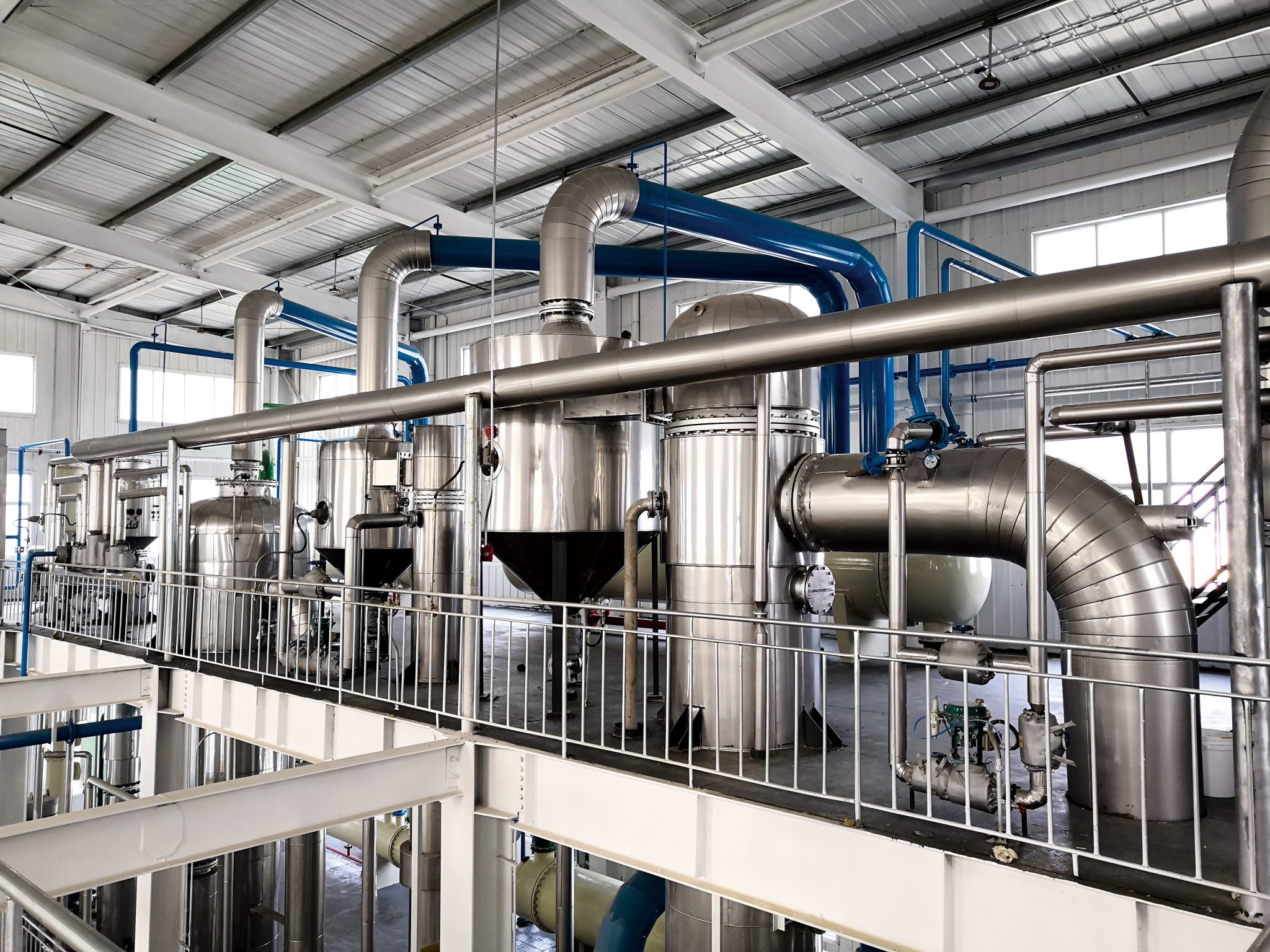
When planning your oil production line, consider module layout: seed cleaning, flaking, pressing, extraction, refining, meal handling, and utilities. Design for scalability and minimal footprint. Ensure equipment supports automation, solvent recovery, meal cooling, and easy maintenance access. Integrating refining and recovery units with preheating and vacuum systems improves energy efficiency.
Operations & Maintenance Guidelines
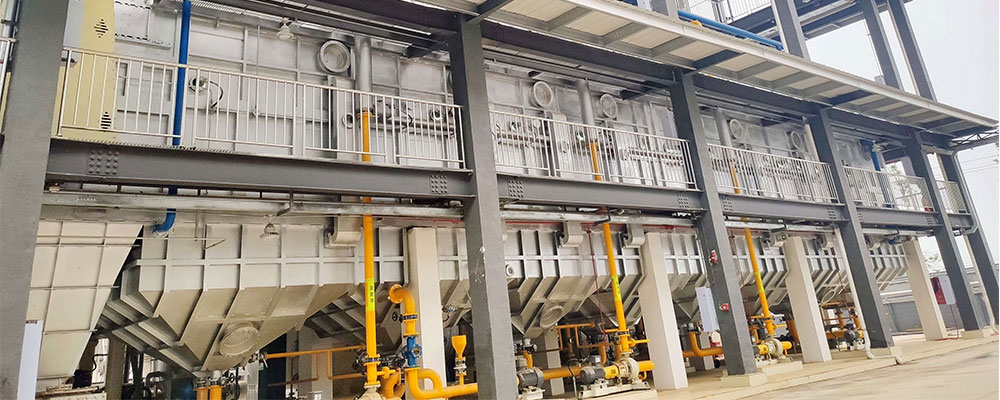
Implement a maintenance schedule covering solvent leak testing, seed conveyor checks, heating system cleaning, bleaching earth replacement, and vacuum system inspections. Train operational staff in cleaning protocols to avoid contamination and ensure food safety compliance. Use preventative cleaning cycles for filters and clarify any residual solvents.
Conclusion
Understanding how vegetable oil is processed empowers your ability to build efficient, high-yield oilseed crushing and refining operations. Whether you’re designing a small edible oil refining plant or a full soybean deep-processing facility, each step—from seed preparation to deodorization—makes a difference. With turnkey engineering, modular equipment, and long-term operational support, your production line can deliver powerful performance.
If you’re ready to explore plant configurations or seek expert guidance, our team is ready to assist. Contact us today to plan your ideal vegetable oil processing plant.
FAQ
Is it necessary to combine mechanical pressing with solvent extraction?
Yes—mechanical pressing recovers initial oil, while solvent extraction extracts residual oil, maximizing overall yield.
Can enzymatic degumming replace chemical neutralization?
Enzymatic degumming helps reduce oil loss and preserve lecithins, but neutralization (chemical or physical) is still needed to eliminate free fatty acids.
What differentiates chemical and physical refining?
In chemical refining, free fatty acids are neutralized with alkali and washed away; in physical refining, they’re removed via steam in vacuum conditions—suitable for oils with low FFA content.
What safety risks are associated with solvent extraction?
Handling food-grade solvent requires proper recovery systems, explosion mitigation, and emission controls to ensure safety and compliance.
What determines oil yield and purity in a processing line?
Key factors include seed quality, correct conditioning, temperature control, solvent contact time, and refining precision. Proper process design and automation support consistent results.