Peanut Protein Turn‑Key Project: Seamless Setup
Welcome to My Blog!
Before we dive into the content, I’d love for you to join me on my social media platforms where I share more insights, engage with the community, and post updates. Here’s how you can connect with me:
Facebook:https://www.facebook.com/sdchemsta
Youtube:https://www.youtube.com/channel/UCUAy0CNEiWpw-LxsYscRT1w
LinkedIn: https://www.linkedin.com/company/chemsta-group
Twitter: https://x.com/Chemsta_Group
Now, let’s get started on our journey together. I hope you find the content here insightful, engaging, and valuable.
Table of Contents
Introduction
When you consider a peanut protein turn‑key project, you’re investing in more than equipment—you’re adopting a full solution designed for efficiency, quality, and long-term performance. CHEMSTA, with nearly 50 years of experience in plant oils, deep soybean processing, and equipment supply, offers expert delivery of end-to-end projects. Whether you aim to produce food-grade isolates, defatted protein flour, or textured protein concentrates, a peanut protein turn‑key project ensures consistent yield, regulatory compliance, and rapid startup.
According to the 2024 Nutraceuticals Industry Outlook, demand for plant-based protein ingredients like peanut isolate is growing at more than 8% annually. A turnkey-based solution accelerates your time-to-market while minimizing technical and operational risk.

Key components of a peanut protein turn‑key project
A well-engineered peanut protein turn‑key project includes process design, equipment supply, plant installation, testing, and support. Core components often include:
- Peanut cleaning and shelling lines to remove shells, stones, and foreign debris
- Oil removal systems—either cold-press or solvent extraction—to produce defatted peanut meal
- Protein extraction modules using aqueous/alkali methods or isoelectric precipitation
- Clarification centrifuges and diafiltration systems to reduce sugar and phenolic content
- Spray dryers or freeze dryers to produce final protein isolates or concentrates
- Solvent recovery, residue handling, and waste valorization systems
- Central control and automation system with SCADA, recipe management, and remote monitoring
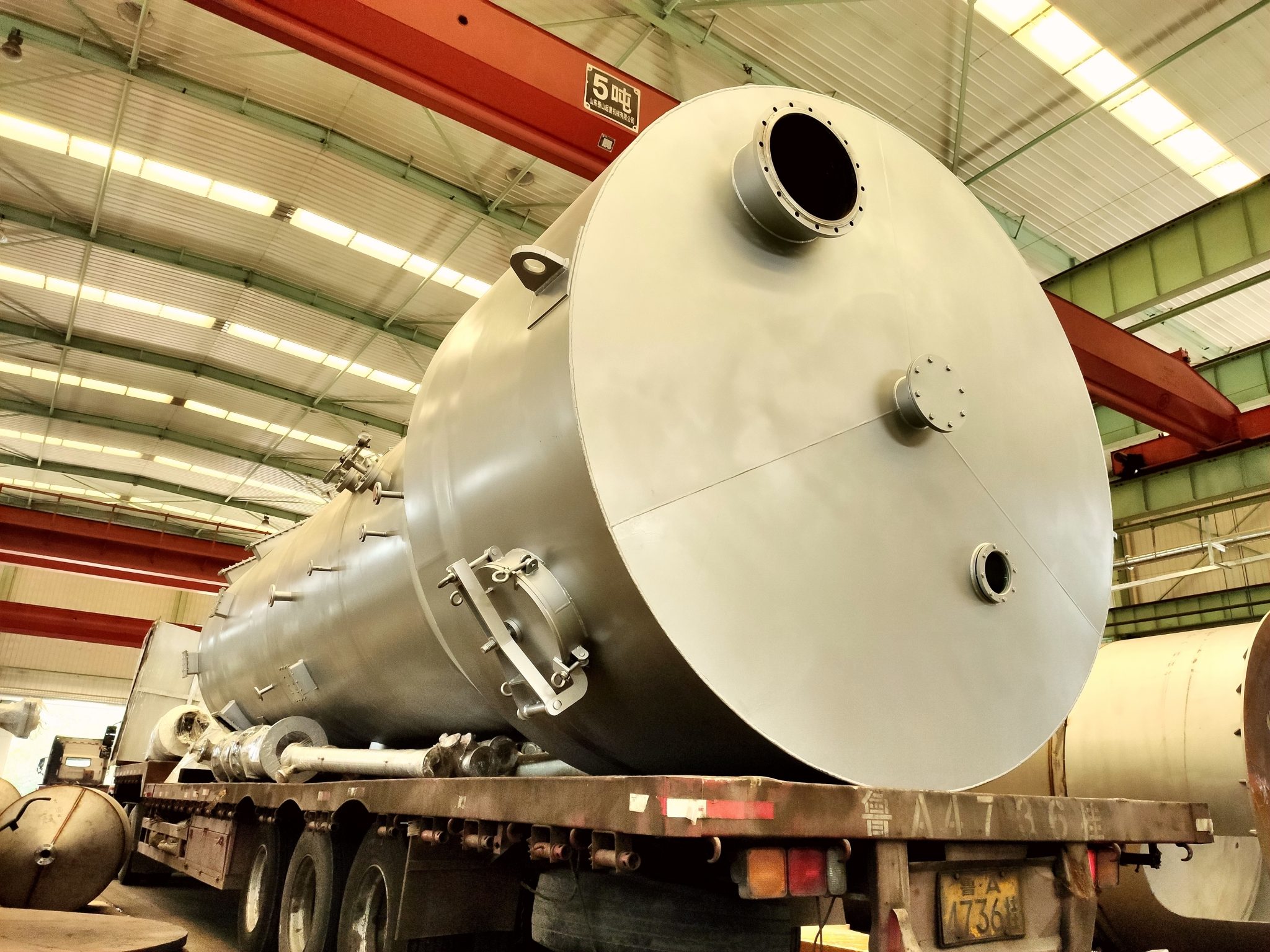
CHEMSTA’s turnkey model covers site survey, engineering design, equipment quality control, commissioning, onsite training, and ongoing technical support—all tailored to facility size and product goals.
Benefits of choosing a peanut protein turn‑key project
| Benefit | Description |
|---|---|
| Faster commercialization timeline | Integrated engineering and procurement reduce lead time by 30–40% versus modular sourcing. |
| Consistent product quality | Sampling tests confirm protein, moisture, color, and microbiological parameters at each stage. |
| Lower implementation risk | Single vendor oversees equipment, controls, and startup—streamlining responsibility. |
| Yield and efficiency improvements | Pilot-scale workflows demonstrate protein yields around 60–65% from defatted meal. |
| Complete operator training and support | Onsite training and first-year technical advisory are included. |
In a 2023 Industry Operations survey, protein plants delivered turnkey outperformed retrofitted systems with 12% higher extraction rates and 25% less production downtime.

Project execution workflow for a peanut protein turn‑key project
This is how CHEMSTA proceeds from concept to production:
Site evaluation and project scoping: Raw peanut specs, facility utilities, product goals, and ROI analysis
Process design and engineering: Flow diagrams, equipment sizing (press, mixer, centrifuge, dryer) based on capacity
Procurement and quality control: Food‑grade materials, factory acceptance testing, and mechanical inspections
Installation and startup: Mechanical installation, piping, electrical, PLC/SCADA, and trial runs with real raw material
Validation and optimization: Adjust extraction parameters, moisture settings, and final QC results
Training and handover: Operators trained on maintenance, safety protocols, cleaning-in-place, and troubleshooting
This stepwise approach ensures your system meets specifications on day one.
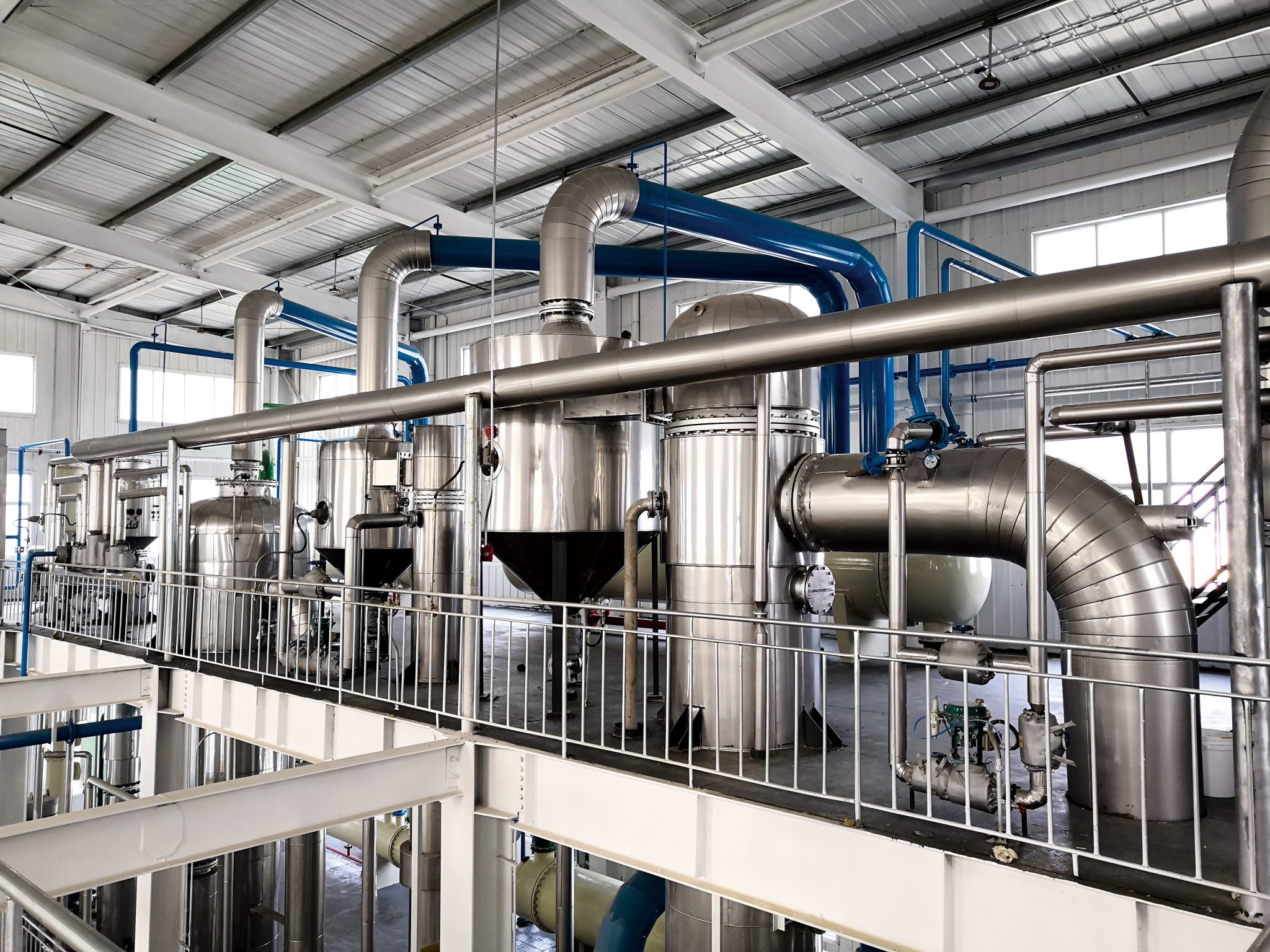
Typical peanut protein turn‑key project line layout
- Peanut intake and pre-cleaning
- Shelling and kernel removal
- Oil extraction (press or solvent)
- Defatted meal milling and conditioning
- Protein extraction and clarification
- Concentration and diafiltration
- Spray drying to final protein powder
- Residue recovery and solvent recycling
- Utility systems setup: steam, air, boiler, wastewater
- SCADA and recipe control system integration
All modules are designed to factory models and optimized for onsite installation.

Operational metrics and financial figures in real projects
According to the 2023 Protein Processing Economics Report, a typical peanut protein project processing 10 tons/day achieved the following:
- CAPEX as low as 35% of modular build cost
- Protein isolate yield around 62% based on defatted meal
- Energy consumption under 400 kWh per ton, including drying and solvent recovery
- Financial payback within 18 months under stable market conditions
CHEMSTA’s clients consistently meet or exceed these performance benchmarks.
Practical site considerations before installing a peanut protein turn‑key project
To ensure seamless installation, consider:
- Floor space and vertical clearance for spray dryers and exhaust towers
- Utilities: steam generation, cooling water circulation, compressed air, electrical supply
- Material logistics: raw peanut handling, defatted meal storage, finished protein silos
- Safety systems: solvent handling, dust control, spill containment
- Wastewater and residue valorization capacity (animal feed or oil recovery pipelines)
A detailed pre-installation audit helps avoid delays and ensures fast ramp-up.
Ensuring quality and regulatory compliance
Products from a peanut protein turn‑key project must meet strict quality specifications:
- Protein content (e.g. ≥70–85% dry basis for isolate)
- Moisture under 5%
- Microbiological safety (total viable count, absence of pathogens like Salmonella or aflatoxin)
- Allergen labeling and traceability
- Solvent residue limits (<50 ppm if alcohol extraction is used)
CHEMSTA integrates both inline sensors (moisture, conductivity) and offline lab analysis to maintain compliance and consistency.
Future flexibility and scalability in peanut protein turnkey plant
CHEMSTA designs systems to evolve: you can scale capacity, retrofit additional extraction modules (e.g. bean blend lines), add invert sugar removal stages, or upgrade CIP and data control—all without major rework to the core plant.
Conclusion
Choosing a peanut protein turn‑key project means choosing speed, quality, and operational confidence. With nearly five decades of expertise in protein and oil processing engineering, CHEMSTA ensures your facility delivers premium protein yields and smooth operation.
If you’re planning to start production in isolate, concentrate, or textured protein, this turnkey approach gives you reliability from day one. Fast start, proven process, expert support—all managed under one roof.
Contact us today to explore custom turnkey proposals, capacity advice, or site engineering assessments to take your peanut protein operation forward.
FAQ
What capacities are supported in a peanut protein turn‑key project?
CHEMSTA offers solutions starting at 2 tons/day and scalable above 50 tons/day with modular expansion options.
How long does commissioning take?
Typical timeframe is 6–8 weeks—including installation, trial runs, and operator training.
Can the plant utilize both mechanical pressing and solvent extraction?
Yes—plants can be configured for cold pressing, ethanol extraction, or a hybrid approach based on product specs.
What warranty and support options are offered?
Standard projects include a 12-month equipment warranty and basic technical support. Extended maintenance plans are available.
Is allergen-safe processing available?
Yes—all equipment components are designed for food-grade and allergen-compliant operations, including cleaning protocols.