Edible Oil Extraction Plant: Layout Design from the Perspective of an Edible Oil Equipment Manufacturer

Designing the layout of an edible oil extraction plant is a crucial step that determines the plant’s efficiency, operational effectiveness, and scalability. From an edible oil equipment manufacturer’s perspective, it’s essential to consider every aspect of plant layout, from raw material handling to finished product packaging, ensuring smooth workflows, safety compliance, and minimal downtime. This article will guide you through the important factors in creating an efficient plant layout and how a well-structured design enhances your edible oil production.
Table of Contents
Defining the Plant’s Objectives and Positioning
Before diving into the technical aspects of layout design, it’s crucial to clearly define the plant’s objectives. Understanding the scale of production, target market, product variety, and operational goals will influence every aspect of the design.
Key Considerations:
- Production Capacity: Whether your goal is to produce small quantities of premium oil or large volumes of commodity-grade oil, this will dictate the scale and complexity of the layout.
- Product Types: The extraction process and layout requirements for producing edible oils like sunflower oil, soybean oil, or palm oil can vary, depending on the specific equipment needed.
- Quality Standards: If your target market demands high-quality oil, you will need specialized equipment for refining and quality control, which must be integrated into the plant’s layout.
- Environmental Sustainability: Sustainability goals, such as waste management and energy recovery, should also be factored into the design from the start.
Clearly defined objectives help in choosing the right equipment, refining processes, and plant design that will allow you to achieve operational efficiency and cost-effectiveness while meeting market demands.
Standard Functional Area Planning for an Edible Oil Extraction Plant
A successful edible oil extraction plant layout requires careful planning of functional zones within the factory. Each area must be designed for a specific purpose, with careful attention to workflow efficiency and safety compliance. Standard functional areas typically include raw material reception, oil extraction, refining, packaging, and waste management.
Raw Material Reception and Preprocessing Area
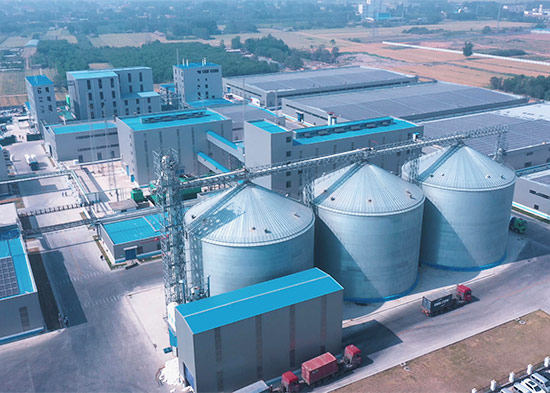
This is where the raw materials, such as seeds, nuts, or fruits, enter the plant. This area must be equipped with storage silos, cleaning units, and conveyors to move raw materials smoothly to the next stages of production.
Oil Extraction Area
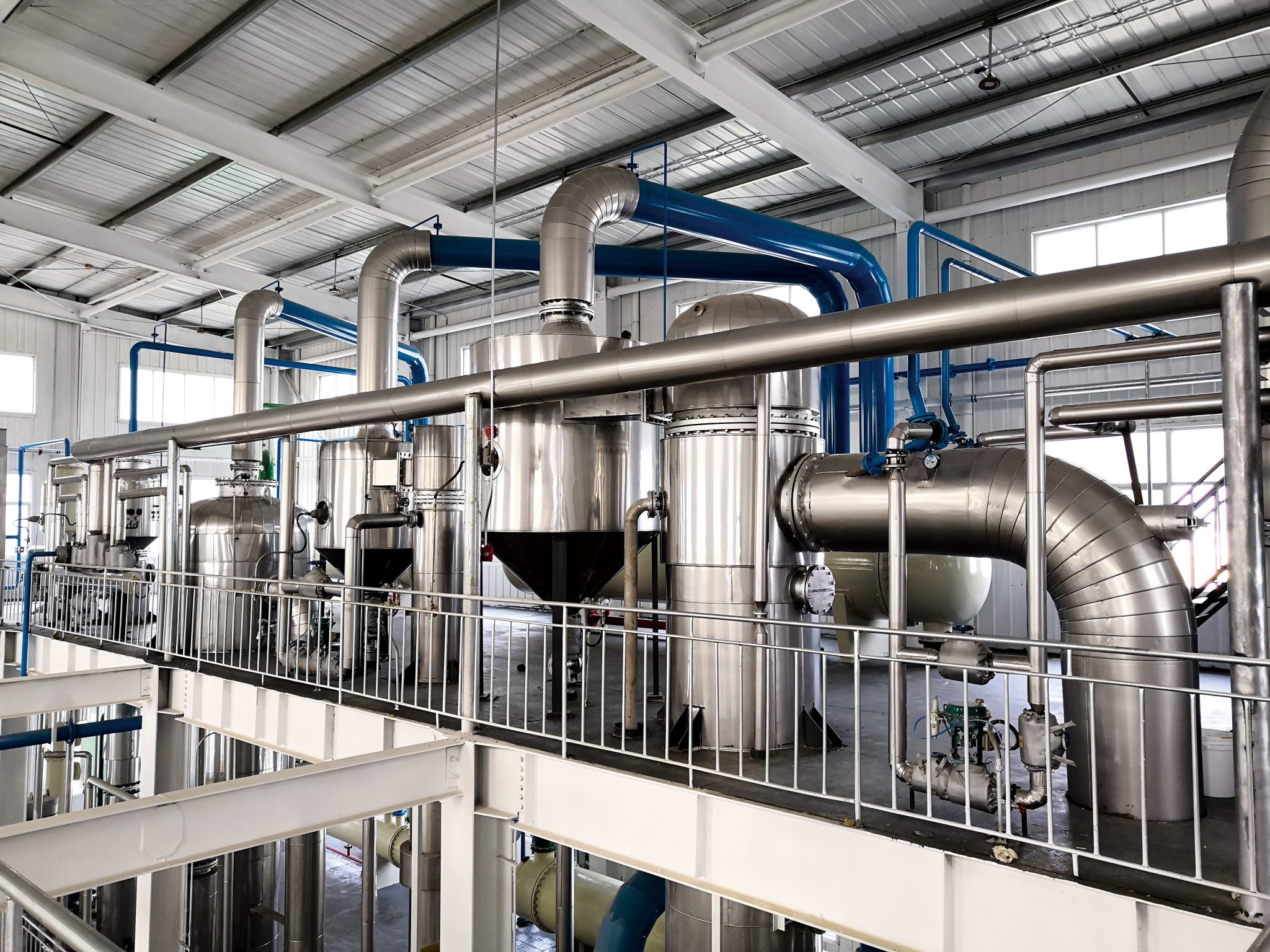
The core of the edible oil extraction process, this area houses mechanical presses (expellers), solvent extraction units, or both. The design should ensure that the oil extraction process is efficient and the equipment is easily accessible for maintenance.
Refining Area
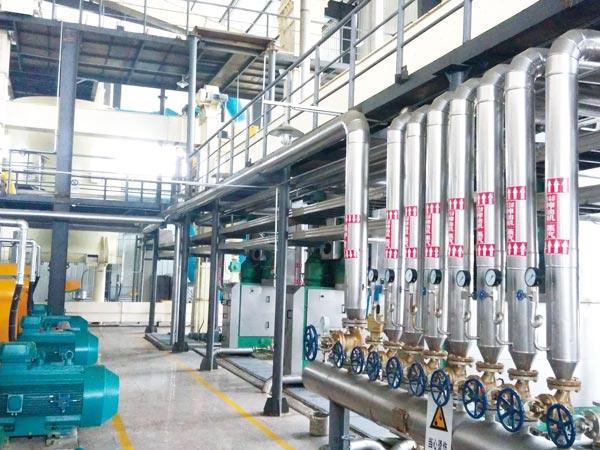
Crude oil must be refined to remove impurities and improve its quality. This area includes degumming, neutralizing, decolorizing, and deodorizing units. The layout should minimize the distance between each process step to ensure that oil flows seamlessly from one stage to the next.
Packaging and Storage
After refining, the oil is packaged and stored for distribution. Efficient packaging machinery, labeling systems, and temperature-controlled storage are essential in this area. The layout should allow for smooth packaging workflows and proper storage conditions.
Waste Management Area
This zone is responsible for managing waste products such as oil cakes, spent solvents, and wastewater. The waste management area should include filtration, recycling, and energy recovery systems.
Each of these functional areas should be well integrated, with a layout that minimizes cross-contamination, allows for easy maintenance, and facilitates efficient material handling.
Optimizing Space Utilization in the Edible Oil Extraction Plant Layout
Maximizing space utilization is an important consideration in any plant layout. Space optimization ensures smooth operations while keeping operational costs low. An efficient layout design should ensure that there is adequate space for each functional area while also taking into account future scalability.
Key Space Optimization Techniques:
- Vertical Layouts: In situations where horizontal space is limited, utilizing vertical space by placing equipment on different levels can maximize the available floor area.
- Modular Design: A modular approach allows for future expansions or modifications to the plant without disturbing current operations.
- Compact Equipment Design: Opting for compact, multifunctional equipment can help reduce the amount of space needed, allowing for more efficient use of plant floor space.
- Flow Efficiency: Organize the layout to ensure that raw materials flow in one direction, minimizing the distance traveled by materials and reducing the need for excess space.
Careful planning of space usage can help keep the plant running efficiently and allow for smoother operations, whether the plant is operating at a small, medium, or large scale.
Common Edible Oil Plant Layout Patterns and Examples
Choosing the right layout pattern is essential for optimizing the efficiency and scalability of your plant. Below is a table that compares some common edible oil extraction plant layouts, including their features and best-use cases.
| Layout Type | Description | Best Suited For | Advantages | Disadvantages |
|---|---|---|---|---|
| Linear Layout | Equipment arranged in a straight line following the natural flow of materials from start to finish. | Small to medium-sized plants | Simple to design, easy material handling | May require more space, less flexibility |
| U-Shaped Layout | Equipment arranged in a “U” shape to reduce the distance between stages of production. | Medium to large-scale plants | Efficient space utilization, flexible workflow | May require more capital investment |
| Circular Layout | A circular arrangement where raw material enters the center and oil products move outwards in a radial pattern. | High-volume plants with bulk processing needs | Efficient use of space, compact | High complexity in layout design and equipment |
| Modular Layout | The plant is divided into modules that can be expanded as needed. | Large plants with future expansion in mind | Flexible and scalable, easy to expand | May require higher initial investment and planning |
This table serves as a guideline to help you determine the most suitable layout design for your edible oil extraction plant based on your operational needs.
The Essential Role of Equipment Manufacturers in Plant Layout Design
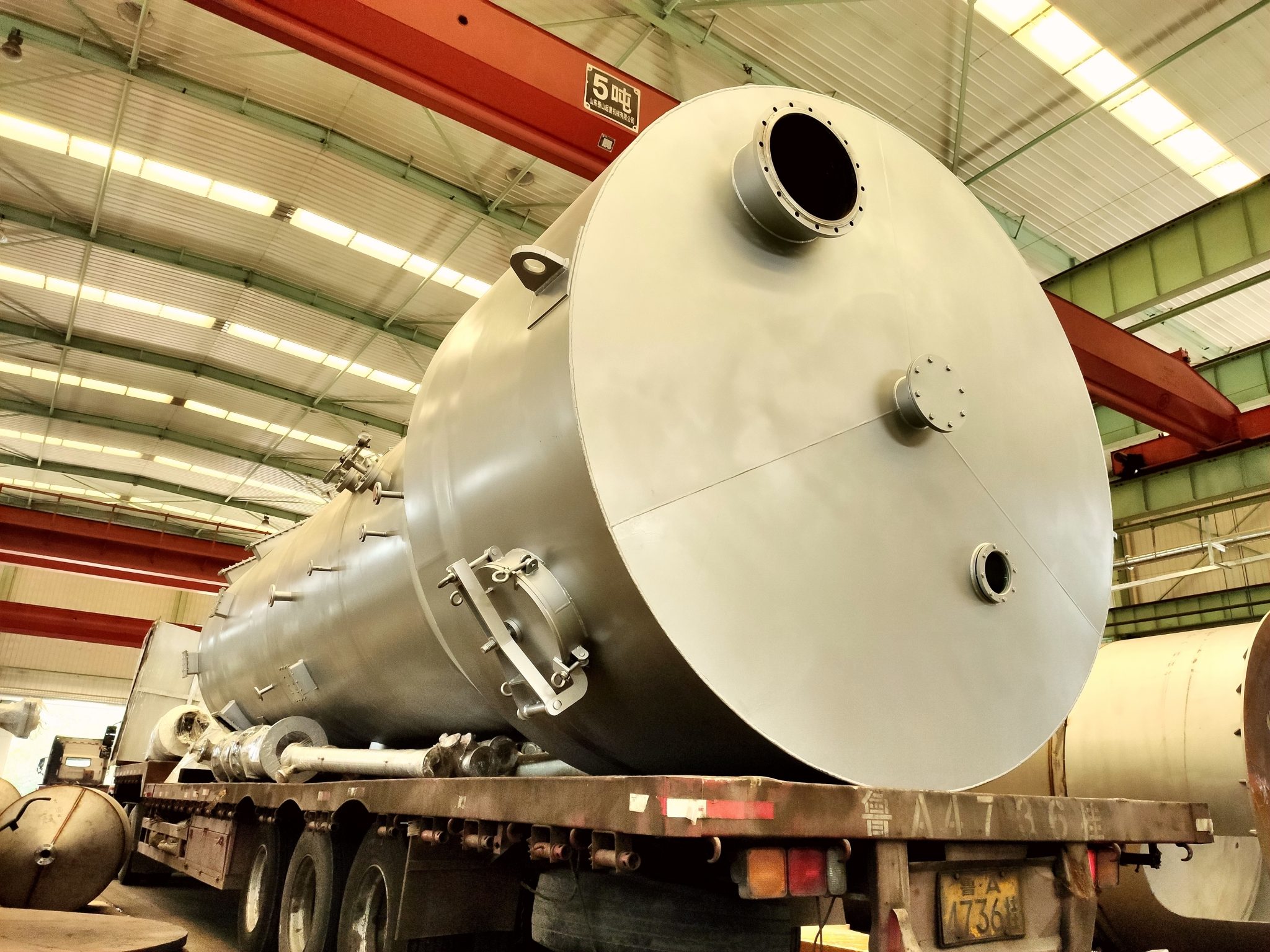
As an edible oil equipment manufacturer, our role is pivotal in ensuring that the plant layout integrates advanced machinery that enhances operational efficiency. Equipment manufacturers bring in-depth knowledge of industry standards and practical expertise, helping to design a layout that not only meets the technical needs of oil extraction but also aligns with safety, maintenance, and productivity goals.
What Equipment Manufacturers Contribute:
- Customized Equipment Solutions: Based on your plant’s goals, equipment manufacturers can suggest the most suitable machinery and automation systems that enhance extraction efficiency, oil yield, and product quality.
- Expertise in Flow Design: Manufacturers can advise on the optimal flow of materials and placement of equipment, ensuring that all stages of production are effectively coordinated.
- Energy Efficiency: By recommending energy-efficient systems and machines, manufacturers help reduce operational costs while meeting sustainability targets.
- Safety and Compliance: Manufacturers are well-versed in safety standards, ensuring that all equipment is compliant with industry regulations and that safety zones are incorporated into the layout.
By collaborating with experienced equipment manufacturers, plant operators can ensure that their factory layout is optimized for both short-term efficiency and long-term sustainability.
Conclusion
Designing the layout of an edible oil extraction plant is a multifaceted process that requires careful attention to detail and a deep understanding of operational goals. By clearly defining the plant’s objectives, planning functional areas strategically, optimizing space usage, and working closely with equipment manufacturers, you can create an efficient, sustainable, and scalable plant layout.
An efficient edible oil extraction plant layout enhances production, reduces operational costs, and ensures that your plant can handle future growth. At CHEMSTA, we specialize in designing and providing top-quality equipment that seamlessly integrates into your plant’s layout. With decades of experience and expertise in edible oil processing, we are your trusted partner for optimizing your plant layout.
If you’re planning to design or upgrade your edible oil extraction plant, contact us today to learn more about how we can help.