Peanut Oil Making Machine: Extraction Methods and Equipment
Peanut oil, also known as groundnut oil, is one of the most widely used oils for cooking, frying, and even in cosmetics and medicine due to its mild flavor, nutritional value, and high smoke point. However, many businesses and consumers often wonder, How is peanut oil made, and What are the processes involved in extracting the oil efficiently? If you’re planning to set up a peanut oil production unit or are curious about the different types of machines used in the extraction process, this comprehensive guide will walk you through the key methods of peanut oil extraction and how you can use different machines to maximize the yield.
In this blog, we will explore the peanut oil extraction process, discuss the various peanut oil making machines available in the market, and provide answers to common questions about the equipment and its functioning.
Table of Contents
How Is Peanut Oil Made?

The process of making peanut oil involves a combination of mechanical and chemical processes to extract the oil from the seeds. There are several methods of peanut oil extraction, ranging from manual and traditional methods to more advanced machinery-based methods. Below are the steps involved in making peanut oil:
- Cleaning: The first step in the oil extraction process is cleaning the peanuts to remove any foreign materials, dirt, or stones. This ensures that the oil produced is of high quality and free from impurities.
- Shelling: The peanuts are then dehulled to separate the kernels from the shells. This step is crucial as the shells can interfere with the oil extraction process and reduce the efficiency of oil yield.
- Cracking: The kernels are cracked into smaller pieces to increase the surface area and facilitate the extraction process.
- Cooking: The kernels are cooked to soften them, which makes it easier to extract the oil. This is also the stage where the oil can begin to develop its flavor, depending on whether the oil is intended to be refined or left unrefined.
- Pressing: This is the most important step in the peanut oil extraction process. The peanuts are subjected to mechanical pressing or oil expelling. The goal is to extract as much oil as possible from the peanuts.
- Filtering: After extraction, the oil may contain some solid particles and impurities. These are removed through filtering or using a refining process.
- Refining: If the extracted oil is crude, it goes through a refining process to remove any remaining impurities and to improve the taste, color, and shelf life of the oil.
Peanut Oil Extraction Process in Detail:
| Step | Description | Equipment Used |
|---|---|---|
| Cleaning | Removal of impurities from peanuts | Cleaning machine |
| Shelling | Separation of peanut kernels from shells | Shelling machine |
| Cooking | Softening of kernels to facilitate oil extraction | Cooking machine |
| Pressing | Extraction of oil from kernels | Screw press, hydraulic press |
| Filtering | Removal of solid particles from extracted oil | Filter press |
| Refining | Purification of crude oil to improve quality | Refining equipment |
Types of Peanut Oil Making Machines
Several machines are used in the extraction of peanut oil, each suited for different scales of production. Depending on the size of the operation and the desired quality of the oil, you can choose between manual, mechanical, or automated machines. Here’s a breakdown of the common peanut oil-making machines:
1. Screw Press Machines
Screw press machines are widely used for extracting peanut oil on a medium scale. The process involves feeding the peanuts into a chamber where a screw expeller presses the peanuts to extract oil. The mechanical pressure exerted by the screw ensures that oil is efficiently squeezed out of the kernels. This method is ideal for small to medium-sized operations and is known for its relatively simple operation and maintenance.
2. Hydraulic Press Machines
Hydraulic press machines use hydraulic pressure to extract oil from peanuts. The peanuts are placed in a pressing chamber, and high-pressure hydraulic force is applied to the oilseeds. This method is more suitable for small-scale oil extraction, as it results in higher-quality oil due to minimal heat exposure. However, hydraulic presses tend to have a slower production rate compared to screw presses.
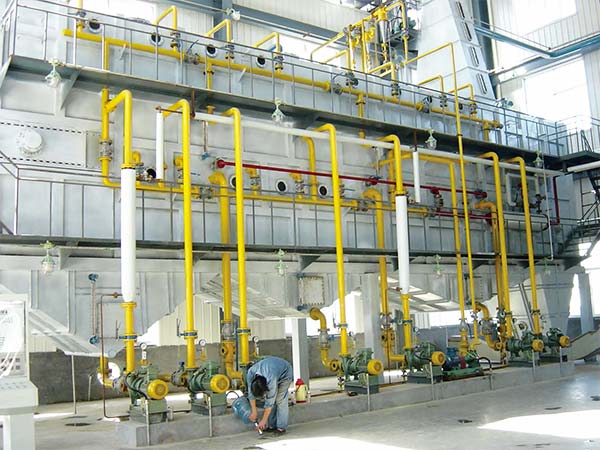
3. Solvent Extraction Machines
For larger-scale operations, solvent extraction machines are commonly used. In this method, a solvent such as hexane is used to dissolve and extract oil from the peanuts. The solvent is then evaporated, leaving behind pure peanut oil. This method is ideal for extracting oil from seeds with low oil content, but it requires a more complex setup and higher operating costs. Solvent extraction is typically used for large-scale commercial production where high yields are essential.
4. Cold Press Machines
Cold pressing involves extracting oil without applying heat, preserving the oil’s natural nutrients and flavor. This method is perfect for producing unrefined peanut oil, which retains its natural antioxidants and vitamins. Cold-press machines are ideal for small batches or premium oil production where quality is prioritized over quantity.
How to Choose the Right Peanut Oil Making Machine
When selecting a peanut oil making machine, several factors need to be considered:
- Production Scale: Determine whether you need a small-scale or large-scale operation. If you’re planning for large volumes, solvent extraction might be the best option, while a screw press or hydraulic press would suit small to medium-scale production.
- Quality Requirements: If you’re looking to produce premium unrefined peanut oil, cold press machines are ideal. However, if you’re focusing on refined oil, a screw press or solvent extraction machine will work better.
- Budget: Hydraulic presses and cold press machines are generally more expensive due to their higher-quality output and slower processing time. On the other hand, screw presses are more affordable and suitable for medium-scale operations.
Conclusion
Peanut oil is a valuable commodity with a wide range of uses, from cooking to cosmetics and pharmaceuticals. The process of making peanut oil can be optimized through the use of high-quality machines such as screw presses, hydraulic presses, and cold press machines. By choosing the right equipment for your production scale and oil quality needs, you can maximize your yield and produce high-quality peanut oil.
If you are considering investing in a peanut oil making machine or setting up an oil extraction plant, it’s important to understand the different machines and processes involved. With the right equipment and a solid understanding of the process, you can produce top-quality peanut oil efficiently.
FAQ
What is the difference between cold pressing and hot pressing?
Cold pressing involves extracting oil without applying heat, preserving the oil’s natural nutrients and flavor. Hot pressing involves heating the peanuts before extraction, which can increase oil yield but may reduce the nutritional quality of the oil.
How do I choose the right peanut oil making machine?
Consider factors such as the scale of production, desired oil quality, and budget. For small-scale production, a screw press or hydraulic press machine may be suitable. For larger-scale production, a solvent extraction machine may be more appropriate.
Is peanut oil suitable for all cooking methods?
Yes, peanut oil has a high smoke point, making it suitable for various cooking methods, including frying, sautéing, and baking.
How can I ensure the quality of the extracted peanut oil?
Ensure that the peanuts are fresh and properly cleaned before extraction. Use high-quality equipment and follow the correct extraction process to obtain high-quality oil.