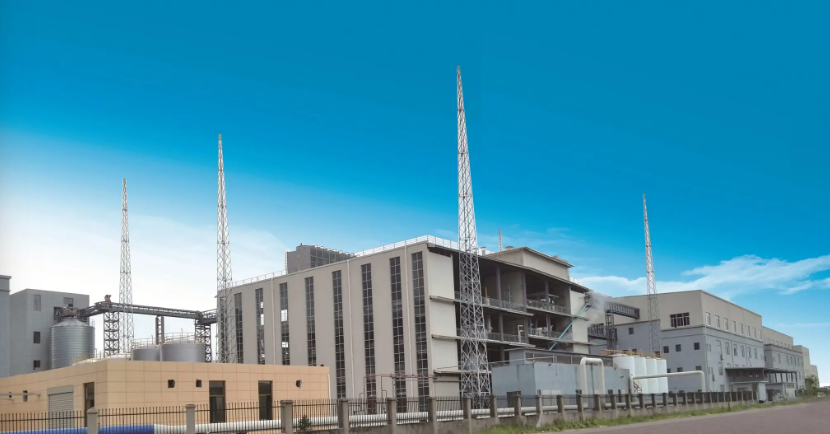
High-Performance Edible Oil Refining Equipment – CHEMSTA

Key Highlights
- Edible oil refining removes impurities, improves taste, color, stability, and shelf life.
- Modern refining equipment integrates degumming, neutralization, bleaching, deodorization, and optional fractionation.
- Automation ensures consistent quality and reduces human error.
- Energy efficiency and waste reduction strategies lower operational costs.
- High-performance refining lines maximize yield, ensure food safety, and enhance market competitiveness.
Table of Contents
Introduction
Refining is a critical step in edible oil production, transforming crude oil into a safe, high-quality product suitable for consumers or industrial applications. Without proper refining, crude oil contains free fatty acids, phospholipids, pigments, and odor-causing compounds, making it unsuitable for consumption and prone to spoilage.
Selecting the right refining technology and equipment is essential for maximizing yield, reducing energy costs, and ensuring compliance with international food safety standards. In this article, we provide a comprehensive guide to edible oil refining, covering equipment, processes, automation, energy efficiency, quality control, and real-world case studies.
Importance of Oil Refining in Edible Oil Production
Refining improves oil quality in multiple ways:
- Impurity Removal: Phospholipids, soaps, pigments, and metals are removed.
- Taste and Aroma Enhancement: Odor-causing volatiles and unwanted flavors are eliminated.
- Stability and Shelf Life: Free fatty acids and oxidation products are minimized.
- Safety Compliance: Refined oils meet ISO, HACCP, and FDA food safety standards.
Proper refining increases product marketability, expands distribution channels, and allows producers to enter international markets.
Common Refining Processes
Edible oil refining involves several sequential steps:
Degumming
Water or acid treatment removes gums and phospholipids. Proper degumming prevents foaming and ensures effective downstream filtration.
Neutralization
Alkali neutralization reduces free fatty acids and prevents rancidity. Soap formed during neutralization is separated using centrifuges.
Bleaching
Bleaching removes pigments, trace metals, and oxidation products using bleaching earth or activated carbon. Color improvement and oxidative stability are achieved in this step.
Deodorization
High-temperature steam under vacuum removes odor and volatile compounds, producing neutral-tasting oil suitable for food applications.
Optional Fractionation
Fractionation separates oil into solid and liquid components, creating specialty products like winterized oil or specialty blends for baking, frying, or cosmetic use.
| Refining Step | Purpose | Typical Equipment | Key Parameters |
|---|---|---|---|
| Degumming | Remove phospholipids | Mixer, Centrifuge | Water/acid ratio, temp 70–80°C |
| Neutralization | Reduce free fatty acids | Neutralizer, Centrifuge | Alkali dosage, temp 80–90°C |
| Bleaching | Remove pigments & metals | Bleaching Tower | Clay dosage, contact time, temp 90–110°C |
| Deodorization | Remove odor & volatiles | Deodorizer | Steam flow, vacuum, temp 200–250°C |
| Fractionation | Produce specialty oils | Fractionation Tank | Cooling rate, crystallization time |
Equipment Types for Oil Refining
Modern refining equipment focuses on efficiency, durability, and automation:
- Degumming Equipment: Continuous mixers and centrifuges for uniform gum removal.
- Neutralization Systems: High-efficiency neutralizers with precise alkali dosing.
- Bleaching Towers: Batch or continuous systems with temperature and contact-time control.
- Deodorizers: Multi-stage vacuum steam systems with precise temperature and vacuum monitoring.
- Fractionation Systems: Temperature-controlled crystallizers for specialty oil production.
- Integrated Control Systems: Monitors all refining stages to maintain quality and efficiency.
Proper selection of equipment ensures minimal oil loss, high throughput, and consistent product quality.
Process Optimization for Maximum Oil Quality
Optimizing refining parameters improves yield and product quality:
- Degumming: Maintain proper water/acid ratio and mixing time to remove phospholipids efficiently.
- Neutralization: Control alkali dosage, reaction temperature, and residence time to prevent oil losses.
- Bleaching: Adjust clay dosage and temperature according to oil type for optimal pigment removal.
- Deodorization: Fine-tune steam flow, vacuum, and temperature to remove volatile compounds without affecting oil quality.
Automation and real-time monitoring make these adjustments easier, ensuring stable and repeatable results.
Energy Efficiency and Waste Reduction
Refining can consume significant energy, particularly in bleaching and deodorization. Energy-saving strategies include:
- Heat recovery from hot oil streams and vacuum condensers.
- Efficient insulation of tanks and pipes.
- Optimized steam usage and vacuum pressure in deodorizers.
- Recycling bleaching earth and by-products where possible.
Implementing energy efficiency measures reduces operating costs and environmental impact.
Automation and Digital Control
Automation enhances consistency, efficiency, and safety:
- Sensors monitor temperature, flow, chemical dosing, and pressure in real time.
- Digital dashboards track KPIs and alert operators to deviations.
- Automatic adjustments reduce human error and maintain consistent oil quality.
- Remote control capabilities allow centralized supervision of multiple refining lines.
Automation also supports preventive maintenance, alerting operators before issues cause downtime.
Quality Control and Food Safety Compliance
Maintaining high-quality output requires rigorous quality control:
- Testing for free fatty acids, moisture, peroxide value, and impurities.
- Batch tracking and traceability systems for audit compliance.
- Preventive maintenance to avoid contamination or equipment failure.
- Compliance with ISO 22000, HACCP, and FDA standards for edible oil.
High-quality refining equipment combined with strong QC practices ensures safe, reliable oil for the market.
Case Studies of High-Performance Refining Lines
Case Study 1: Soybean Oil Refinery
- Capacity: 50 tons/day
- Free fatty acid reduction: 0.05%
- Oil loss: <0.5%
- Energy savings: 15% with heat recovery system
- Automation: Real-time degumming and bleaching adjustment
- ROI achieved within 18 months
Case Study 2: Sunflower Oil Refinery
- Capacity: 30 tons/day
- Deodorization efficiency: 99% removal of volatiles
- Oil quality: Light color, neutral taste, long shelf life
- Operational uptime: 98% over 12 months
- Energy-efficient design reduced steam consumption by 12%
These examples highlight how modern refining technology improves both quality and profitability.

Advantages of Investing in Advanced Edible Oil Refining Equipment
- Consistent high-quality oil with low impurities
- Reduced energy consumption and operational costs
- Automation minimizes human error and downtime
- Integration with production lines for seamless operation
- Supports production of specialty oils and value-added products
- Enables compliance with international food safety standards
Conclusion
Edible oil refining transforms crude oil into a safe, high-quality, and marketable product. By investing in modern, high-performance refining equipment, optimizing processes, and incorporating automation, processors can maximize yield, reduce energy costs, and maintain consistent quality. A well-designed refining line not only improves profitability but also ensures sustainability, compliance, and long-term operational reliability.
FAQ
What is edible oil refining?
A process to remove impurities, improve color, taste, and stability, and make crude oil safe for consumption.
Which refining steps are essential?
Degumming, neutralization, bleaching, deodorization, and optional fractionation for specialty oils.
Can refining equipment be automated?
Yes, sensors and digital control allow real-time monitoring and adjustment, ensuring consistent quality.
How can energy consumption be minimized?
Heat recovery, optimized steam and vacuum usage, and process optimization.
What standards should refined oil meet?
ISO 22000, HACCP, and FDA food safety regulations.
Need Help Choosing the Right Oil Refining Equipment?
If you’re unsure which edible oil refining system is best for your production line, our experts are here to help. Contact us today for a personalized consultation, and ensure your refining line delivers maximum efficiency, consistent quality, and compliance with international food safety standards. Don’t wait to optimize your production—get in touch now to secure a high-performance, reliable oil refining solution!