Soybean White Flake Production Line: Process, Equipment, and Turnkey Solutions
Table of Contents
What Is a Soybean White Flake Production Line?
A soybean white flake production line is a processing system designed to convert cleaned and dehulled soybeans into thin, uniform flakes suitable for oil extraction, protein concentrate production, or direct food applications. The process focuses on low-temperature processing to preserve protein quality, minimize denaturation, and maintain high nutritional value.
Soybean white flakes are widely used as raw materials for:
- Soybean oil extraction
- Soy protein concentrate (SPC) production
- Animal feed or aquafeed
- Texturized soy protein and meat alternatives
A complete production line can be delivered as a turnkey project, including cleaning, dehulling, flaking, drying, and packing systems.
Why Invest in a Soybean White Flake Production Line?
Investing in a dedicated production line provides several advantages:
- Consistent flake thickness and quality
- Optimized protein retention
- Efficient downstream oil extraction
- Reduced energy consumption through integrated design
- Compliance with food safety standards
Low-temperature processing ensures that both oil and protein remain functional for food and industrial applications.
What Are the Main Raw Materials?
The main raw material is high-quality soybeans. Selection criteria include:
- Moisture content: 12–14%
- Protein content: ≥38%
- Low levels of foreign matter and damaged beans
- Non-GMO or certified seeds for specialty markets
Other legumes can sometimes be processed using the same flaking technology, but soybeans remain the primary input.
What Is the Typical Process Flow?
The production line generally consists of the following steps:
- Cleaning and dehulling – removes impurities, dust, stones, and soybean hulls
- Conditioning – adjusts moisture content and softens beans for flaking
- Flaking – produces thin, uniform soybean flakes
- Drying – reduces moisture to prevent spoilage and maintain protein quality
- Packing and storage – controlled environment for downstream processing
Technical Parameters of a Typical Soybean White Flake Line
| Process Stage | Parameter | Purpose |
|---|---|---|
| Cleaning & Dehulling | Efficiency ≥ 98% | Remove impurities and hulls |
| Conditioning | Moisture 14–16% | Ensure optimal flaking |
| Flaking | Thickness 0.25–0.35 mm | Maximize oil extraction and protein retention |
| Drying | Moisture 6–8% | Preserve protein and prevent spoilage |
| Packing | Sealed storage | Maintain quality before extraction |
How Does a Soybean White Flake Line Integrate With Other Processes?
A white flake production line is often the first stage in a soybean processing plant. It can feed directly into:
- Solvent extraction lines for oil production
- Protein concentrate lines for SPC or soy protein isolate
- Animal feed processing
Integration ensures minimal protein loss, stable flake quality, and efficient use of equipment.
What Equipment Is Essential?
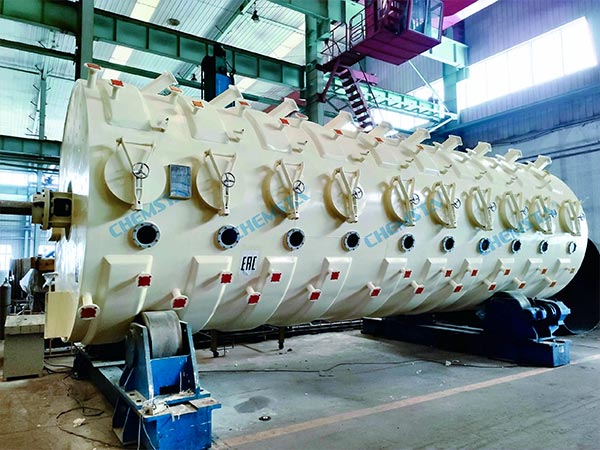
Core equipment includes:
- Cleaning machines – destoners, magnetic separators, vibrating screens
- Dehullers – friction or impact-based
- Conditioners – steam or hot air treatment
- Flakers – roller-based flaking machines
- Dryers – belt or rotary type
- Packing machines – for safe storage and transport
Automation and integrated control systems help maintain uniform moisture content, flake thickness, and product quality.
Typical Capacities
| Line Capacity | Output per hour | Notes |
|---|---|---|
| Small | 1–5 tons | Pilot or small-scale processing |
| Medium | 5–15 tons | Regional production |
| Large | 20–50 tons | Industrial-scale plant |
Capacity affects equipment sizing, energy consumption, and project cost. Selecting the right capacity depends on market demand and downstream processes.
Conclusion
A soybean white flake production line is a strategic investment for processors aiming to produce high-quality flakes for oil extraction, protein production, or feed applications. Turnkey solutions ensure integrated design, efficient operation, and consistent product quality. Investing in a dedicated line enables companies to optimize oil and protein yields, preserve functional properties, and confidently enter both food and industrial markets.
FAQ
- What is the main raw material for soybean white flakes?
High-quality soybeans with ≥38% protein content and low moisture are preferred. - Can the line be adapted for other legumes?
Yes, but soybeans are the primary material, and other legumes require minor adjustments. - What thickness should the flakes have for optimal extraction?
Typically 0.25–0.35 mm, depending on downstream requirements. - Is turnkey delivery recommended?
Yes, turnkey projects ensure integrated equipment, stable operation, and consistent flake quality. - How is protein quality preserved during processing?
By using low-temperature conditioning and drying throughout the process.