CHEMSTA Turnkey Soybean White Flake Production Line: Efficient Processing Solutions
Table of Contents
Overview of CHEMSTA Soybean White Flake Production Line
The CHEMSTA Soybean White Flake Production Line is a fully integrated system that processes raw soybeans into high-quality low-temperature soybean flakes. These flakes are specifically engineered for downstream oil extraction and protein processing. CHEMSTA turnkey solutions provide end-to-end integration from raw material intake to flake storage, ensuring consistent quality, optimized yield, and energy-efficient operation.
This turnkey solution combines cleaning, dehulling, conditioning, flaking, cooling, automation, and control systems in a seamless workflow. By partnering with CHEMSTA, processors can minimize operational risk, shorten project timelines, and achieve optimal flake consistency suitable for industrial-scale production.
Benefits of Using CHEMSTA Turnkey Solutions
Investing in a CHEMSTA Soybean White Flake Production Line offers significant advantages:
- Optimized flake thickness ensures maximum oil recovery and better protein quality
- Low-temperature processing preserves nutritional properties of soybeans
- Automated systems reduce labor costs and improve operational efficiency
- Turnkey delivery includes engineering design, equipment supply, installation, and commissioning
By leveraging CHEMSTA’s experience in turnkey oilseed solutions, operators gain a reliable, fully integrated system with guaranteed performance.
Raw Material Requirements and Preparation
The quality of soybean flakes largely depends on raw material quality and preparation. CHEMSTA turnkey lines require:
- Soybean moisture content: 10–12%
- Protein content: 38–42%
- Soybeans must be clean, free of stones, metal, and other impurities
- Optional non-GMO or certified soybeans for specialty markets
Pre-Processing Steps:
- Cleaning: Removal of dust, stones, metal fragments, and other impurities using advanced cleaning equipment.
- Dehulling: Optional step for high-oil soybeans to increase extraction efficiency.
- Conditioning: Steam treatment softens the beans, allowing uniform flaking without significant protein denaturation.
- Flaking: Precision rolling produces flakes of 0.25–0.35 mm thickness.
- Cooling and Stabilization: Rapid cooling to stabilize moisture and prevent clumping or protein degradation.
Detailed Process Flow and Parameters
| Process Stage | Parameter | Recommended Range | Purpose |
|---|---|---|---|
| Cleaning | Airflow / vibration | Adjustable | Remove stones, dust, metals |
| Dehulling | Speed / pressure | Low-medium | Optimize hull separation without bean breakage |
| Conditioning | Temperature | 80–90°C | Soften beans for flaking while minimizing protein denaturation |
| Flaking | Thickness | 0.25–0.35 mm | Maximize oil recovery |
| Flake Moisture | Final moisture | 8–10% | Prevent mold and preserve protein |
| Cooling | Temperature | ≤30°C | Stabilizes flake quality for storage or extraction |
Key Considerations
- Uniform conditioning prevents overcooking and ensures consistent flake texture.
- Flake thickness must be optimized for downstream oil extraction equipment, whether mechanical pressing or solvent extraction.
- Cooling systems maintain the integrity of the flakes and allow storage without quality loss.
Core Equipment in a CHEMSTA Turnkey Line
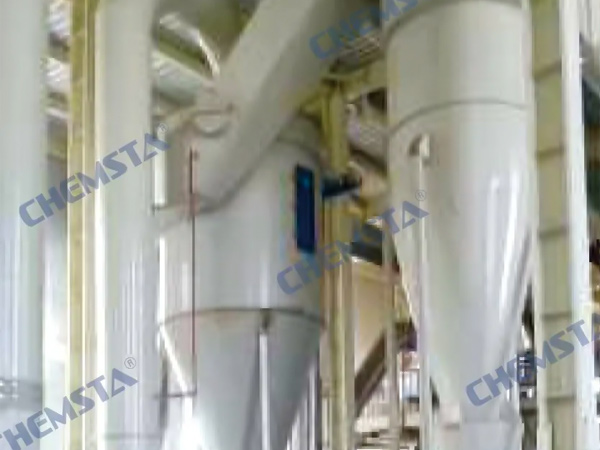
A complete turnkey line includes:
- Soybean cleaner and destoner
- Optional dehuller
- Conditioning unit with controlled steam injection
- Flaking rollers and a synchronized conveyor system
- Cooling unit with forced airflow or water-cooled conveyors
- Central control system with automated monitoring of temperature, moisture, and flake thickness
CHEMSTA ensures that all equipment is factory-tested for performance, durability, and compliance with food safety standards.
Integration With Downstream Oil Extraction and Protein Processing
CHEMSTA soybean white flakes are designed for seamless integration with:
- Solvent extraction plants
- Mechanical oil presses
- Soy protein concentrate or isolate production lines
Proper integration ensures optimized throughput, higher oil recovery rates, and maximum utilization of defatted meal for protein processing.
Example: Flake-to-Protein Conversion Yield
| Raw Material | Flake Output | Protein Concentrate | Oil Yield |
|---|---|---|---|
| 100 tons soybeans | 100 tons flakes | 35 tons protein concentrate | 18–20 tons crude oil |
This table illustrates the efficiency of combining CHEMSTA turnkey flake lines with downstream processing.
Automation and Control Systems
CHEMSTA turnkey solutions feature advanced automation:
- Centralized control monitors temperature, moisture, flake thickness, and throughput
- Real-time alarms for deviations from target parameters
- Data logging for process optimization and regulatory compliance
- Optional remote monitoring for multi-shift operations
Automation reduces operational errors, improves consistency, and enables predictive maintenance planning.
Safety and Compliance
Safety and environmental protection are key features:
- Explosion-proof design for processing sections using heated air or steam
- Dust collection systems minimize airborne particles
- Cooling and ventilation prevent flake overheating
- Compliance with local and international food safety regulations (HACCP, ISO 22000)
Project Delivery and Turnkey Advantages

CHEMSTA turnkey delivery includes:
- Engineering design tailored to your raw material and capacity needs
- Full equipment supply and factory acceptance testing
- On-site installation, commissioning, and operator training
- Long-term support and process optimization
Turnkey projects allow processors to focus on business growth while CHEMSTA handles technical complexity, scheduling, and system integration.
Capacity Options
| Plant Type | Soybean Input per Day | Notes |
|---|---|---|
| Small | 5–10 tons | Pilot plants, research applications |
| Medium | 20–50 tons | Commercial production with moderate throughput |
| Large | 100+ tons | Industrial-scale production for high-volume processors |
Conclusion
A CHEMSTA soybean white flake production line is an essential investment for processors seeking to maximize oil recovery and protein quality. Turnkey solutions from CHEMSTA guarantee smooth integration with downstream extraction plants, minimize operational risk, and deliver consistent high-quality flakes. Choosing CHEMSTA ensures faster commissioning, reliable operation, and optimized production performance.
FAQ
What is the ideal thickness for soybean white flakes?
0.25–0.35 mm for optimal oil extraction and protein retention.
Can CHEMSTA soybean flake production lines be integrated with solvent extraction plants?
Yes, turnkey integration ensures smooth material flow and maximum oil recovery.
Is low-temperature flaking important?
Yes, it preserves protein quality and prevents thermal damage during processing.
What raw materials are suitable for CHEMSTA soybean white flakes?
High-quality soybeans with 10–12% moisture, clean and free from foreign materials.
Can turnkey delivery include automation and cooling systems?
Yes, modern CHEMSTA turnkey solutions include full automation, cooling, and monitoring systems for consistent production.
Need Help Choosing the Right CHEMSTA Turnkey Soybean White Flake Production Line?
If you’re unsure which CHEMSTA turnkey soybean white flake production line is best for your raw materials or oil/protein processing goals, our experts are here to help. Contact us today for a personalized consultation and get a complete turnkey solution designed for efficiency, reliability, and high-quality flake production. Don’t wait—get in touch now to start optimizing your soybean processing operation with CHEMSTA.