How to Start an Edible Oil Production Plant: Cost, Equipment, and ROI
Table of Contents
Why Are More Investors Building Edible Oil Production Plants?
The global demand for vegetable oils continues to grow due to increasing consumption in food processing, household cooking, biofuel production, and industrial applications. Countries across Asia, Africa, and the Middle East are expanding their oil processing capacity to reduce imports and increase domestic value-added production.
For agricultural investors and food processing companies, establishing an edible oil production plant offers a strong opportunity to convert raw oilseeds into high-value finished products. Instead of exporting raw materials such as soybeans, sunflower seeds, or rapeseed, processing them locally allows businesses to capture higher profit margins across the value chain.
In addition, modern edible oil production plants can operate continuously with high levels of automation, reducing labor costs while increasing extraction efficiency. When properly designed, these facilities can process hundreds or even thousands of tons of oilseeds per day, making them highly profitable long-term investments.

What Are the Main Processing Stages in an Edible Oil Production Plant?
A complete edible oil production plant typically includes several integrated processing stages designed to maximize oil recovery while maintaining product quality.
The first stage is raw material preparation. Oilseeds are cleaned, screened, and sometimes dehulled to remove impurities such as stones, dust, and metal fragments. This stage protects downstream equipment and ensures stable processing conditions.
The second stage is oil extraction. Depending on the scale of the plant, oil extraction can be performed using mechanical pressing or solvent extraction technology. Large industrial plants often combine both processes by using pre-pressing followed by solvent extraction to achieve the highest oil recovery rate.
The third stage is crude oil refining. Crude vegetable oil contains impurities such as phospholipids, pigments, free fatty acids, and volatile compounds. Refining processes such as degumming, neutralization, bleaching, and deodorization remove these substances and produce high-quality edible oil suitable for food applications.
The final stage includes oil storage, packaging, and distribution.
What Equipment Is Required for an Edible Oil Production Plant?
The performance of an edible oil production plant depends heavily on the quality and integration of its processing equipment. Modern plants are designed to ensure continuous operation and efficient material flow.
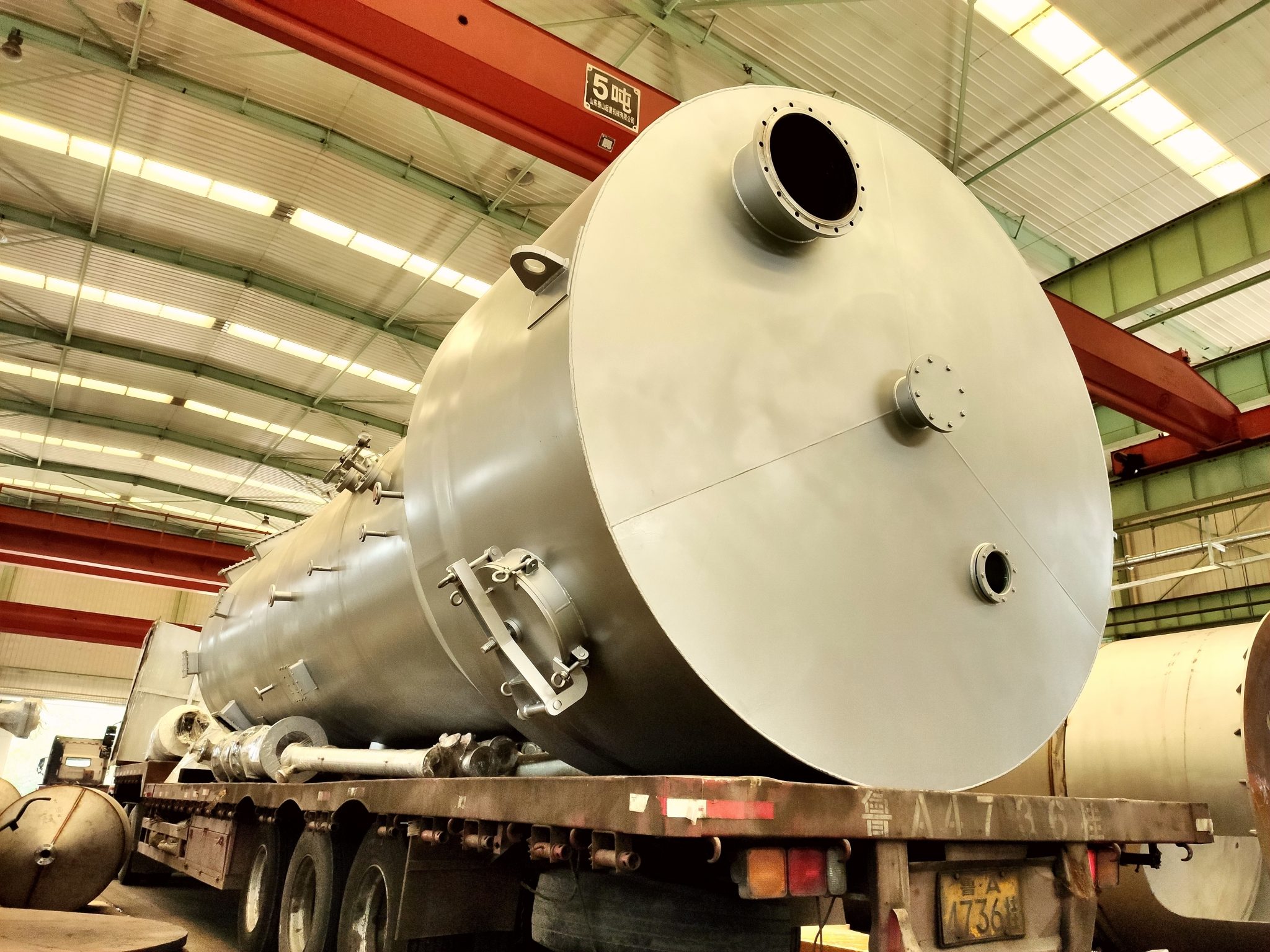
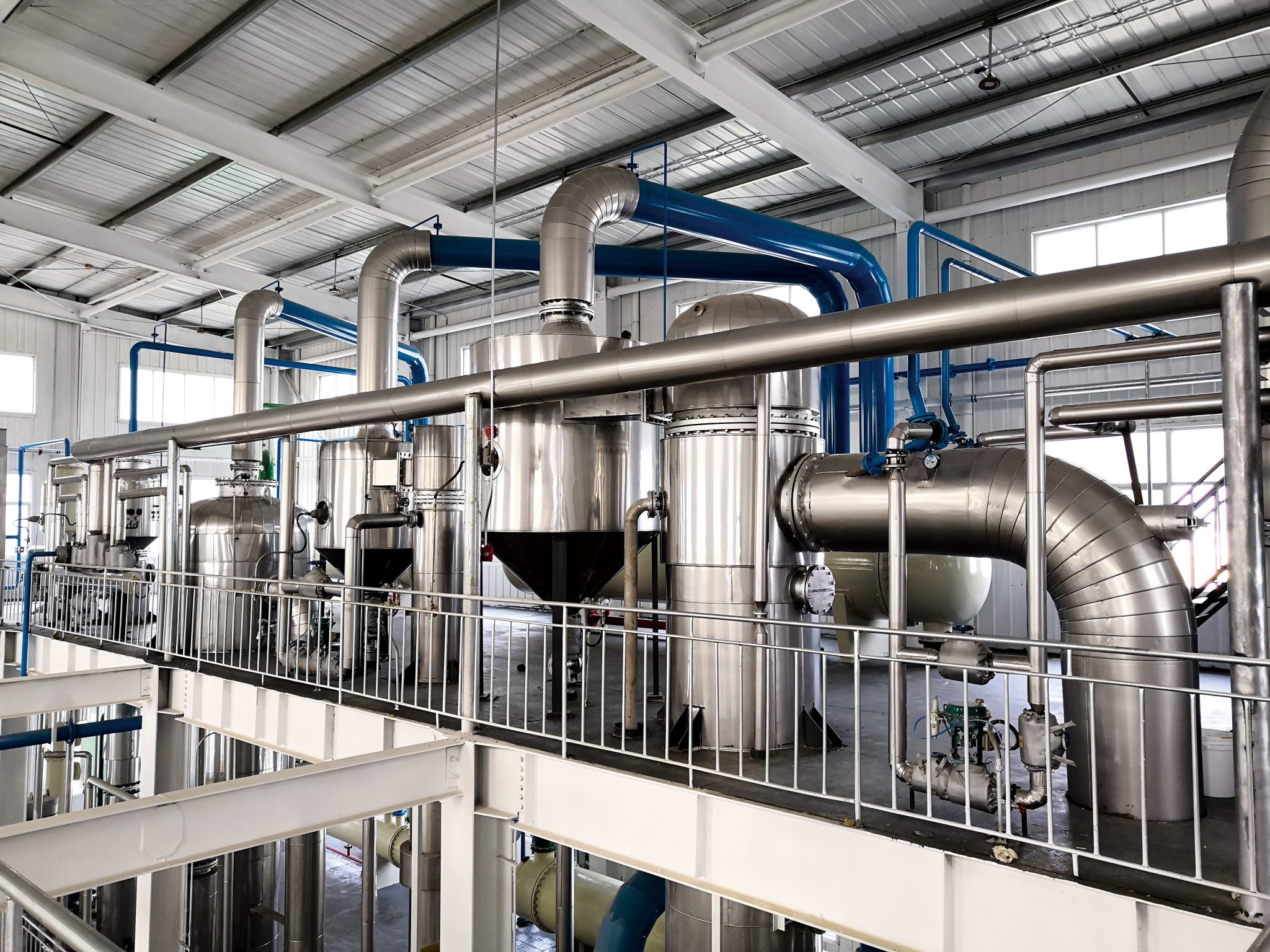
Key equipment typically includes seed cleaning machines, cracking mills, flaking machines, cooking systems, screw presses, solvent extractors, evaporators, desolventizing systems, and refining units.
Additional auxiliary systems include boilers, cooling systems, storage tanks, automated control systems, and packaging lines.
A well-designed equipment configuration allows the plant to operate with minimal downtime while maintaining consistent oil yield and quality.
What Is the Typical Investment Cost of an Edible Oil Production Plant?
Investment costs vary significantly depending on plant capacity, equipment configuration, automation level, and infrastructure requirements. Small regional plants require lower investment but have limited production capacity, while large industrial plants demand higher capital investment but benefit from economies of scale.
The following table shows typical investment ranges for different production capacities.
| Plant Capacity | Daily Processing |
|---|---|
| Small-scale plant | 20–50 tons/day |
| Medium industrial plant | 100–300 tons/day |
| Large industrial plant | 500–1000 tons/day |
| Mega processing complex | 1000+ tons/day |
Actual investment costs also depend on construction expenses, local labor costs, and infrastructure development.
How Profitable Is an Edible Oil Production Plant?
Profitability in edible oil production largely depends on oil yield, raw material cost, processing efficiency, and market price of finished oil.
Modern edible oil production plants can achieve oil extraction efficiencies above 98% when combining pre-pressing and solvent extraction technologies. This high recovery rate significantly improves overall profitability.
In addition to crude or refined oil, by-products such as oilseed meal also generate additional revenue streams. Soybean meal, for example, is widely used in animal feed and represents an important secondary product.
Efficient plant design, optimized energy usage, and automated process control further reduce operating costs and improve profit margins.
Which Oilseeds Can Be Processed in an Edible Oil Production Plant?
Modern edible oil production plants are highly flexible and can process a wide range of oil-bearing materials.
Common oilseeds include soybeans, sunflower seeds, rapeseed, peanuts, cottonseed, corn germ, and palm kernel. Many plants are designed with adaptable processing systems that allow operators to switch between different raw materials depending on market conditions and seasonal supply.
This flexibility enables producers to maintain stable production even when certain oilseed supplies fluctuate.
Why Is Solvent Extraction Important for Large-Scale Oil Processing?
Solvent extraction is widely recognized as the most efficient method for recovering oil from oilseeds, particularly in large-scale industrial plants.
In this process, oil is dissolved from prepared seed flakes or pre-pressed cake using a food-grade solvent. The solvent-oil mixture is then separated and distilled to recover pure oil while the solvent is recycled within the system.
Compared with mechanical pressing alone, continuous solvent extraction offers several important advantages including higher oil yield, reduced labor requirements, and improved production stability.
For large edible oil production plants, solvent extraction technology has become an essential component for achieving maximum economic efficiency.

How Does Automation Improve Production Efficiency?
Automation plays a critical role in modern edible oil processing facilities. Digital control systems continuously monitor key operational parameters such as temperature, pressure, flow rates, and solvent concentration.
These systems allow operators to maintain optimal processing conditions and quickly respond to any deviations in production parameters.
Automation also reduces manual intervention, minimizes human error, and enhances plant safety. As a result, automated edible oil production plants can achieve higher operational efficiency and more consistent product quality.
What Factors Affect the Efficiency of an Edible Oil Production Plant?
Several technical and operational factors influence the performance and efficiency of edible oil processing facilities.
Raw material quality is one of the most important factors. Oil content, moisture level, and impurity concentration all affect extraction efficiency and equipment performance.
Equipment condition also plays a major role. Regular maintenance of screw presses, extractors, pumps, and heat exchangers ensures stable production and prevents unexpected downtime.
Process optimization is another key factor. Proper control of temperature, pressure, and residence time helps maximize oil recovery while maintaining product quality.
Finally, well-trained operators and effective plant management contribute significantly to overall production efficiency.
How Long Does It Take to Build an Edible Oil Production Plant?
The construction timeline for an edible oil production plant varies depending on plant capacity and project complexity.
Small plants may be completed within several months, while large industrial projects may require 12 to 18 months from initial design to full commissioning.
A typical project timeline includes feasibility studies, engineering design, equipment manufacturing, installation, commissioning, and operator training.
Working with an experienced engineering partner can significantly reduce project risks and ensure a smooth implementation process.
Conclusion
Building an edible oil production plant is a strategic investment that allows businesses to capture greater value from agricultural resources while meeting the growing global demand for vegetable oils.
With the right combination of modern extraction technology, efficient refining systems, and advanced automation, investors can achieve high oil recovery rates, stable production capacity, and strong long-term profitability.
Careful planning, reliable equipment selection, and professional engineering support are essential factors for the successful development of an edible oil processing project.
Planning to start an edible oil production plant but unsure where to begin?
Our engineering team provides complete turnkey solutions, from process design and equipment manufacturing to installation and commissioning. Contact us today to receive a customized edible oil production plant proposal tailored to your raw materials, capacity requirements, and investment goals. Let our experts help you build a high-efficiency oil processing facility that maximizes yield, reduces operating costs, and delivers long-term profitability.