Vegetable Oil Processing Plant: Complete Guide to Equipment, Process, and Investment
Table of Contents
Introduction
The global demand for vegetable oils continues to rise due to population growth, expanding food industries, and increasing consumption of processed foods. As a result, many investors and agricultural companies are exploring opportunities to establish a vegetable oil processing plant.
A modern vegetable oil processing plant converts oil-bearing seeds into refined edible oils through a series of mechanical and chemical processes. These facilities process various raw materials such as soybeans, sunflower seeds, rapeseed, peanuts, cottonseed, and palm kernels.
Building a successful vegetable oil processing plant requires more than simply purchasing equipment. Investors must carefully consider processing technology, plant capacity, energy efficiency, and long-term operating costs.
Understanding the key components of oil processing systems can help investors design efficient facilities and achieve higher profitability.

What Is a Vegetable Oil Processing Plant?
A vegetable oil processing plant is an industrial facility designed to extract oil from oilseeds and refine it into edible cooking oil or industrial oil products.
The processing system typically includes several major sections, such as raw material preparation, oil extraction, solvent recovery, oil refining, and packaging.
These processes work together to maximize oil recovery while ensuring that the final product meets food safety and quality standards.
Modern vegetable oil processing plants are highly automated and operate continuously, allowing them to process large quantities of oilseeds efficiently.
What Raw Materials Can a Vegetable Oil Processing Plant Handle?
Vegetable oil processing plants are designed to process a wide range of oil-bearing crops. Each type of seed has different oil content and requires slightly different processing conditions.
The most common raw materials used in vegetable oil production are shown below.
| Oilseed | Average Oil Content | Common End Products |
|---|---|---|
| Soybean | 18–20% | Soybean oil, soybean meal |
| Sunflower seed | 35–40% | Sunflower oil |
| Rapeseed | 38–45% | Canola oil |
| Peanut | 45–50% | Peanut oil |
| Cottonseed | 18–22% | Cottonseed oil |
The ability to process multiple oilseeds allows vegetable oil processing plants to remain flexible and adapt to changing market conditions.
What Equipment Is Required in a Vegetable Oil Processing Plant?
A complete vegetable oil processing plant consists of multiple processing sections that work together to produce refined edible oil.
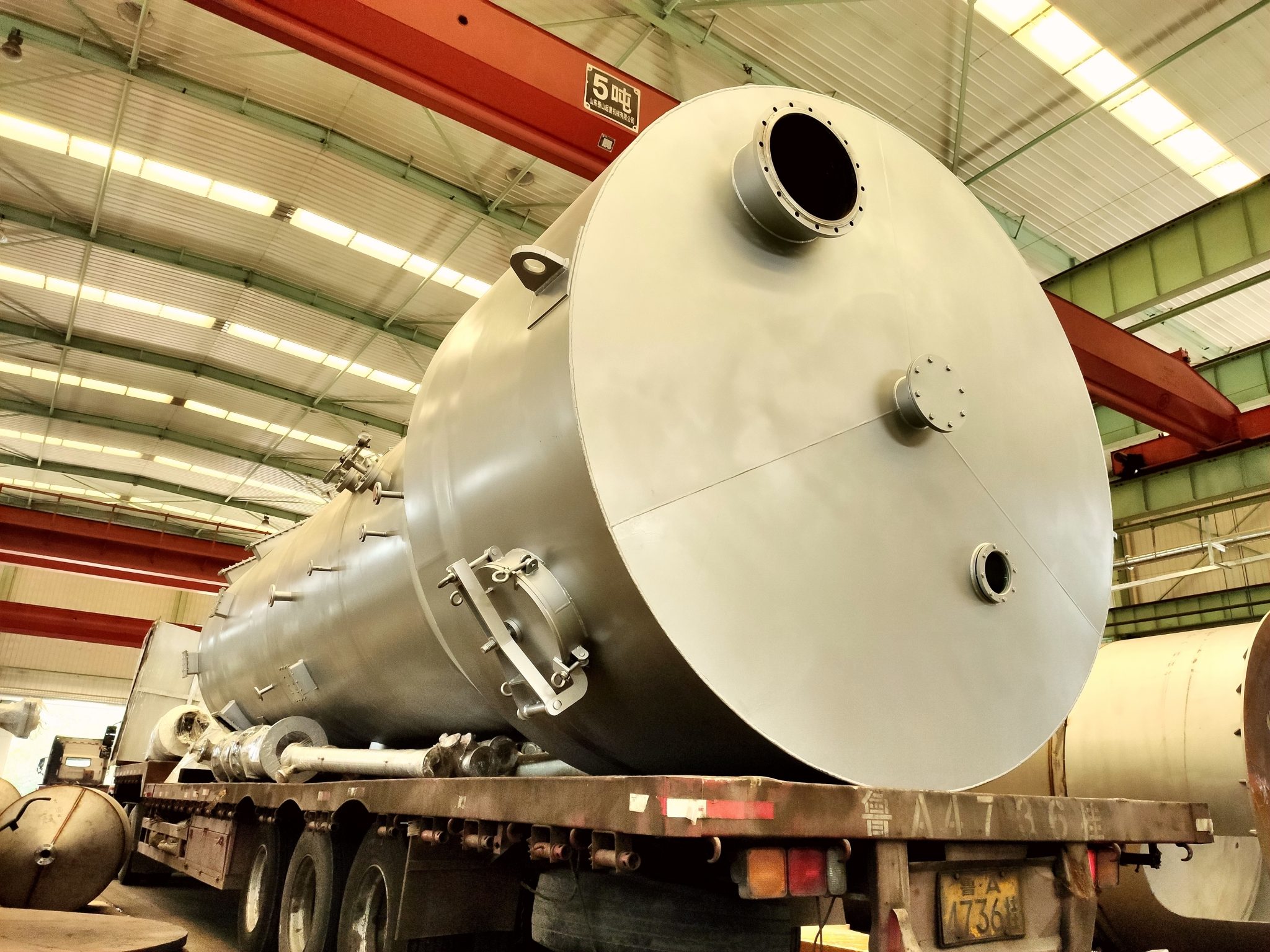
The main equipment categories include seed preparation machines, oil extraction systems, solvent recovery units, refining equipment, and packaging systems.
The following table summarizes the major equipment used in vegetable oil processing.
| Processing Stage | Main Equipment |
|---|---|
| Seed cleaning | Cleaning machines, magnetic separators |
| Seed preparation | Cracking machines, flaking mills |
| Oil extraction | Screw presses, solvent extractors |
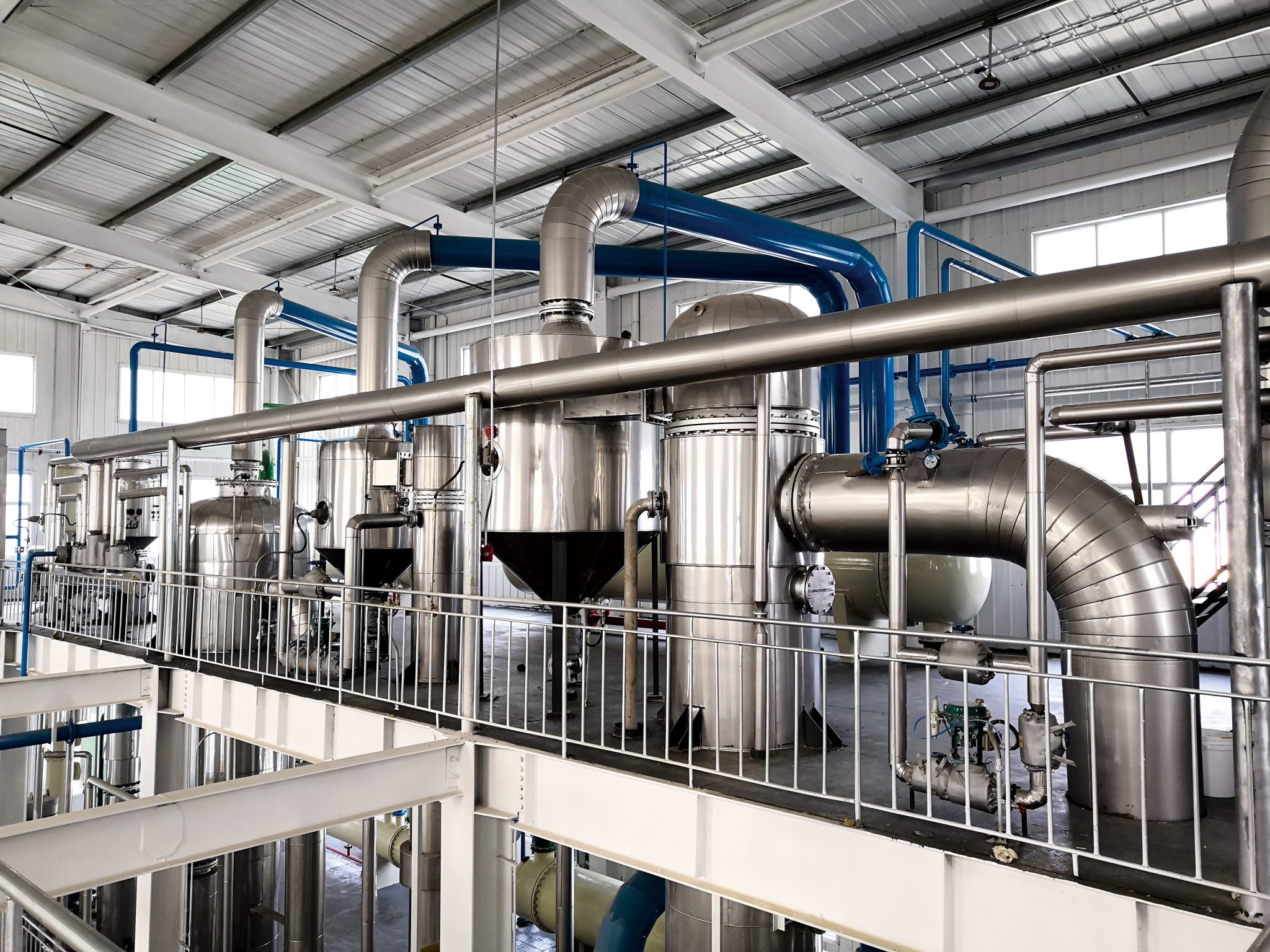
| Solvent recovery | Evaporators, condensers |
| Oil refining | Degumming, bleaching, deodorizing units |
Each stage plays an essential role in maximizing oil yield and ensuring product quality.
Why Is Solvent Extraction Important for Large Plants?
Solvent extraction is widely used in modern vegetable oil processing plants because it significantly improves oil recovery efficiency.
Unlike traditional mechanical pressing methods, solvent extraction uses a food-grade solvent to dissolve oil from prepared seed material. The oil is then separated and the solvent is recovered for reuse.
Continuous solvent extraction systems can recover more than 98 percent of the oil contained in oilseeds, making them ideal for large-scale industrial operations.
In addition to higher oil yield, solvent extraction systems also offer advantages such as lower labor requirements, stable production performance, and reduced maintenance costs.
What Is the Typical Production Capacity of Vegetable Oil Processing Plants?
Vegetable oil processing plants are designed in different capacities depending on the investor’s budget and market demand.
Small plants may process a few dozen tons of oilseeds per day, while large industrial plants can process thousands of tons daily.
| Plant Type | Processing Capacity |
|---|---|
| Small-scale plant | 20–50 tons/day |
| Medium plant | 100–300 tons/day |
| Large industrial plant | 500–1000 tons/day |
Larger plants generally achieve better economies of scale and lower production costs per ton of oil produced.
How Can Investors Improve Processing Efficiency?
Processing efficiency is one of the most important factors influencing the profitability of a vegetable oil processing plant.
Several strategies can significantly improve production efficiency. First, proper seed preparation increases oil extraction performance. Second, advanced solvent extraction systems ensure higher oil recovery rates.
Automation and digital monitoring systems also help maintain optimal processing conditions, improving both production stability and product quality.
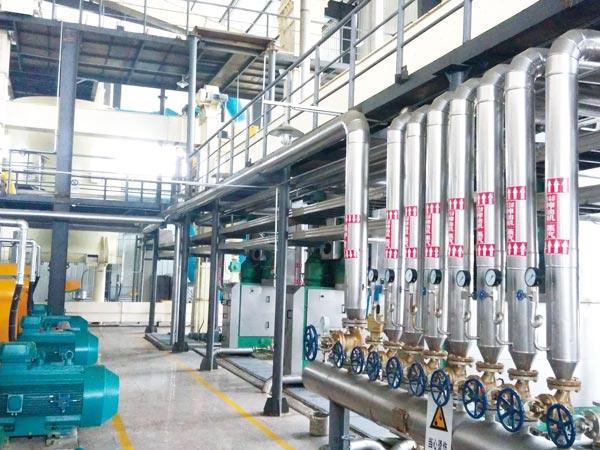
Energy efficiency is another important factor. Heat recovery systems and modern boilers can reduce energy consumption and lower operating costs.
What Are the Main Profit Sources in a Vegetable Oil Processing Plant?
A vegetable oil processing plant generates revenue from several different products.
The main product is refined edible oil used for cooking and food processing. However, oilseed processing also produces valuable by-products.
For example, soybean processing produces soybean meal, which is widely used as animal feed. This by-product represents a significant portion of total plant revenue.
Other by-products may include lecithin, fatty acids, and industrial oils depending on the refining technology used.
These multiple revenue streams improve the financial sustainability of vegetable oil processing plants.
Conclusion
A vegetable oil processing plant is a highly valuable industrial investment that transforms agricultural oilseeds into essential food products. With global demand for vegetable oils continuing to rise, oil processing facilities play an increasingly important role in food supply chains.
Successful oil processing projects require careful planning, efficient equipment, and advanced processing technologies. By selecting the right plant capacity, optimizing process design, and adopting modern extraction systems, investors can build highly efficient vegetable oil processing plants that generate strong long-term profits.
FAQ
What is a vegetable oil processing plant?
A vegetable oil processing plant extracts and refines oil from oilseeds such as soybeans, sunflower seeds, and rapeseed.
Which oilseeds can be processed in these plants?
Common raw materials include soybeans, sunflower seeds, rapeseed, peanuts, and cottonseed.
Why is solvent extraction widely used in oil processing plants?
Solvent extraction improves oil recovery efficiency and allows large plants to achieve higher oil yields.
What capacity should a new oil processing plant have?
Most new plants start with capacities between 100 and 300 tons per day.
How long does it take to build a vegetable oil processing plant?
Construction and commissioning typically take 6–12 months depending on plant size.