Oil Extract Production: Techniques and Best Practices
Table of Contents
Introduction

Extracted oil is a vital product obtained from seeds, nuts, and other raw materials using mechanical, chemical, or combined extraction methods. Producing high-quality extracted oil requires proper equipment, optimized processes, and careful maintenance. This guide will provide a step-by-step overview for both home and commercial producers.
Methods of Oil Extract Production
Extracted oil can be obtained using several methods:
Solvent Extraction – Chemical solvents are used to extract oil efficiently from oil-rich seeds. Requires refining to remove residues.
Cold Pressing – Extracts oil at low temperatures to preserve nutrients and flavor. Ideal for specialty oils like olive, coconut, and sesame.
Hot Pressing – Uses heat to increase oil yield but may reduce some nutrients. Suitable for large-scale production.
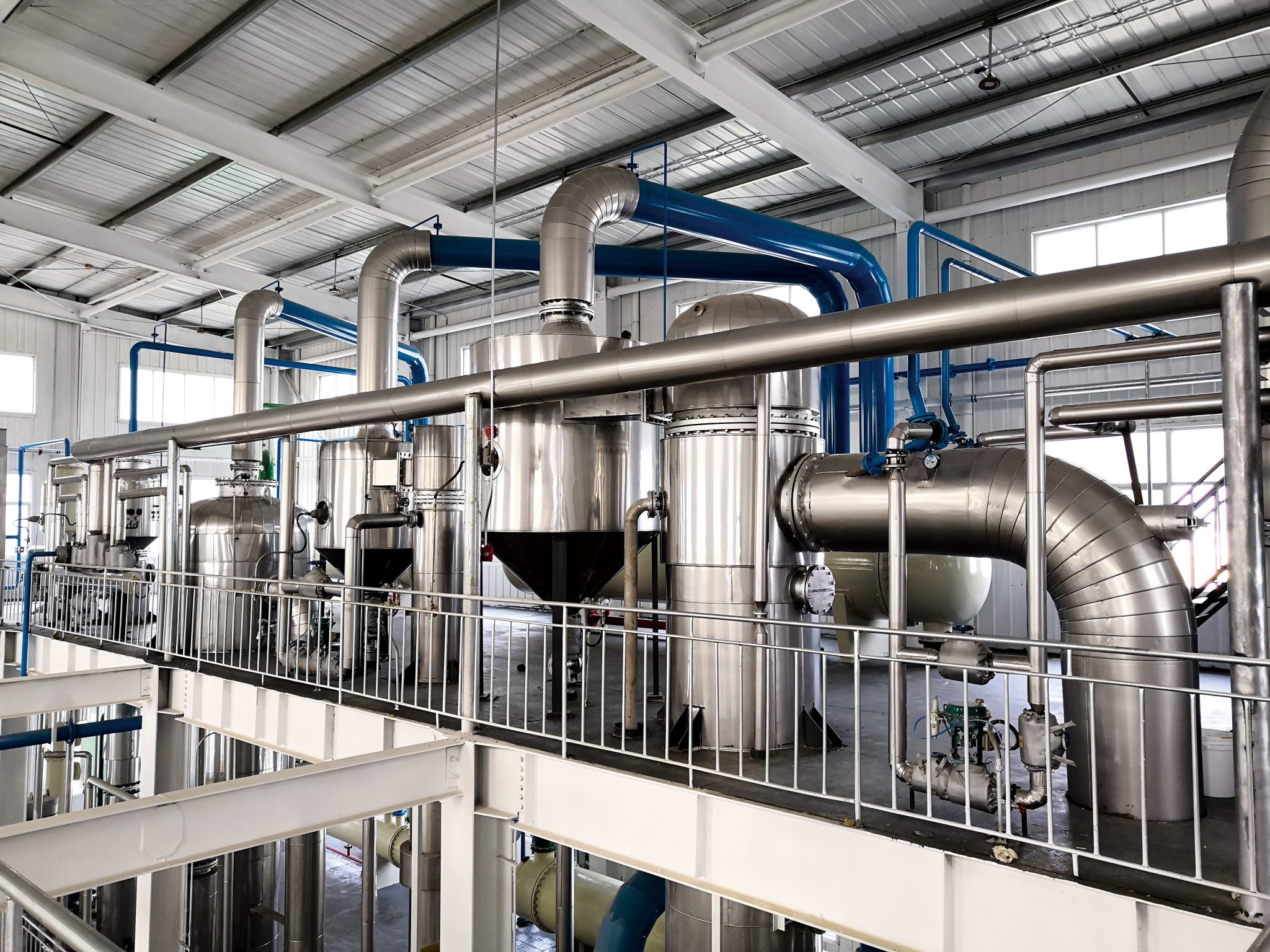
Equipment Needed for Extracted Oil Production
Producing oil extract efficiently requires specific equipment:
| Equipment | Purpose |
|---|---|
| Oil Extractor Press | Mechanical extraction of oil from raw materials |
| Seed Cleaner | Removes impurities before pressing |
| Heating Unit | Used in hot pressing to increase yield |
| Filtration System | Ensures clarity and quality of extracted oil |
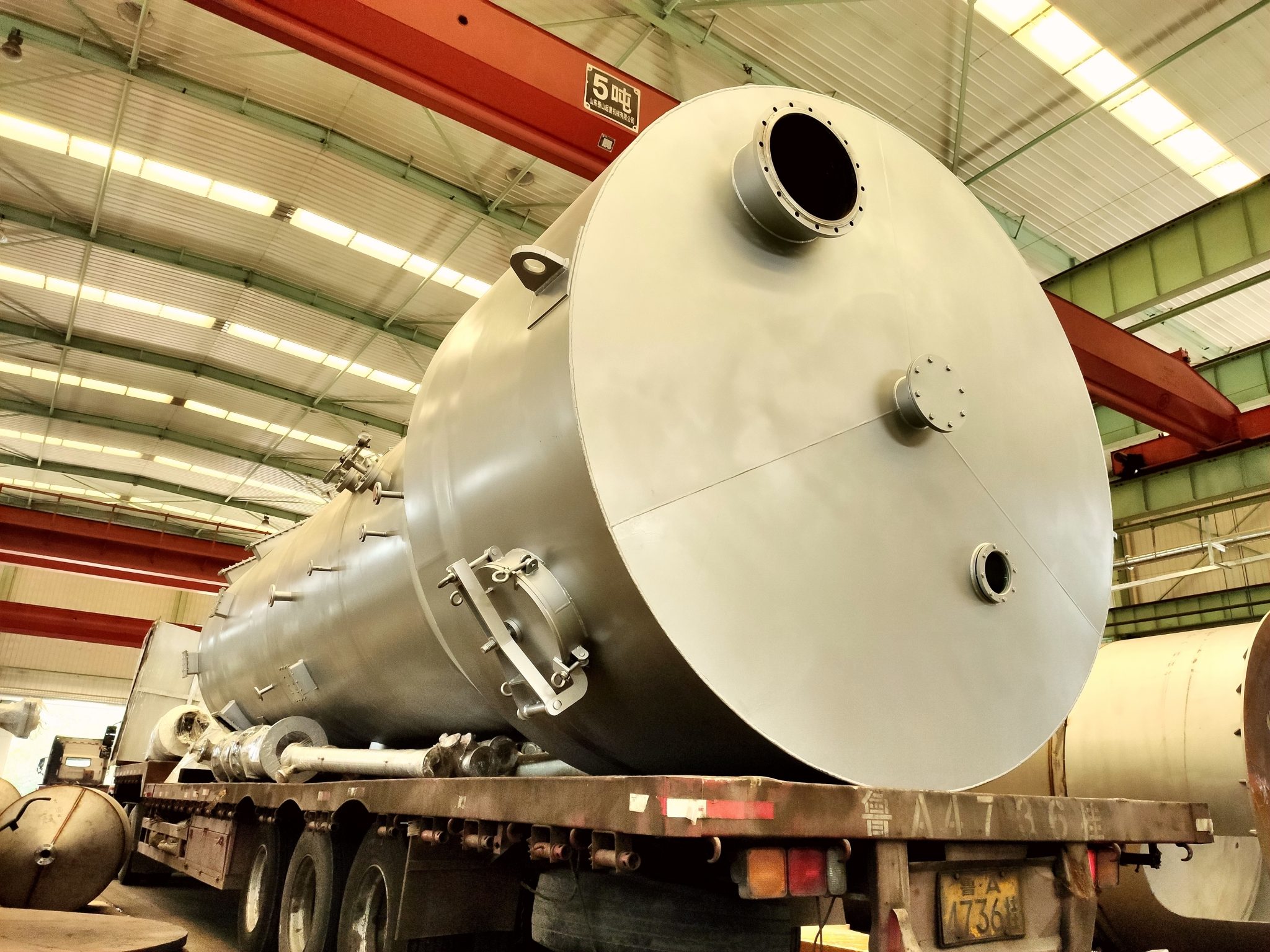
| Storage Tanks | Safe storage before refining or bottling |
Automation can improve consistency and production speed, especially for commercial operations.
Steps to Produce High-Quality Extracted Oil
- Prepare Raw Materials – Clean seeds or nuts to remove stones, dust, and other impurities.
- Conditioning – For hot pressing, adjust moisture and preheat seeds to optimize extraction.
- Extraction – Use the selected method (cold press, hot press, or solvent) to obtain oil extract.
- Filtration – Filter the oil to remove residual solids and impurities.
- Storage – Store in airtight containers in a cool, dark environment to maintain quality.
Tips for High-Quality Oil Extract

- Use fresh, clean seeds to avoid contamination.
- Monitor temperature during pressing to preserve nutrients.
- Perform regular maintenance on oil extract machines to ensure efficiency.
- Filter extracted oil properly to remove solids and impurities.
Conclusion
Producing high-quality extracted oil requires careful selection of raw materials, the right extraction method, proper equipment, and regular maintenance. Following best practices ensures nutrient-rich, flavorful, and safe oil extract for home or commercial use.
FAQ
What is oil extract?
Extracted oil is the liquid oil obtained from seeds, nuts, or other raw materials using mechanical pressing or chemical extraction methods. It is rich in essential nutrients, vitamins, and healthy fats, making it ideal for cooking, cosmetics, and industrial applications, while retaining natural flavor and quality.
Can extracted oil be produced at home?
Yes, extracted oil can be safely produced at home or in small-scale operations using manual or semi-automatic machines. These units allow efficient extraction of high-quality oil from seeds and nuts while preserving nutrients. Proper cleaning, maintenance, and monitoring of temperature ensure consistent, safe, and flavorful oil extract.
Which seeds are suitable for extracted oil?
Common seeds for extracted oil include sunflower, sesame, soybean, peanut, and coconut. Depending on the machine’s capacity and design, other seeds or nuts may also be processed. Selecting fresh, clean, and properly dried seeds is crucial for maximum yield, nutrient retention, and high-quality oil extract production.
How do I maintain an extracted oil machine?
To maintain an extracted oil machine, clean all removable parts after each use, lubricate moving components, and inspect for wear or damage. Store the machine in a dry, ventilated area to prevent corrosion. Regular maintenance ensures long-term durability, consistent performance, and high-quality oil extract output.
How can I increase extracted oil?
Maximize extracted oil by using clean, properly prepared raw materials, optimizing machine speed and pressure settings, and carefully controlling extraction temperature. Routine maintenance, proper filtration, and pre-treatment of seeds also improve efficiency, ensuring higher-quality and nutrient-rich extracted oil for home or commercial use.
Need Help Producing High-Quality Oil Extract?
If you’re unsure which extracted oil method or equipment suits your needs, our experts are here to help. Contact us today for a personalized consultation, and ensure your oil production is efficient, safe, and high-quality. Don’t wait—start optimizing your extracted oil process now!