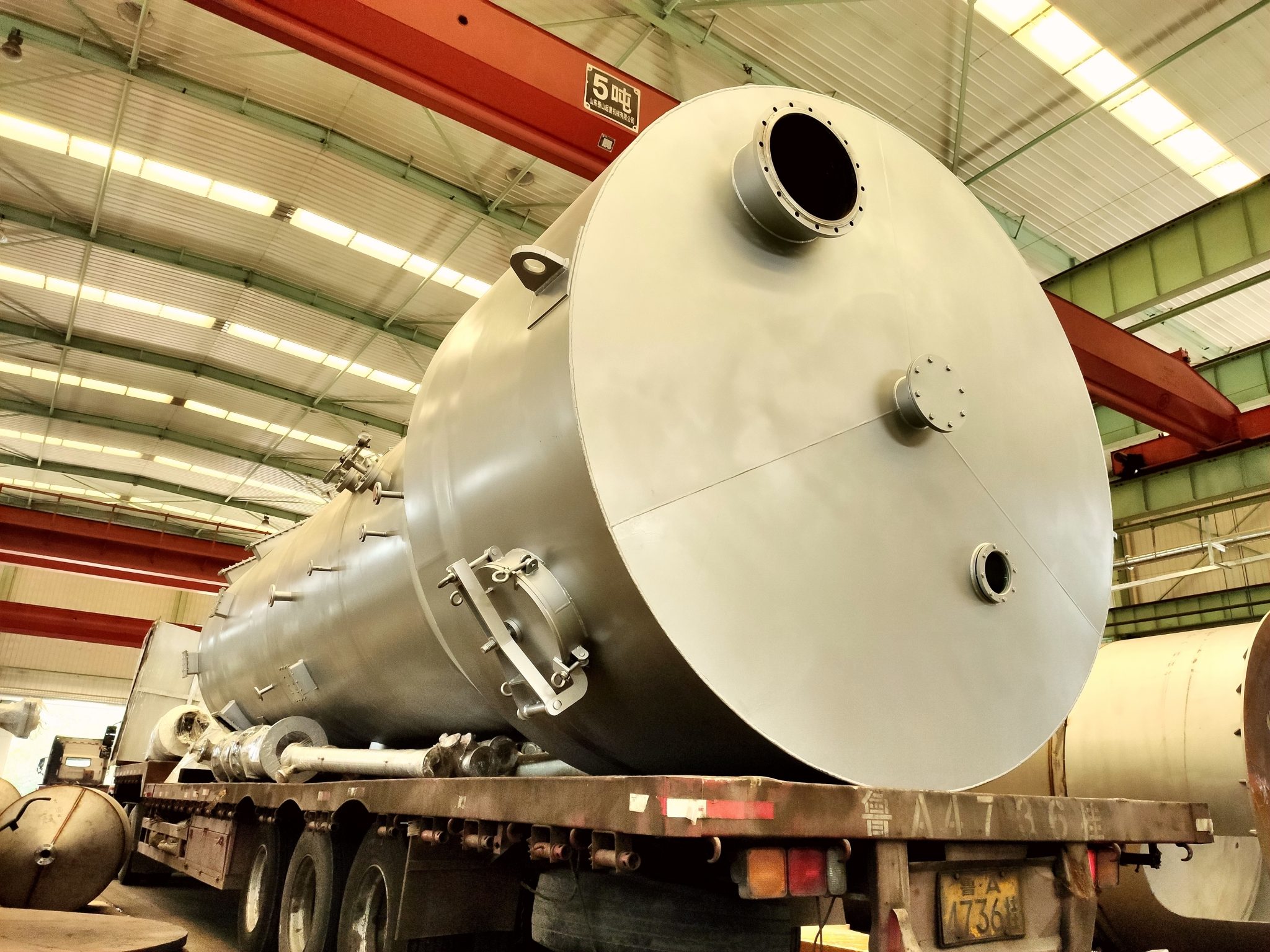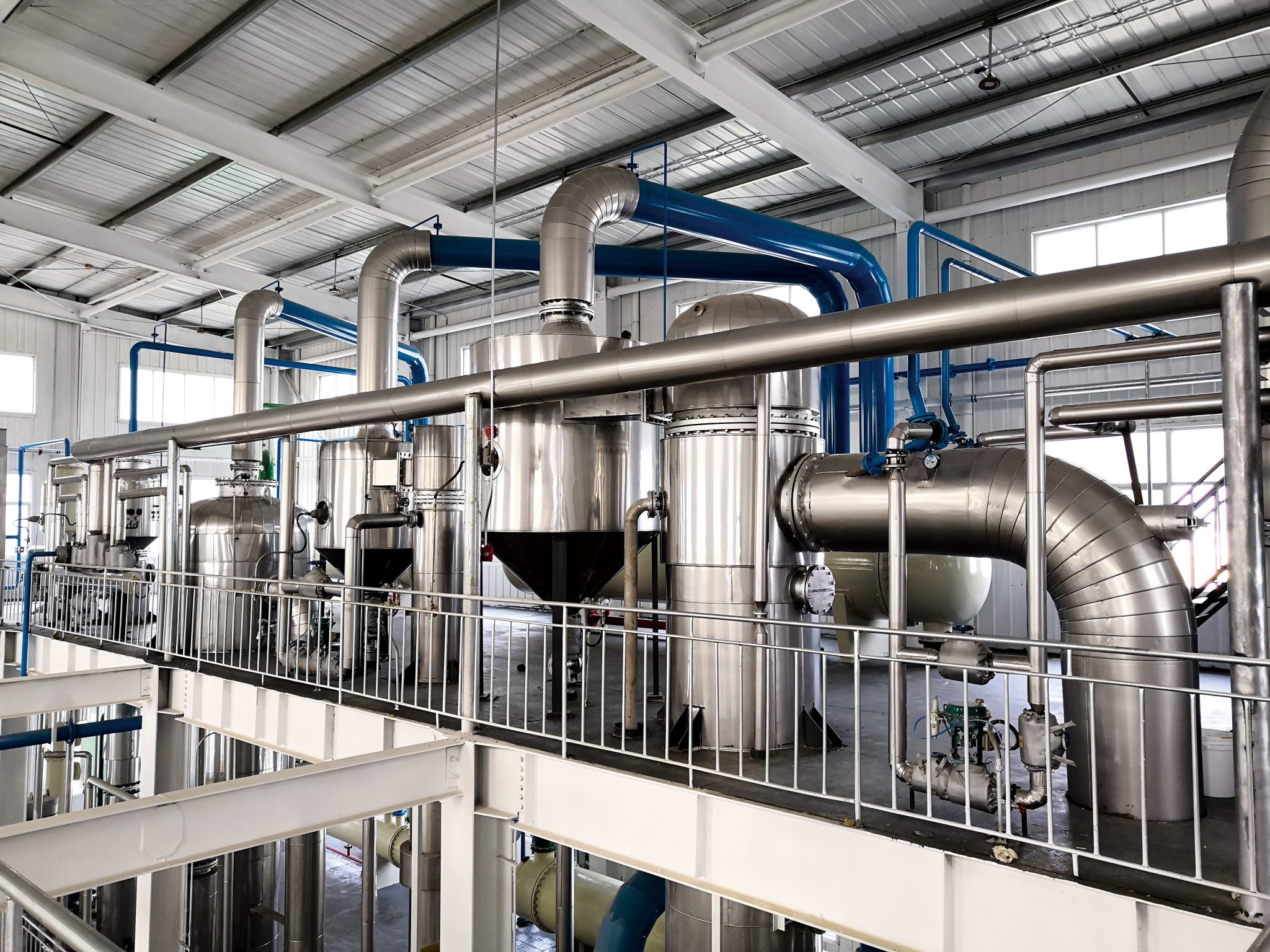
Complete Guide to Oil Refinery Machine for Efficient Oil Processing
Table of Contents
Introduction

An oil refining machine plays a crucial role in transforming crude oil extracted from seeds or nuts into refined, edible-grade oil. It removes impurities such as free fatty acids, waxes, pigments, and moisture, ensuring higher quality, better taste, and improved shelf life. This guide explains how oil refinery machines work, their types, and best practices for efficient oil refining.
What is an Oil Refinery Machine?
An oil refining machine is industrial equipment used to purify crude vegetable oil. After extraction through pressing or solvent methods, the crude oil contains impurities that must be removed. The oil refinery machine performs processes such as degumming, neutralization, bleaching, and deodorization to produce clean and safe edible oil.
Main Processes in Oil Refining
Degumming
Removes phospholipids and gums that affect oil stability and clarity.
Neutralization
Eliminates free fatty acids using alkaline solutions, improving taste and quality.
Bleaching
Uses bleaching earth or activated carbon to remove pigments and color impurities.
Deodorization
Applies high temperature and vacuum conditions to remove odor compounds.
These steps ensure that the final oil is stable, clean, and suitable for consumption or commercial packaging.
Types of Oil Refinery Machines
- Batch Refinery Machine – Suitable for small and medium-scale production
- Continuous Refinery Machine – Designed for large industrial oil processing plants
- Semi-Continuous System – A hybrid solution balancing efficiency and cost
Key Equipment in Oil Refining Systems
| Equipment | Function |
|---|---|
| Degumming Tank | Removes gums and impurities |
| Neutralization Tank | Reduces acidity in crude oil |
| Bleaching Unit | Improves oil color and clarity |
| Deodorization Tower | Removes odor and volatile compounds |
| Vacuum System | Ensures stable refining environment |
Each component of the oil refining machine contributes to producing high-quality refined oil.
Benefits of Using an Oil Refinery Machine
- Produces high-quality edible oil
- Extends shelf life of oil products
- Improves taste, color, and odor
- Suitable for large-scale commercial production
- Increases product market value
Step-by-Step Oil Refining Process
- Crude Oil Input – Oil from pressing or extraction is fed into the system
- Degumming Stage – Removes phospholipids and moisture
- Neutralization Stage – Reduces acidity levels
- Bleaching Stage – Improves color and removes impurities
- Deodorization Stage – Eliminates unwanted odors
- Final Filtration & Storage – Produces refined edible oil ready for packaging
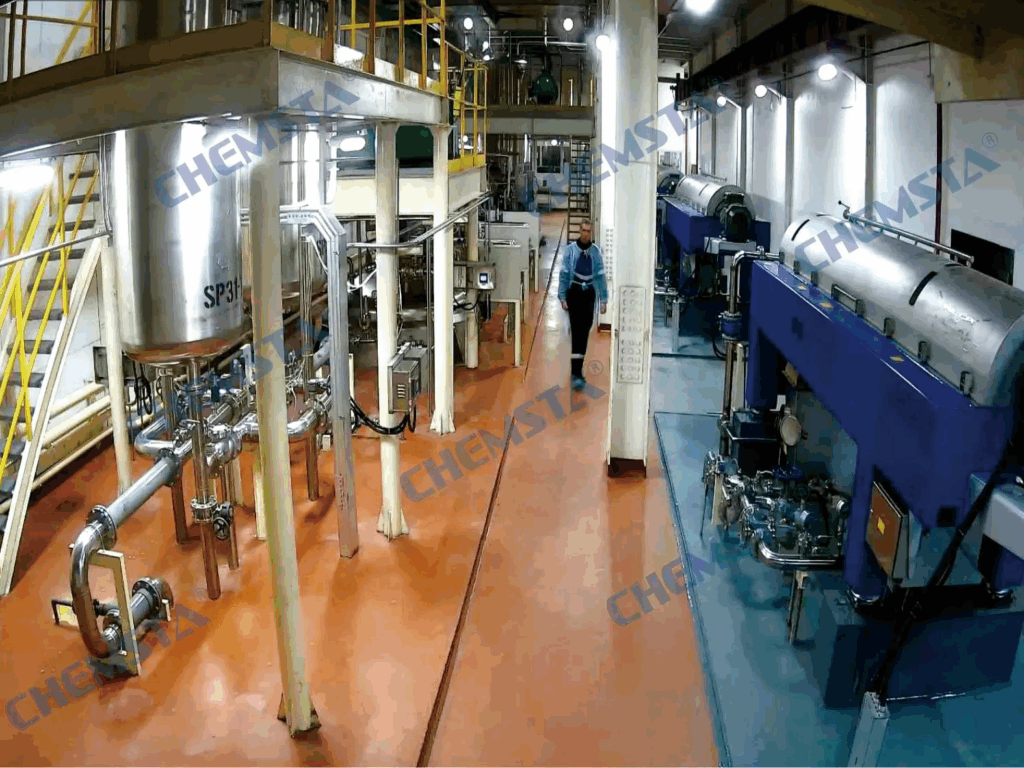
Maintenance Tips for Oil Refinery Machine

- Clean tanks and pipelines regularly
- Check vacuum and heating systems frequently
- Replace bleaching earth and filters on time
- Inspect valves and seals for leakage
- Follow manufacturer operation guidelines
Proper maintenance ensures stable performance and long service life.
Conclusion
An oil refining machine is essential for producing high-quality edible oil from crude oil sources. By using proper refining processes and maintaining equipment correctly, producers can ensure consistent quality, improved safety, and higher market value. It is a key investment for both small-scale and industrial oil production.
FAQ
What is an oil refinery machine?
An oil refining machine is industrial equipment used to remove impurities from crude vegetable oil, turning it into refined edible oil. It improves clarity, stability, and safety by eliminating gums, free fatty acids, pigments, and odors, making the oil suitable for cooking and commercial use.
Why is oil refining necessary?
Oil refining is necessary to improve oil quality, safety, and shelf life. It removes impurities such as free fatty acids, odors, and unwanted compounds from crude oil. Without refining, oil may spoil faster, taste unpleasant, and be less suitable for edible or industrial applications.
What oils can be processed?
An oil refinery machine can process various vegetable oils such as soybean oil, sunflower oil, palm oil, peanut oil, and rapeseed oil. These oils require refining to improve purity, taste, and stability, ensuring they meet food-grade standards for safe consumption and commercial distribution.
Can small businesses use an oil refinery machine?
Yes, small and medium-scale oil refinery machines are ideal for small businesses. They offer efficient refining for limited production capacity while maintaining good oil quality. These systems are cost-effective, easy to operate, and suitable for startups in edible oil processing.
How do I maintain an oil refinery machine?
To maintain an oil refinery machine, regularly clean all tanks and pipelines, inspect valves and heating systems, and replace filters and consumables on time. Proper maintenance ensures stable operation, prevents breakdowns, and extends machine lifespan while maintaining consistent oil quality.
Need Help Choosing the Right Oil Refinery Machine?
If you’re unsure which oil refinery machine fits your production scale and oil type, our experts are here to help. Contact us today for a tailored solution and start producing high-quality refined oil efficiently and safely.