How to Extract with Solvent: Efficient Methods for Oil Production
Table of Contents
Introduction

The ability to extract with solvent is a widely used technique in modern oil production, especially for large-scale operations. This method allows producers to achieve high oil yield from seeds and raw materials that contain lower oil content. By understanding how to properly extract with solvent, businesses can improve efficiency, reduce waste, and ensure consistent oil quality.
What Does It Mean to Extract with Solvent?
To solvent extraction means using chemical solvents, typically food-grade hexane, to dissolve oil from seeds or plant materials. The solvent separates the oil from the solid residue, allowing nearly complete oil recovery. After extraction, the solvent is removed through evaporation, leaving purified crude oil ready for refining.
How the Extract with Solvent Process Works
- Preparation of Raw Materials
Seeds are cleaned, crushed, and conditioned to improve extraction efficiency. - Solvent Application
The prepared material is exposed to a solvent that dissolves the oil content. - Separation
The oil-solvent mixture is separated from the solid residue (meal or cake). - Solvent Recovery
The solvent is evaporated and recovered for reuse, ensuring cost efficiency. - Oil Collection
The extracted oil is collected and sent for refining or further processing.
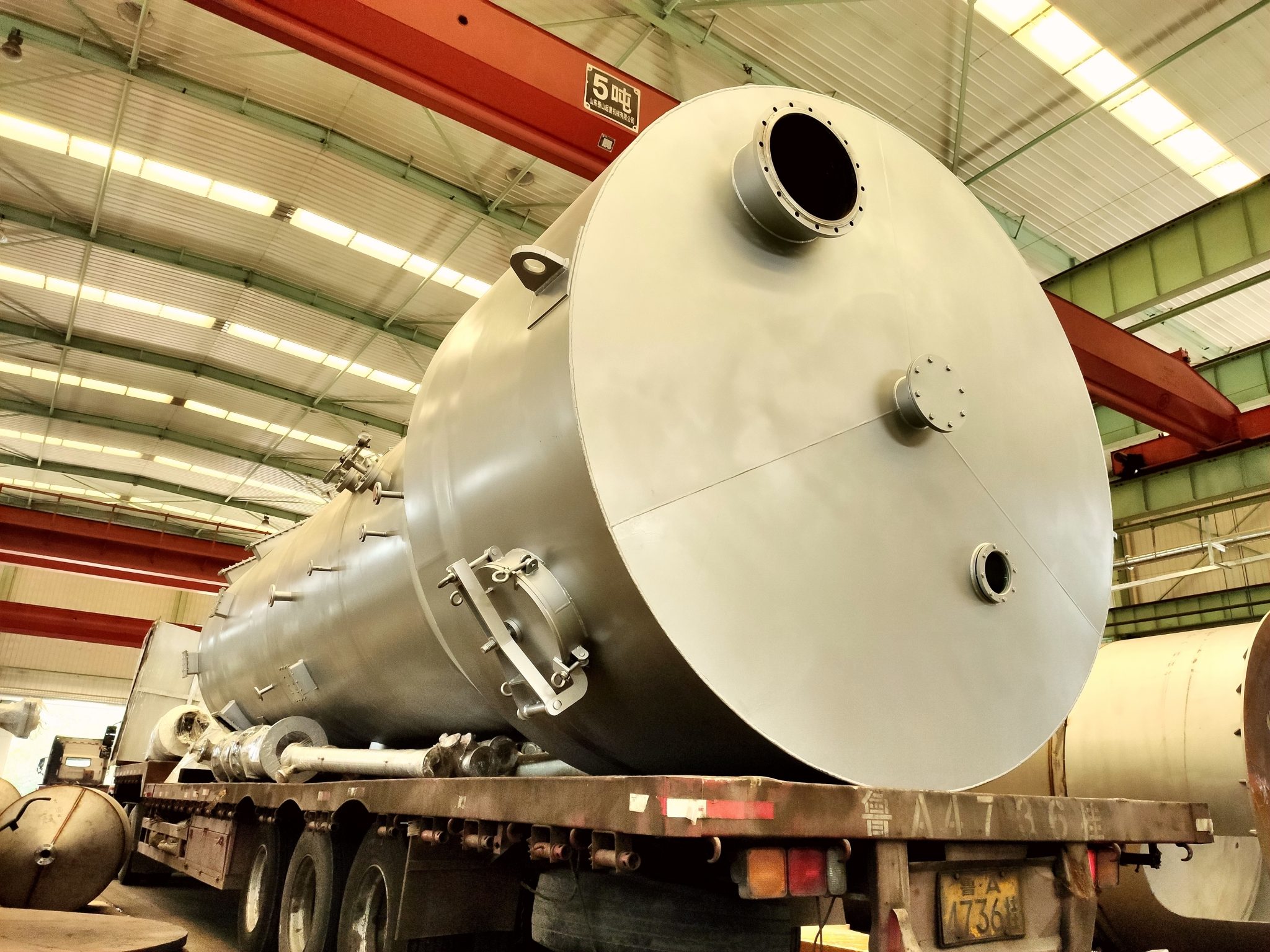
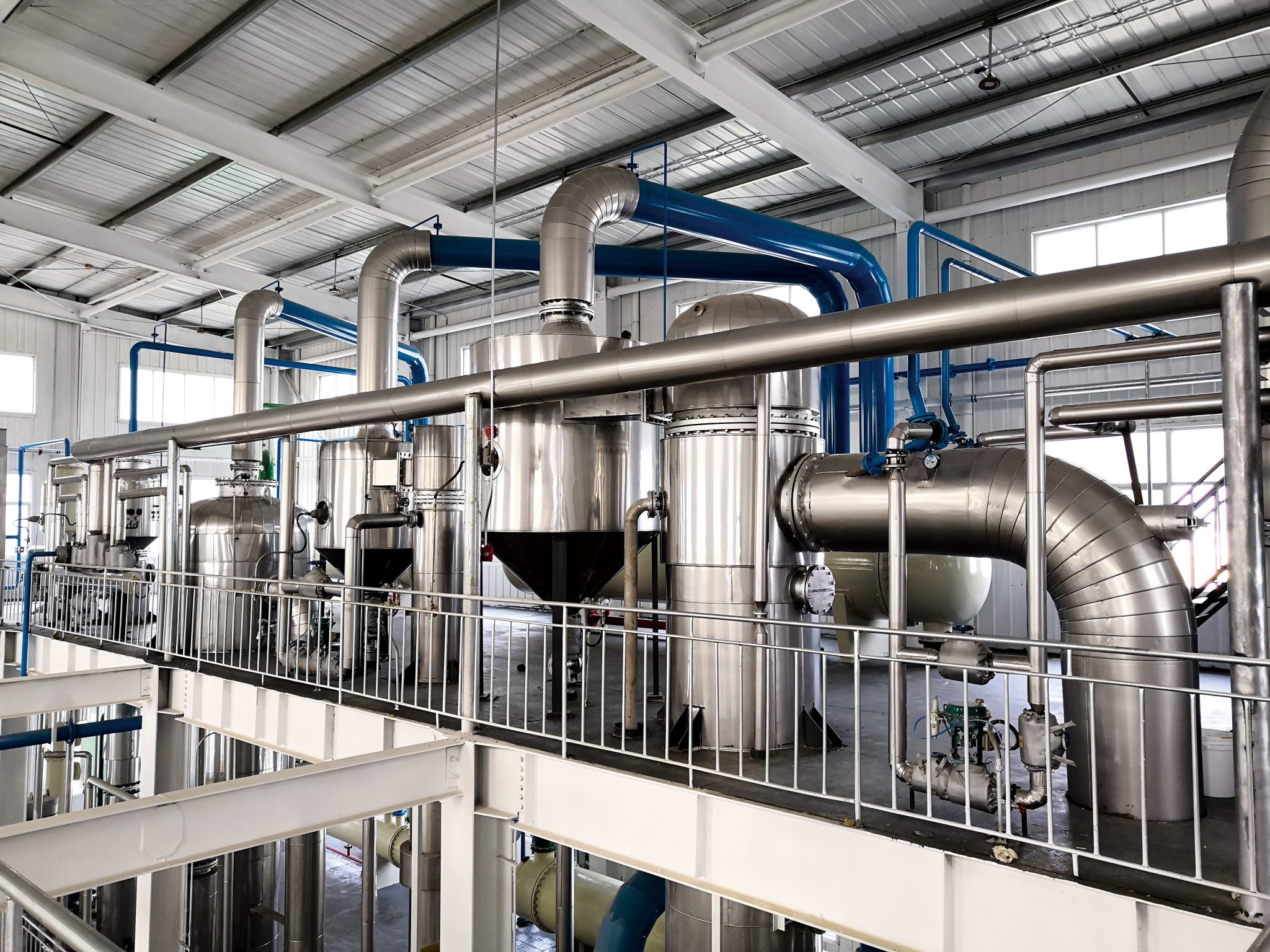
Equipment Required to Extract with Solvent
| Equipment | Function |
|---|---|
| Solvent Extractor | Main unit where oil is dissolved from materials |
| Desolventizer | Removes solvent from meal and oil |
| Evaporator | Separates solvent from oil |
| Condenser | Recovers solvent vapor for reuse |
| Storage Tanks | Stores extracted oil safely |
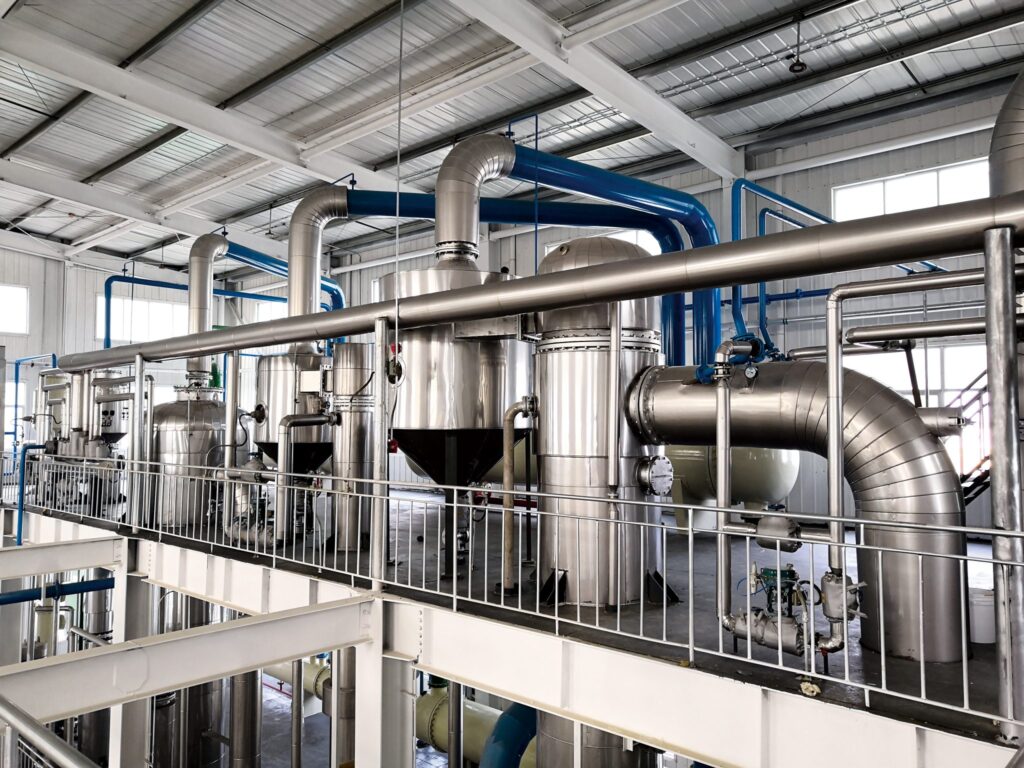
These components work together to ensure efficient and safe solvent extraction.
Advantages of Extracting with Solvent
- Achieves higher oil yield compared to mechanical pressing
- Suitable for low oil-content seeds like soybean
- Efficient for large-scale production
- Reduces waste and improves resource utilization
- Allows continuous industrial operation
Safety Considerations
When you extract with solvent, safety is critical:
- Use proper ventilation to prevent solvent vapor buildup
- Ensure equipment is sealed and leak-free
- Follow fire safety standards due to solvent flammability
- Train operators in handling chemicals safely
Best Practices for Efficient Solvent Extraction

- Use clean and properly prepared raw materials
- Maintain optimal temperature and pressure conditions
- Regularly inspect extraction equipment
- Ensure complete solvent recovery to reduce costs
- Monitor oil quality during and after extraction
Conclusion
Choosing to extract with solvent is an effective way to maximize oil yield and efficiency in industrial production. With the right equipment, proper safety measures, and optimized processes, this method provides consistent, high-quality results. It is especially suitable for large-scale operations looking to improve productivity and reduce waste.
FAQ
What does it mean to extract with solvent?
To extract with solvent means using chemical solvents to dissolve oil from seeds or plant materials. The solvent separates oil from solid residue, allowing high recovery rates. After extraction, the solvent is removed and reused, leaving crude oil ready for refining and further processing.
Which solvent is commonly used?
When you extract with solvent, hexane is the most commonly used solvent due to its high efficiency, low boiling point, and easy recovery. It effectively dissolves oil while minimizing energy consumption, making it ideal for large-scale industrial oil extraction processes.
Is solvent extraction safe?
Yes, it is safe to extract with solvent when proper safety measures are followed. Modern systems are designed with sealed equipment, ventilation, and recovery units to prevent leaks and hazards. Trained operation and strict safety standards ensure reliable and secure production.
What materials are suitable for solvent extraction?
You can extract with solvent from a wide range of oilseeds such as soybean, sunflower, rapeseed, and cottonseed. This method is especially effective for materials with lower oil content, helping maximize yield and improve overall extraction efficiency.
How efficient is solvent extraction?
When you extract with solvent, the efficiency can reach up to 95–99% of total oil content. This makes it one of the most effective extraction methods available, especially for industrial production where maximizing yield and minimizing waste are essential.
Need Help Choosing the Right Solution to Extract with Solvent?
If you’re unsure which solvent extraction system fits your production needs, our experts are here to help. Contact us today for a customized solution and ensure your oil extraction process is efficient, safe, and cost-effective.