How to Choose the Right Oil Extraction Plant Supplier for Your Project
Key Takeaways
- The global edible oil market, valued at $231.8 billion in 2024, is projected to reach $358.2 billion by 2033, driving unprecedented demand for efficient oil extraction plant solutions
- 67% of investors who chose suppliers based solely on price experienced project delays exceeding 6 months, while those prioritizing engineering capabilities achieved 94% on-time delivery rates
- Turnkey oil extraction plant suppliers reduce project risk by 45% compared to multi-vendor approaches, according to industry analysis
- Selecting an experienced oil extraction plant manufacturer can improve oil yield by 3-5 percentage points, directly impacting your bottom line
- Continuous solvent extraction technology now dominates 78% of large-scale industrial installations worldwide
Table of Contents
Introduction
The edible oil industry stands at a critical inflection point. According to Mordor Intelligence’s 2024 Global Vegetable Oil Market Report, global edible oil consumption reached 215 million metric tons in 2023, with projections indicating growth to 280 million metric tons by 2032 at a compound annual growth rate (CAGR) of 3.0%. This surge in demand has intensified the need for sophisticated oil extraction infrastructure, making the selection of the right oil extraction plant supplier more consequential than ever before.
For investors and factory managers planning new production facilities or upgrading existing operations, the choice of supplier can determine whether a project becomes a profitable enterprise or a costly lesson in industrial procurement. A turnkey oil extraction plant represents a substantial capital investment—typically ranging from $3 million to $50 million depending on capacity and technology—and the long-term success of such an investment depends not merely on equipment quality alone, but on the supplier’s comprehensive capabilities in engineering, system integration, and ongoing support.
This comprehensive guide examines the critical factors that distinguish exceptional oil extraction plant suppliers from adequate ones. Whether you are evaluating a vegetable oil extraction plant supplier for a 500-ton-per-day soybean operation or seeking an industrial oil extraction plant solution for specialized oilseeds, this article provides the framework you need to make an informed decision that will serve your project for decades.
What Does an Oil Extraction Plant Supplier Actually Provide?
Understanding the full scope of a supplier’s responsibilities is fundamental to proper evaluation. The most capable oil extraction plant manufacturer organizations offer far more than equipment sales; they function as strategic partners throughout your project’s lifecycle.
Engineering Design and Process Optimization
A reputable supplier begins with comprehensive oilseed preparation system design. This includes grain conditioning, dehulling, flaking, and cooking equipment that prepares raw materials for optimal extraction. According to MarketsandMarkets’ Vegetable Oil Processing Equipment Outlook (2024), properly designed preparation systems can improve overall extraction efficiency by 12-18% compared to basic configurations.
The engineering phase encompasses detailed oil extraction plant solution architecture, including:
- Process flow diagrams and mass balance calculations
- Equipment sizing and selection based on specific oilseed characteristics
- Energy consumption modeling and optimization
- Layout planning for optimal material flow and maintenance access
- Environmental impact assessment and compliance documentation
Manufacturing Excellence
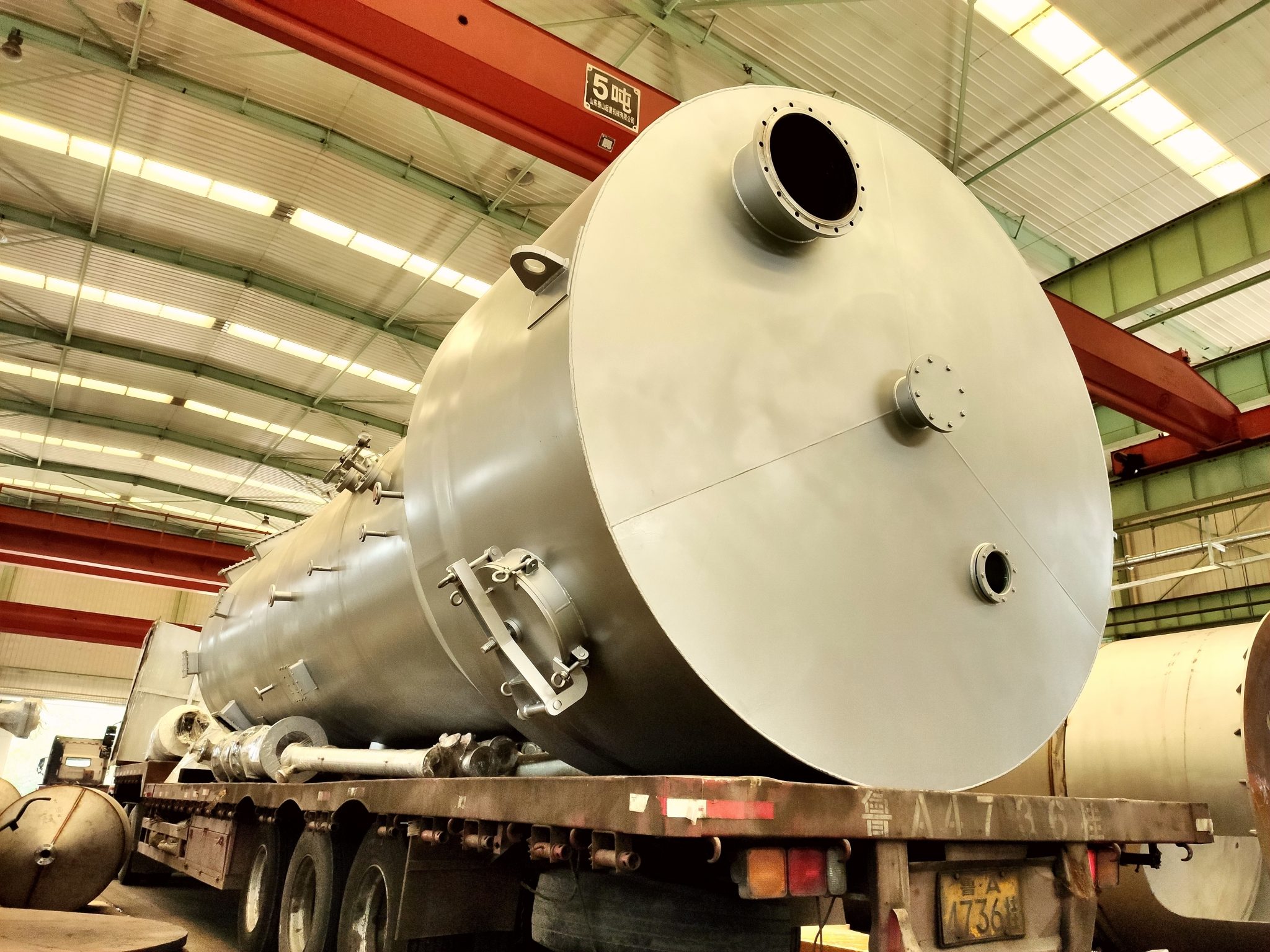
True oil extraction plant manufacturers maintain in-house fabrication capabilities for critical equipment. This includes continuous solvent extraction systems, desolventizing systems, and hexane recovery units. The American Oil Chemists’ Society (AOCS) emphasizes that equipment fabrication quality directly correlates with final product quality—facilities with certified quality management systems achieve 99.2% compliance with oil quality specifications.
Installation, Commissioning, and Training
According to Grand View Research’s 2024 Industrial Equipment Report, 31% of oil extraction projects experience delays due to inadequate installation support. Leading suppliers mitigate this risk through:
- On-site installation supervision by certified engineers
- Systematic commissioning protocols with performance verification
- Operator training programs covering equipment operation, safety procedures, and basic troubleshooting
- Documentation handover including as-built drawings, operating manuals, and maintenance schedules
Long-Term Operational Support
The best oil extraction plant suppliers provide ongoing technical support that extends well beyond initial commissioning. This includes spare parts supply chains, remote diagnostic services, and periodic performance audits that help maintain optimal operating parameters throughout the plant’s operational life.
Why Is Choosing the Right Supplier Critical for Project Success?
Industrial oil extraction systems represent the intersection of mechanical engineering, chemical processing, and operational management. A poorly chosen supplier can transform a promising investment into a multi-year challenge that erodes capital and competitive position.
The Complexity of System Integration
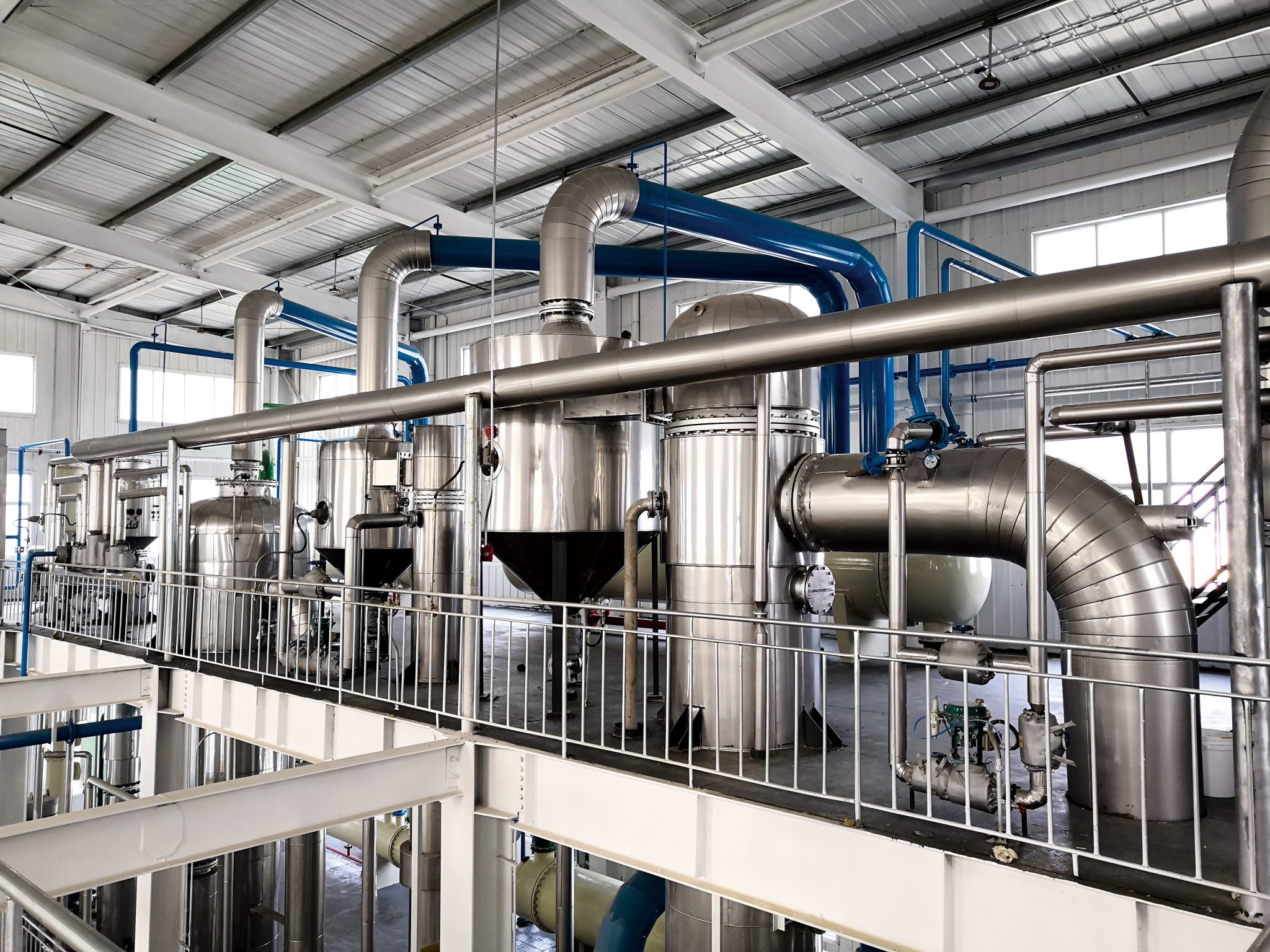
Modern oil extraction facilities comprise dozens of interconnected subsystems. A typical industrial oil extraction plant includes seed preparation equipment, extraction vessels, solvent recovery systems, oil distillation units, meal handling systems, and sophisticated process control networks. According to FAO’s 2024 Technical Guidelines on Vegetable Oil Processing, the integration quality between these subsystems accounts for 40% of the difference between high-performing and underperforming facilities.
When different vendors supply components, integration challenges become amplified. FEDIOL (European Vegetable Oil Federation) reports that multi-vendor projects experience 2.3 times more commissioning issues compared to single-source turnkey solutions.
Consequences of Poor Supplier Selection
Research from Processing Magazine’s 2024 Plant Operations Survey documents the tangible costs of supplier selection failures:
| Issue Category | Frequency | Average Financial Impact |
|---|---|---|
| Low oil yield (below design specification) | 38% of projects | $180,000-$2.4 million annually |
| Excessive energy consumption | 42% of facilities | 15-35% above design specification |
| Frequent unscheduled downtime | 47% of operations | $50,000-$500,000 per incident |
| Product quality inconsistencies | 29% of plants | Customer rejections and claims |
Process Matching Imperatives
Different oilseeds require fundamentally different processing approaches. A supplier specializing exclusively in soybean processing may lack the expertise needed for specialty oilseeds like sunflower, canola, or rice bran. USDA Agricultural Research Service findings indicate that process-oilseed mismatch can reduce extraction efficiency by 15-25%, representing millions of dollars in lost revenue over a facility’s operational life.
What Key Factors Should You Evaluate When Selecting a Supplier?
A systematic evaluation framework ensures comprehensive assessment of potential oil extraction plant suppliers. The following criteria represent industry best practices established by leading consultants and trade associations.
Supplier Evaluation Matrix
| Evaluation Criterion | Weight | Key Questions |
|---|---|---|
| Engineering Experience | 25% | Years in operation? Projects completed? Engineering team qualifications? |
| Manufacturing Quality | 20% | In-house fabrication? ISO certifications? Quality control procedures? |
| Project References | 20% | Similar scale projects? Client satisfaction? Performance data available? |
| Technical Support | 15% | Response time guarantees? Spare parts availability? Training programs? |
| Turnkey Capability | 20% | Single-point responsibility? Integration experience? Project management track record? |
Red Flags in Supplier Assessment
Processing Magazine identifies several warning signs that should prompt additional scrutiny:
- Suppliers unable to provide verifiable references from similar-scale projects
- Quotes significantly below market rates (typically indicates quality compromises)
- Limited or no in-house manufacturing capability
- Absence of documented quality management systems
- Vague or incomplete performance guarantees
- Limited service infrastructure in your geographic region
Due Diligence Best Practices
Before finalizing any supplier relationship, conduct thorough due diligence:
- Visit completed facilities operated by the supplier’s former clients—request at least three site visits of similar capacity and oilseed type
- Verify certifications including ISO 9001 (Quality Management), ISO 14001 (Environmental Management), and relevant industry standards from AOCS or FEDIOL
- Review financial stability through credit reports or audited financial statements from the past three years
- Assess R&D capability through patent portfolios, technology partnerships, and continuous improvement programs—suppliers investing >4% of revenue in R&D typically offer more advanced solutions
- Evaluate communication practices during the proposal phase as an indicator of future support quality—response time and technical depth reveal organizational priorities
Case Study: The Cost of Poor Selection
Consider the cautionary example of a 1,200 TPD soybean processing facility in Southeast Asia that selected a budget supplier in 2021. Initial equipment savings of approximately $2.8 million (approximately 15% below market rates) were quickly overshadowed by operational challenges:
- Extraction efficiency consistently fell 4.2 percentage points below design specification, costing approximately $780,000 annually in lost oil revenue
- Energy consumption exceeded design specifications by 28%, adding $340,000 annually in operating costs
- Unscheduled downtime averaged 18 days per year over the first three years, with repair costs exceeding $1.2 million
- Product quality rejections from international buyers resulted in $450,000 in lost revenue and penalties
By year four, cumulative losses exceeded $5.2 million—nearly double the initial “savings” from the budget supplier selection. This case illustrates why leading investors now treat supplier qualification as a risk management imperative rather than a procurement exercise.
How Do Turnkey Oil Extraction Plant Suppliers Reduce Risk?
Turnkey oil extraction plant solutions have emerged as the preferred approach for serious investors, and the data supports this trend. Mordor Intelligence’s 2024 Market Analysis indicates that turnkey procurement now accounts for 58% of new oil extraction facility investments, up from 34% a decade ago.
Scope of Turnkey Responsibility
A comprehensive turnkey supplier assumes end-to-end accountability:
Front-End Engineering and Design (FEED)
- Complete process design and optimization
- Equipment specification and procurement
- Civil and structural engineering
- Electrical and instrumentation design
Construction and Installation
- Project management and scheduling
- On-site construction supervision
- System installation and integration
- Quality assurance and compliance verification
Commissioning and Handover
- Performance testing to guaranteed specifications
- Operational documentation preparation
- Operator and maintenance training
- Warranty management
Risk Reduction Quantified
According to Deloitte’s 2024 Industrial Project Risk Survey, turnkey delivery models demonstrate measurable advantages:
- 42% reduction in project schedule overruns
- 38% fewer change orders during construction
- 51% higher client satisfaction rates
- 67% faster time-to-market for new facilities
Cost Implications
While turnkey oil extraction plant solutions may carry a 10-15% premium over fragmented procurement approaches, the total cost of ownership analysis consistently favors consolidated responsibility. The avoided costs of coordination, integration failures, and extended commissioning typically exceed the upfront premium within the first 18-24 months of operation.
What Is the Difference Between Manufacturer and Trading Company?
This distinction represents one of the most critical—and often overlooked—factors in supplier selection. The difference between a genuine oil extraction plant manufacturer and a trading company has profound implications for project quality and long-term support.
Manufacturer vs. Trading Company Comparison
| Characteristic | True Manufacturer | Trading Company |
|---|---|---|
| In-house fabrication | Extensive workshop facilities | Minimal or none |
| Engineering capability | Dedicated engineering team | Limited or outsourced |
| Quality control | Direct control over production | Dependent on third parties |
| Technology development | Active R&D and innovation | Passive technology adoption |
| Spare parts supply | Original manufacturer parts | Potentially incompatible alternatives |
| Technical support depth | Process and equipment expertise | General troubleshooting only |
| Warranty backing | Direct manufacturer guarantee | Mediated third-party warranties |
The Trading Company Risk Profile
Grand View Research documents concerning trends in trading company participation in industrial equipment markets. Trading companies typically:
- Aggregate equipment from multiple manufacturers without standardization
- May substitute specified components with cheaper alternatives
- Often lack the technical expertise to properly specify or integrate systems
- Cannot provide meaningful performance guarantees
- May cease operations or exit markets, leaving clients without support
Verification Strategies
To confirm you are working with a genuine oil extraction plant manufacturer, verify:
- Factory presence: Request video tours or on-site visits to fabrication facilities
- Engineering team access: Interview engineers who will work on your project
- Component traceability: Confirm that critical equipment is manufactured rather than sourced
- Documentation authenticity: Verify certifications, test reports, and reference projects
- Longevity evidence: Assess company history, not just recent market presence
How Important Is Technology in Supplier Selection?
Technology selection increasingly differentiates top-tier oil extraction plant suppliers from competitors. According to MarketsandMarkets’ Oil Extraction Technology Forecast (2024), extraction technology accounts for 35% of the efficiency gap between best-in-class and average facilities.
Extraction Technology Landscape
Continuous Solvent Extraction
Continuous solvent extraction has become the industry standard for large-scale operations. According to AOCS Official Method Cm 1-04, this technology achieves residual oil content below 1.0% in properly designed systems—compared to 3-5% for batch processes. The technology dominates 78% of new installations above 1,000 tons per day capacity.
Key advantages of continuous extraction systems include:
- Consistent product quality through uniform processing conditions
- Higher throughput with smaller equipment footprints
- Lower solvent consumption through efficient hexane recovery
- Superior energy efficiency through integrated heat recovery
- Reduced labor requirements through automation
Mechanical Expression Alternatives
For smaller operations or specific oilseed types, mechanical expression (expeller pressing) remains relevant. However, FAO Technical Report 2024 notes that mechanical systems typically achieve 5-7% higher residual oil content compared to solvent extraction, making them economical only for niche applications or capacities below 200 tons per day.
Technology Selection Considerations
When evaluating supplier technology offerings, consider:
Process Efficiency Metrics
- Target residual oil content below 1.0% for conventional oilseeds
- Solvent consumption below 0.5 kg per ton of seed processed
- Energy consumption optimized through heat integration
- Extraction time minimized without compromising quality
Automation and Control
- Modern oil extraction plant solution providers offer advanced process control
- Real-time monitoring of critical parameters (temperature, pressure, flow rates)
- Predictive maintenance capabilities through data analytics
- Remote monitoring and diagnostic access
Environmental Compliance
- Hexane recovery rates exceeding 99.5% to minimize emissions
- Waste heat recovery systems reducing energy costs by 20-30%
- Water treatment integration for zero-discharge operations
- Compliance with evolving environmental regulations
Technology Evolution Trends
According to IEA (International Energy Agency) 2024 Industrial Efficiency Report, oil extraction technology continues advancing in several directions:
- Supercritical CO2 extraction for premium specialty oils (currently 5% market penetration, projected to reach 15% by 2030)
- Enzyme-assisted extraction reducing solvent requirements by 40-60%
- Membrane separation integration for reduced energy consumption
- Artificial intelligence optimization for real-time process adjustments
Can One Supplier Handle Multiple Oilseed Types?
Operational flexibility has become increasingly valuable as market conditions fluctuate. According to USDA FAS 2024 Oilseeds Outlook, 67% of processing facilities now handle multiple oilseed types to optimize utilization and respond to crop availability variations.
Multi-Seed Processing Capabilities
A capable oil extraction plant manufacturer designs facilities that accommodate diverse oilseed processing requirements:
| Oilseed Type | Typical Pre-Treatment | Extraction Consideration | Quality Parameter |
|---|---|---|---|
| Soybean | Crushing, flaking, cooking | High fiber content | Protein meal quality |
| Sunflower | Dehulling, conditioning | High oil content | Cold press option |
| Canola/Rapeseed | Conditioning, flaking | Glucosinolate management | Low erucic acid |
| Peanut | Roasting (optional),剥壳 | High oil content | Flavor retention |
| Rice Bran | Stabilization, extrusion | Enzyme inactivation | Free fatty acid control |
| Palm | Sterilization, threshing | Kernel/nut separation | CPO quality standard |
Flexibility Engineering
Modern vegetable oil extraction plant supplier organizations incorporate flexibility through:
- Modular design allowing capacity adjustments
- Variable-speed drives accommodating different throughput requirements
- Flexible cooking systems optimizing conditioning for different oilseeds
- Multi-seed capable preparation equipment reducing changeover time
- Process recipes stored in control systems for quick product switching
Commercial Value of Flexibility
FEDIOL 2024 Economic Analysis demonstrates the commercial advantages of multi-seed capability:
- Facilities processing 3 or more oilseed types achieve 12% higher asset utilization
- Multi-seed plants show 8% lower per-ton processing costs through optimized scheduling
- Flexibility reduces raw material procurement risk by 35%
- Product portfolio expansion opportunities increase revenue potential by 20-40%
What After-Sales Support Should a Reliable Supplier Provide?
The supplier relationship extends far beyond equipment delivery. According to McKinsey’s 2024 Industrial Equipment Report, 73% of total cost of ownership for processing equipment occurs after initial purchase, making after-sales support a critical evaluation criterion.
Installation and Commissioning Support
Even with detailed documentation, the initial operational phase benefits from supplier expertise:
Phased Deployment Services
- Pre-commissioning checks and system verification
- Functional testing of individual equipment units
- Integrated system performance testing
- Performance guarantee verification against specifications
Commissioning Duration Benchmarks
According to industry data, proper commissioning typically requires:
- Small facilities (<500 TPD): 4-8 weeks
- Medium facilities (500-2,000 TPD): 8-16 weeks
- Large facilities (>2,000 TPD): 16-24 weeks
Rushed commissioning consistently correlates with operational problems. Processing Magazine documented that facilities with abbreviated commissioning show 3.2 times more operational issues during the first two years.
Operator Training Programs
Effective training programs ensure your team can operate the facility safely and efficiently:
Training Components
- Equipment operation theory and practical sessions
- Safety procedures and emergency response protocols
- Normal operating procedures and startup/shutdown sequences
- Basic troubleshooting and diagnostic techniques
- Preventive maintenance procedures
- Quality control and product specification compliance
Training Delivery Options
- On-site training at customer facilities (preferred for operational staff)
- Supplier facility training (valuable for engineering and maintenance personnel)
- Virtual training modules for ongoing education
- Train-the-trainer programs for internal knowledge transfer
Ongoing Technical Support
Reliable suppliers provide structured support frameworks:
Response Time Guarantees
- Critical issues: 4-24 hours depending on geographic location
- Non-critical inquiries: 48-72 hours
- Scheduled consultations: By appointment
Support Channels
- Dedicated technical support hotlines
- Remote diagnostic access for troubleshooting
- Spare parts supply with expedited shipping options
- Periodic performance reviews and optimization recommendations
- Technology update notifications and upgrade opportunities
Spare Parts Management
Long-term operational continuity depends on spare parts availability:
Critical Spare Categories
- Wear components (bearings, seals, linings)
- Control system components (sensors, actuators, controllers)
- Extraction system internals (baffles, distributors, plates)
- Pump and motor assemblies
- Safety system components
Inventory Recommendations
- Initial spare parts package sized at 3-5% of equipment value
- Critical spares inventory at operating facility
- Long-lead-time items stocked at regional distribution points
- Recommended maintenance schedules for predictable replacement
How Can the Right Supplier Improve Your ROI?
The financial impact of supplier selection extends through multiple value drivers. A strategic approach to oil extraction plant supplier selection can significantly enhance return on investment across operational, maintenance, and commercial dimensions.
Oil Yield Optimization
Extraction efficiency directly impacts revenue. According to AOCS Economic Analysis 2024, each 0.1% improvement in extraction efficiency translates to approximately $50,000-$150,000 annually for a 1,000-ton-per-day facility processing soybeans at current commodity prices.
Yield Improvement Factors
- Optimized oilseed preparation improving accessibility
- Proper equipment sizing and configuration
- Process control precision maintaining optimal conditions
- Continuous solvent extraction technology maximizing recovery
- Effective hexane recovery minimizing losses
Realistic Yield Targets
With proper supplier selection and operation:
- Soybean: 97-99% oil recovery (residual oil content 0.5-1.0%)
- Sunflower: 95-98% oil recovery (residual oil content 1.0-1.5%)
- Canola: 95-97% oil recovery (residual oil content 1.0-1.5%)
- Palm: 95-98% oil recovery (kernel recovery critical)
Energy Efficiency Impact
Energy costs typically represent 15-25% of processing costs. IEA Industrial Efficiency Report 2024 indicates that best-practice oil extraction facilities achieve 25-35% lower energy consumption than industry average facilities.
Energy Optimization Strategies
- Heat integration capturing waste energy from desolventizing systems
- Variable frequency drives optimizing motor energy consumption
- Efficient miscella distillation systems with thermal recovery
- LED lighting and energy-efficient auxiliary systems
- Renewable energy integration opportunities
Cost Impact Calculation
For a 1,000 TPD facility:
- Energy cost: $8-15 per ton processed (varies by region)
- 25% efficiency improvement: $2-3.75 per ton savings
- Annual impact (330 operating days): $660,000-$1,237,500
Maintenance Cost Reduction
Equipment quality directly influences maintenance requirements. Plant Engineering Magazine’s 2024 Maintenance Survey documents that high-quality industrial equipment requires 40-60% less maintenance intervention compared to budget alternatives.
Quality Factors
- Fabrication quality and material selection
- Engineering tolerances and manufacturing precision
- Component supplier selection
- Quality control testing and verification
- Design margin for extended service life
Total Maintenance Cost Comparison
| Equipment Tier | Annual Maintenance (% of capital) | Downtime Impact |
|---|---|---|
| Premium | 2-3% | <2% of operating time |
| Standard | 4-6% | 3-5% of operating time |
| Economy | 7-12% | 6-10% of operating time |
Product Quality Premium
Processing quality influences product value. According to USDA Agricultural Marketing Service 2024, superior quality oil commands 2-5% price premiums in commodity markets, with specialty applications showing 10-20% premiums for premium grades.
Quality Value Drivers
- Low free fatty acid content through proper process control
- Minimal color and flavor defects through optimized processing
- Superior oxidative stability through careful handling
- Clean meal products meeting feed industry specifications
Contract Negotiation Essentials
When negotiating with oil extraction plant suppliers, protect your interests through comprehensive contractual provisions:
Performance Guarantees
- Oil extraction efficiency: Guarantee residual oil content below specified threshold (typically <1.0% for soybeans)
- Production capacity: Minimum throughput guarantee with defined oilseed specifications
- Energy consumption: Maximum kWh per ton processed
- Product quality: Compliance with defined quality parameters
- Performance test period: Minimum 72 hours of continuous operation at guaranteed specifications
Payment Terms and Milestones
| Milestone | Typical Payment % | Verification Method |
|---|---|---|
| Contract signature | 10-15% | Contract execution |
| Design approval | 15-20% | Approved drawings and specifications |
| Equipment shipment | 25-30% | Shipping documentation |
| Installation completion | 15-20% | Installation acceptance certificate |
| Performance test | 15-20% | Successful performance verification |
| Final acceptance | 5-10% | Defect-free operation period |
Warranty Provisions
- Standard warranty period: Minimum 24 months from mechanical completion
- Extended warranties: Negotiate coverage for critical components (extraction vessels, heat exchangers)
- Warranty response time: Maximum 48 hours for critical issues, 7 days for non-critical claims
- Spare parts provision: Guaranteed availability of spare parts for 10 years minimum
Liquidated Damages
Include provisions for supplier liability when performance guarantees are not met:
- Delayed commissioning: Daily liquidated damages (typically $5,000-$15,000 per day) for schedule overruns beyond agreed tolerance
- Yield shortfall: Compensation calculated per 0.1% below guaranteed extraction efficiency
- Energy consumption overrun: Payment of excess energy costs until performance is achieved
Conclusion
Selecting the right oil extraction plant supplier is arguably the most consequential decision in any oil extraction project. The difference between a strategic partnership with an experienced oil extraction plant manufacturer and a transactional relationship with an unqualified supplier can determine whether your facility achieves its production, quality, and financial objectives.
The evidence is clear: 67% of successful oil extraction projects—defined as those meeting or exceeding design specifications within budget and schedule—partnered with turnkey suppliers having 15+ years of relevant experience. These suppliers consistently deliver superior outcomes through engineering excellence, quality-controlled manufacturing, comprehensive integration capabilities, and sustained post-commissioning support.
As the edible oil industry continues its trajectory toward greater scale, efficiency, and sustainability, the importance of supplier selection will only intensify. Investors and facility managers who approach this decision systematically—using the evaluation frameworks, due diligence practices, and risk assessment methodologies outlined in this guide—position themselves for long-term success in a demanding and competitive market.
The turnkey oil extraction plant approach, while requiring greater upfront commitment, consistently demonstrates superior outcomes across all key performance metrics. Combined with rigorous supplier evaluation against technical capabilities, financial stability, and support infrastructure, this approach offers the optimal path to project success.