How to Extract Protein from Soybean?
Welcome to My Blog!
Before we dive into the content, I’d love for you to join me on my social media platforms where I share more insights, engage with the community, and post updates. Here’s how you can connect with me:
Facebook:https://www.facebook.com/sdchemsta
Youtube:https://www.youtube.com/channel/UCUAy0CNEiWpw-LxsYscRT1w
LinkedIn: https://www.linkedin.com/company/chemsta-group
Twitter: https://x.com/Chemsta_Group
Now, let’s get started on our journey together. I hope you find the content here insightful, engaging, and valuable.
Table of Contents
Introduction
Soybean is the main source of plant protein and has a long history of cultivation worldwide. In addition, soybean has high protein content and rich nutrition, generally containing 30%-50% protein. Therefore, setting up a soybean protein extraction plant is a lucrative thing. However, the separation and extraction of soybean protein has always been a hot spot and difficulty in soybean deep processing.
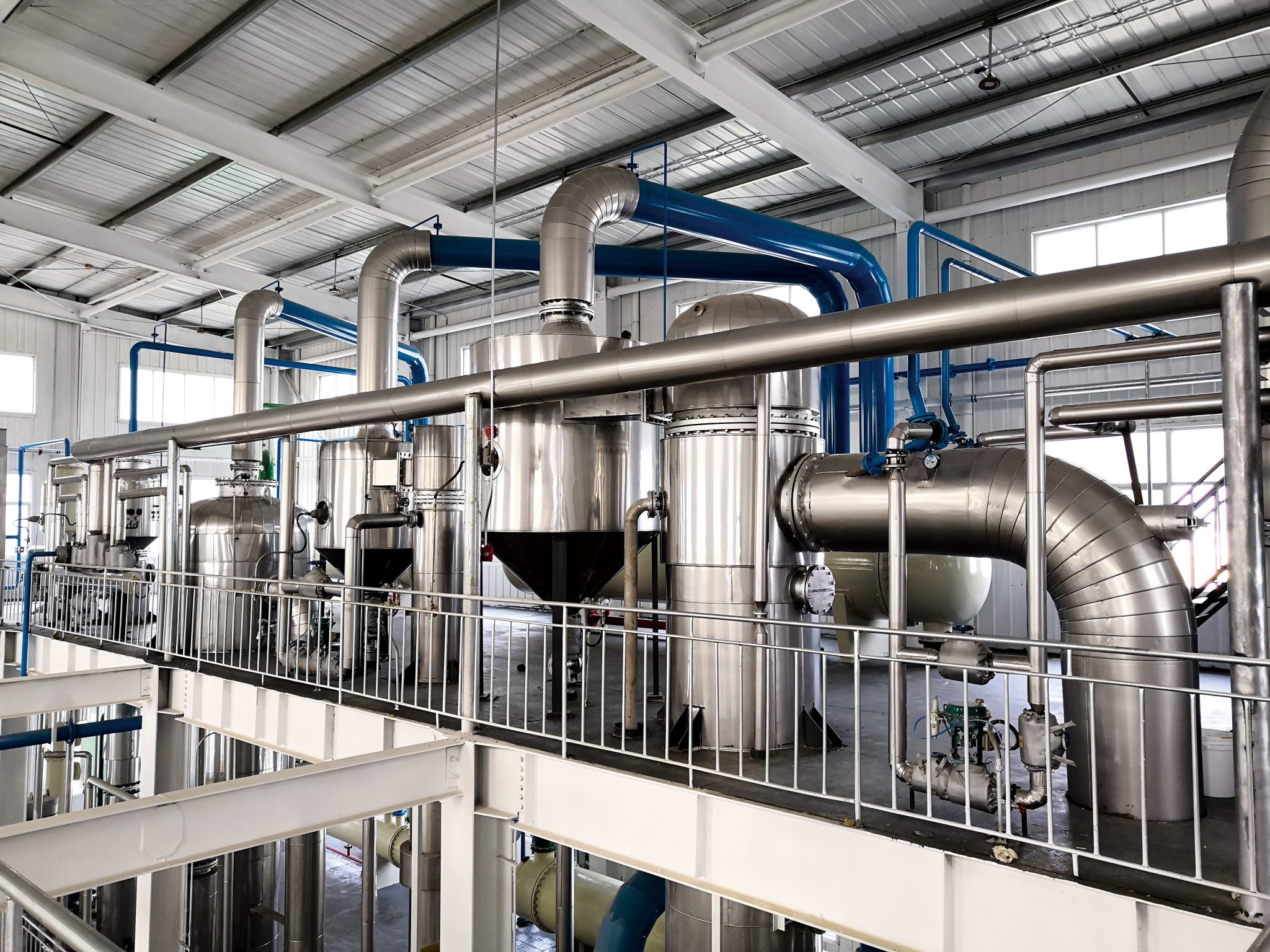
Chemsta has been committed to the extraction technology of soybean protein and has established efficient production lines for many factories.
How to Extract Protein from Soybean: Methods of Extracting Soy Protein
When exploring how to extract protein from soybean, it’s important to understand that multiple approaches are available, each suited to different production goals and processing environments. These methods can be broadly classified into traditional and modern techniques. They vary in terms of complexity, efficiency, and sustainability.
Mechanical Methods
Mechanical extraction primarily includes physical steps such as milling and pressing. While not used alone for protein isolation, these methods are essential for preparing soybeans before chemical or enzymatic processes. Dehulling, flaking, and defatting are typical steps that help increase the surface area and reduce oil content, setting the stage for more efficient protein extraction.
Chemical Methods
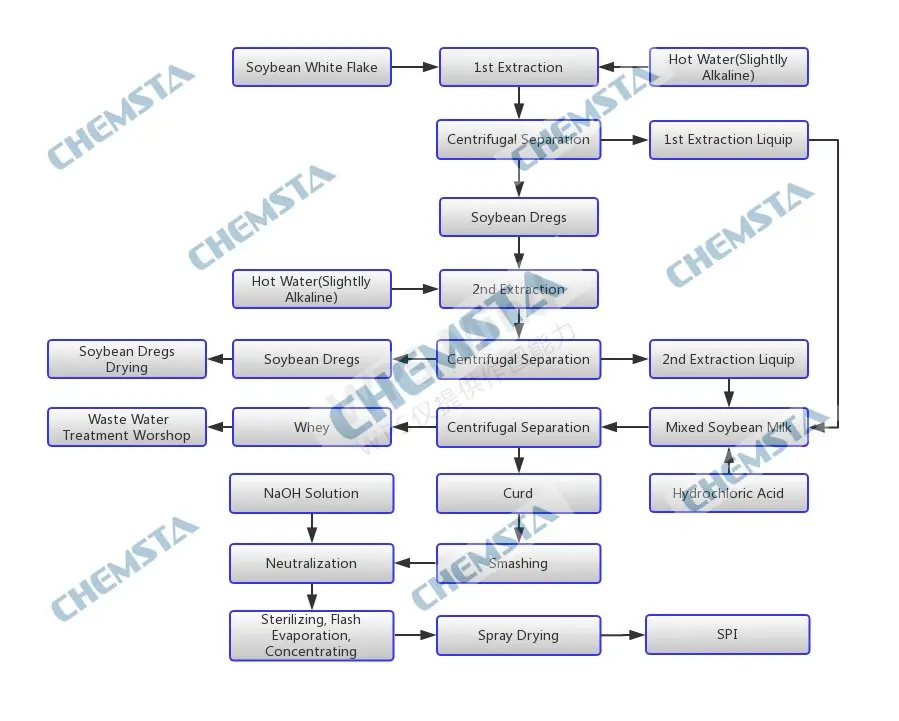
Chemical techniques are some of the oldest and most widely adopted. These methods rely on solubility differences of proteins under various pH conditions. The combination of alkaline solubilization and isoelectric precipitation remains one of the most common approaches, especially in industrial soy protein isolate production.
Enzymatic Methods
The use of enzymes, especially proteases and cellulases, allows for gentle and efficient release of proteins. Enzymatic methods are appreciated for their ability to maintain protein integrity and enhance functionality, which is essential in food applications.
Physical-Assisted Technologies
Modern innovations like ultrasonication, high-pressure homogenization, and microwave-assisted extraction are gaining popularity. These techniques are often used to boost traditional or enzymatic extraction methods by improving cell disruption, increasing yield, and reducing processing time.
Hybrid Techniques
Hybrid systems combine two or more extraction methods to achieve better results. For example, enzyme-assisted alkaline extraction or ultrasound-enhanced enzymatic extraction can lead to higher purity and better functional protein profiles.
Overview of Types of Soy Protein Products and Their Protein Content
| Types of Soy Protein Products | Typical Protein Content (Dry Basis) |
|---|---|
| Soy Flour | 50–54% |
| Soy Protein Concentrate | 65–72% |
| Soy Protein Isolate | 88–92% |
| Textured Soy Protein (TSP) | 50–70% |
| Soy Milk Powder | 35–45% |
| Soy Protein Hydrolysate | 80–85% |
Traditional Methods of Soy Protein Extraction

Alkaline Extraction and Acid Precipitation
This conventional method involves solubilizing soy proteins in an alkaline solution, typically using sodium hydroxide (NaOH). The process includes:
- Defatting: Removing oils from soybeans to obtain defatted soy flour.
- Alkaline Extraction: Mixing the defatted flour with an alkaline solution to solubilize proteins
- Centrifugation: Separating the insoluble residues from the protein-rich solution.
- Acid Precipitation: Adjusting the pH to the isoelectric point (around pH 4.5) using hydrochloric acid, causing proteins to precipitate.
- Neutralization and Drying: Neutralizing the precipitated proteins and drying them to obtain soy protein isolate.
While widely used, this method has drawbacks, including high chemical usage and wastewater production.
Membrane Separation Techniques
Membrane technologies, such as ultrafiltration, offer a more environmentally friendly approach. This method utilizes semi-permeable membranes to separate proteins based on molecular size. The process includes:
- Preparation: Creating a protein-rich solution from defatted soy flour.
- Ultrafiltration: Passing the solution through membranes to concentrate proteins and remove smaller molecules.
- Drying: Drying the concentrated protein solution to obtain soy protein isolate.
Membrane separation reduces chemical usage and preserves protein functionality.
Advanced Extraction Technologies

Enzyme-Assisted Extraction
This method employs specific enzymes to break down cell walls and enhance protein release. The steps include:
- Enzymatic Treatment: Adding enzymes like proteases to the soy slurry.
- Incubation: Allowing the enzymes to act under controlled conditions.
- Separation: Centrifuging the mixture to separate the protein-rich liquid.
- Purification and Drying: Purifying and drying the extract to obtain soy protein isolate.
Enzyme-assisted extraction improves yield and maintains protein integrity.
Ultrasonic Extraction
Ultrasound waves disrupt cell structures, facilitating protein release. The process involves:
- Preparation: Creating a soy slurry.
- Ultrasonic Treatment: Applying ultrasound to the slurry to enhance extraction.
- Separation and Drying: Separating the protein-rich liquid and drying it to obtain soy protein isolate.
This method offers higher yields and better functional properties.
Conclusion
How to extract protein from soybeans? In fact, the method you choose depends on many factors, such as the desired protein quality, environmental factors, and production scale. Advanced technologies such as membrane separation, enzyme-assisted extraction, and ultrasonic extraction can increase protein yield and functionality while minimizing environmental impact.
If you need to know more about soy protein separation technology and equipment, you can contact us – CHEMSTA.
What is the most environmentally friendly method for extracting soy protein?
Membrane separation techniques are considered environmentally friendly due to reduced chemical usage and lower wastewater production.
How does enzyme-assisted extraction improve protein yield?
Enzymes break down cell walls, facilitating the release of proteins and increasing overall yield.
Is ultrasonic extraction suitable for large-scale production?
Yes, ultrasonic extraction can be scaled up, offering high efficiency and improved protein functionality.
What are the main drawbacks of alkaline extraction?
Alkaline extraction involves high chemical usage and generates significant wastewater, posing environmental concerns.
Can multiple extraction methods be combined?
Yes, combining methods like enzyme-assisted and membrane separation can optimize yield and protein quality.