Efficient Corn Oil Production Line for Small Plants
Welcome to My Blog!
Before we dive into the content, I’d love for you to join me on my social media platforms where I share more insights, engage with the community, and post updates. Here’s how you can connect with me:
Facebook:https://www.facebook.com/sdchemsta
Youtube:https://www.youtube.com/channel/UCUAy0CNEiWpw-LxsYscRT1w
LinkedIn: https://www.linkedin.com/company/chemsta-group
Twitter: https://x.com/Chemsta_Group
Now, let’s get started on our journey together. I hope you find the content here insightful, engaging, and valuable.
Table of Contents
Introduction
For entrepreneurs who want to enter the edible oil industry, setting up an efficient corn oil production line for small factories is a strategic move. Corn oil is mainly extracted from corn germ and is highly regarded for its light taste and high smoke point, making it an essential ingredient for culinary applications.
This guide takes an in-depth look at how to tailor a corn oil production line for small-scale businesses. I hope this guide can help you.
Understanding the Corn Oil Production Process
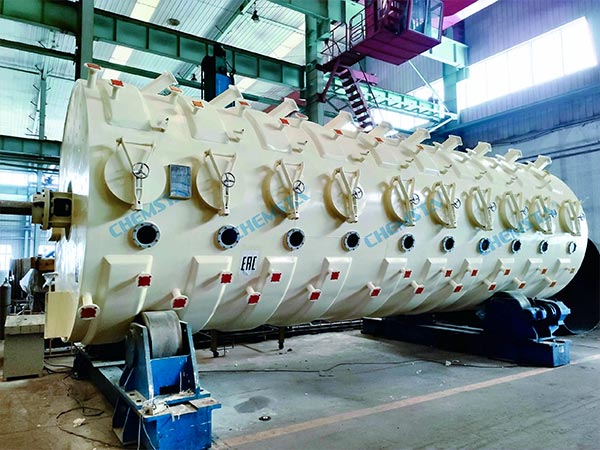
The production of corn oil involves several key stages, each critical to the quality and yield of the final product. For small plants, understanding and optimizing each step can lead to significant improvements in efficiency and profitability.
1. Corn Germ Separation
The first step involves separating the germ from the corn kernel, as the germ contains the majority of the oil. There are three primary methods:
- Dry Method: Mechanical separation without moisture adjustment; simple but yields lower oil content.
- Wet Method: Soaking corn in a sulfurous acid solution, followed by mechanical separation; higher efficiency but more complex.
- Semi-Wet Method: A hybrid approach that balances efficiency and complexity.
For small-scale operations, the dry method is often preferred due to its simplicity and lower capital requirements.
2. Pretreatment and Flaking
Once the germ is separated, it undergoes cleaning to remove impurities, followed by drying to reduce moisture content. The germ is then flaked to rupture cell walls, facilitating oil extraction.
3. Oil Extraction
Oil can be extracted using mechanical pressing, solvent extraction, or a combination of both:
- Mechanical Pressing: Suitable for small plants; involves using a screw press to extract oil.
- Solvent Extraction: Uses solvents like hexane to extract oil; more efficient but requires more complex equipment.
- Combined Method: Initial mechanical pressing followed by solvent extraction to maximize yield.
For small-scale operations, mechanical pressing is often the most feasible option due to its lower complexity and investment.
4. Oil Refining
Crude corn oil contains impurities that must be removed through refining processes:
- Degumming: Removes phospholipids and mucilaginous substances.
- Neutralization: Eliminates free fatty acids.
- Bleaching: Removes pigments and other impurities using activated clay.
- Deodorization: Eliminates odors through steam distillation.
Each step is crucial to ensure the final oil is of high quality and suitable for consumption.
Essential Equipment for Small-Scale Corn Oil Production

Selecting the right equipment is vital for the efficiency and success of a small-scale corn oil production line. Below is a table outlining the essential equipment and their functions:
| Equipment | Function |
|---|---|
| Corn Germ Separator | Separates germ from corn kernels |
| Cleaning Machine | Removes impurities from the germ |
| Dryer | Reduces moisture content in the germ |
| Flaking Machine | Breaks germ into flakes to facilitate oil extraction |
| Screw Oil Press | Extracts oil mechanically from the germ |
| Filter Press | Removes solid particles from the extracted oil |
| Refining Unit | Performs degumming, neutralization, bleaching, and deodorization |
| Storage Tanks | Stores crude and refined oil |
Investing in high-quality equipment ensures operational efficiency, product quality, and longevity of the production line.
Optimizing Efficiency in Small-Scale Corn Oil Production
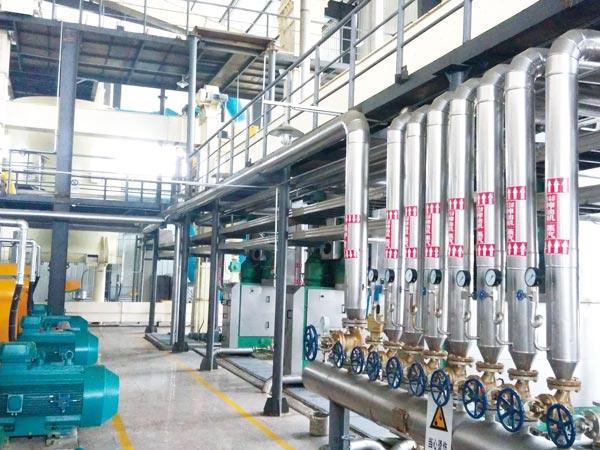
Efficiency is paramount in small-scale operations to maximize output and profitability. Here are strategies to enhance efficiency:
- Process Integration: Combining steps where possible, such as using integrated pressing and filtering machines, reduces handling time and labor.
- Energy Management: Utilizing energy-efficient equipment and recovering heat where possible can lower operational costs.
- Quality Control: Implementing strict quality control measures at each stage ensures product consistency and reduces waste.
- Training: Ensuring staff are well-trained in operating equipment and understanding the process flow minimizes errors and downtime.
By focusing on these areas, small plants can significantly improve their operational efficiency and product quality.
Conclusion
Establishing an efficient corn oil production line in a small plant setting requires careful planning, investment in appropriate equipment, and a thorough understanding of the production process. By focusing on process optimization, equipment selection, and quality control, small-scale operations can produce high-quality corn oil competitively.
Continuous improvement and adaptation to technological advancements will further enhance efficiency and profitability in the long term.
FAQ
What is the typical oil yield from corn germ using mechanical pressing?
Mechanical pressing typically yields about 50% of the oil content in corn germ.
Is solvent extraction necessary for small-scale operations?
While solvent extraction can increase yield, it involves more complex equipment and safety considerations, making mechanical pressing more suitable for small-scale operations.
How can I improve the shelf life of the produced corn oil?
Proper refining, including thorough degumming, neutralization, bleaching, and deodorization, along with appropriate storage conditions, can significantly enhance shelf life.
What are the main impurities removed during the refining process?
The refining process removes phospholipids, free fatty acids, pigments, and odor-causing compounds.
Can the by-products of corn oil production be utilized?
Yes, by-products like press cake can be used as animal feed, adding value to the production process.