Extraction of Edible Oil: What You Need to Know
Welcome to My Blog!
Before we dive into the content, I’d love for you to join me on my social media platforms where I share more insights, engage with the community, and post updates. Here’s how you can connect with me:
Facebook:https://www.facebook.com/sdchemsta
Youtube:https://www.youtube.com/channel/UCUAy0CNEiWpw-LxsYscRT1w
LinkedIn: https://www.linkedin.com/company/chemsta-group
Twitter: https://x.com/Chemsta_Group
Now, let’s get started on our journey together. I hope you find the content here insightful, engaging, and valuable.
Table of Contents
Introduction
Curious about the journey from seed to bottle? The extraction of edible oil relies on a blend of sophisticated equipment and smart processing techniques. Let’s walk you through the key steps, from pre-treatment all the way to refining—while focusing on the machinery that makes high-quality edible oil possible.

Overview of extraction of edible oil methods
There are two primary methods used: mechanical pressing (cold and hot pressing) and solvent extraction. Each has its place depending on capacity, seed type, and desired oil characteristics.
Cold pressing
Operates below 60°C to preserve nutrients and aroma. Ideal for premium oils, though yields are typically lower.
Hot pressing
Involves pre‑heating seeds to 90–120°C for easier oil release. Offers higher yields at the expense of some heat‑sensitive properties.
Solvent extraction
Scales well for high-volume processing. Equipment like extractors, desolventizers, and distillers achieve yields above 98%, according to industry studies.
Key equipment used in extraction of edible oil
Seed cleaning machine
Removes contaminants like stones and plant debris.
Dehuller and flaking machine
Splits seed coats and flattens kernels—enhancing oil release.
Conditioning cooker
Applies heat and moisture, optimizing the pressing stage.
Screw press (expeller)
Performs mechanical pressing; durable, low-maintenance, and crucial for cold or hot pressing operations.
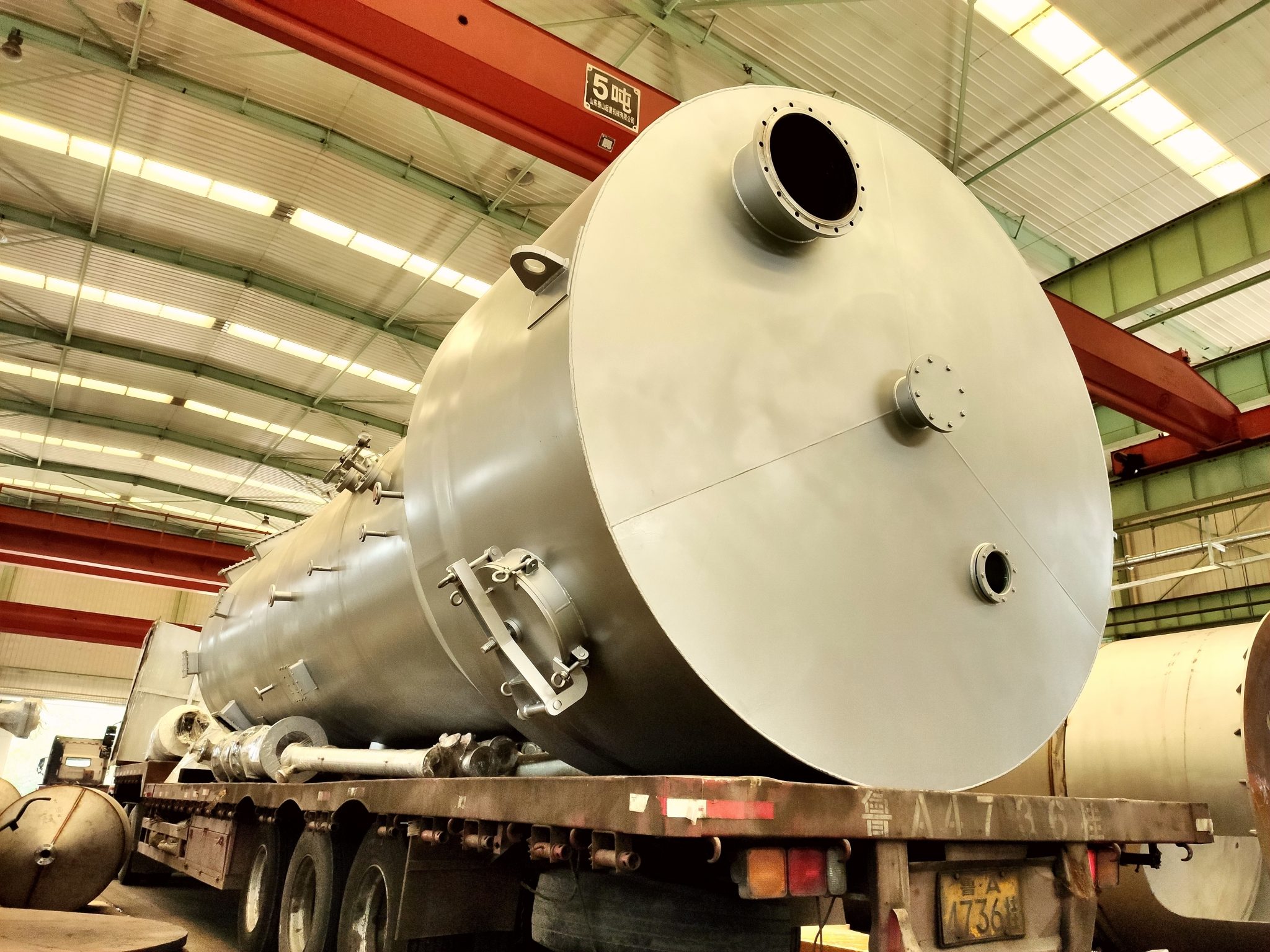
Solvent extractor
Implements counter-current extraction; supports continuous processing in industrial plants.
Desolventizer-toaster (DT)
Recovers solvent from meal, detoxifies and readies the meal for use as feed.
Distillation & refining units
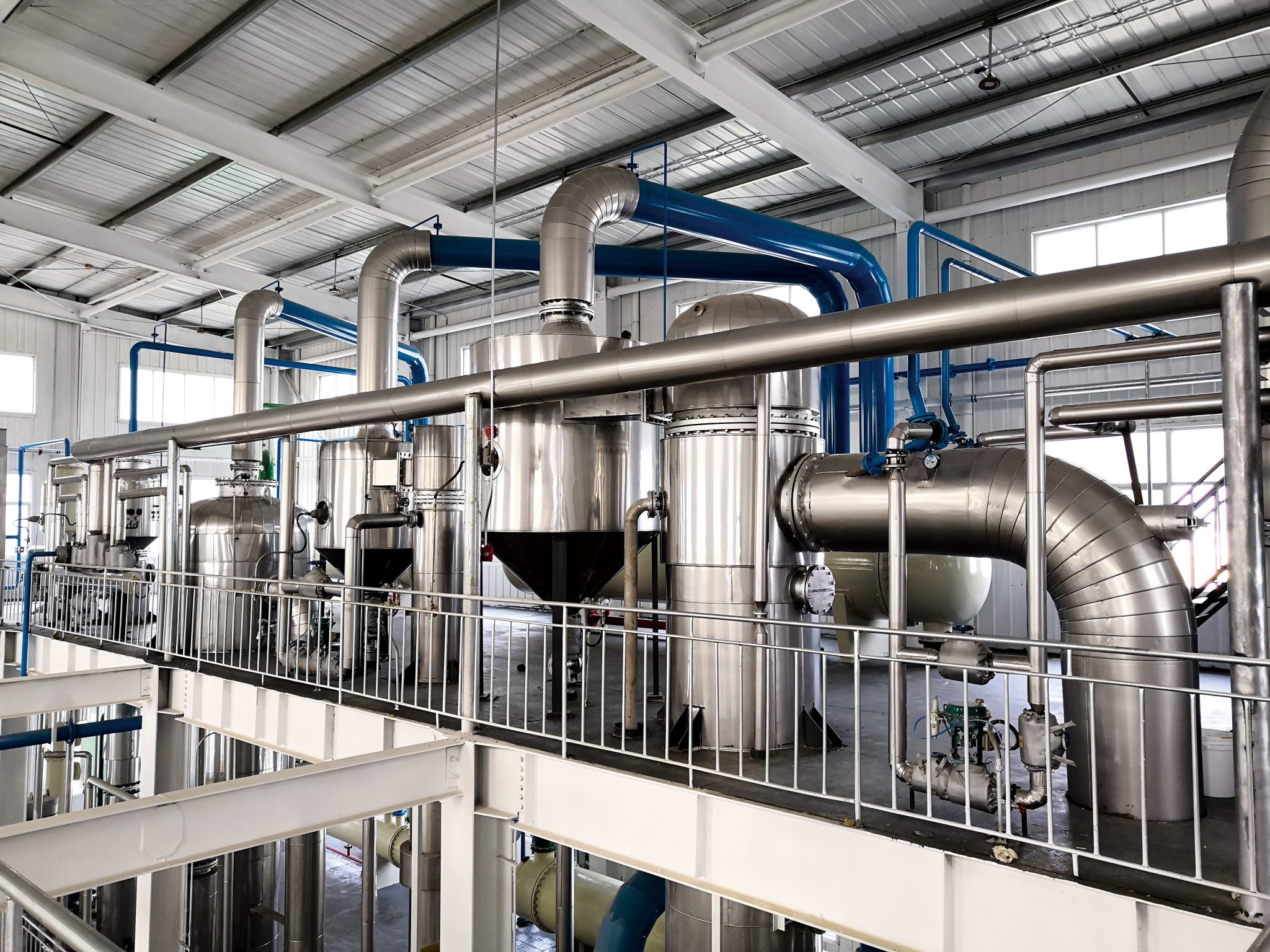
Includes heaters, vacuum systems, and filters that remove solvents, gums, and impurities to ensure edible quality and stability.
Table: Comparison of pressing and solvent extraction equipment
| Extraction Stage | Equipment | Purpose | Capacity Range |
|---|---|---|---|
| Cleaning | Seed cleaner | Removes debris from raw seed | 1–10 t/h |
| Preparation | Dehuller/flaker | Hull removal, kernel flaking | 0.5–5 t/h |
| Conditioning | Cooker | Moisture and heat treatment | 1–8 t/h |
| Pressing | Screw press | Oil extraction by mechanical means | 0.5–5 t/h |
| Solvent extraction | Extractor, DT, distiller | High-yield oil recovery | 5–50 t/h |
| Refining | Neutralizer, filter, deodorizer | Impurity removal | Batch or continuous, various capacities |
Mechanical pressing vs solvent extraction
Yields and efficiency
Cold pressing yields 60–70% of seed oil, while hot pressing improves to 70–80%. Solvent extraction surpasses 95%—ideal for large-scale plants.
Oil quality and specifications
Cold pressing preserves flavor compounds and nutrients. Hot pressing slightly lowers quality. Solvent-extracted oil requires deeper refining but can meet stricter purity standards.
Energy and operating cost
Pressing consumes less energy and has lower operating costs. Solvent extraction demands energy for distillation and solvent recovery—but achieves higher yield per ton of seed.

Best practices for extractive equipment operation
- Maintain pre-treatment steps like cleaning, dehulling, and flaking to optimize extraction.
- Control temperatures and moisture precisely in conditioning to avoid denaturation.
- Clean screw press and exchange filters regularly to avoid clogging and efficiency loss.
- Monitor solvent concentration and safety systems strictly when using extractors.
- Ensure refining stages align with standards for peroxide value, free fatty acids, and color.
Conclusion
Extraction of edible oil blends traditional craftsmanship with cutting-edge engineering. Whether you’re exploring cold-press premium oils or scaling with solvent extraction, the right equipment ensures efficiency, quality, and profitability. At Chemsta, we guide you through the entire equipment lifecycle—from system design to commissioning—so you can extract optimal value at every step.
FAQ
Which extraction method gives the highest oil yield?
Solvent extraction yields up to 98% of available oil but needs more complex refining systems.
Is cold-pressed oil always superior in quality?
Yes, for taste and nutrient retention. But it yields 20–30% less oil than solvent or hot pressing.
How often should screw press parts be maintained?
Inspect screws and bearings every 1,000 hours of operation; replace worn plates promptly to maintain efficiency.
What safety systems are needed for solvent extractors?
Install vapor recovery, explosion-proof electrical equipment, and continuous leak monitoring to meet safety best practices.
Can we combine pressing and solvent processes?
Yes, a hybrid model uses pressing to recover 70–80% initial oil and then solvent extraction for meal to achieve over 95% total yield.