Vegetable Oil Extraction Process: From Seed to Oil
Table of Contents
Introduction
Have you ever wondered how oil extracted from tiny seeds becomes the vegetable oil you need for cooking or industrial applications? The vegetable oil extraction process is more than just pressing the seeds; it is a series of carefully designed steps designed to ensure you get the purest and most efficient oil yield.
We will now explain the vegetable oil extraction process from seed to oil in detail, hoping that it will be helpful to you.

What Is the Vegetable Oil Extraction Process?
The vegetable oil extraction process refers to the set of mechanical and chemical procedures that transform oil-rich seeds or nuts into usable oils. This process typically involves seed cleaning, mechanical pressing, solvent extraction, and refining.
Different types of seeds require slightly different approaches, but the overall process remains relatively consistent across raw materials such as soybeans, rapeseeds, sunflower seeds, palm kernels, and more.
| Extraction Stage | Description | Typical Equipment |
|---|---|---|
| Seed Cleaning | Removing impurities (dust, stones, husks) | Seed cleaner, magnetic separator |
| Crushing & Conditioning | Breaking down seed structure for oil release | Hammer mill, flaking machine |
| Mechanical Pressing | First oil extraction using pressure | Screw press, expeller |
| Solvent Extraction | Extracting remaining oil using hexane solvent | Solvent extractor, desolventizer |
| Oil Refining | Removing impurities for edible or industrial oil | Neutralizer, deodorizer, bleacher |
According to data from the International Oil Council, mechanical pressing alone typically extracts about 70-75% of the available oil, while solvent extraction pushes overall yields above 95%. This efficiency is one reason why solvent extraction is widely adopted in commercial vegetable oil extraction processes.
Seed Preparation: The Crucial First Step in the Vegetable Oil Extraction Process
Cleaning and Sorting Seeds for High-Quality Extraction
The vegetable oil extraction process begins with selecting and cleaning raw seeds. Clean seeds not only improve oil quality but also protect expensive machinery from wear and tear. This step includes removing stones, metals, and other debris using vibrating sieves, air classifiers, and magnetic separators.
Crushing and Conditioning for Better Oil Release
After cleaning, seeds are crushed and conditioned. Crushing breaks the seeds into flakes, increasing the surface area, which allows for easier oil extraction. Conditioning involves heating the crushed seeds to optimize oil flow and inactivate enzymes that could degrade oil quality.

Mechanical Pressing vs. Solvent Extraction: Choosing the Right Vegetable Oil Extraction Process
Mechanical Pressing: Simple but Less Efficient
Mechanical pressing is the oldest method in the vegetable oil extraction process. In this stage, a screw press or hydraulic press applies pressure to force oil out of the seeds. This step typically captures the bulk of the oil content but leaves behind some residual oil in the seed cake.
Pros:
- Chemical-free
- Simple operation
- Lower initial investment
Cons:
- Lower oil yield
- Higher energy consumption per unit of oil
Solvent Extraction: Maximum Oil Yield with Chemical Assistance
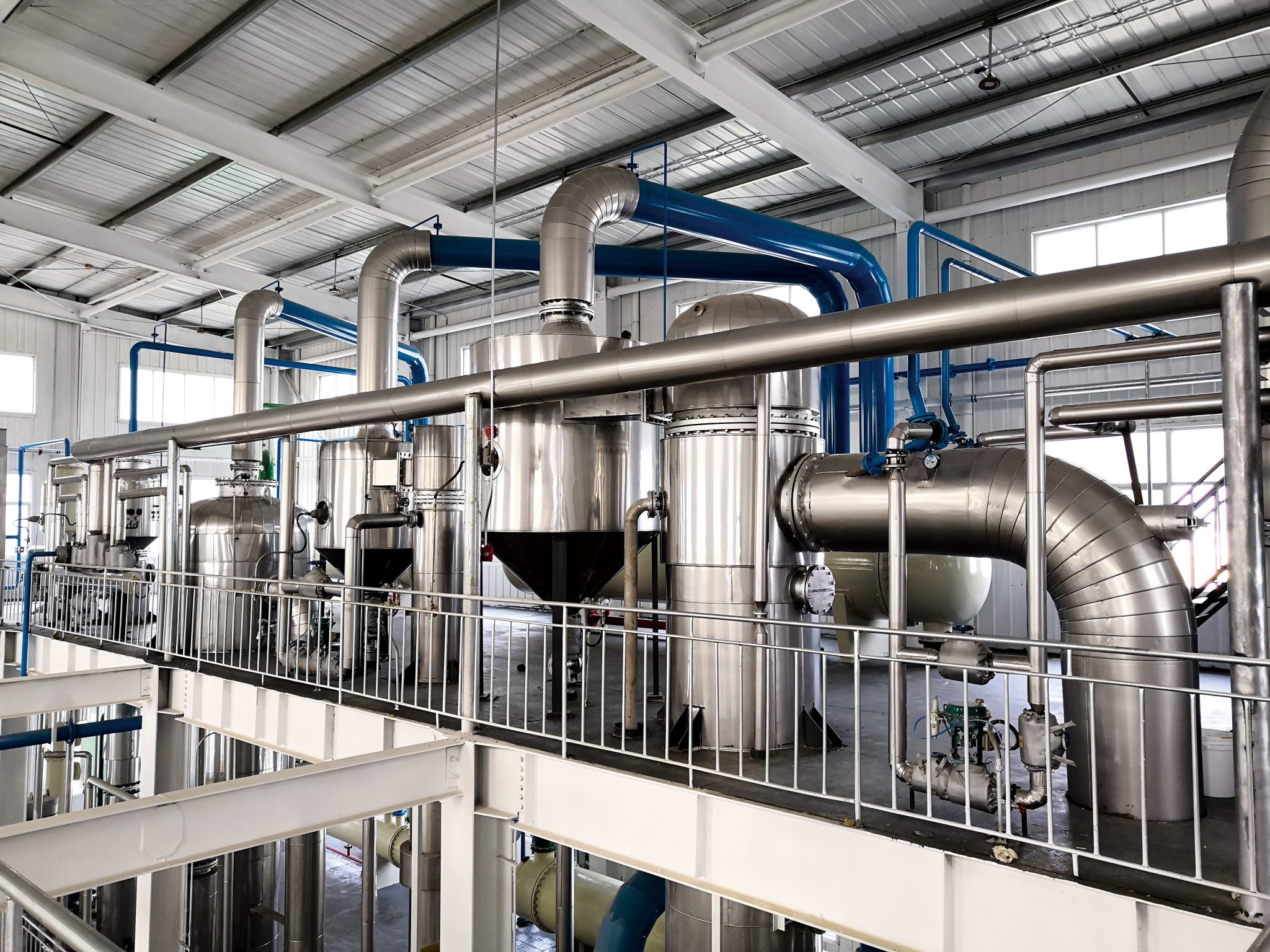
Solvent extraction takes the remaining seed cake from the pressing stage and washes it with a solvent (commonly hexane) that dissolves the remaining oil. The solvent-oil mixture is then heated to evaporate the solvent, leaving behind pure oil.
Pros:
- Higher oil yield (up to 98%)
- Cost-efficient for large-scale production
- Minimizes seed waste
Cons:
- Requires chemical handling expertise
- Higher initial equipment cost
According to the Global Vegetable Oil Market Analysis 2024, over 85% of large-scale oil production facilities now use a combination of pressing and solvent extraction to maximize efficiency and reduce environmental waste.
Refining: Turning Crude Oil Into Usable Vegetable Oil
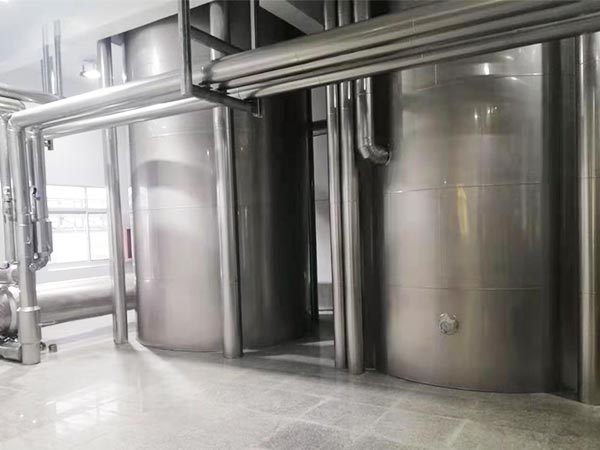
Once the oil is extracted, it’s not yet ready for your kitchen or for industrial applications. Crude oil contains impurities like free fatty acids, phospholipids, pigments, and odors.
The refining stage in the vegetable oil extraction process includes several steps:
- Degumming: Removing phospholipids using water or acid treatment.
- Neutralization: Using alkali to remove free fatty acids.
- Bleaching: Filtering through clay or activated carbon to remove pigments.
- Deodorizing: Heating under vacuum to remove odor compounds.
Each step in this refining process ensures that the final vegetable oil meets food safety standards and consumer preferences.
Environmental and Economic Impact of the Vegetable Oil Extraction Process
Modern vegetable oil extraction processes are designed not only for efficiency but also for sustainability. Solvent recovery systems, waste heat utilization, and energy-efficient machinery have reduced the environmental footprint of oil production.
According to a report from the International Energy Agency, the vegetable oil extraction process accounts for a significant share of energy use in the food processing sector, but new technologies have reduced energy consumption by up to 30% in the last decade.
Economic benefits also follow. Efficient extraction means less waste, lower production costs, and higher profitability for producers. Plus, byproducts like seed cake are used as animal feed or biofuel feedstock, further maximizing resource use.
Conclusion
The vegetable oil extraction process transforms humble seeds into the oils that power kitchens, industries, and even biofuels worldwide. By breaking down each stage—seed preparation, mechanical pressing, solvent extraction, and refining—you now have a clear understanding of how this essential process works.
Whether you’re planning to start your own production facility, improve an existing process, or simply expand your industry knowledge, understanding the vegetable oil extraction process helps you make better, more sustainable choices.
If you’re looking to optimize your oil production or source high-quality extraction equipment, get in touch with our team today. We provide expert advice, technical solutions, and ongoing support to help your operation succeed.
FAQ
Which seeds are commonly processed through the vegetable oil extraction process?
Popular seeds include soybeans, sunflower seeds, rapeseeds (canola), cottonseeds, palm kernels, and peanuts.
Is solvent extraction safe?
Yes, when performed with proper safety protocols and equipment, solvent extraction is a safe and industry-standard method. The final vegetable oil contains no solvent residues, as verified by food safety standards.
Can small businesses use the vegetable oil extraction process?
Absolutely. Small-scale presses and mini solvent extractors are available for small businesses or niche oil production. While the scale differs, the basic vegetable oil extraction process remains the same.
How long does the entire vegetable oil extraction process take?
It varies by plant capacity and technology. For a continuous operation, the entire process from seed cleaning to refined oil can take several hours.