Comprehensive Guide: Vegetable Oil Production Lines
Welcome to My Blog!
Before we dive into the content, I’d love for you to join me on my social media platforms where I share more insights, engage with the community, and post updates. Here’s how you can connect with me:
Facebook:https://www.facebook.com/sdchemsta
Youtube:https://www.youtube.com/channel/UCUAy0CNEiWpw-LxsYscRT1w
LinkedIn: https://www.linkedin.com/company/chemsta-group
Twitter: https://x.com/Chemsta_Group
Now, let’s get started on our journey together. I hope you find the content here insightful, engaging, and valuable.
Table of Contents
Introduction
Vegetable oils are a staple food in households around the world and a key ingredient for the food industry. As demand continues to grow, investing in an efficient vegetable oil production line is essential for vegetable oil producers.
Chemsta’s turnkey solutions are based on more than 30 years of engineering experience, providing custom designs, energy-efficient systems and ISO-compliant production lines to customers around the world.
This guide will walk you through the entire process – raw material pre-treatment, extraction technology, refining stages, automation and procurement – so you can make an informed decision and optimize your return on investment.

What is a Vegetable Oil Production Line?
An industrial system that transforms oil‑rich seeds (like soybean, rapeseed, sunflower, peanut, cottonseed, corn germ) into edible oil via pretreatment, extraction, refining, and packaging. It’s widely used across food processing and agricultural enterprises.
Core Process Flow
- Raw Material Pretreatment: cleaning, dehulling, flaking or crushing
- Primary Oil Extraction: screw/hydraulic pressing or solvent extraction
- Desolventizing & Meal Handling (if solvent method)
- Crude Oil Recovery
- Refining: degumming, neutralizing, bleaching, deodorizing, winterization
- Storage & Packaging/refill systems
Extraction Methods
Mechanical Pressing
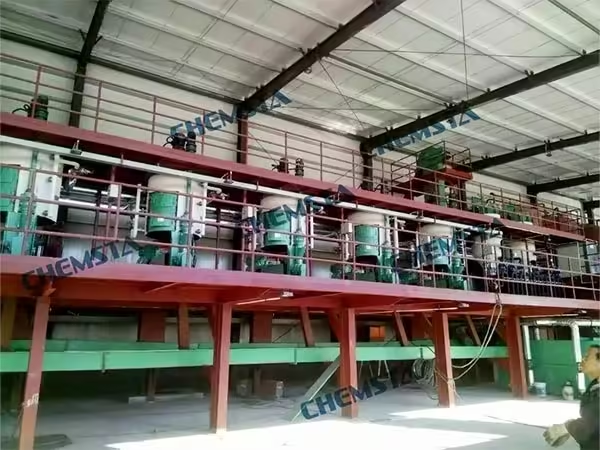
- Screw or hydraulic presses are suitable for medium to small‑scale setups.
- Cold pressing (<50 °C) preserves oil flavor and nutritional quality but yields are lower (35–50%) than solvent methods.
Solvent Extraction
- Used at industrial scale to recover up to 95–98% of residual oil via loop extractors or rotary extractors with miscella recycling.
Refining Process
Refining transforms crude oil into food‑safe, high‑quality edible oil:
- Degumming – remove phospholipids with water or acid
- Neutralization – alkali treatment to reduce free fatty acids
- Bleaching – remove pigments and metals using activated earth and vacuum filtration
- Deodorization – steam under vacuum to eliminate odor and volatile impurities
- Winterization (optional) – for oils like sunflower or corn to remove waxes
Key Equipment
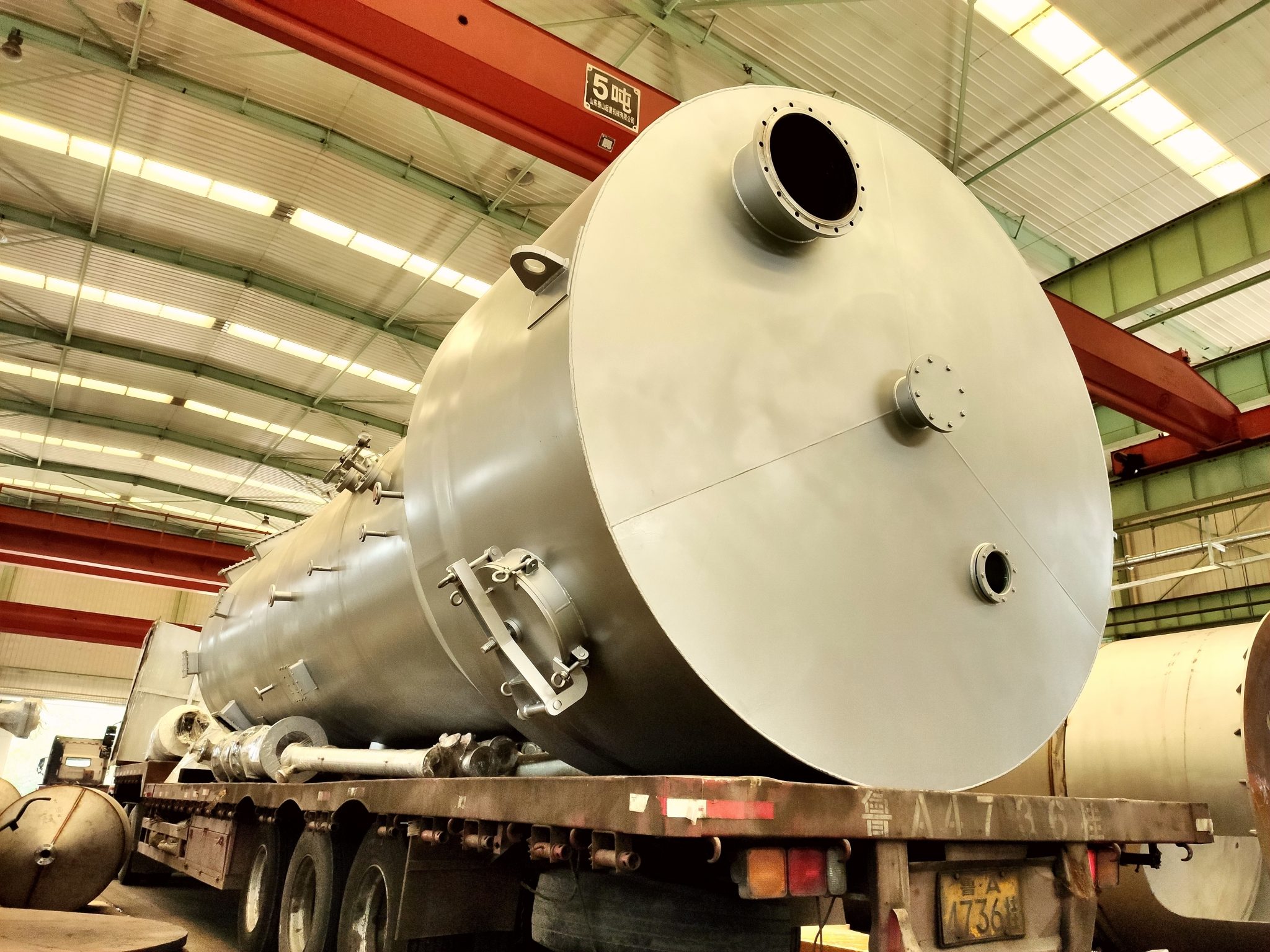
Chemsta provides a full set of equipment, including:
- Cleaning, dehuller, magnetic separator, flaker for pretreatment
- Screw / hydraulic oil press, or solvent extraction systems like loop or rotary extractors
- Desolventizer‑toaster, meal conveyors, and dryers for solvent lines
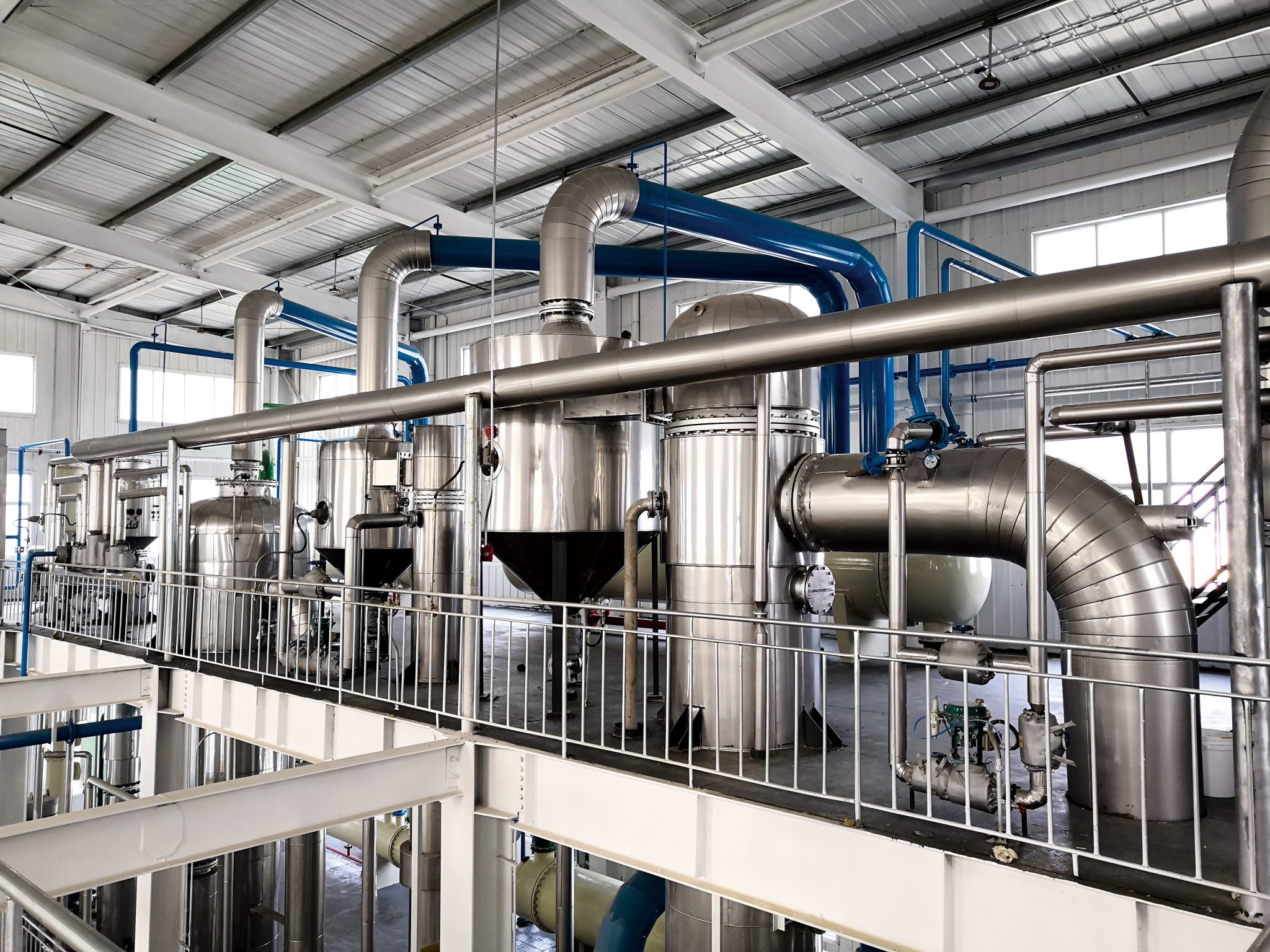
- Refining units: degumming reactors, neutralizers, bleaching towers, vacuum bleachers, filters, deodorizing tower, heat exchangers, centrifuges, vacuum pumps
Automation & Control
Fully integrated control systems monitor flow rates, temperatures, solvent concentration, equipment status, energy usage, yield tracking, and alarms. Automation boosts consistency, reduces labor, and improves traceability—essential for export or corporate-grade clients.
Capacity Planning & Layout
Chemsta supports lines from 50 to over 1,000 tons/day crude oil processing, scalable per customer. They design modular, expandable systems tailored to raw material, facility size, and efficiency targets.
Procurement & Turnkey Delivery
Chemsta offers:
- End‑to‑end design and manufacturing
- Shipping logistics and site installation
- Commissioning, staff training (on-site or remote)
- Lifetime technical support and spare parts supply
Why Choose Chemsta?

- Over 30 years experience and 500+ valid installations globally
- Food‑grade stainless‑steel systems, ISO/CE certified
- Energy‑efficient designs (heat recovery, VOC control)
- Modular and scalable layout with automated control
- Long‑term technical support, lab integration, and training
FAQ
What oilseed types are supported?
Soybean, rapeseed, sunflower, peanut, cottonseed, corn germ, sesame, rice bran, etc.
What are typical yields?
Mechanical pressing yields ~35‑50%; solvent systems can reach 95–98% total yield.
How long to install a full line?
Typically 3–5 months for manufacturing, delivery, installation, and commissioning.
Is solvent extraction safe?
Yes—systems are sealed, explosion‑proof, and include solvent recovery and VOC controls.