How to Isolate Protein From Soybean?

Ever wondered how that humble soybean transforms into the high-powered protein powder in your smoothie or the key ingredient in your favorite meat alternative? The journey from bean to pure protein is a fascinating blend of science and engineering. Today, we’re pulling back the curtain on how to isolate protein from soybean, giving you an insider’s look at the industrial processes that are fueling the global shift towards sustainable nutrition.
Let’s explore the essentials of isolating protein from soybeans.
Table of Contents
The Step-by-Step Process of Isolating Soy Protein
Isolating soy protein on an industrial scale is a multi-stage process that requires precision, advanced technology, and robust equipment. Here’s a simplified breakdown of the core steps involved, from raw soybean to finished protein product. The fundamental knowledge of how to isolate protein from soybean begins here.
Step 1: Preparing the Foundation – Creating Soybean White Flakes
Before we can even think about protein, we need the right starting material: low-temperature soybean meal, often called “white flakes”. This isn’t your standard soybean meal. The key is to remove the oil without using high heat, which would denature the protein and make it unusable for isolation.
The process includes:
1. Pre-treatment: Cleaning, conditioning, and dehulling the soybeans to remove impurities and the outer shell.
2. Flaking: The prepared beans are passed through flaking machines to create thin flakes, increasing the surface area for efficient oil extraction.
3. Low-Temperature Solvent Extraction: The flakes are washed with a solvent (like hexane) to remove the soybean oil. A critical piece of equipment here is the Desolventizer Toaster Dryer Cooler (DTDC), which gently removes the solvent without cooking the protein.
The result? Pristine soybean white flakes with high protein solubility—the perfect raw material for protein isolation. We’ve engineered and installed numerous white flake production lines, with capacities ranging from 100 to 800 tons per day, setting the stage for high-quality protein extraction.
Step 2: From Flakes to Protein – The Extraction and Isolation Journey
This is where the magic really happens. We now take the soybean white flakes and isolate the protein from the other components like carbohydrates and fibers. This step truly defines how to isolate protein from soybean. The methods for SPC and SPI differ slightly.
For Soy Protein Isolate (SPI):
1. Alkaline Extraction: The white flakes are mixed with an alkaline solution (like water with adjusted pH). This dissolves the protein, separating it from the insoluble fiber.
2. Centrifugal Separation: The mixture is spun in industrial centrifuges to separate the liquid protein solution from the solid soybean residue (which can be processed into soy dietary fiber).
3. Acid Precipitation: The pH of the protein solution is lowered to its isoelectric point. At this specific pH, the protein is least soluble and precipitates out of the solution, forming a protein curd.
4. Washing and Neutralizing: The protein curd is washed multiple times to remove soluble sugars and minerals, further purifying it. It’s then neutralized to a more palatable pH.
5. Spray Drying: The purified protein slurry is sprayed into a hot air chamber. The water evaporates instantly, leaving behind a fine, highly pure Soy Protein Isolate powder (over 90% protein).
For Soy Protein Concentrate (SPC):
The goal with SPC is to remove soluble sugars while retaining the protein. One of the most advanced methods is the alcohol extraction method.
1. Alcohol Leaching: The soybean white flakes are washed with an aqueous alcohol solution. This removes the soluble carbohydrates and other anti-nutritional factors.
2. Desolventizing: The remaining protein-rich material is then desolventized to remove the alcohol.
3. Drying and Milling: The product is dried and milled into a uniform Soy Protein Concentrate powder (around 70% protein).
CHEMSTA has been recognized for its innovation in this area, winning the first prize from the China Grain and Oil Society for our large-scale intelligent alcohol method for SPC production.
Our Experience in Action: Building World-Class Protein Plants
Talk is one thing, but results are what matter. At CHEMSTA, we’ve demonstrated our expertise through numerous large-scale projects.
| Client/Project | Project Type | Key Highlight |
| Amur Agricultural (Russia) | Soybean Protein Isolate (SPI) | A national key project in Russia, showcasing our turnkey capabilities from flakes to final SPI powder. |
| Shandong Wonderful Group | Food-Grade SPC | The world’s largest single-production line for food-grade SPC, built on a 20-year partnership. |
| Shandong Sinoglory | Food-Grade SPC | A benchmark project setting new standards for single-line food-grade concentrated protein production. |
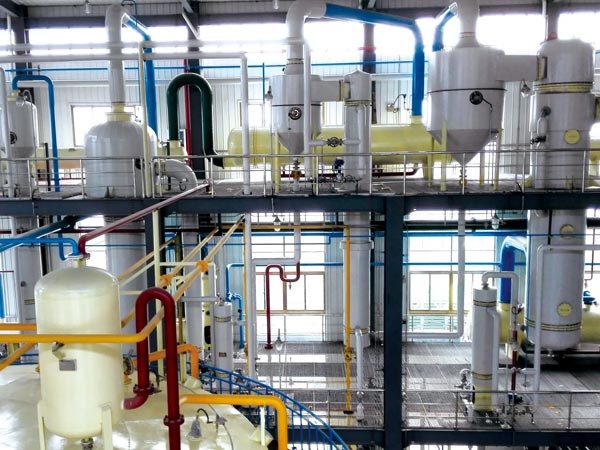
These projects highlight our ability to deliver integrated, turnkey solutions—from initial design and equipment manufacturing to installation and commissioning. Our team of over 110 engineers and technical experts ensures every plant operates at peak efficiency.
Conclusion
Isolating protein from soybeans is more than just a process; it’s a cornerstone of the modern food industry. By leveraging advanced technologies like low-temperature extraction and intelligent automation, we can unlock the full potential of this incredible plant resource.
As a company that has participated in setting national and industry standards and holds over 120 patents, we are committed to pushing the boundaries of what’s possible. The next time you enjoy a product made with soy protein, you’ll know the incredible journey of engineering and innovation that went into it.
Ready to build the future of food? Contact our team of experts at [email protected] to discuss your vegetable protein project!
FAQ
What’s the main difference between Soy Protein Isolate (SPI) and Soy Protein Concentrate (SPC)?
The primary difference is protein content. SPI is the purest form, containing over 90% protein on a dry basis, making it ideal for beverages, dairy alternatives, and nutritional supplements. SPC typically contains around 70% protein and is used in a wider range of food products, including baked goods and meat systems, as well as high-quality animal feed.
Why is “low-temperature” processing so important for soy protein?
High temperatures can damage, or “denature,” the protein’s structure. This reduces its solubility and functionality (e.g., its ability to emulsify or form gels), which are critical for its use in food applications. Low-temperature processing, especially during the oil extraction phase to create “white flakes,” preserves the protein’s natural qualities.
What equipment is essential for isolating soy protein?
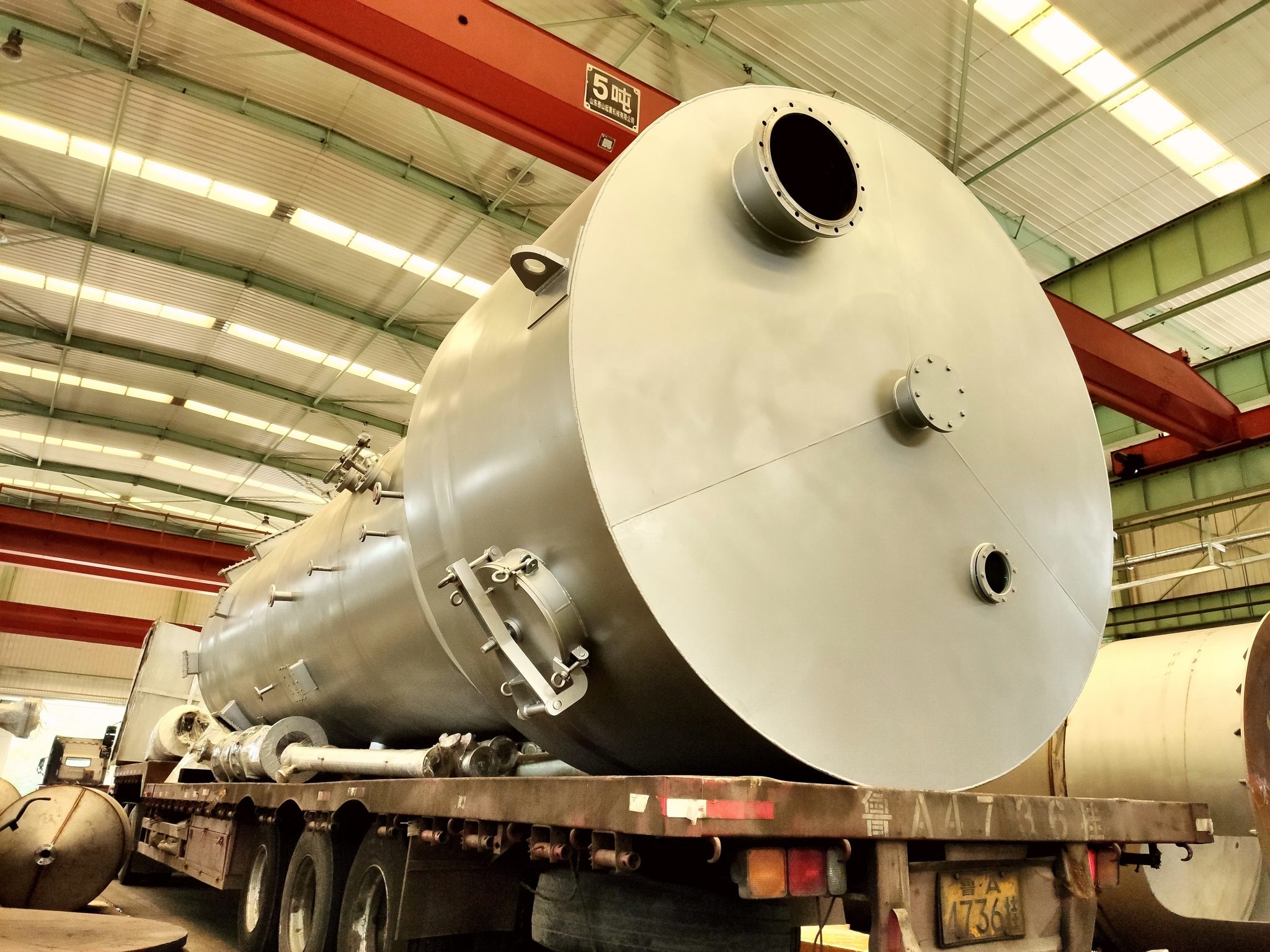
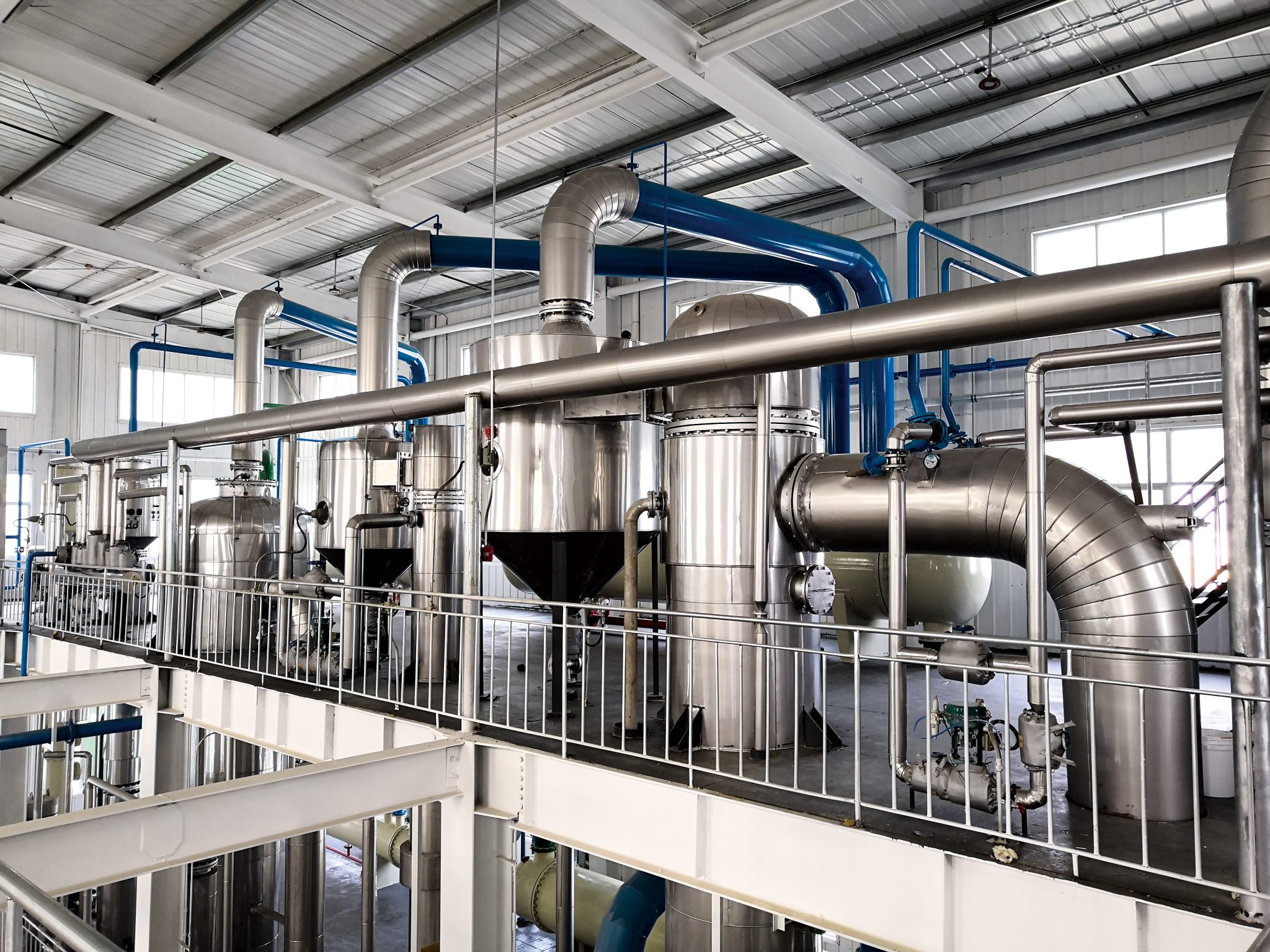
A full production line includes pre-treatment equipment (like conditioners and flakers), solvent extraction (extractors and DTDCs), and protein isolation (centrifuges, reaction tanks, and spray dryers). CHEMSTA designs and manufactures a complete set of this specialized equipment, including our patented Drag Chain Extractor.
Can you build a complete turnkey plant for soy protein production?
Absolutely. This is our specialty. CHEMSTA provides complete turnkey project services, which means we handle everything from the initial plant layout and process design to equipment manufacturing, installation, and after-sales service. We’ve successfully built hundreds of plants for clients in over 50 countries.
What is the role of automation in a modern soy protein plant?
Automation is key to ensuring consistency, efficiency, and safety. Our modern plants use advanced control systems (like SIEMENS PLC+WINCC) that allow the entire production line to be managed automatically by a computer. This leads to stable operation, reduced energy consumption, and easier production management.