Why Choose Plant-Based Food Processing Equipment
Table of Contents
Introduction
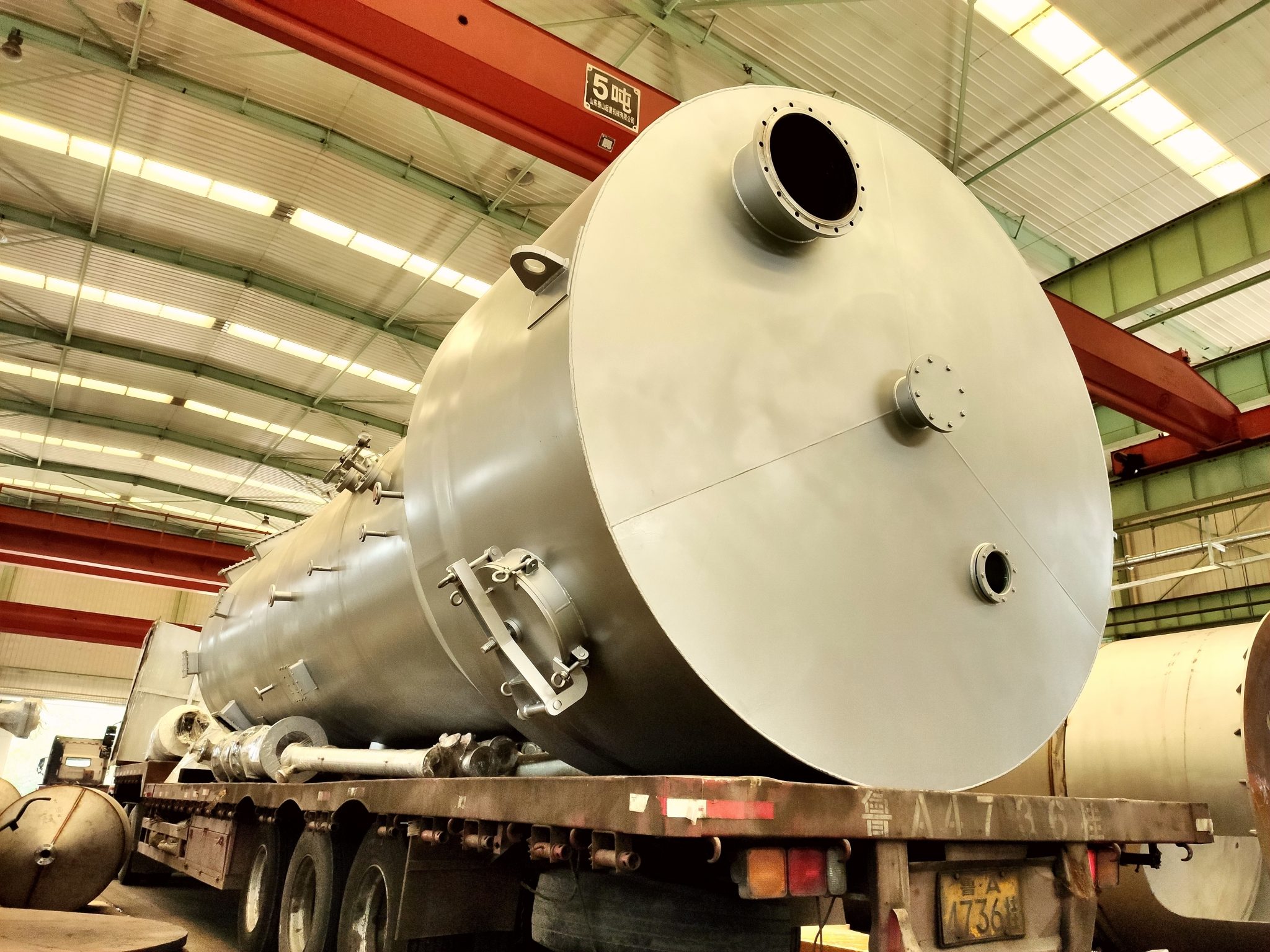
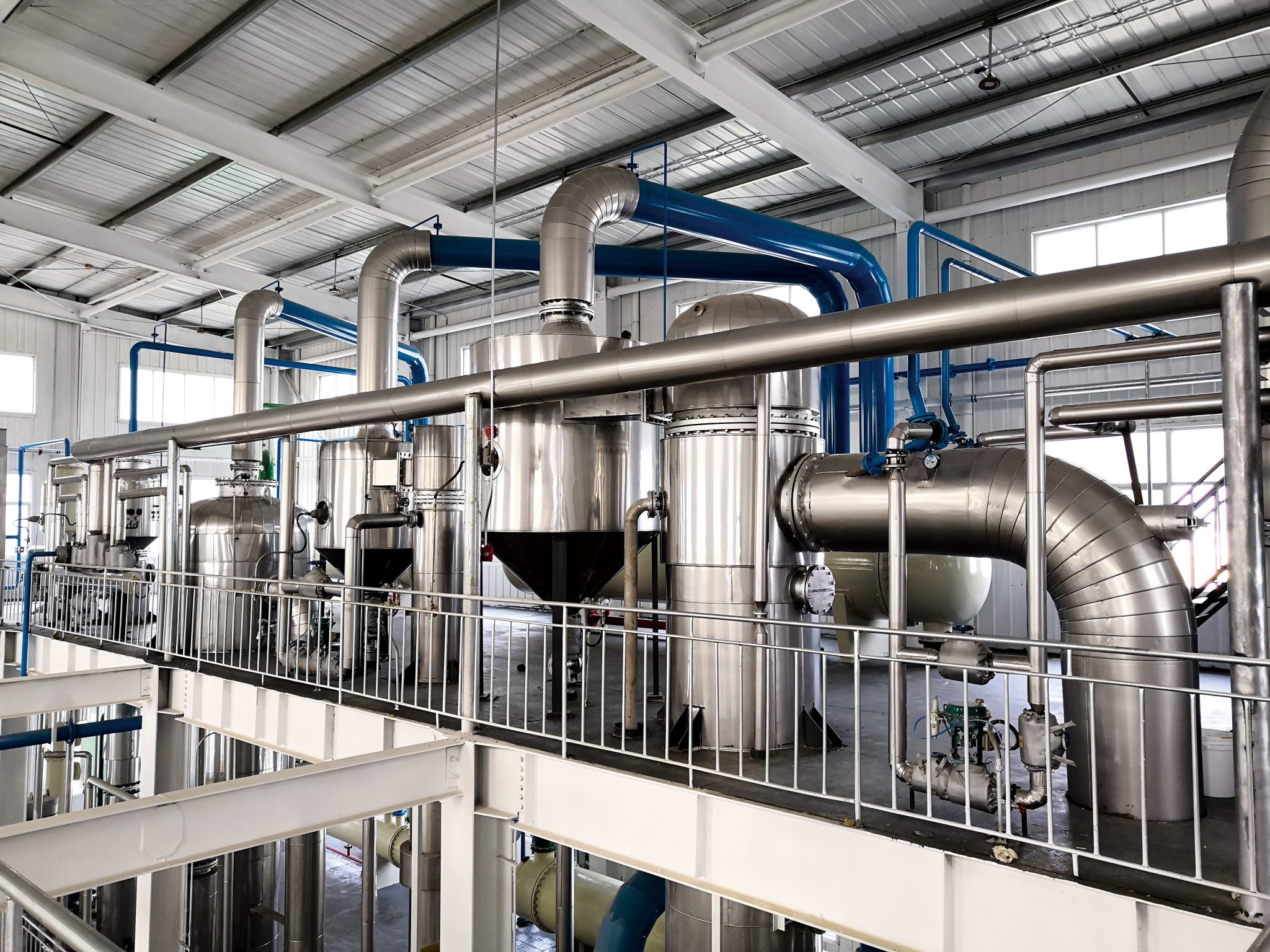
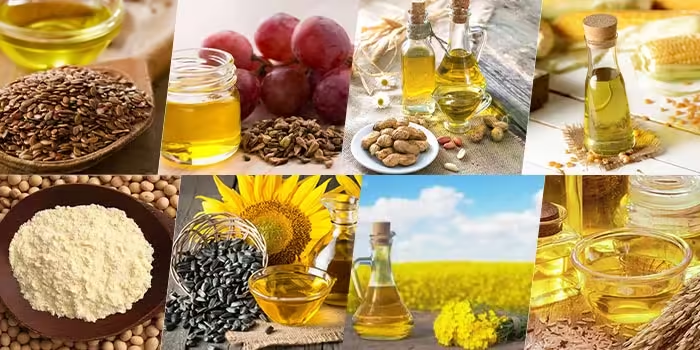
As the plant-based food industry continues to gain momentum, manufacturers must adapt by integrating cutting-edge processing equipment into their production lines. From plant oil extraction to soy protein concentration, investing in the latest plant-based food processing equipment is crucial to meet rising consumer demand for sustainable, high-quality products.
In this blog, we explore the growing importance of advanced processing equipment in the plant-based food sector. We will discuss how these technologies improve operational efficiency, enhance product quality, and support sustainability initiatives—helping food manufacturers stay ahead in a rapidly changing market.

Why Advanced Processing Equipment Matters
The efficiency and quality of plant-based food processing equipment directly affect the success of food manufacturers. By automating complex processes like oil extraction and protein isolation, manufacturers can significantly reduce labor costs and processing time, enabling them to scale production more easily. The improved consistency in product quality, resulting from precise control over parameters such as temperature and pressure, allows businesses to meet the growing demand for high-quality, plant-based products.
Additionally, sustainability plays an increasingly important role in food manufacturing. Advanced processing equipment often features energy-efficient systems that not only reduce electricity and fuel consumption but also support the recycling and reuse of by-products, such as residual oils and proteins. This reduces waste, lowers environmental impact, and aligns with global sustainability goals.
Key Benefits of Modern Plant-Based Food Processing Equipment
Investing in modern plant-based food processing equipment provides a range of key benefits, including:
- Increased Production Efficiency: Automation reduces the need for manual labor, minimizes errors, and increases throughput.
- Consistent Product Quality: Precision equipment ensures uniformity in product characteristics, which is essential for consumer satisfaction.
- Scalability: Equipment that adapts to growing production needs helps manufacturers meet increasing demand for plant-based products.
- Sustainability: Energy-efficient equipment and by-product recycling technologies help minimize environmental impact and waste.

Equipment Comparison
The following table outlines the different types of plant-based food processing equipment used in various stages of production, along with their key functions and applications:
| Equipment Type | Core Function | Key Advantages | Ideal Applications |
|---|---|---|---|
| Cold Press Oil Extractor | Extracts oil from plant seeds without heat | Minimal nutrient loss, retains flavor and aroma | High-end oils, cold-pressed juices |
| Solvent Extraction System | Extract oils using solvents | Higher oil yield, scalable for large production | Large-scale edible oil production |
| Protein Concentrator | Concentrates proteins by removing non-protein components | Higher protein content, customizable | Plant protein powders for food and beverages |
| Soy Protein Isolator | Isolates pure protein from soybeans | Produces >90% protein purity, ideal for functional foods | Sports supplements, nutritional products |
| Spray Drying System | Converts liquid extracts into powder | Preserves nutrients, long shelf life | Protein powders, plant-based milk, infant formula |
By understanding the various types of equipment available, food manufacturers can choose the optimal processing systems for their production goals. For instance, small-scale producers of cold-pressed oils can benefit from a cold-press oil extractor, while large-scale manufacturers can benefit from a solvent extraction system for greater yield and efficiency.
Conclusion
The integration of advanced plant-based food processing equipment is essential for food manufacturers looking to improve efficiency, ensure consistent product quality, and meet sustainability goals. Whether you’re producing plant oils, soy protein, or other plant-based products, investing in the right processing technology can drive significant improvements in both production and product performance. As consumer demand for plant-based foods continues to rise, upgrading your equipment to meet these needs will help your business stay ahead in a competitive market.
FAQ
What are the main benefits of upgrading to advanced plant-based food processing equipment?
Upgrading to advanced equipment enhances production efficiency, ensures consistent product quality, reduces waste, and supports sustainability efforts, helping manufacturers stay competitive.
How can automation in food processing improve production efficiency?
Automation reduces manual labor, minimizes human error, ensures uniformity in product output, and speeds up production, allowing manufacturers to scale operations quickly.
What sustainability advantages do modern processing systems offer?
Modern equipment is energy-efficient, uses less water, and can recycle by-products such as residual oils and proteins, reducing waste and minimizing environmental impact.