Revolutionizing Oilseed Processing: Innovations in Equipment and Technologies
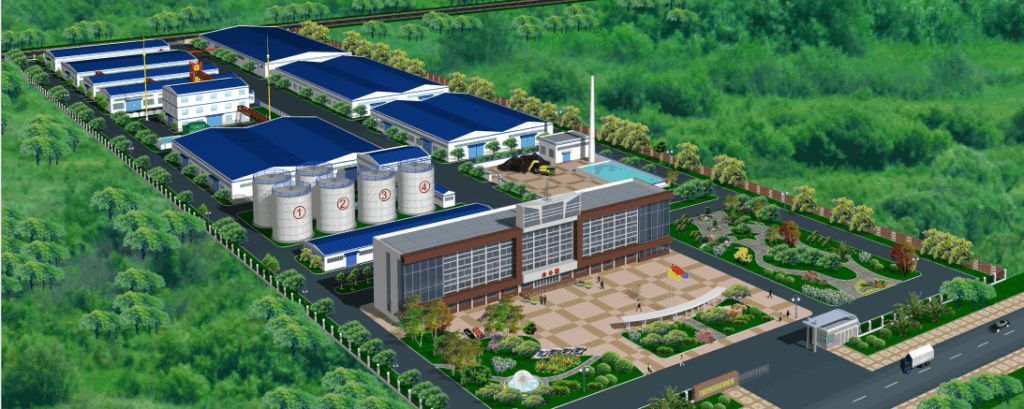
The global oilseed processing industry is undergoing a profound transformation driven by technological advancements, changing consumer preferences, and sustainability imperatives. This comprehensive guide explores the latest innovations and trends in oilseed processing equipment, soybean low-temperature meal, soybean protein concentrate, oil extraction technology, and oil refining processes. It examines the market dynamics, growth opportunities, and challenges facing the industry, providing valuable insights for manufacturers, investors, and stakeholders.
Table of Contents
Introduction
The global oilseed processing industry is undergoing a profound transformation driven by technological advancements, changing consumer preferences, and sustainability imperatives. As the demand for high-quality vegetable oils and protein-rich meals continues to rise, manufacturers are investing in cutting-edge oilseed processing equipment and processes to improve efficiency, reduce environmental impact, and meet evolving market needs.
Oilseed Processing Equipment: Innovations and Trends
Modern Oilseed Processing Equipment
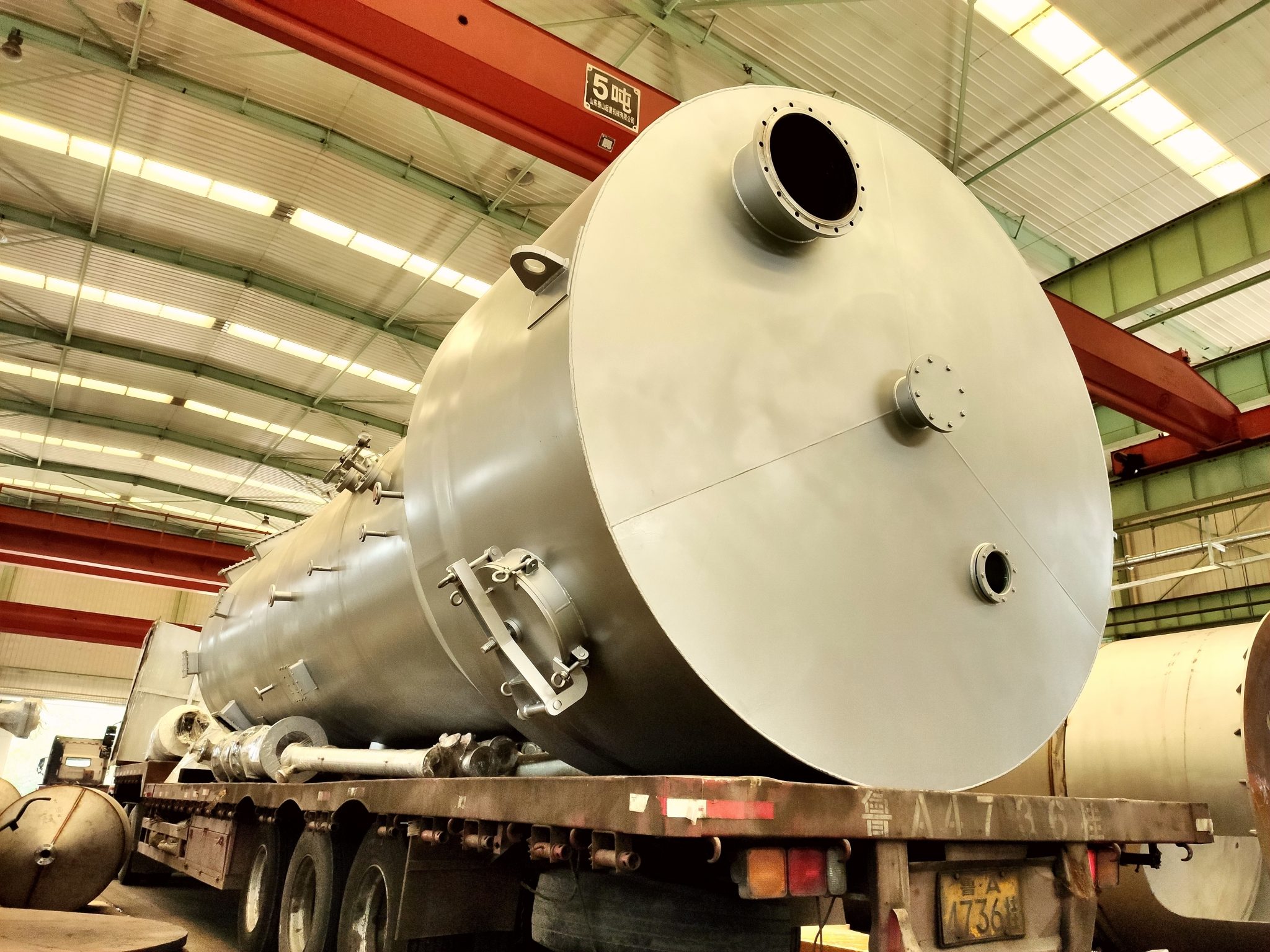
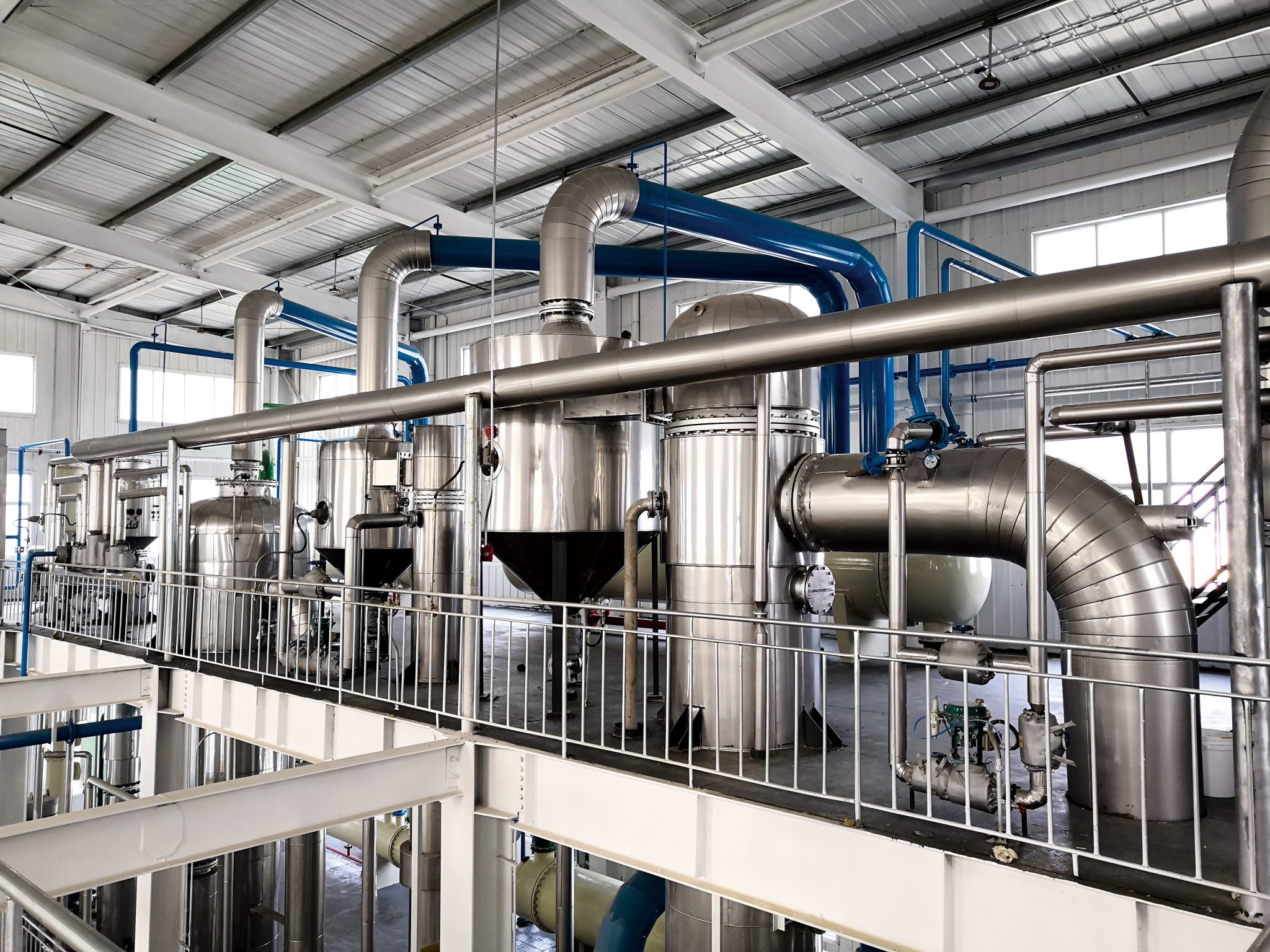
The oilseed processing equipment market is witnessing significant growth due to the increasing demand for efficient and sustainable oilseed processing solutions. Modern oilseed processing equipment is designed to handle a wide range of oilseeds, including soybeans, sunflower seeds, rapeseeds, and cottonseeds, while maximizing oil yield and minimizing energy consumption.

Key Innovations in Oilseed Processing Equipment
Intelligent Control Systems
Intelligent control systems are revolutionizing oilseed processing by enabling real-time monitoring and optimization of production processes. These systems use advanced sensors and algorithms to collect data on various parameters, such as temperature, pressure, and flow rate, and adjust the equipment settings accordingly to ensure optimal performance.
Energy-Efficient Designs
Energy efficiency is a top priority for oilseed processing equipment manufacturers. New designs incorporate energy-saving technologies, such as heat recovery systems, variable frequency drives, and efficient motors, to reduce energy consumption and lower operating costs.
Modular and Flexible Configurations
Modular and flexible configurations allow oilseed processing plants to adapt to changing production requirements and market demands. These systems enable easy expansion and modification of the processing line, ensuring maximum flexibility and scalability.
Soybean Low-Temperature Meal: Market Analysis and Trends
Overview of Soybean Low-Temperature Meal
Soybean low-temperature meal is a high-quality protein source produced by processing soybeans at low temperatures to preserve the nutritional value and functional properties of the protein. It is widely used in animal feed, food processing, and other applications.

Market Size and Growth Trends
The global soybean low-temperature meal market is expected to grow at a CAGR of 6.8% from 2025 to 2030, reaching a market size of $XX billion by 2030. The growth is driven by several factors, including:
- Increasing demand for high-quality protein sources in animal feed
- Growing awareness of the nutritional benefits of soybean low-temperature meal
- Expansion of the aquaculture and pet food industries
- Technological advancements in processing methods
Key Market Players and Competitive Landscape
The global soybean low-temperature meal market is highly competitive, with several key players dominating the market. Some of the leading players include:
- Archer Daniels Midland Company
- Cargill, Inc.
- Bunge Limited
- Louis Dreyfus Company
- Wilmar International Limited
Future Outlook and Opportunities
The future of the soybean low-temperature meal market looks promising, with several growth opportunities on the horizon. Some of the key opportunities include:
- Expansion into emerging markets, such as Asia-Pacific and Latin America
- Development of new applications for soybean low-temperature meal, such as plant-based meat alternatives
- Investment in research and development to improve the nutritional value and functional properties of the product
- Collaboration with industry partners to promote sustainable production practices
Soybean Protein Concentrate: Market Analysis and Trends
Overview of Soybean Protein Concentrate
Soybean protein concentrate is a high-quality protein source produced by removing soluble carbohydrates and other non-protein components from soybeans. It is widely used in food processing, animal feed, and other applications.

Market Size and Growth Trends
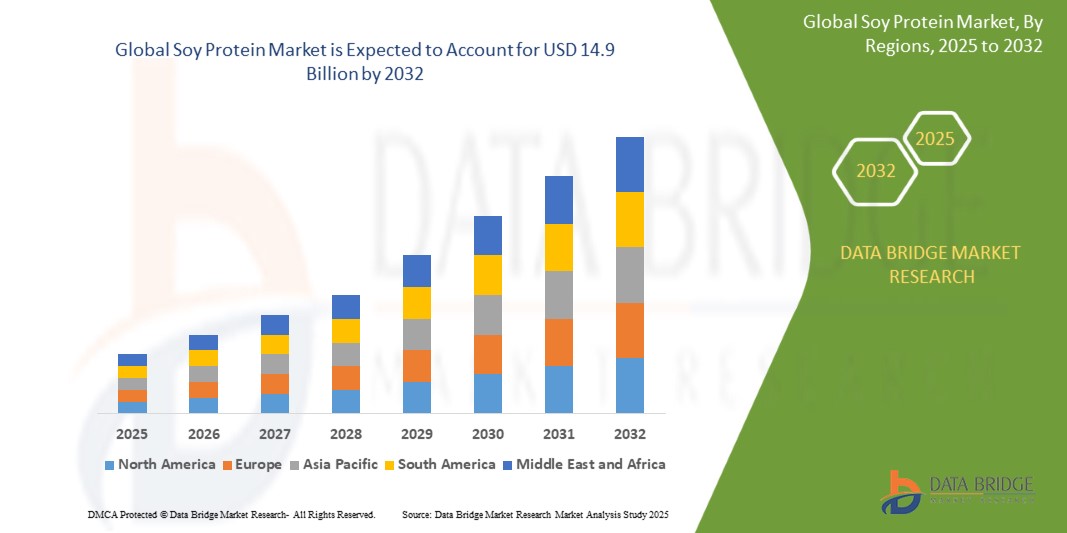
The global soybean protein concentrate market is expected to grow at a CAGR of 6.6% from 2025 to 2032, reaching a market size of USD 14.90 Billion by 2032. The growth is driven by several factors, including:
- Increasing demand for plant-based protein sources in food and beverage products
- Growing awareness of the health benefits of soybean protein concentrate
- Expansion of the sports nutrition and functional food industries
- Technological advancements in processing methods
Key Market Players and Competitive Landscape
The global soybean protein concentrate market is highly competitive, with several key players dominating the market. Some of the leading players include:
- Archer Daniels Midland Company
- Cargill, Inc.
- Bunge Limited
- Louis Dreyfus Company
- Wilmar International Limited
Future Outlook and Opportunities
The future of the soybean protein concentrate market looks promising, with several growth opportunities on the horizon. Some of the key opportunities include:
- Expansion into emerging markets, such as Asia-Pacific and Latin America
- Development of new applications for soybean protein concentrate, such as plant-based meat alternatives and dairy substitutes
- Investment in research and development to improve the nutritional value and functional properties of the product
- Collaboration with industry partners to promote sustainable production practices
Oil Extraction Technology: Innovations and Trends
Modern Oil Extraction Technology
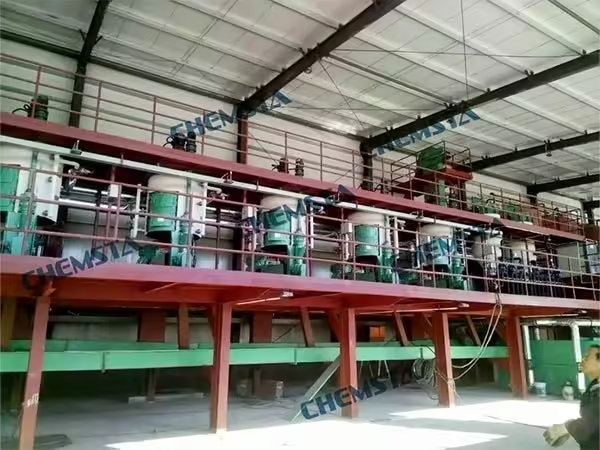
Oil extraction technology has undergone significant advancements in recent years, with new methods and technologies being developed to improve efficiency, reduce environmental impact, and meet evolving market needs. Modern oil extraction technologies include:
- Solvent extraction
- Supercritical fluid extraction
- Mechanical pressing
- Enzyme-assisted extraction
Key Innovations in Oil Extraction Technology
Green Solvents
Green solvents are becoming increasingly popular in oil extraction due to their low environmental impact and high efficiency. These solvents are derived from renewable resources and are biodegradable, making them a sustainable alternative to traditional solvents.
Supercritical Fluid Extraction
Supercritical fluid extraction is a promising technology that uses supercritical fluids, such as carbon dioxide, to extract oil from oilseeds. This method offers several advantages, including high extraction efficiency, low environmental impact, and the ability to produce high-quality oil.
Enzyme-Assisted Extraction
Enzyme-assisted extraction is a new technology that uses enzymes to break down the cell walls of oilseeds, making it easier to extract the oil. This method offers several advantages, including high extraction efficiency, low energy consumption, and the ability to produce high-quality oil.
Market Trends and Growth Opportunities
The global oil extraction technology market is expected to grow at a CAGR of 6.2% from 2025 to 2030, reaching a market size of $XX billion by 2030. The growth is driven by several factors, including:
- Increasing demand for high-quality vegetable oils
- Growing focus on sustainability and environmental protection
- Technological advancements in extraction methods
- Expansion of the oilseed processing industry in emerging markets
Oil Refining Processes: Innovations and Trends
Modern Oil Refining Processes
Oil refining processes are designed to remove impurities and improve the quality of vegetable oils. Modern refining processes include:
- Degumming
- Neutralization
- Bleaching
- Deodorization

Key Innovations in Oil Refining Processes
Membrane Separation Technology
Membrane separation technology is a promising innovation in oil refining that uses membranes to separate impurities from the oil. This method offers several advantages, including high efficiency, low energy consumption, and the ability to produce high-quality oil.
Low-Temperature Refining
Low-temperature refining is a new technology that uses low temperatures to refine vegetable oils, preserving the nutritional value and functional properties of the oil. This method offers several advantages, including high efficiency, low energy consumption, and the ability to produce high-quality oil.
Enzyme-Assisted Refining
Enzyme-assisted refining is a new technology that uses enzymes to break down the impurities in vegetable oils, making it easier to remove them. This method offers several advantages, including high efficiency, low energy consumption, and the ability to produce high-quality oil.
Conclusion
The global oilseed processing industry is undergoing a profound transformation driven by technological advancements, changing consumer preferences, and sustainability imperatives. Manufacturers are investing in cutting-edge oilseed processing equipment and processes to improve efficiency, reduce environmental impact, and meet evolving market needs.
In this comprehensive guide, we have explored the latest innovations and trends in oilseed processing equipment, soybean low-temperature meal, soybean protein concentrate, oil extraction technology, and oil refining processes. We have also examined the market dynamics, growth opportunities, and challenges facing the industry, providing valuable insights for manufacturers, investors, and stakeholders.
As the demand for high-quality vegetable oils and protein-rich meal continues to rise, the oilseed processing industry is poised for significant growth in the coming years. Manufacturers that invest in innovation, sustainability, and customer-centric solutions will be well-positioned to capitalize on these opportunities and drive the industry forward.