Oilseed Solvent Extraction Plant: Turnkey Engineering
Table of Contents
What Is an Oilseed Solvent Extraction Plant?
An oilseed solvent extraction plant is an industrial facility designed to recover oil from oil-bearing materials using food-grade solvents, most commonly hexane. This technology is widely applied for processing soybeans, rapeseed, sunflower seed, cottonseed, corn germ, rice bran, and other oilseeds where high oil recovery and large-scale efficiency are required.
Compared with mechanical pressing alone, an oilseed solvent extraction plant achieves significantly higher oil yield, typically recovering more than 98 percent of available oil. For this reason, solvent extraction has become the standard solution for medium and large edible oil processing plants worldwide.
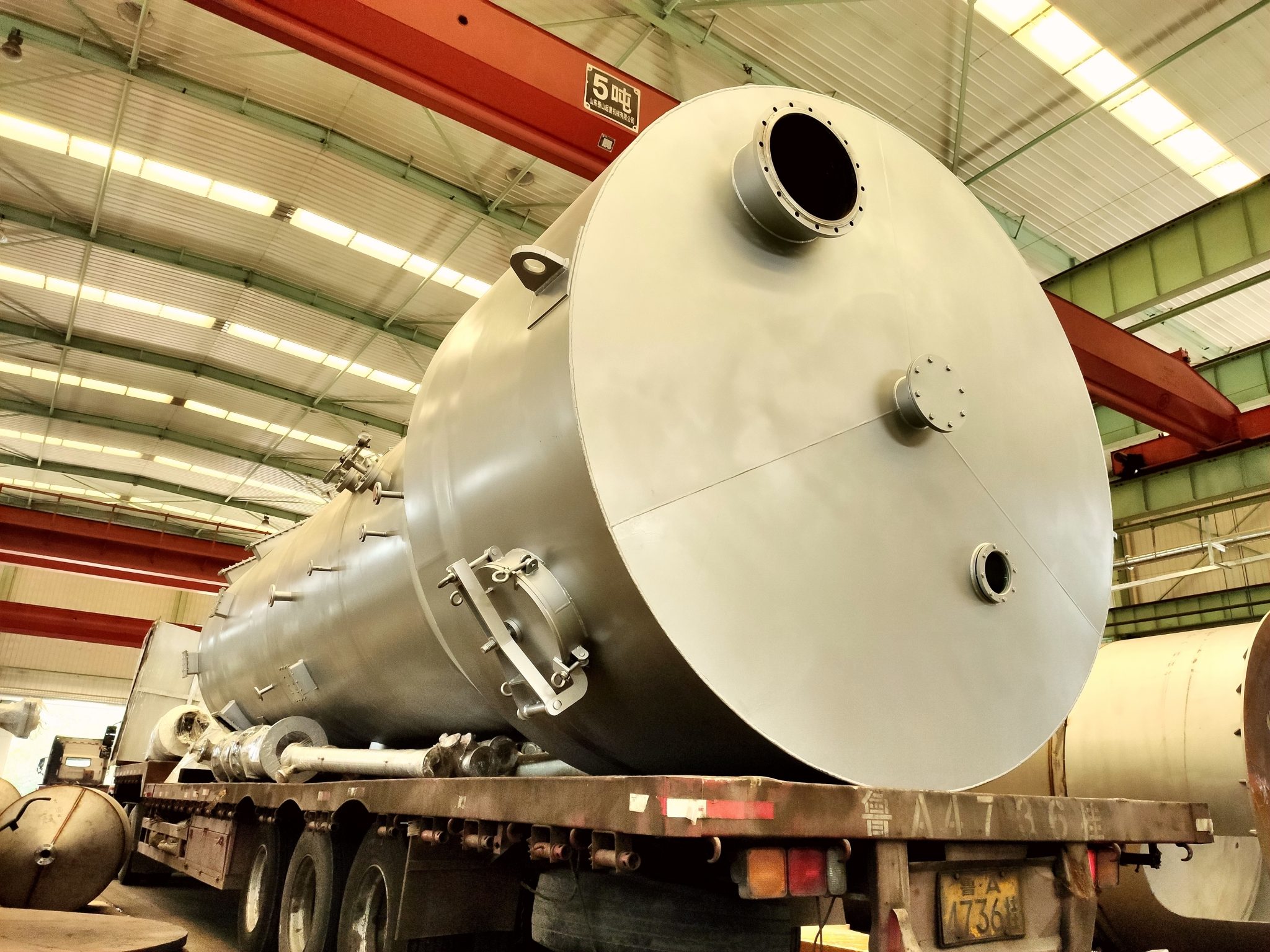
Modern oilseed solvent extraction plants are usually delivered as turnkey projects, integrating extraction, desolventizing, solvent recovery, automation, and safety systems into one coordinated operation.
Why Use Solvent Extraction for Oilseed Processing?
Solvent extraction is essential when processors aim to maximize oil recovery, stabilize product quality, and reduce production cost per ton of oil. Mechanical pressing alone leaves relatively high residual oil in meal, while solvent extraction removes oil more thoroughly.
Key advantages include higher oil yield, consistent extraction efficiency, lower residual oil in meal, and better suitability for continuous large-scale operation. An oilseed solvent extraction plant also produces defatted meal or flakes that can be further processed into protein products such as soybean protein concentrate.
Economic and Operational Benefits
From an economic perspective, higher oil recovery directly translates into improved profitability. From an operational perspective, solvent extraction offers stable, controllable processing conditions that support automation and energy optimization.
Suitable Raw Materials for an Oilseed Solvent Extraction Plant
An oilseed solvent extraction plant can process a wide range of oil-bearing materials, provided they are properly prepared through cleaning, conditioning, flaking, or pre-pressing.
Common raw materials include:
Each oilseed type requires specific preparation parameters to ensure optimal solvent penetration and oil diffusion.
Typical Process Flow of an Oilseed Solvent Extraction Plant
Raw Material Preparation
Oilseeds are cleaned to remove foreign materials such as stones, dust, and metal. Depending on the oilseed, dehulling, cracking, conditioning, and flaking may be applied to increase surface area and improve extraction efficiency.
Solvent Extraction
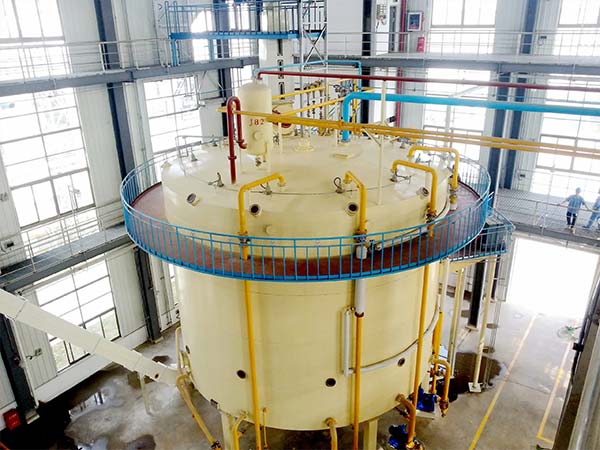
Prepared material enters the extractor, where it contacts the solvent. The solvent dissolves the oil, forming miscella. Counter-current extraction is commonly used to maximize oil transfer while minimizing solvent consumption.
Desolventizing and Toasting
The extracted meal or flakes are transferred to a desolventizer-toaster-dryer-cooler system. This stage removes residual solvent, adjusts moisture, and deactivates anti-nutritional factors, especially important for soybean processing.
Solvent Recovery
Solvent is recovered from miscella through evaporation and distillation systems. Recovered solvent is condensed and recycled back to the extractor, minimizing losses and environmental impact.
Oil Polishing and Storage
Crude oil is stripped of residual solvent and fine impurities before being transferred to storage tanks or downstream refining plants.
Key Process Parameters
| Process Stage | Typical Parameter | Function |
|---|---|---|
| Flaking | Thickness 0.25–0.35 mm | Improve solvent penetration |
| Extraction | Temperature 55–65°C | Optimize oil solubility |
| Residual Oil in Meal | ≤1% | Maximize oil recovery |
| Desolventizing | Controlled steam | Remove solvent safely |
| Solvent Loss | ≤0.3 kg/ton | Ensure economic operation |
Core Equipment in an Oilseed Solvent Extraction Plant
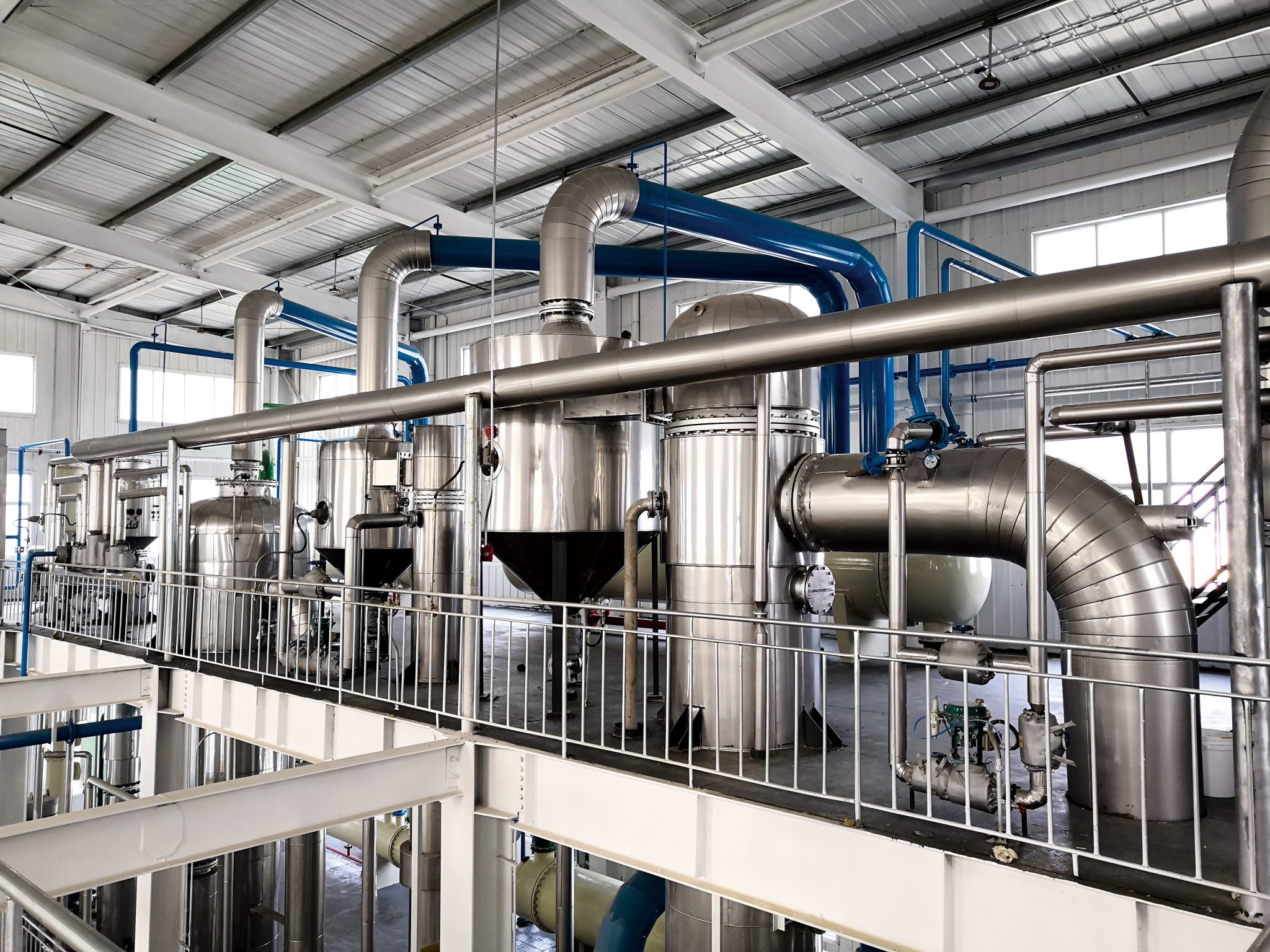
A complete oilseed solvent extraction plant typically includes:
- Continuous extractors (rotocel, loop, or belt type)
- Desolventizer-toaster-dryer-cooler units
- Evaporation and distillation systems
- Solvent condensers and recovery units
- Explosion-proof pumps and piping
- Process automation and safety control systems
Equipment selection depends on capacity, oilseed type, and local safety regulations.
Safety and Environmental Considerations
Solvent extraction involves flammable solvents, making safety design critical. A modern oilseed solvent extraction plant incorporates explosion-proof electrical systems, inert gas protection, solvent leak detection, and strict operational controls.
Environmental protection measures include efficient solvent recovery, vapor condensation, and compliance with emission standards. Proper design ensures safe, stable, and sustainable operation.
Integration With Downstream Processing
Oilseed solvent extraction plants are commonly integrated with:
- Edible oil refining plants
- Soybean white flake production lines
- Protein concentrate or meal processing lines
Integrated plant design reduces material handling, energy consumption, and overall investment cost.

Typical Plant Capacities
| Plant Scale | Raw Material Capacity | Application |
|---|---|---|
| Small | 50–100 tons/day | Regional processing |
| Medium | 200–500 tons/day | Commercial production |
| Large | 1000+ tons/day | Industrial oilseed processing |
Capacity selection should be based on raw material supply, market demand, and infrastructure conditions.
Conclusion
An oilseed solvent extraction plant is a cornerstone of modern vegetable oil processing. By delivering high oil recovery, stable operation, and scalable capacity, solvent extraction plants enable processors to maximize the value of oilseeds while meeting safety and quality requirements. Turnkey oilseed solvent extraction plants offer integrated engineering, optimized performance, and long-term operational reliability for oilseed processors worldwide.
FAQ
- What oilseeds are suitable for solvent extraction?
Soybeans, rapeseed, sunflower seed, cottonseed, corn germ, and rice bran. - Why is solvent extraction preferred over pressing alone?
It achieves higher oil recovery and lower residual oil in meal. - Is solvent extraction safe?
Yes, when designed with proper explosion-proof and recovery systems. - Can extraction plants be integrated with refining lines?
Yes, integration improves efficiency and reduces overall investment. - Is turnkey delivery recommended for extraction plants?
Yes, turnkey solutions ensure safety, efficiency, and stable operation.