Edible Oil Extraction Plant: Process, Equipment, and Turnkey Solutions
Table of Contents
What Is an Edible Oil Extraction Plant?

An edible oil extraction plant is a facility that recovers oil from oilseeds such as soybean, sunflower, rapeseed, cottonseed, or corn germ. Extraction plants use mechanical pressing or solvent extraction methods to maximize oil yield from pretreated raw materials.
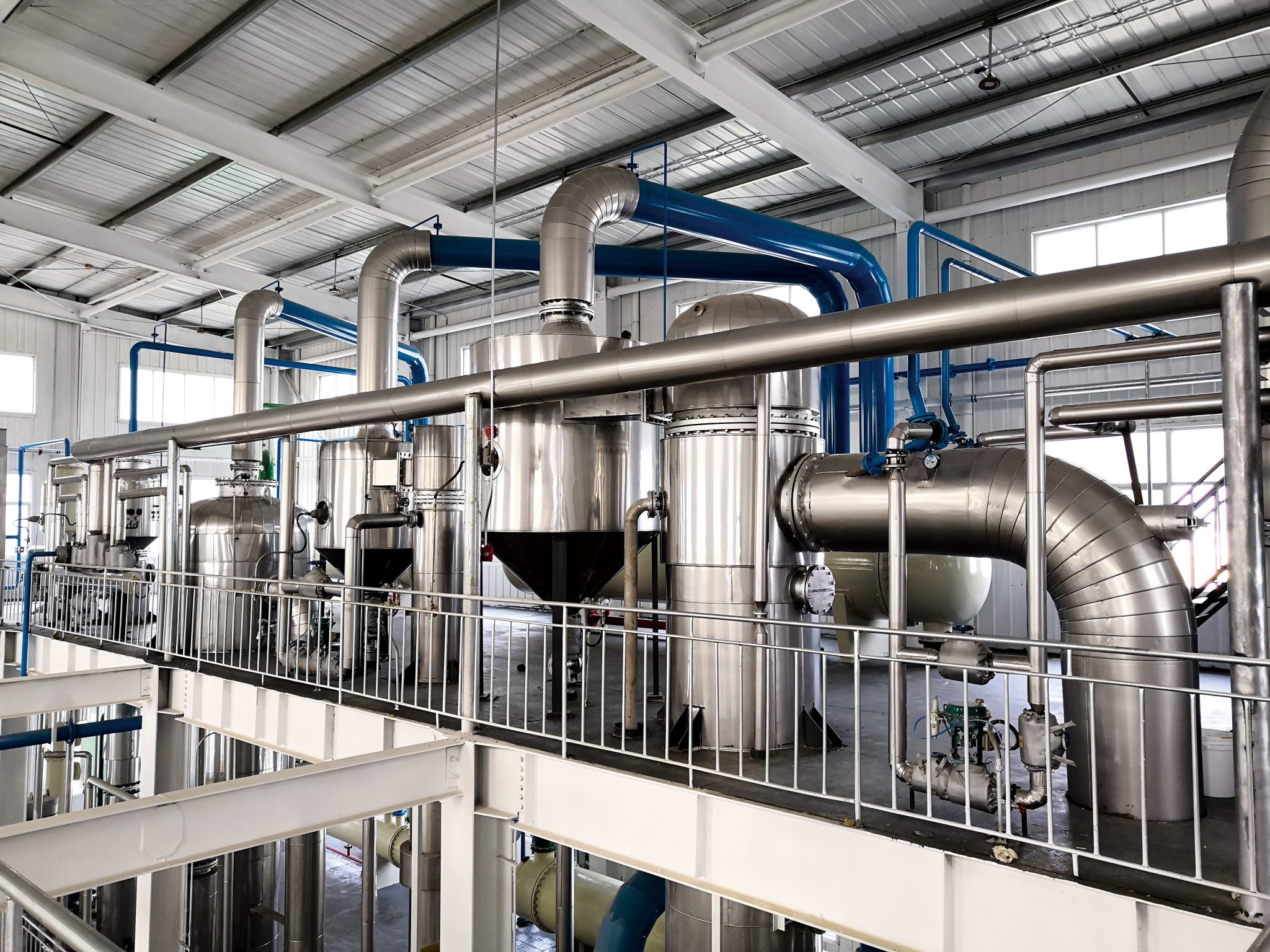
Edible oil extraction plants are typically part of a larger processing system, feeding into refining or protein concentrate lines. Modern extraction plants are often delivered as turnkey projects, integrating cleaning, flaking, pre-pressing, solvent extraction, desolventizing, and packing stages.
Why Invest in an Edible Oil Extraction Plant
- Maximizes oil yield from raw materials
- Produces oil suitable for refining or direct consumption
- Integrates efficiently with downstream processing lines
- Ensures food safety compliance and consistent product quality
Investing in an extraction plant ensures stable, high-quality output and supports profitability through improved raw material utilization.
Main Raw Materials
Typical raw materials include:
- Soybean
- Sunflower seeds
- Rapeseed / canola
- Cottonseed
- Corn germ
Selection criteria include high oil content, low moisture, minimal foreign matter, and certified seeds for specialty markets.
Typical Process Flow
- Cleaning – removes dust, stones, metals, and foreign materials
- Flaking – produces uniform flakes for efficient extraction
- Pre-pressing – mechanical pressing reduces oil content prior to solvent extraction
- Solvent extraction – uses hexane or other approved solvents to extract remaining oil
- Desolventizing – removes residual solvent from meal and oil
- Packing – ensures safe storage of extracted oil and by-products
Technical Parameters
| Process Stage | Parameter | Purpose |
|---|---|---|
| Cleaning | Efficiency ≥ 98% | Remove impurities |
| Flaking | Thickness 0.25–0.35 mm | Maximize extraction efficiency |
| Pre-pressing | Oil content 5–10% residual | Reduce solvent load |
| Solvent Extraction | Temperature 60–70°C, pH neutral | Maximize oil yield |
| Desolventizing | Temperature 100–110°C | Remove solvent from meal |
| Packing | Sealed environment | Maintain oil quality |

Integration With Other Processing Lines
Extraction plants often work with:
- Edible oil refining plants
- Soy protein concentrate production
- Meal processing for animal feed
Integration ensures efficient energy use, high oil recovery, and consistent quality of both oil and by-products.
Key Equipment
- Cleaning machines – destoners, magnetic separators, vibrating screens
- Flakers – roller-based for uniform thickness
- Pre-presses – single or double screw
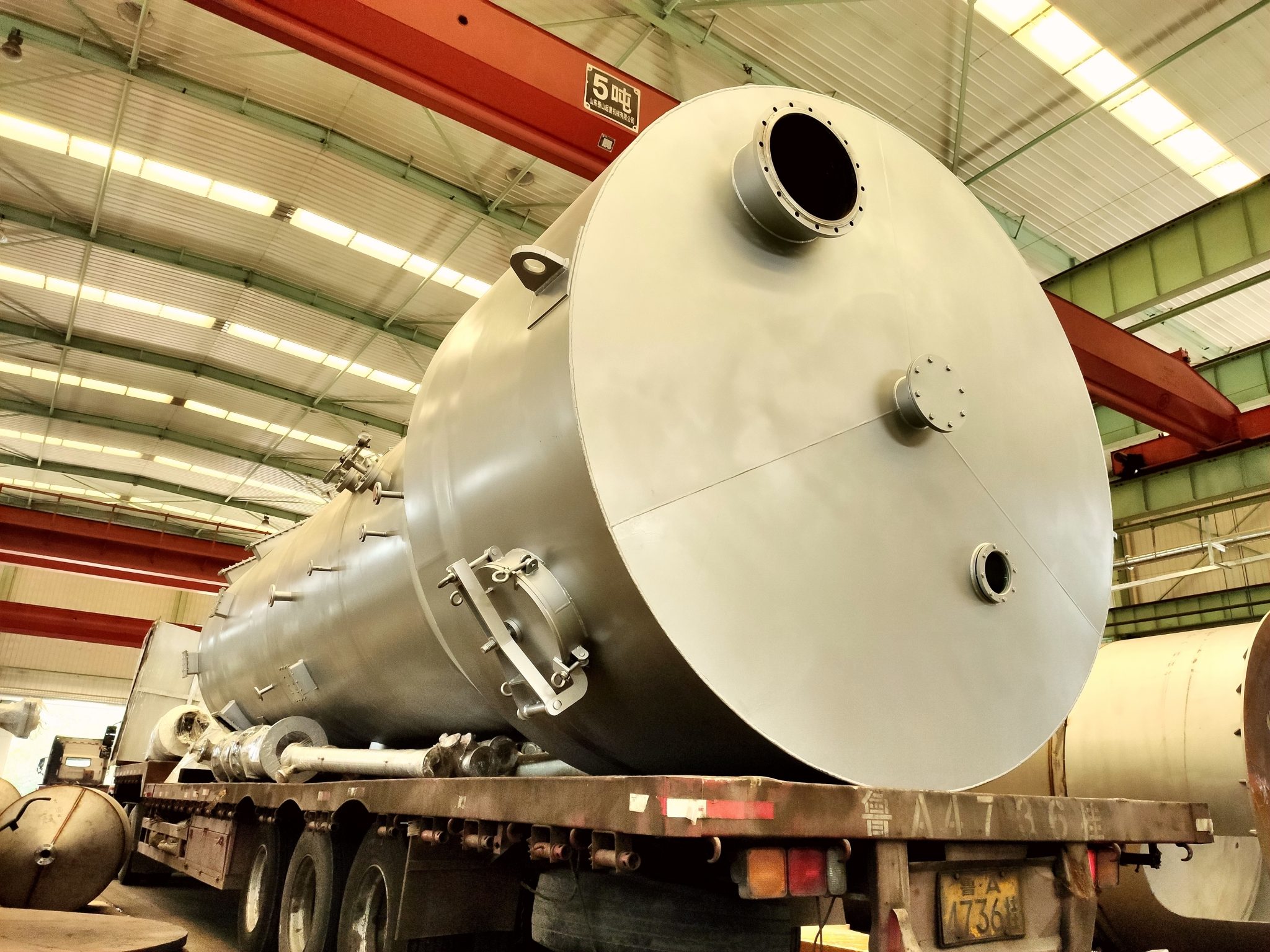
- Solvent extraction tanks – horizontal or vertical
- Desolventizers – rotary or batch type
- Packing and storage units
Automation ensures controlled temperature, solvent flow, and oil recovery rates for stable operation.

Typical Capacities
| Line Capacity | Oil Output per day | Notes |
|---|---|---|
| Small | 5–10 tons | Pilot or small-scale |
| Medium | 20–50 tons | Regional production |
| Large | 100–200 tons | Industrial-scale plant |
Capacity selection depends on raw material availability, market demand, and integration with refining lines.
Conclusion
An edible oil extraction plant is essential for producing high-quality oil efficiently and consistently. Turnkey solutions provide integrated design, optimized workflow, and maximum oil recovery. Investing in an extraction plant allows processors to improve profitability and supply both edible oil and protein meal for downstream applications.
FAQ
- What raw materials can be processed in an extraction plant?
Soybean, sunflower, rapeseed, cottonseed, corn germ, and other oilseeds. - Can extraction plants be integrated with refining lines?
Yes, turnkey integration ensures efficient oil recovery and high-quality output. - What extraction methods are commonly used?
Mechanical pressing and solvent extraction are standard methods. - How is residual solvent removed from the meal?
Through a desolventizing process at controlled temperature and vacuum. - Is turnkey delivery recommended?
Yes, turnkey plants guarantee integrated operation, efficiency, and consistent product quality.