Edible Oil Refining Equipment: Machines, Processes, and Turnkey Solutions
Table of Contents
What Is Edible Oil Refining Equipment?

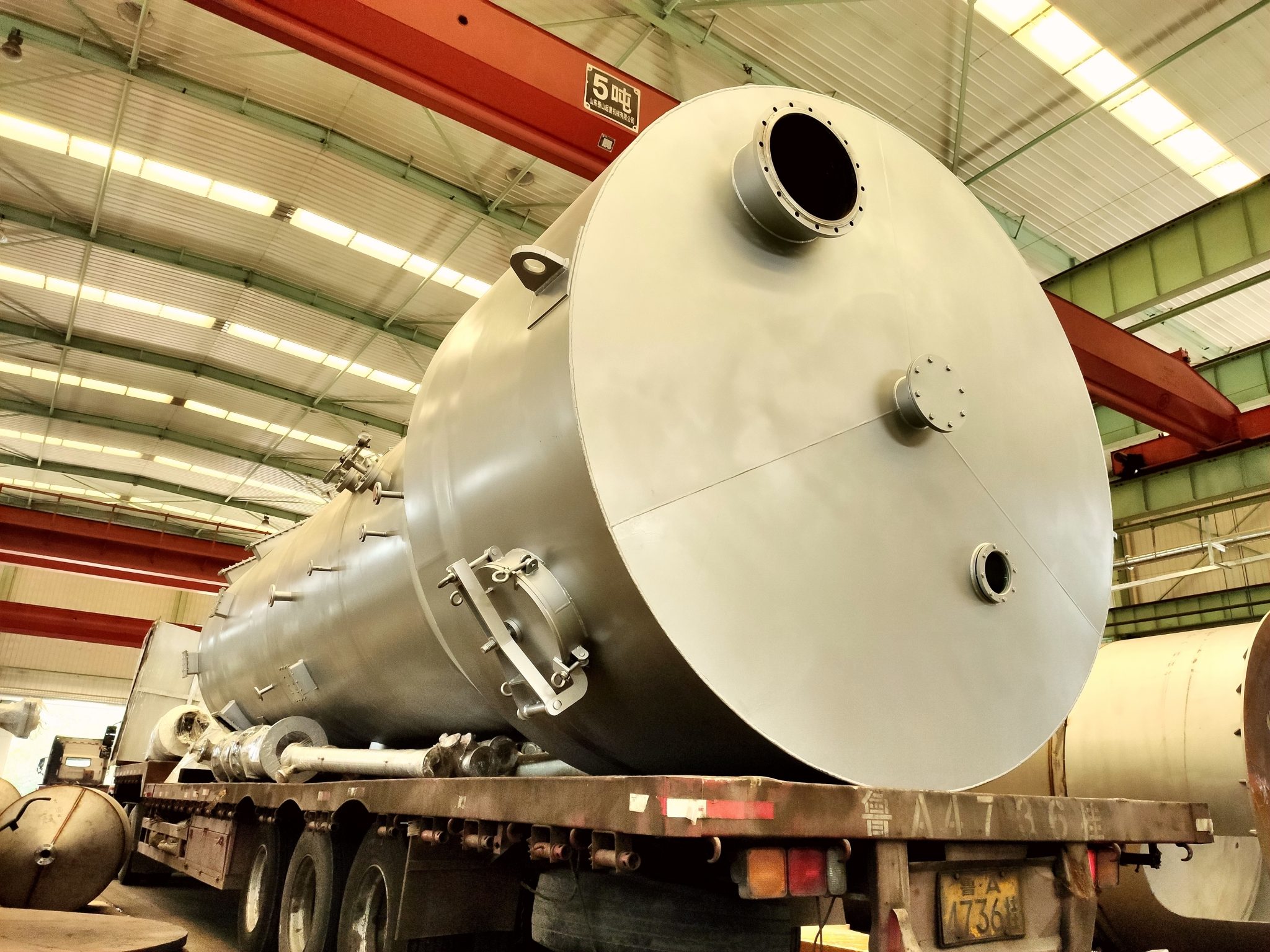
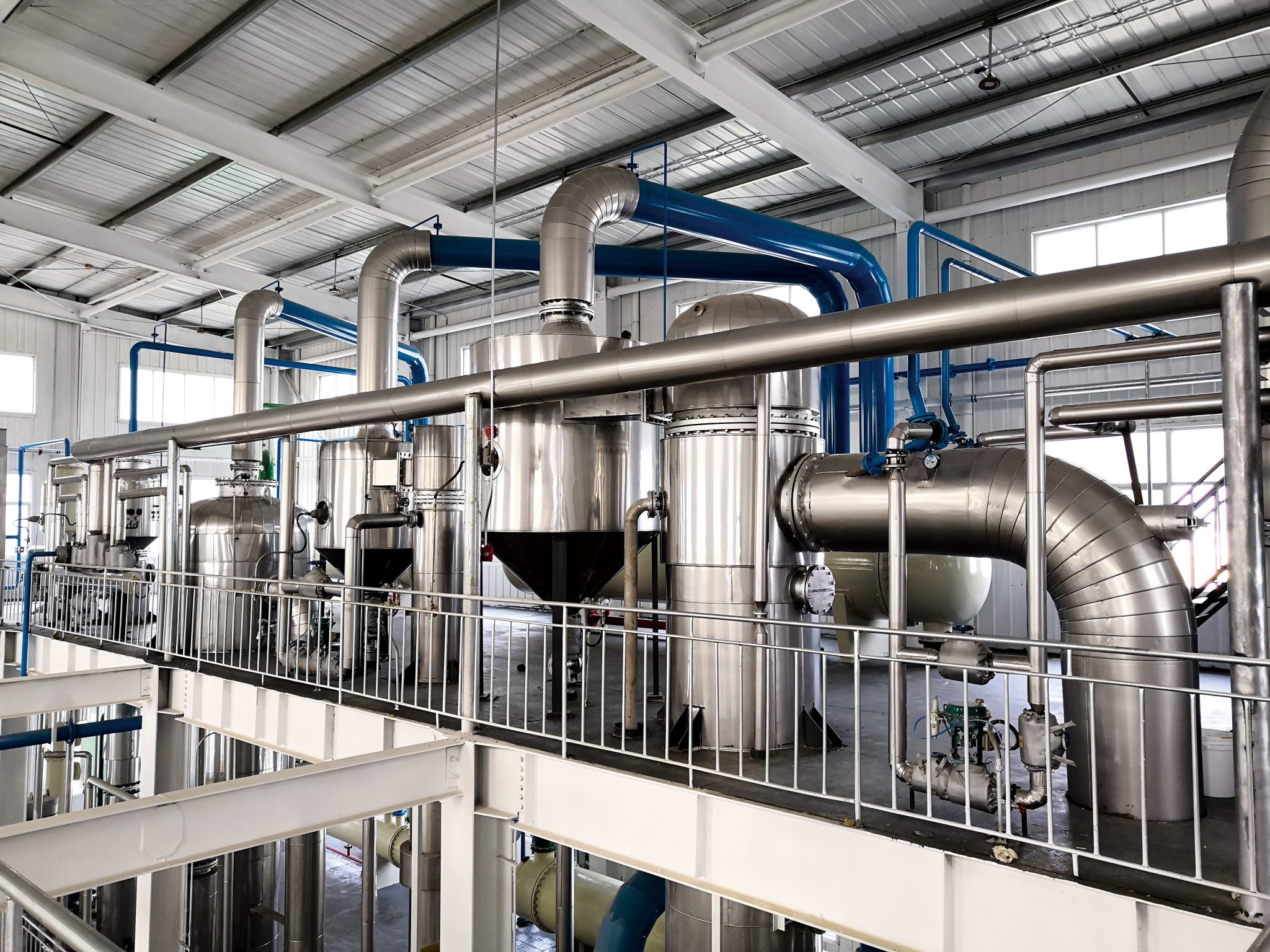
Edible oil refining equipment refers to the machinery and systems used to transform crude vegetable oils into safe, stable, and market-ready edible oils. This equipment is used for soybean, sunflower, rapeseed, palm, cottonseed, and corn oils, and is often delivered as part of a turnkey plant including degumming, neutralization, bleaching, deodorization, and optional winterization.
Refining equipment ensures that the oil meets food safety standards, has consistent color and flavor, and retains nutritional value. Modern machinery integrates automation, temperature control, and vacuum systems to maintain oil quality at high production volumes.
Why Invest in Edible Oil Refining Equipment
- Produces safe, stable, and clear edible oil
- Preserves nutritional and functional properties
- Improves efficiency and reduces energy consumption
- Supports integration with upstream extraction and downstream packaging
High-quality refining equipment allows processors to meet both industrial and retail market requirements while optimizing yield and minimizing loss.
Core Processes Using Refining Equipment
Degumming
Removes phospholipids, gums, and mucilaginous substances to improve oil stability and prevent foaming in later stages. Methods include water degumming, acid degumming, and enzymatic degumming.
Neutralization
Eliminates free fatty acids (FFA) via chemical neutralization or physical refining using steam under vacuum. Proper neutralization ensures oil safety, reduces rancidity, and maintains yield.
Bleaching
Removes pigments and trace metals through adsorbents such as bleaching earth, activated carbon, or bentonite. Bleaching units are often equipped with filter presses and vacuum systems to maintain quality.
Deodorization
Removes volatile compounds, off-odors, and flavors using high-temperature steam under vacuum. Proper deodorization ensures neutral taste and long shelf life.
Winterization / Fractionation (Optional)
Removes waxes for clarity and produces specialty fractions such as palm stearin or high-oleic oils. Optional based on oil type and market requirements.
Typical Equipment List
| Equipment | Purpose | Notes |
|---|---|---|
| Degumming Reactor | Remove gums and phospholipids | Batch or continuous |
| Neutralization Tank | Reduce FFA | Chemical or physical |
| Bleaching Unit | Remove pigments | Continuous or batch |
| Deodorizer | Remove odor | High temperature, high vacuum |
| Winterization Unit | Optional wax removal | Batch or continuous |
| Filtration System | Oil clarification | Ensures product stability |
| Control Panel | Automation | Temperature, vacuum, flow monitoring |
Advantages of Modern Refining Machinery
- Automation ensures stable process control
- Reduces labor and operational errors
- Enhances energy efficiency
- Maintains consistent oil quality
Integration With Other Plant Equipment
Edible oil refining equipment works with:
- Crude oil extraction plants
- Soybean protein concentrate lines
- Packaging and bottling systems
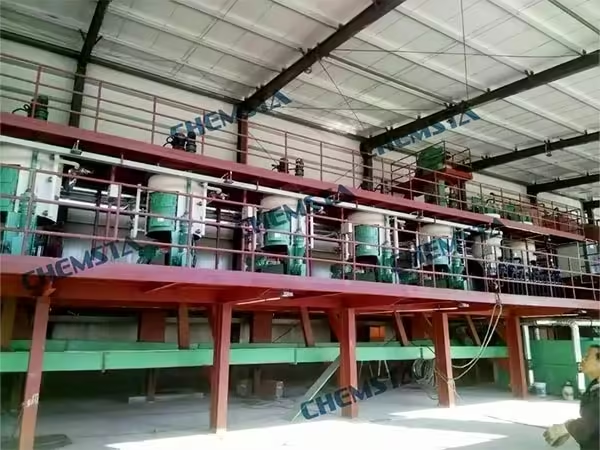
Integration ensures optimal workflow, energy use, and product quality.
Typical Capacities
| Equipment Size | Oil Output per Day | Notes |
|---|---|---|
| Small | 5–10 tons | Suitable for boutique plants |
| Medium | 20–50 tons | Regional production lines |
| Large | 100–200+ tons | Industrial-scale refining |
Capacity selection should consider market demand, upstream extraction volume, and downstream distribution plans.
Conclusion
Edible oil refining equipment is essential for producing high-quality, market-ready edible oils efficiently and safely. Turnkey solutions ensure integrated operation, precise process control, and consistent product quality. Investing in modern refining equipment helps processors maximize yield, maintain oil stability, and meet growing consumer demand.
FAQ
- What types of oils can be refined?
Soybean, sunflower, rapeseed, palm, cottonseed, and corn oil. - Can existing mills upgrade their refining lines?
Yes, turnkey solutions allow full integration with existing extraction units. - What processes are included in refining equipment?
Degumming, neutralization, bleaching, deodorization, and optional winterization. - How does automation benefit refining?
Automation ensures consistent temperature, vacuum, flow, and product quality while reducing labor. - Is turnkey delivery recommended?
Yes, turnkey solutions provide integrated operation and stable high-quality output.
Need Help Choosing the Right Edible Oil Refining Equipment?
Our experts provide turnkey solutions for high-quality edible oil production. Contact us today to design a plant that maximizes efficiency, yield, and product quality.