Vegetable Oil Refining Plant: Maximize Oil Quality & Yield
Table of Contents
What Is a Vegetable Oil Refining Plant?
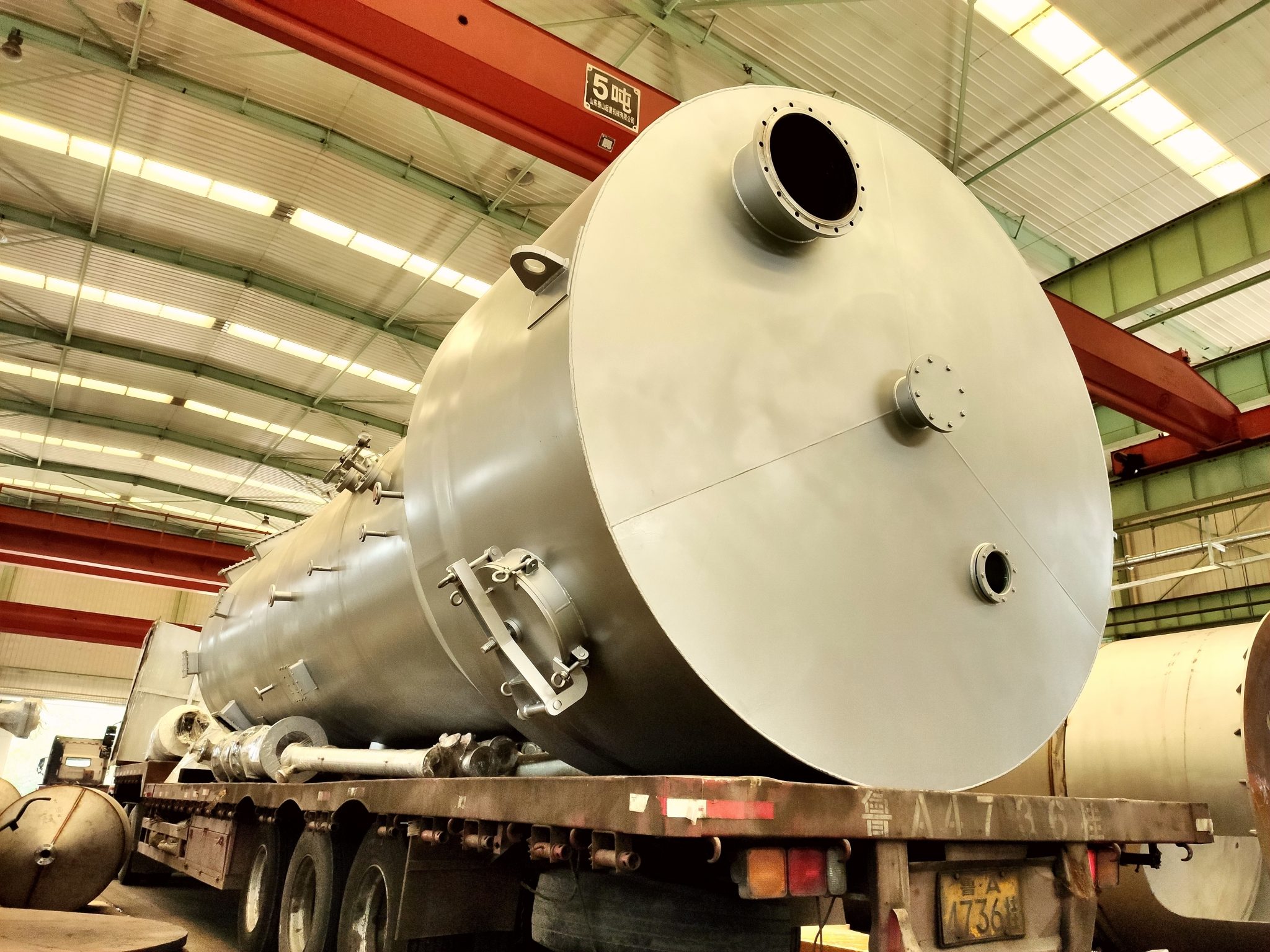
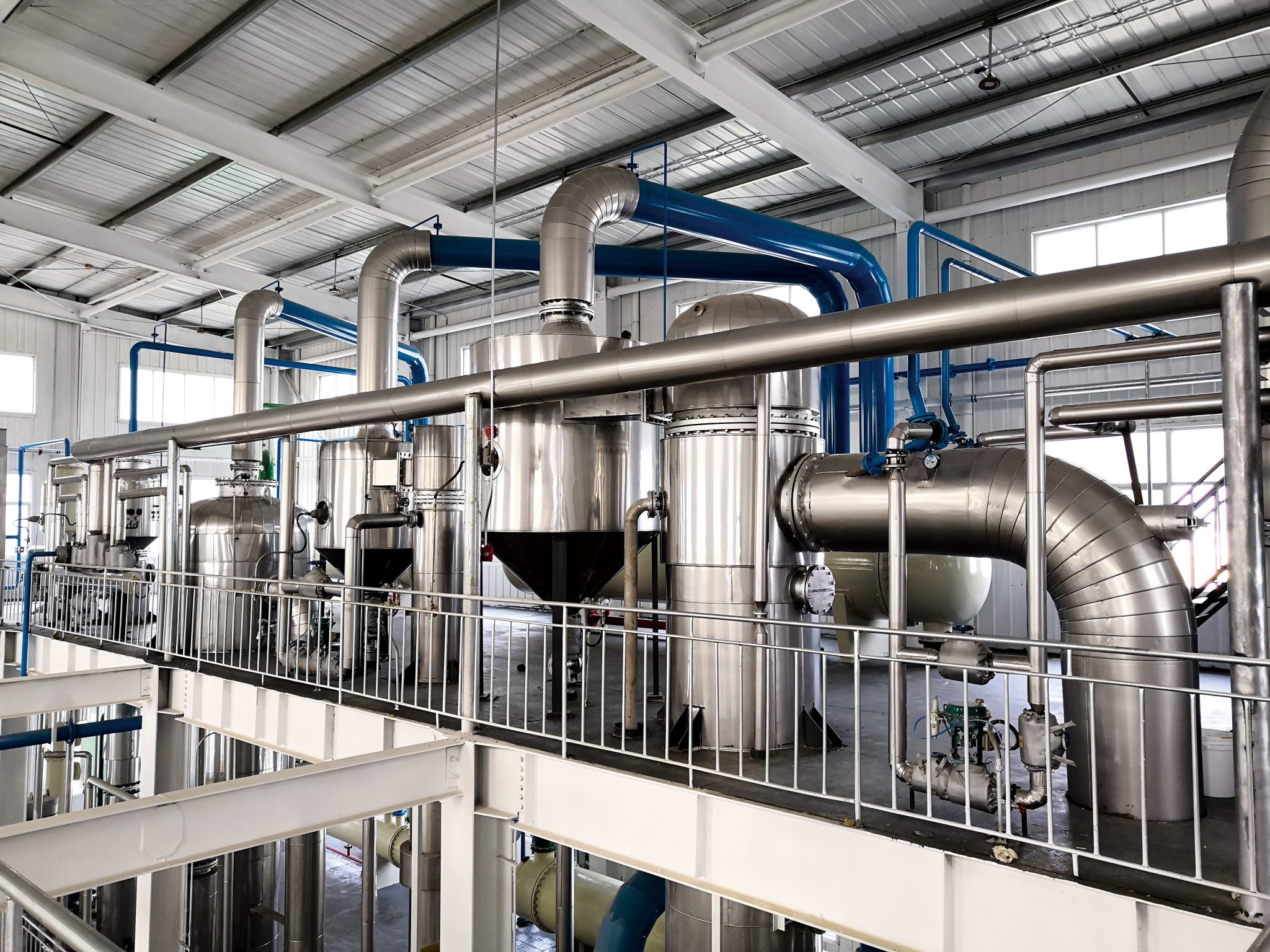
A vegetable oil refining plant is a facility that converts crude vegetable oils into high-quality, market-ready edible oils. Oils such as soybean, sunflower, rapeseed, palm, and corn germ can be processed in these plants. The refining plant integrates degumming, neutralization, bleaching, deodorization, and optional winterization to produce oil that meets food safety and consumer quality standards.
Modern vegetable oil refining plants are often delivered as turnkey solutions, with automation systems to ensure consistent product quality, energy efficiency, and minimal manual intervention.
Benefits of Investing in a Vegetable Oil Refining Plant
- Produces safe, stable, and clear edible oil suitable for food and industrial uses
- Preserves nutritional and functional properties of the oil
- Integrates efficiently with upstream extraction plants and downstream packaging
- Reduces energy and operational costs through optimized design
Investing in a vegetable oil refining plant ensures high-quality oil production and supports consistent supply for local and international markets.

Main Raw Materials
Vegetable oil refining plants can process a wide range of crude oils:
- Soybean oil
- Sunflower oil
- Rapeseed oil
- Palm oil
- Corn germ oil
Selection of raw material should consider oil content, moisture, and absence of contaminants. Non-GMO or certified oils are preferred for specialty markets.
Typical Refining Process Flow
- Degumming – removes gums and phospholipids
- Neutralization – reduces free fatty acids
- Bleaching – removes pigments and trace metals
- Deodorization – eliminates odors and volatile compounds
- Winterization/Fractionation (optional) – improves clarity and produces specialty fractions
- Filtration and Packing – ensures oil stability for storage and distribution
Technical Parameters
| Process Stage | Parameter | Purpose |
|---|---|---|
| Degumming | Temperature 60–80°C | Remove gums and phospholipids |
| Neutralization | Temperature 70–90°C | Reduce free fatty acids |
| Bleaching | Temperature 90–110°C | Remove pigments and metals |
| Deodorization | Temperature 200–240°C, high vacuum | Remove odor and volatiles |
| Winterization | Temperature 0–10°C | Optional wax removal |
| Filtration | Moisture ≤0.5% | Stabilize oil for storage |
Core Equipment
- Degumming reactors – batch or continuous
- Neutralization tanks – chemical or physical
- Bleaching units – filter presses, vacuum bleachers
- Deodorizers – high-temperature vacuum steam systems
- Winterization units – optional for specialty oils
- Filtration and packing systems
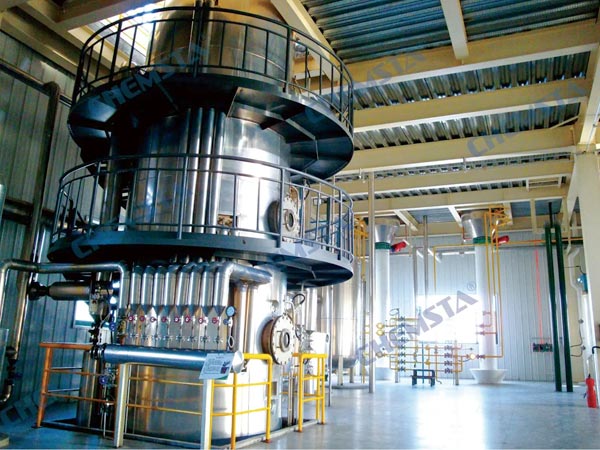
Automation ensures temperature, vacuum, and flow are controlled precisely for consistent oil quality.
Integration With Other Processing Lines
Vegetable oil refining plants are commonly integrated with:
- Oil extraction plants
- Protein concentrate or meal processing lines
- Packaging and bottling facilities
Integration ensures efficient workflow, minimal product loss, and optimal energy use.
Typical Capacities
| Plant Capacity | Oil Output per Day | Notes |
|---|---|---|
| Small | 5–10 tons | Pilot or boutique plants |
| Medium | 20–50 tons | Regional production |
| Large | 100–200+ tons | Industrial-scale production |
Capacity selection should consider raw material availability, market demand, and downstream requirements.
Conclusion
A vegetable oil refining plant is a strategic investment for processors seeking high-quality, safe, and stable edible oils. Turnkey solutions ensure integrated operation, process efficiency, and consistent product quality. Investing in a vegetable oil refining plant helps processors maximize yield, reduce energy costs, and meet market demands confidently.
FAQ
What oils can be processed in a vegetable oil refining plant?
Soybean, sunflower, rapeseed, palm, and corn germ oils.
Can existing extraction plants be upgraded with refining lines?
Yes, turnkey refining plants integrate efficiently with upstream extraction systems.
What are the main refining processes?
Degumming, neutralization, bleaching, deodorization, and optional winterization.
How is oil quality maintained?
Through precise control of temperature, vacuum, flow, and automation throughout the process.
Is turnkey delivery recommended?
Yes, turnkey solutions provide integrated operation and consistent high-quality output.