What Is Soybean White Flake and How Is It Produced?
Table of Contents
What Is Soybean White Flake?
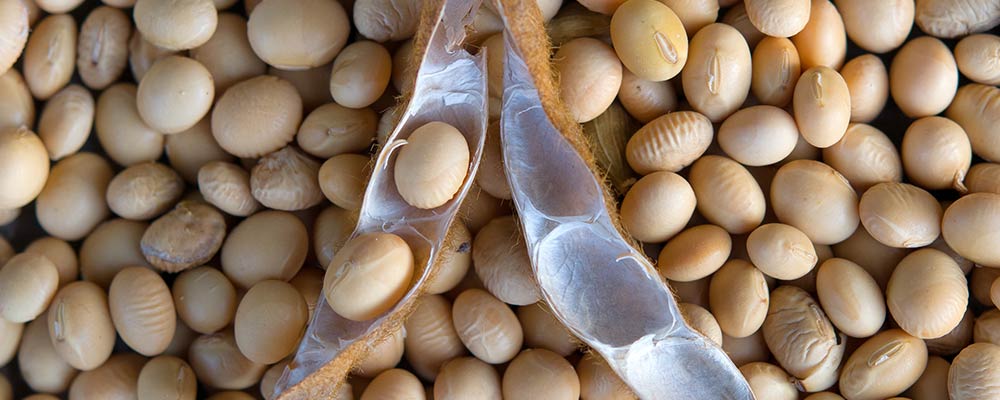
Soybean White Flake is a high-quality intermediate soybean product obtained through low-temperature solvent extraction of dehulled and conditioned soybeans. Unlike conventional soybean meal, Soybean White Flake is characterized by light color, low residual oil content, and minimal protein denaturation, making it a preferred raw material for further processing into soybean protein concentrate (SPC) and other protein-based products.
In modern soybean processing plants, Soybean White Flake is not considered a final product. Instead, it is a strategic intermediate that directly determines the feasibility and efficiency of downstream protein processing. This is why more investors and processors are specifically searching for Soybean White Flake production lines rather than general soybean oil extraction systems.
Why Is Soybean White Flake Important in Modern Soybean Processing?
Soybean White Flake plays a critical role in connecting oil extraction with protein upgrading. Traditional high-temperature extraction systems are designed primarily to maximize oil recovery, often at the expense of protein quality. In contrast, Soybean White Flake production focuses on preserving protein structure and functionality.
This characteristic makes Soybean White Flake especially important for applications such as soybean protein concentrate production, textured vegetable protein manufacturing, and high-quality aquafeed. From an investment perspective, producing Soybean White Flake allows processors to move up the value chain, transforming a standard oil mill into an integrated protein-oriented soybean processing plant.
How Is Soybean White Flake Produced?
Soybean White Flake is produced through a carefully controlled low-temperature solvent extraction process. While the overall flow resembles conventional soybean extraction, key operating parameters are significantly different.
A typical process includes soybean cleaning and grading, dehulling and conditioning, controlled flaking, low-temperature solvent extraction, and gentle desolventizing and drying. Among these stages, flaking, extraction, and desolventizing are the most critical, as temperature, moisture, and residence time must be precisely managed to avoid protein denaturation.
What Makes Low-Temperature Extraction Essential for Soybean White Flake?
Low-temperature extraction is the core technical requirement for Soybean White Flake production. Excessive heat during extraction or desolventizing can irreversibly damage soybean proteins, reducing solubility and limiting their suitability for protein concentrate production.
Industry practice generally keeps extraction and desolventizing temperatures within controlled ranges that are widely referenced in soybean processing standards published by organizations such as AOCS. By maintaining these conditions, Soybean White Flake retains high protein functionality, uniform color, and stable downstream processing performance.
What Are the Typical Technical Parameters for Soybean White Flake Production?
The following table summarizes commonly accepted operating ranges used in commercial Soybean White Flake production lines. These values represent industry practice and may vary depending on raw soybean quality, plant capacity, and equipment design.
| Parameter | Typical Range | Purpose |
|---|---|---|
| Flake thickness | 0.25–0.35 mm | Improve solvent penetration |
| Extraction temperature | ≤ 55 °C | Protect protein structure |
| Desolventizing temperature | ≤ 60 °C | Maintain protein solubility |
| Residual oil content | < 1.0% | Suitable for SPC production |
| Protein solubility index | Relatively high | Indicator of protein quality |
How Does Soybean White Flake Differ from Regular Soybean Meal?
Soybean White Flake differs fundamentally from conventional soybean meal in both processing philosophy and end-use value. Regular soybean meal is typically produced under higher thermal conditions optimized for feed applications, where protein functionality is less critical.
Soybean White Flake, by contrast, is processed under low-temperature conditions to preserve protein integrity. It features lighter color, higher protein solubility, and better suitability for protein upgrading. Because of these differences, a conventional extraction plant cannot reliably produce Soybean White Flake without dedicated process design and equipment optimization.
What Equipment Is Required for a Soybean White Flake Production Line?
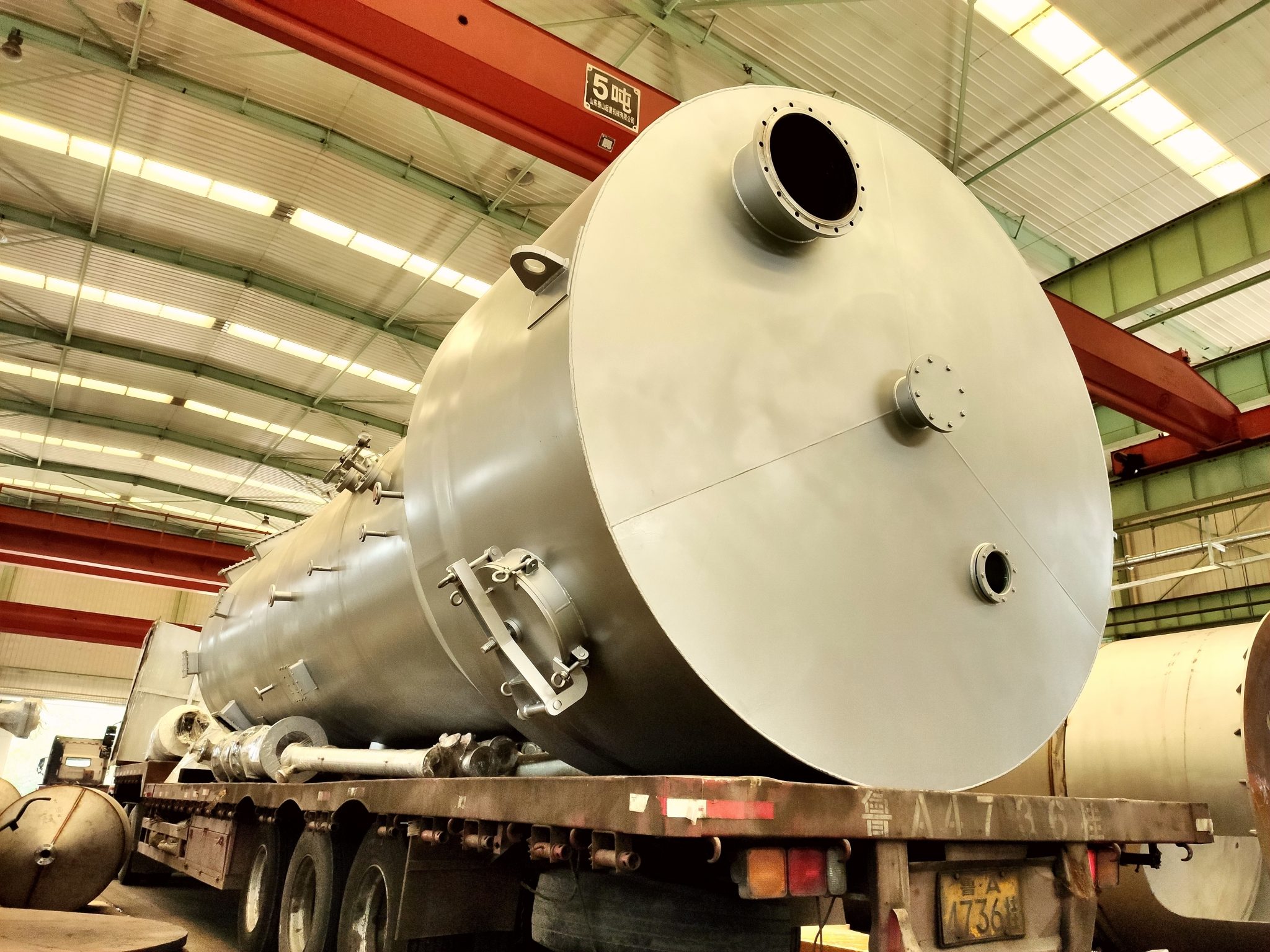
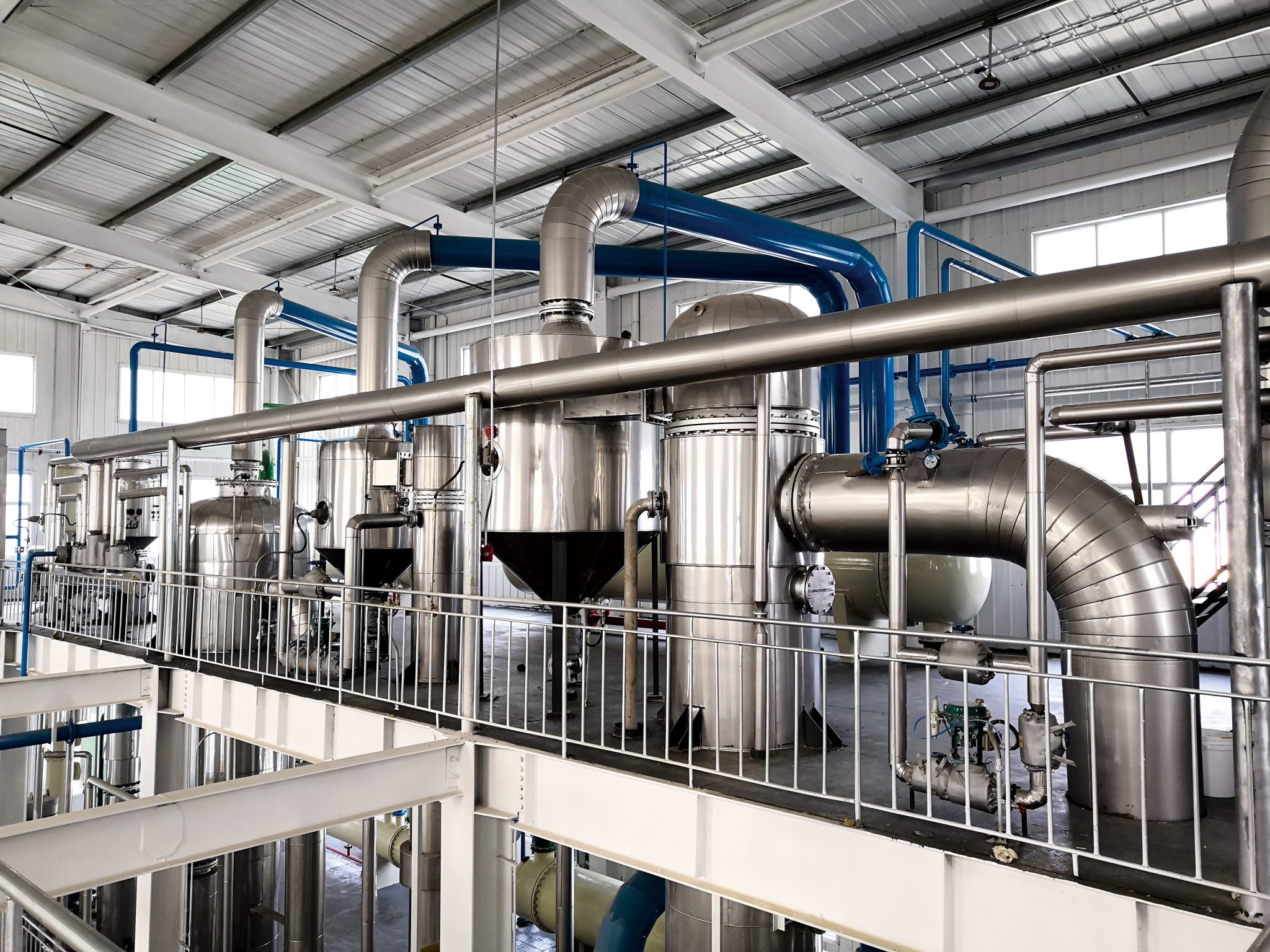
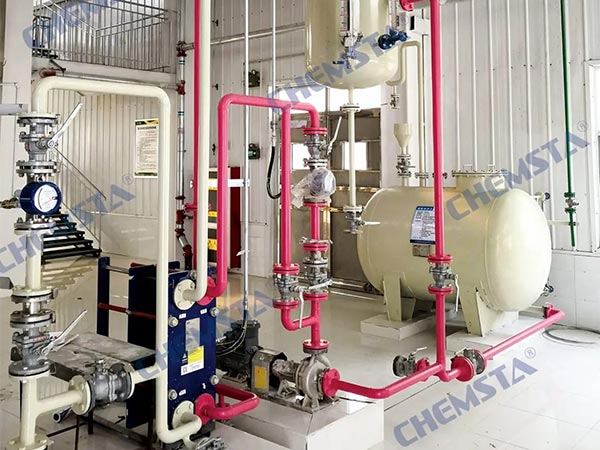
A complete Soybean White Flake production line includes precision flaking mills, a low-temperature solvent extractor, a specially designed desolventizer-toaster or DTDC system, solvent recovery units, and an integrated automation and control system.
Due to the tight interaction between these components, Soybean White Flake plants are typically delivered as integrated production lines rather than isolated machines. This approach ensures stable operation and consistent product quality.
Is Soybean White Flake Production Suitable for Turnkey Projects?
Soybean White Flake production is particularly well suited for turnkey project delivery. The process requires precise coordination between equipment selection, process parameters, and automation systems. Fragmented sourcing often increases commissioning risk and compromises final product quality.
Turnkey Soybean White Flake processing plants allow for unified engineering design, streamlined installation, and faster startup. For investors targeting soybean protein concentrate or other high-value protein products, turnkey implementation significantly reduces technical and operational risk.
How Does Soybean White Flake Support Soybean Protein Concentrate Production?
Soybean White Flake is widely recognized as the preferred raw material for soybean protein concentrate production. Its low residual oil content and preserved protein structure enable efficient downstream extraction using aqueous or alcohol-based processes.
Without high-quality Soybean White Flake, it is difficult to achieve consistent SPC yield and functionality, regardless of downstream equipment sophistication. This makes Soybean White Flake quality a decisive factor in the overall performance of protein-oriented soybean processing plants.
What Should Investors Consider Before Building a Soybean White Flake Plant?
Before investing in a Soybean White Flake processing plant, decision-makers should clearly define their downstream product strategy, target protein specifications, and plant capacity requirements. Raw soybean characteristics, energy availability, and future expansion plans should also be evaluated during the early design stage.
Because Soybean White Flake production depends on integrated process control, early engineering decisions have long-term implications. Proper planning at the initial stage is essential for achieving stable operation and consistent product quality.
Conclusion
Soybean White Flake is not merely a by-product of soybean oil extraction. It is a strategic intermediate that determines the technical and economic potential of modern soybean processing plants. Through low-temperature extraction and carefully engineered process control, Soybean White Flake enables processors to enter high-value protein markets while maintaining competitive oil recovery.
For companies seeking long-term competitiveness in soybean processing, investing in a dedicated Soybean White Flake production line represents a technically sound and commercially proven strategy.
FAQ
Is Soybean White Flake suitable for animal feed?
Yes. It is particularly suitable for aquafeed and high-protein feed formulations.
Can an existing extraction plant be modified to produce Soybean White Flake?
Partial modification is possible, but consistent quality typically requires purpose-designed equipment.
Is Soybean White Flake a final product?
No. It is mainly an intermediate used for protein upgrading.
What plant capacities are common for Soybean White Flake production?
Commercial plants generally range from medium to large industrial scale.
Does Soybean White Flake production reduce oil extraction efficiency?
When properly designed, oil yield remains competitive while protein quality improves.
Need Help Choosing the Right Soybean White Flake Processing Solution?
If you are planning to build or upgrade a soybean processing plant and want to achieve stable, high-quality Soybean White Flake, our engineering team is ready to support you. We specialize in customized turnkey Soybean White Flake production lines, covering process design, equipment manufacturing, installation, and commissioning.
Contact us today for a personalized technical consultation and take the next step toward high-value soybean processing. Build your plant on a solid technical foundation and ensure long-term operational success.