Turnkey Edible Oil Refinery Plant for Industrial-Scale Oil Processing
Table of Contents
Introduction
For many investors, crude oil extraction is only the first step. The real commercial value lies in refining. A turnkey edible oil refinery plant transforms crude vegetable oil into high-quality, market-ready edible oil that meets food safety and export standards.
However, refining projects are capital-intensive and technically complex. Improper process design can result in excessive chemical consumption, unstable deodorization, color reversion, high energy usage, and poor oil yield retention.
A professionally engineered turnkey edible oil refinery plant eliminates these risks by integrating process design, equipment manufacturing, installation support, and commissioning under one coordinated framework.
If you are planning to build or upgrade an Edible Oil Production Plant, refining efficiency will directly determine your profitability.
What Is a Turnkey Edible Oil Refinery Plant?
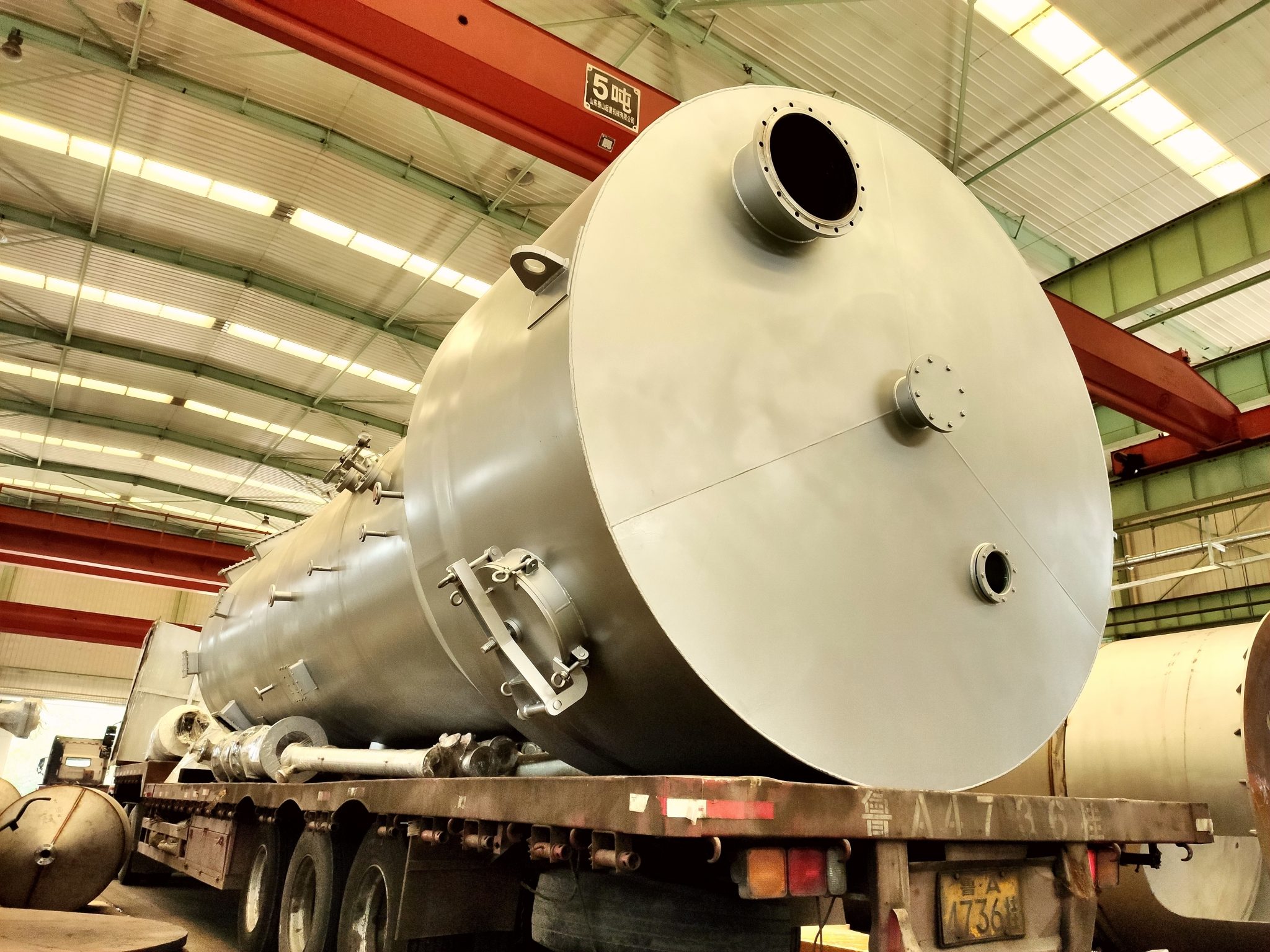
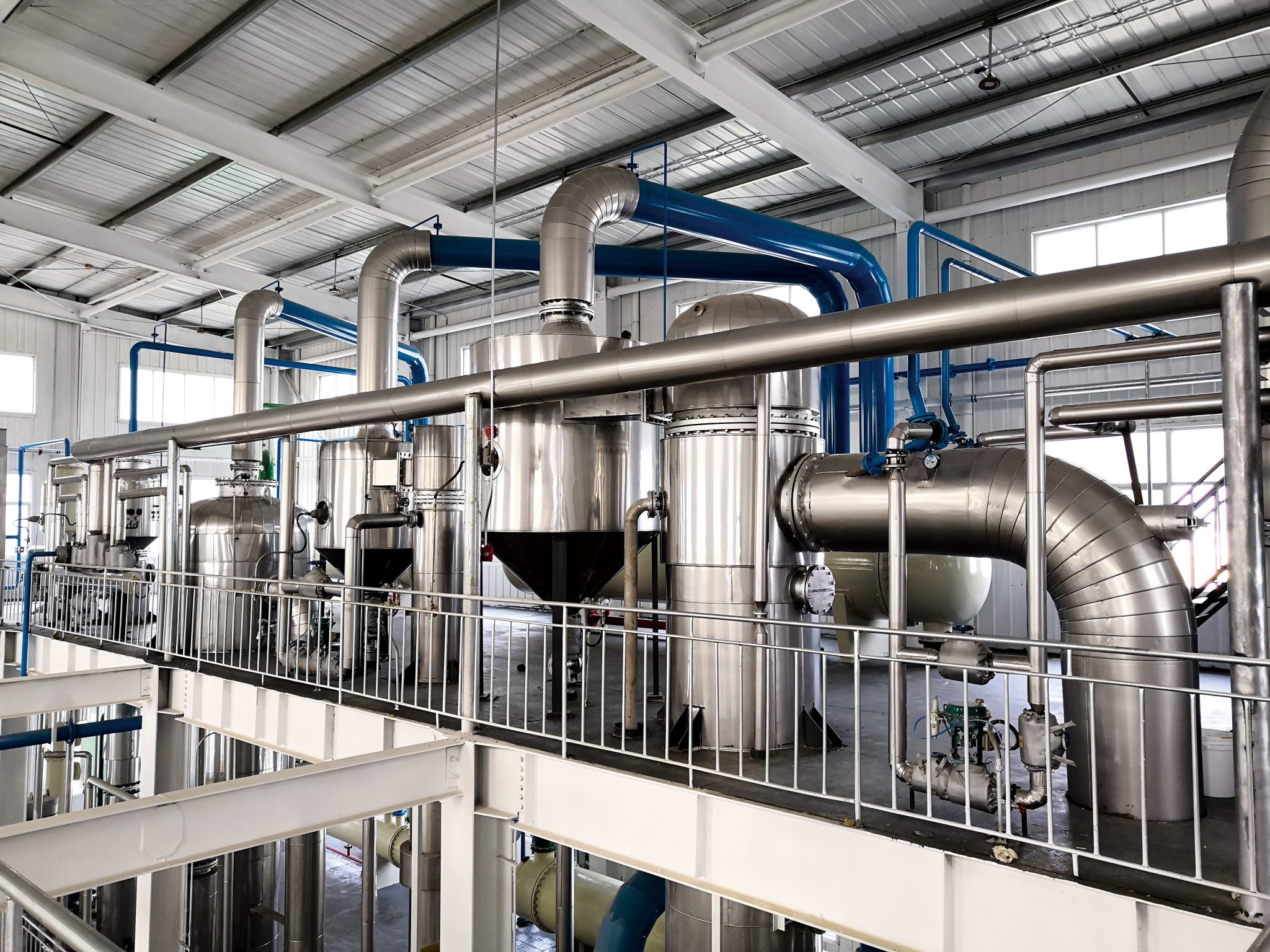
A turnkey edible oil refinery plant is a complete refining solution delivered under a single engineering responsibility model. It typically includes:
- Degumming system
- Neutralization section
- Bleaching system
- Deodorization unit
- Heat recovery system
- Vacuum system
- Automation and central control
- Utility integration
Unlike standalone refining equipment purchases, turnkey delivery ensures that each section is capacity-matched and optimized within the overall Edible Oil Production Lines structure.

Why Refining Efficiency Determines ROI
Many investors underestimate the impact of refining losses. Poorly optimized refining can cause:
- Excessive neutral oil loss
- High steam consumption
- Unstable color and odor
- Reduced final yield
- Increased downtime
A properly engineered industrial oil refining plant minimizes oil loss during neutralization and bleaching while preserving oil quality.
Even a small reduction in refining loss can significantly increase annual profit in medium and large-scale facilities.
Continuous vs Batch Refining: Which Is Better?
For industrial applications, continuous edible oil refining systems provide greater stability and efficiency compared to batch systems.
Continuous systems offer:
- Stable product quality
- Reduced labor requirements
- Lower energy consumption
- Automated parameter control
- Better integration with upstream extraction
Batch refining may suit smaller operations, but for serious investors building an Edible Oil Production Plant, continuous refining ensures scalable and predictable performance.
Engineering Design for Different Oil Types
Different crude oils require tailored refining parameters. Soybean, sunflower, rapeseed, peanut, and cottonseed oil all have unique impurity profiles.
A turnkey edible oil refinery plant must consider:
- Phospholipid content
- Free fatty acid levels
- Pigment concentration
- Moisture content
- Trace metal presence
Engineering customization ensures consistent finished oil quality while controlling chemical consumption and operating cost.
Energy Optimization in Vegetable Oil Refinery Systems
Refining is energy-intensive, especially deodorization. Modern refinery design integrates:
- Multi-stage heat recovery
- Steam optimization
- Efficient vacuum systems
- Condensate recycling
Energy savings in deodorization alone can significantly reduce operating cost per ton.
An optimized vegetable oil refinery system not only improves efficiency but also strengthens long-term competitiveness.
Automation and Process Stability
Automation plays a crucial role in maintaining refining consistency.
Integrated control systems monitor:
- Temperature profiles
- Vacuum stability
- Flow rates
- Dosing precision
- Steam pressure
In turnkey edible oil refinery plants, automation is integrated during engineering design, not added afterward. This ensures process stability and minimizes operator intervention.
Stable refining parameters prevent product rejection and customer complaints.
Capacity Planning and Throughput Matching
One common mistake in Edible Oil Production Lines is mismatch between extraction and refining capacity.
An undersized refinery section creates production bottlenecks. An oversized unit increases unnecessary capital expenditure.
Proper engineering calculates:
- Daily crude oil throughput
- Peak load conditions
- Future expansion potential
- Utility demand alignment
Balanced capacity planning ensures smooth plant-wide operation.
Investment Cost Factors
The cost of a turnkey edible oil refinery plant depends on:
- Daily capacity
- Degree of automation
- Heat recovery integration
- Oil types processed
- Local utility infrastructure
Although initial investment varies, choosing low-cost equipment without engineering support often leads to higher long-term operating expenses.
A properly designed system reduces lifecycle cost and improves ROI predictability.
Comparison: Equipment Purchase vs Turnkey Refinery Plant
| Factor | Equipment Only | Turnkey Refinery Plant |
|---|---|---|
| Process Integration | Limited | Fully Integrated |
| Commissioning Time | Longer | Shorter |
| Risk of Capacity Mismatch | High | Low |
| Energy Optimization | Basic | Advanced |
| Performance Guarantee | Uncertain | Defined |
For industrial investors, turnkey delivery provides greater financial and operational security.
When Should You Upgrade an Existing Refinery?
You may consider upgrading if:
- Steam consumption is unusually high
- Oil loss exceeds acceptable levels
- Final product color fluctuates
- Frequent shutdowns occur
- Expansion is planned
Modernizing your edible oil refinery plant can significantly improve efficiency without building an entirely new facility.
Why Engineering Experience Matters
Refining involves complex thermal and chemical interactions. Inexperienced system design can cause:
- Deodorization instability
- Excessive bleaching earth usage
- Vacuum system inefficiency
- High maintenance frequency
An experienced engineering partner ensures process stability from startup through long-term operation.
Conclusion
A turnkey edible oil refinery plant is a critical investment for any industrial Edible Oil Production Plant. Refining performance determines oil quality, energy cost, and final profit margin.
By integrating process engineering, automation, and energy optimization into one coordinated system, turnkey refinery plants deliver stable performance and predictable financial returns.
For investors seeking long-term industrial reliability, refining should never be treated as an isolated equipment purchase—it must be engineered as part of a complete production strategy.
Planning to build or upgrade your edible oil refinery plant?
Our turnkey refining solutions are engineered for high yield retention, energy efficiency, and stable large-scale operation. Contact our technical team today for a customized refinery proposal tailored to your oil type, capacity, and investment goals.