Complete Edible Oil Production Plant Solutions for Industrial-Scale Investment
Table of Contents
Introduction
A complete edible oil production plant is not simply a processing workshop. It is a complex industrial system that integrates oilseed preparation, extraction technology, refining processes, utilities, automation, environmental protection, and long-term operational strategy.
For investors planning large-scale vegetable oil manufacturing projects, the difference between average performance and sustained profitability lies in engineering design. Poorly integrated Edible Oil Production Lines may function initially but often suffer from capacity imbalance, excessive energy consumption, unstable oil quality, and unexpected downtime.
In contrast, a professionally engineered complete edible oil production plant aligns every processing section into a coordinated, optimized production system. The result is higher oil yield, lower operating cost, faster commissioning, and predictable return on investment.
This guide explains how a full oilseed processing plant should be designed, what technologies are essential, and how to structure your project for long-term success.
Core Components of a Complete Edible Oil Production Plant

A complete plant typically includes the following integrated sections:
- Raw Material Cleaning and Preparation
- Conditioning, Cracking, and Flaking
- Mechanical Pressing or Pre-Pressing
- Continuous Solvent Extraction Plant
- Desolventizing and Meal Processing
- Edible Oil Refinery Plant
- Utility Systems and Energy Recovery
- Automation and Central Control
Each section must be engineered according to raw material characteristics and target capacity. A mismatch in throughput between extraction and refining, for example, can reduce overall plant efficiency even if individual equipment performs well.
Oilseed Preparation: The Foundation of Yield
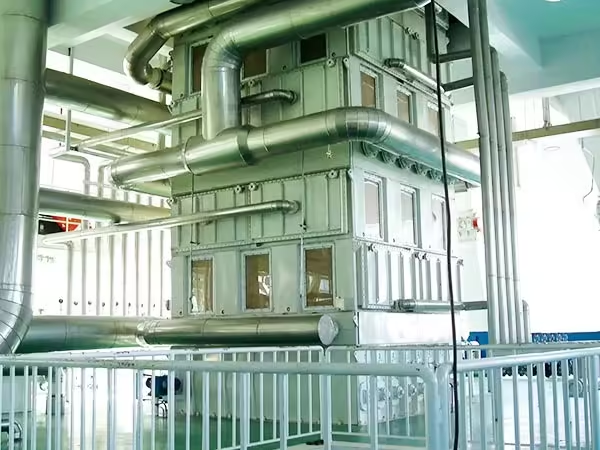
High oil recovery begins with proper seed preparation. Cleaning systems remove impurities that could damage downstream equipment or affect oil quality. Conditioning and flaking adjust seed structure to maximize oil release during pressing or solvent extraction.
In large-scale Edible Oil Production Lines, preparation systems are designed for continuous operation, ensuring uniform particle size and moisture content. This consistency is critical for extraction efficiency and stable downstream refining performance.
Poor preparation reduces oil yield and increases energy consumption, directly impacting ROI.
Mechanical Pressing vs Solvent Extraction Plant
Investors must decide whether to use:
- Mechanical pressing only
- Pre-pressing + solvent extraction
- Full solvent extraction
For small-scale plants, pressing may be sufficient. However, for medium and large capacities, a continuous solvent extraction plant becomes essential to maximize oil recovery.
Continuous solvent extraction provides:
- Higher oil yield
- Lower residual oil in meal
- Reduced labor intensity
- Better scalability
When integrated correctly into a complete edible oil production plant, solvent extraction significantly enhances raw material utilization and overall profitability.
Edible Oil Refinery Plant Engineering
Refining determines whether crude oil becomes market-ready edible oil.
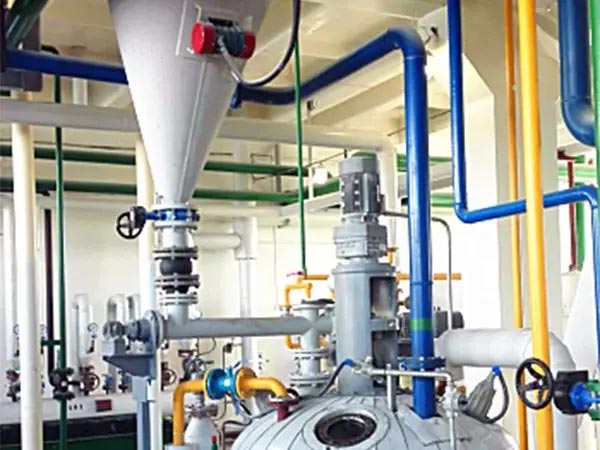
A modern edible oil refinery plant includes:
- Degumming to remove phospholipids
- Neutralization to reduce free fatty acids
- Bleaching to remove pigments
- Deodorization to eliminate odor and volatile compounds
Engineering precision is crucial. Temperature profiles, vacuum levels, and residence times must be tightly controlled. In high-capacity vegetable oil manufacturing plants, automated dosing systems ensure consistent chemical usage and stable final quality.
Refining instability can negate upstream extraction gains, so integration across sections is critical.
Automation in Complete Edible Oil Production Plants
Automation transforms conventional oil mills into intelligent industrial systems.
Modern automated Edible Oil Production Lines include:
- PLC or DCS centralized control
- Real-time data monitoring
- Automated alarms and safety interlocks
- Energy management optimization
- Remote diagnostic capability
Automation reduces operator dependency, minimizes human error, and enables predictive maintenance. For investors, this translates into reduced downtime, consistent yield, and controlled operational costs.
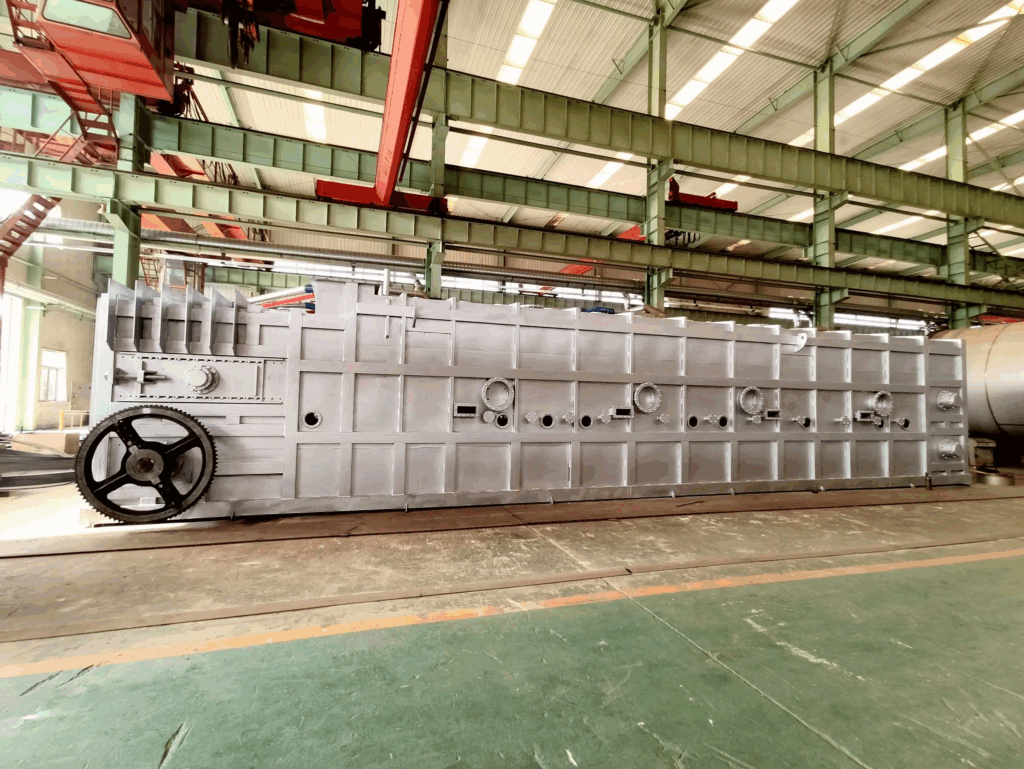
Utility Systems and Energy Optimization
Energy efficiency is often overlooked during initial investment decisions, yet it directly affects long-term profitability.
A well-designed complete edible oil production plant integrates:
- Heat recovery systems from deodorization
- Optimized steam distribution networks
- Solvent recovery systems
- High-efficiency motors and variable frequency drives
- Condensate recycling systems
These features reduce steam and electricity consumption per ton of oil processed, strengthening cost competitiveness.
Environmental and Safety Considerations
Industrial oilseed processing plants must comply with environmental regulations and safety standards.
Engineering design includes:
- Solvent vapor recovery systems
- Wastewater treatment
- Dust collection systems
- Explosion-proof equipment in extraction areas
- Fire protection and gas detection systems
Proper safety integration protects personnel, reduces regulatory risk, and ensures sustainable operation.
Capacity Planning and Scalability
A complete edible oil production plant must be designed for current demand and future expansion.
Scalability strategies include:
- Modular installation
- Reserved equipment foundations
- Expandable automation architecture
- Oversized utility pipelines for future load
Planning for expansion during initial engineering reduces future capital expenditure and avoids operational disruption.
Investment Models and Risk Assessment
Investors typically consider three models:
| Project Model | Engineering Coordination | Risk Level | Performance Predictability |
|---|---|---|---|
| Equipment-Only Procurement | Low | High | Uncertain |
| Multi-Supplier Assembly | Medium | Moderate | Variable |
| Turnkey Complete Edible Oil Production Plant | High | Low | High |
Turnkey solutions offer unified responsibility for process design, equipment compatibility, installation guidance, and commissioning support. This reduces coordination errors and ensures target capacity is achieved.
Financial Considerations and ROI Drivers
Key financial drivers include:
- Oil yield percentage
- Energy cost per ton
- Labor cost per shift
- Downtime frequency
- Maintenance expenditure
- Market price stability
A professionally engineered complete edible oil production plant optimizes each of these factors.
Even small yield improvements in large-scale plants can generate substantial annual revenue increases. For example, a 1% improvement in oil recovery at high capacity can translate into significant profit growth over time.
Common Mistakes in Oil Plant Investment
Many projects underperform due to:
- Undersized extraction units
- Overestimated refining throughput
- Poor utility planning
- Lack of automation
- Inexperienced engineering design
Avoiding these mistakes requires early-stage feasibility analysis and professional process simulation.
Project Implementation Timeline
A typical complete edible oil production plant project involves:
- Feasibility Study and Capacity Planning
- Process Flow Design
- Equipment Manufacturing
- Installation and Mechanical Completion
- Automation Integration
- Commissioning and Trial Production
- Performance Validation
Clear project management ensures commissioning occurs on schedule and capacity targets are met.
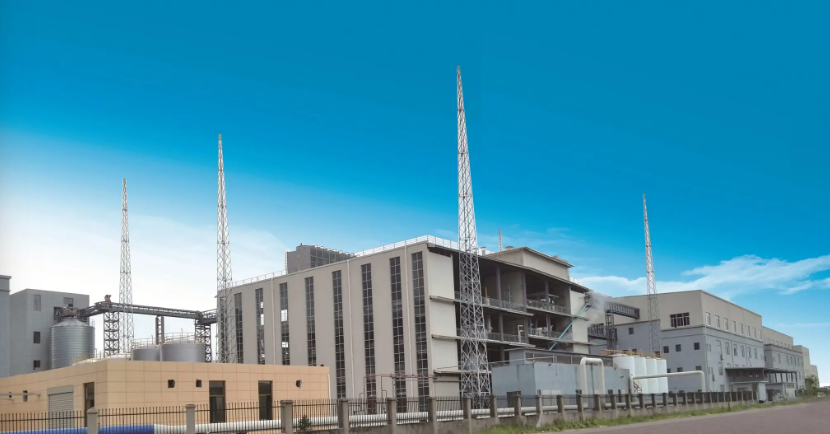
Who Should Invest in a Complete Edible Oil Production Plant?
Suitable investors include:
- Large agribusiness groups
- Edible oil brands expanding upstream
- Government-supported industrial zones
- Export-oriented vegetable oil manufacturers
- Investors targeting vertical integration
For serious stakeholders, integrated Edible Oil Production Lines provide a foundation for long-term industrial growth.
Conclusion
A complete edible oil production plant is a strategic industrial infrastructure project. Its success depends on integrated engineering, solvent extraction efficiency, refining precision, automation capability, and energy optimization.
Investors who prioritize system-level design over short-term equipment cost achieve higher yield, lower operating expense, and stable long-term profitability.
The key is selecting an engineering partner capable of delivering a fully coordinated industrial oil processing solution.
Planning to build or upgrade your edible oil processing facility?
Our complete edible oil production plant solutions are engineered for high yield, energy efficiency, safety compliance, and scalable industrial performance. Contact our engineering team today for a customized feasibility study and project proposal tailored to your raw materials, capacity goals, and investment strategy.