Edible Oil Production Plant Cost Breakdown: Equipment, Land, and Profit Analysis
Table of Contents
Introduction
For investors planning to enter the vegetable oil processing industry, one of the most important questions is the cost of building an edible oil production plant. The investment required depends on several factors, including plant capacity, processing technology, equipment configuration, infrastructure, and automation level.
Edible oil processing is a capital-intensive industry, but it also offers strong long-term profitability when properly planned. By converting raw oilseeds such as soybeans, sunflower seeds, rapeseed, peanuts, or palm kernels into refined cooking oil, producers can significantly increase product value while meeting growing market demand.
Understanding the cost structure of an edible oil production plant helps investors make better decisions about plant scale, equipment selection, and financial planning.

Main Components of an Edible Oil Production Plant
A complete edible oil production plant consists of several integrated processing systems that work together to convert oil-bearing materials into finished edible oil products.
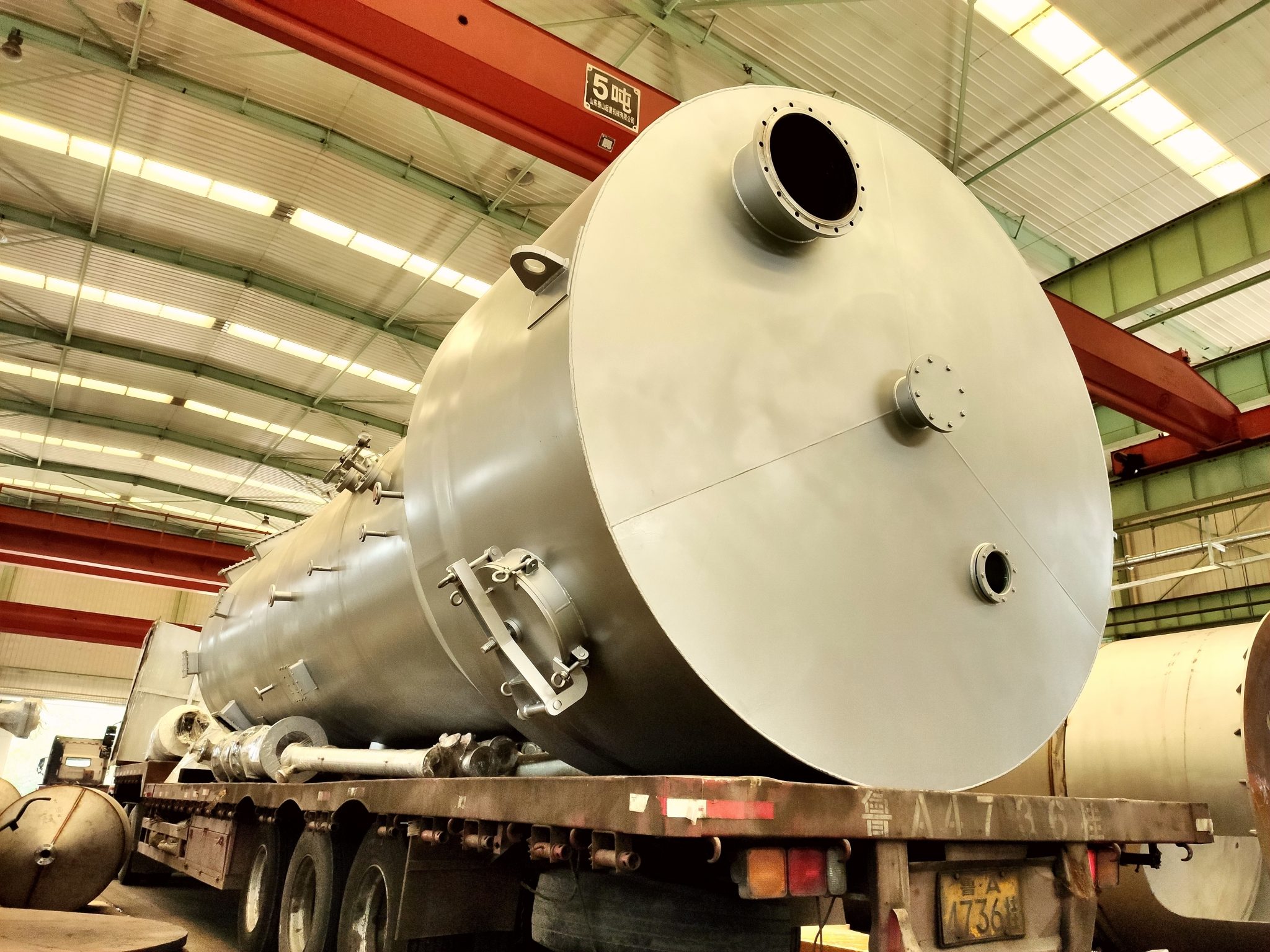
The first system is the raw material preparation section. This area includes cleaning machines, screening equipment, magnetic separators, cracking mills, and flaking machines. These machines remove impurities and prepare oilseeds for efficient extraction.
The second system is the oil extraction section. Depending on the scale of the plant, oil extraction may use mechanical pressing, solvent extraction, or a combination of both technologies.
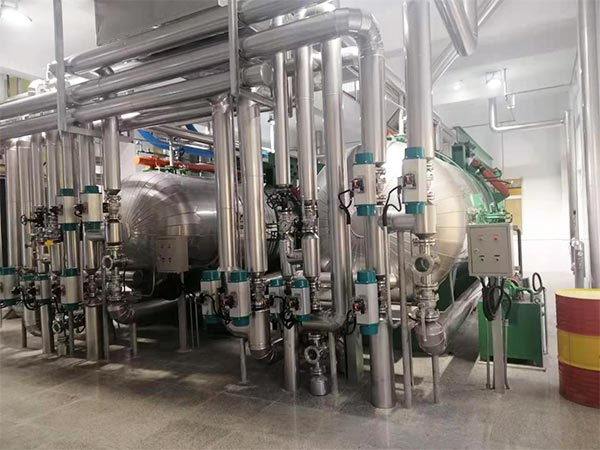
The third system is the refining section, where crude oil undergoes degumming, neutralization, bleaching, and deodorization processes to produce high-quality edible oil.
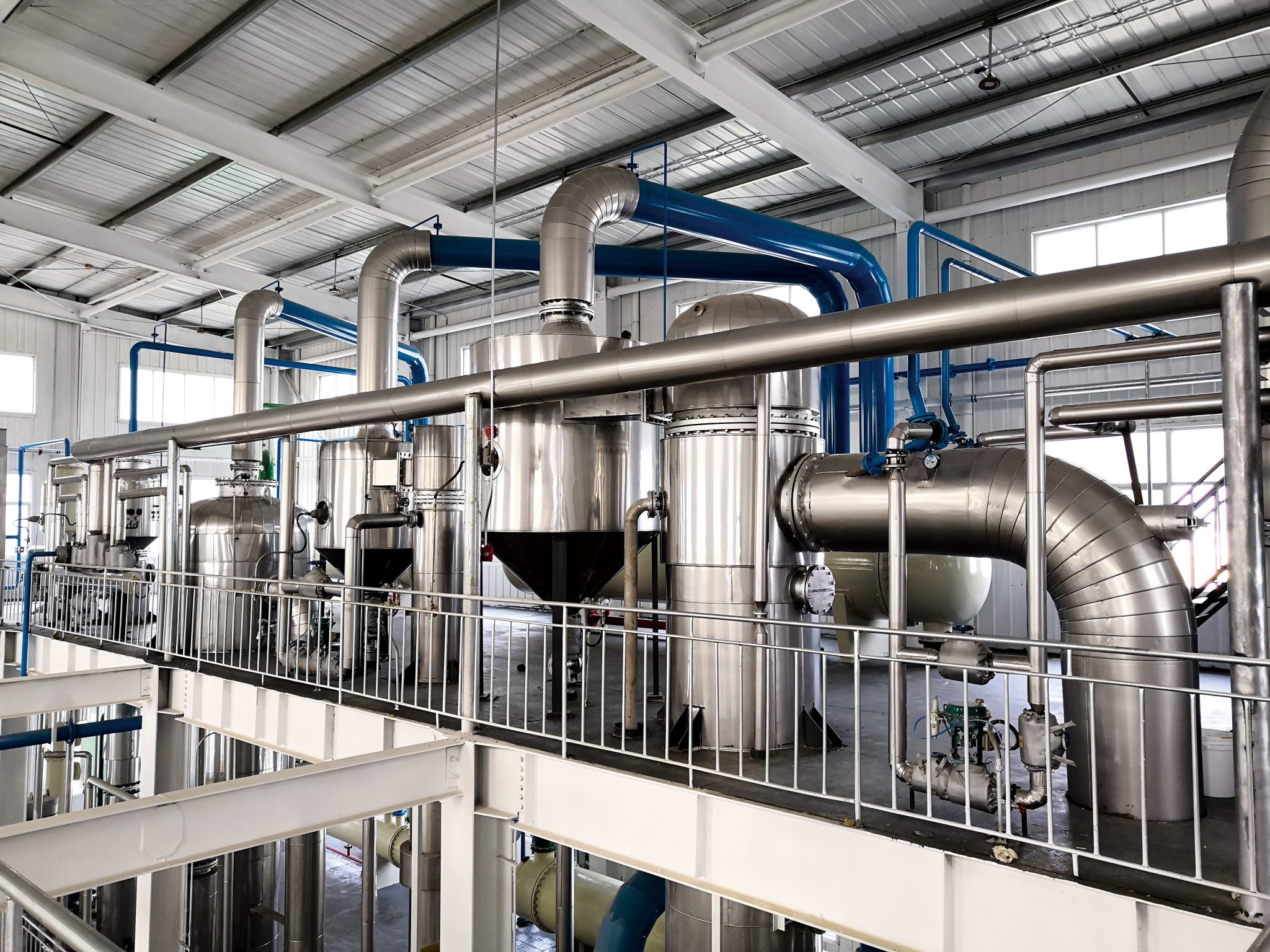
Additional supporting systems include boilers, steam generation units, cooling systems, oil storage tanks, packaging lines, and automated control systems.
Each of these components contributes to the overall investment cost of the plant.
Typical Cost Structure of an Edible Oil Production Plant
The investment required for an edible oil production plant varies widely depending on the scale and technology used. However, most projects follow a similar cost distribution pattern.
The following table shows the typical investment allocation for an industrial edible oil production facility.
| Cost Category | Percentage of Total Investment | Description |
|---|---|---|
| Processing equipment | 40–50% | Extraction machines, presses, solvent extractors, refining equipment |
| Construction and installation | 20–30% | Factory buildings, installation labor, structural work |
| Utilities and infrastructure | 10–20% | Boilers, water treatment, power systems |
| Automation and control systems | 5–10% | Digital monitoring and PLC control systems |
| Engineering and project management | 5–10% | Design, technical support, commissioning |
Equipment usually represents the largest portion of total investment because industrial oil processing machines must operate continuously and maintain high efficiency.
Land and Infrastructure Requirements
Land cost is another important factor when calculating the total investment for an edible oil production plant.
Large-scale plants require sufficient space for processing equipment, raw material storage, oil storage tanks, and logistics operations.
Typical land requirements are shown below.
| Plant Capacity | Recommended Land Area |
|---|---|
| Small plant | 2,000 – 5,000 m² |
| Medium plant | 8,000 – 15,000 m² |
| Large plant | 20,000 – 40,000 m² |
Industrial parks often provide better infrastructure support, including stable power supply, water access, transportation links, and waste treatment systems.
Choosing the right location can significantly reduce infrastructure investment and operational costs.
Operating Costs in Edible Oil Production
Beyond the initial investment, investors must also consider operating expenses.
Major operating costs include raw materials, energy consumption, labor, maintenance, and logistics.
Raw materials usually represent the largest portion of operating expenses because oilseeds account for most of the production cost.
Energy costs are also significant because oil extraction and refining processes require steam, electricity, and thermal energy.
Modern edible oil production plants use energy recovery systems and efficient boilers to reduce energy consumption and operating costs.
Revenue Streams in an Edible Oil Production Plant
An edible oil production plant generates income from multiple product streams.
The primary product is refined vegetable oil used for cooking and food manufacturing.
However, oilseed processing also produces valuable by-products such as oilseed meal. Soybean meal, for example, is widely used in livestock feed and represents an important revenue source.
Additional products may include lecithin, fatty acids, and industrial oils depending on the refining process.
Diversifying product streams improves the overall profitability of the plant.
Return on Investment (ROI) Analysis
When evaluating the feasibility of an edible oil production plant, investors should consider expected return on investment.
Several factors influence ROI, including oil yield efficiency, raw material price fluctuations, energy costs, and market demand for edible oil.
The following table shows a simplified ROI estimation model for a medium-scale edible oil production plant.
| Factor | Example Value |
|---|---|
| Processing capacity | 200 tons/day |
| Oil yield | 18–20% |
| Annual operating days | 300 |
| Annual oil output | 10,800 – 12,000 tons |
| Estimated ROI period | 3–5 years |
Large plants often achieve faster ROI due to economies of scale and lower unit processing costs.
Choosing the Right Technology for Maximum Profit
Technology selection has a major impact on plant efficiency and long-term profitability.
Modern edible oil production plants often combine pre-pressing and solvent extraction technology to achieve the highest oil recovery rate.
Advanced refining systems also ensure consistent oil quality and compliance with international food safety standards.
Automation systems improve operational stability and reduce labor requirements, further enhancing profitability.
Investors should work with experienced engineering partners who can design optimized production lines based on raw material characteristics and production goals.
Conclusion
Building an edible oil production plant requires careful planning, technical expertise, and strategic investment decisions. While the initial cost may be significant, modern oil processing facilities offer strong long-term profitability due to growing global demand for vegetable oils.
Understanding the cost structure, equipment requirements, operating expenses, and potential revenue streams allows investors to develop realistic project plans and maximize financial returns.
With the right technology, efficient plant design, and reliable engineering support, an edible oil production plant can become a highly profitable and sustainable industrial project.
FAQ
What raw materials can an edible oil production plant process?
Most plants can process oilseeds such as soybeans, sunflower seeds, rapeseed, peanuts, cottonseed, and palm kernels.
What is the typical capacity of an edible oil production plant?
Industrial edible oil production plants usually process between 50 and 1000 tons of oilseeds per day depending on the project scale.
How long does it take to build an edible oil production plant?
Construction and commissioning usually take between 6 and 18 months depending on plant size and project complexity.
Is solvent extraction necessary for large oil processing plants?
Yes, solvent extraction is commonly used in large plants because it increases oil yield and improves overall processing efficiency.