What types of oil presses are there?
Table of Contents
Introduction

Oil presses are machines designed to extract oil from seeds, nuts, and other oil-rich raw materials. These machines have been used for centuries, evolving from simple manual presses to advanced electric and industrial models. Modern oil presses combine efficiency, hygiene, and versatility, making them ideal for home kitchens, small businesses, and commercial oil production.
Understanding the different types of oil presses is essential for choosing the right machine for your needs. Factors such as production capacity, seed compatibility, and oil quality play a key role in selecting an oil press that fits your goals.
Manual Oil Presses
Manual oil presses are compact, lightweight machines operated by hand. They are often favored by home users who want to produce small quantities of fresh, homemade oil.
Manual presses are simple to use, require no electricity, and are affordable. However, their output is limited, and extracting oil from hard seeds can be labor-intensive. For beginners, a manual oil press is a practical introduction to oil extraction without a significant investment.
Electric Oil Presses
Electric oil expeller automate the pressing process, providing higher efficiency and output. They are ideal for home users who want convenience or small-scale commercial operators.
Electric oil presses are generally more expensive than manual models, but they save time and labor. Many electric presses offer adjustable temperature settings, which allow users to choose between cold pressing and hot pressing depending on the type of oil they want to produce.
Cold Press Oil Machines
Cold press oil machines operate at low temperatures to extract oil without heating. This method preserves most of the nutrients, flavor, and natural aroma of the oil. Cold-pressed oils are often preferred for health-conscious consumers and premium culinary uses.
Research from food science journals shows that cold pressing retains higher levels of antioxidants and essential fatty acids compared with hot pressing. This makes cold-pressed oil ideal for salads, dressings, and cooking where nutritional value is a priority.
Hot Press Oil Machines
Hot press oil machines use heat to increase oil yield during extraction. This method is commonly used for commercial production because it maximizes efficiency and reduces processing time.
While hot pressing produces more oil per batch, it may reduce some of the oil’s natural nutrients. For certain types of seeds, such as peanuts or sunflower seeds, hot pressing is an effective solution to meet large-scale production needs.
Commercial and Industrial Oil Presses
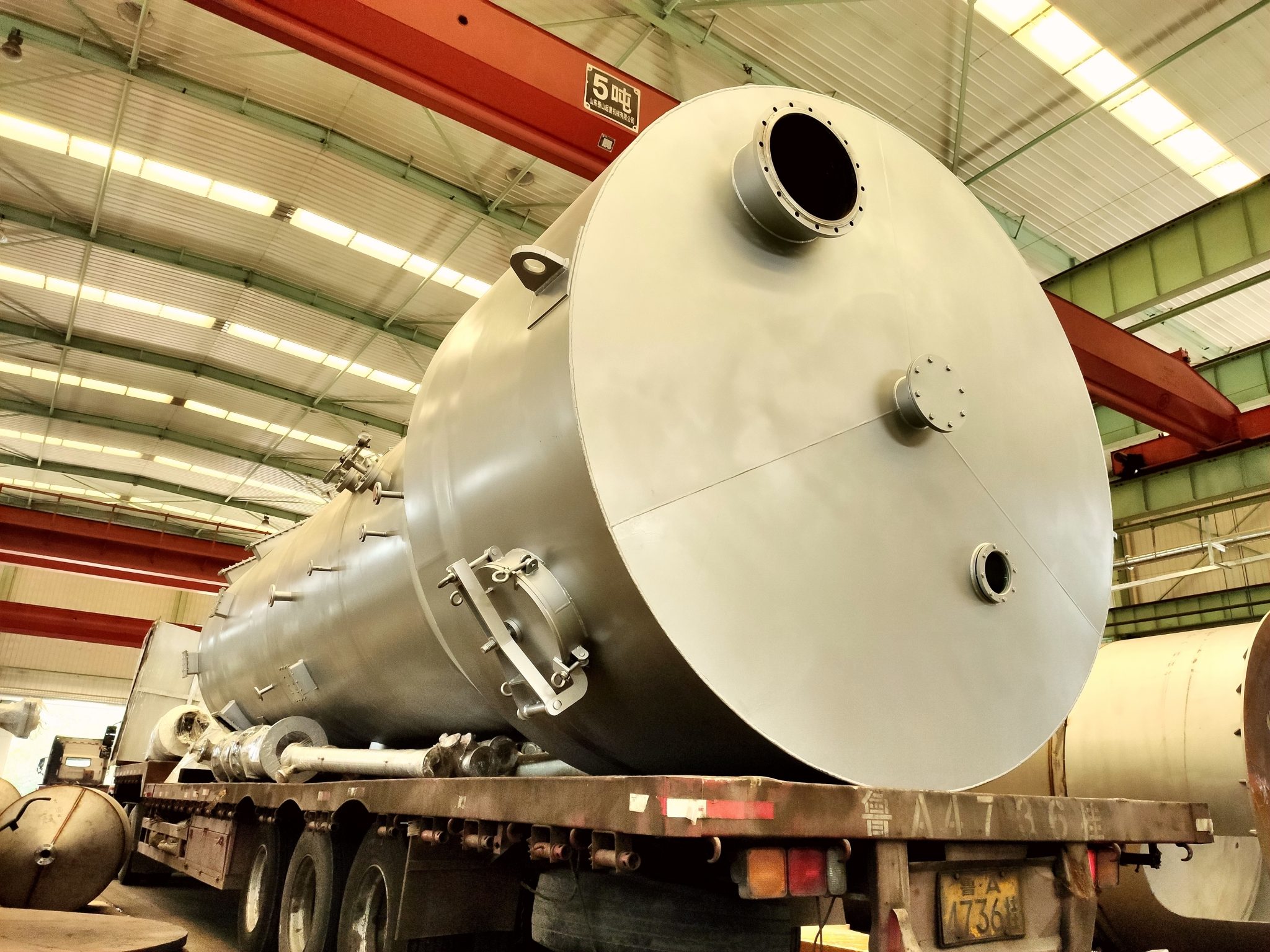
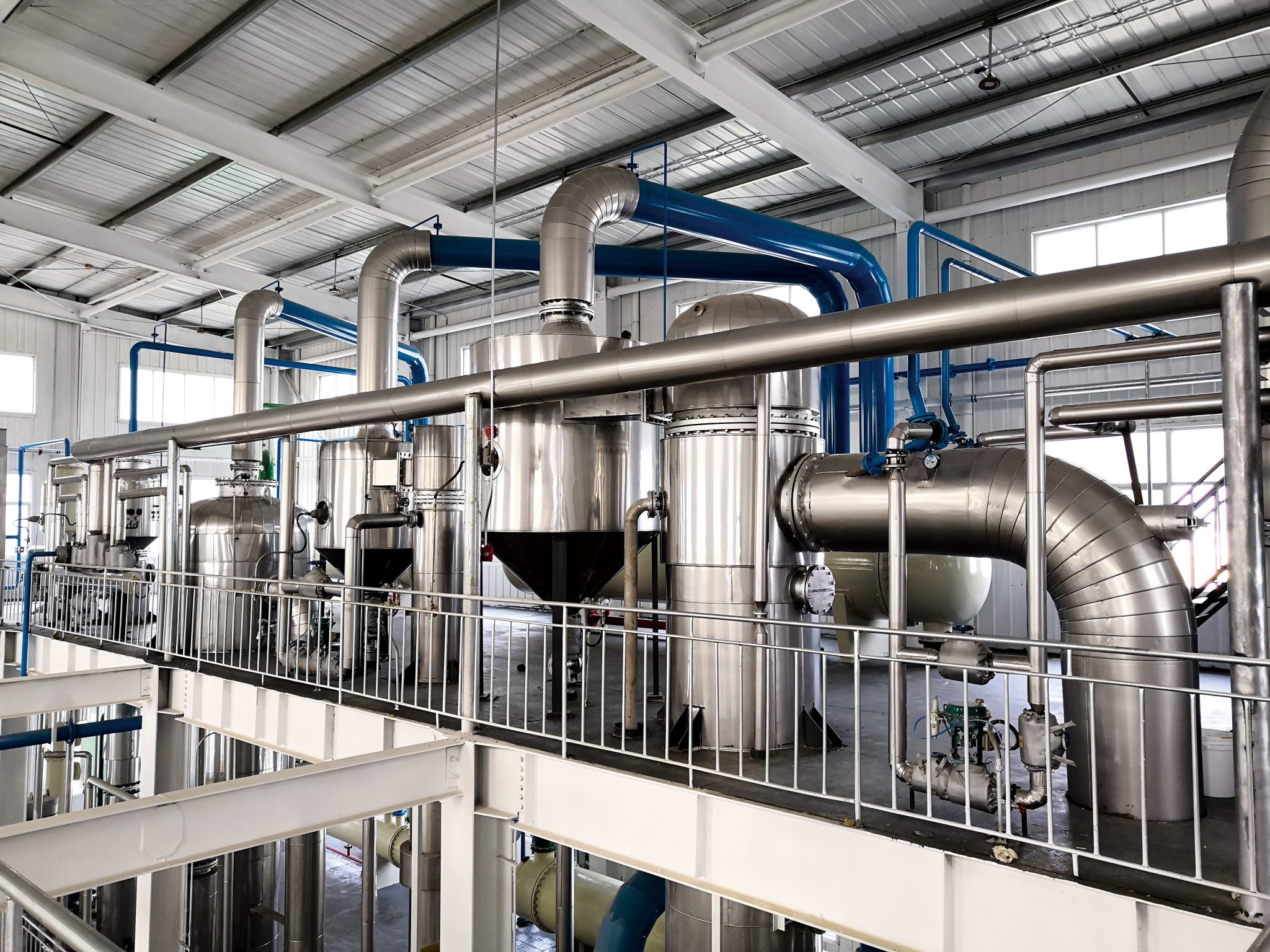
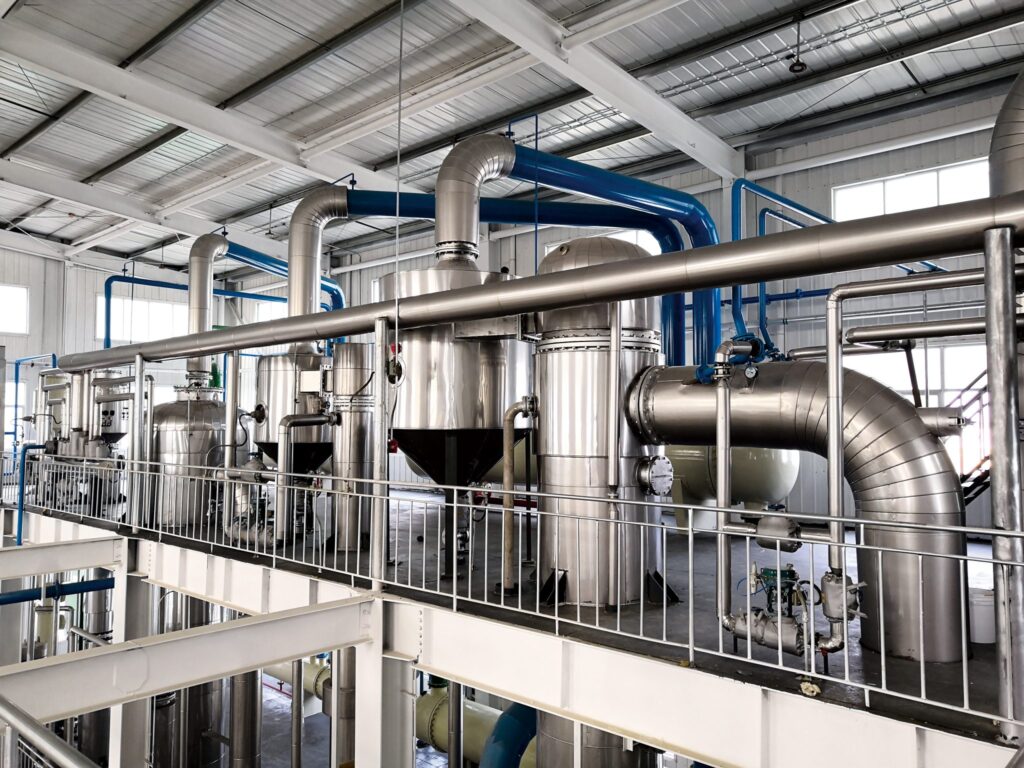
Industrial oil presses are designed for high-volume production. These machines can process hundreds of kilograms of seeds per hour and often include automated feeding, temperature control, and oil filtration systems.
Commercial presses are ideal for oil factories or businesses that require consistent quality and maximum output. According to industry reports, industrial oil presses can achieve 95% extraction efficiency for certain seeds, making them a reliable choice for large-scale operations.
Hybrid and Multi-Seed Oil Presses
Some oil presses are hybrid or multi-seed models, capable of processing different types of seeds without significant adjustments. These machines allow users to extract oil from sesame, sunflower, soybean, and other seeds using the same device.
Multi-seed presses offer versatility for both home and small business users. They are convenient, cost-effective, and suitable for those who want to experiment with different oils without buying multiple machines.
Oil Press Comparison Table
| Type | Production Rate | Best Use | Pros | Cons |
|---|---|---|---|---|
| Manual | Low | Home use | Affordable, easy to use | Low efficiency, labor-intensive |
| Electric | Medium | Home/Small Business | Faster extraction, consistent results | Higher cost, energy consumption |
| Cold Press | Medium | Healthy oils | Nutrient retention, natural flavor | Lower yield, slower process |
| Hot Press | High | Commercial | High oil output | Nutrient loss, requires heat |
| Industrial | Very High | Large-scale production | Maximum efficiency, automated | Expensive, requires space |
This table helps you compare the main types of oil presses and determine which one suits your production goals and budget.
Maintenance and Care of Oil Presses
Proper maintenance is critical to prolonging the life of your oil press. Always clean the machine after each use to prevent oil residue buildup and potential contamination. Regularly check for worn parts, tighten loose screws, and lubricate moving components when necessary.
Common issues include clogged pressing chambers, reduced output, or overheating. Following the manufacturer’s guidelines for routine maintenance can prevent these problems and ensure consistent oil quality over time.
Buying Guide for Oil Presses

When choosing an oil press, consider the following factors:
- Intended use: home, small business, or industrial production
- Types of seeds to process
- Production capacity per hour or per batch
- Available budget and operating costs
- Ease of cleaning and maintenance
Balancing these factors will help you select an oil press that meets your specific needs and ensures a reliable return on investment.
Conclusion
Oil presses come in a wide variety of types, each designed to meet different needs. Manual and electric presses suit home or small-scale use, while cold and hot presses cater to health-conscious or commercial users. Industrial and multi-seed presses provide high efficiency and versatility for large-scale production.
By understanding the differences, advantages, and limitations of each type, you can make an informed decision and select the oil press that best fits your goals. Proper maintenance, seed selection, and usage methods will ensure long-term performance and high-quality oil output.
FAQ
What is an oil press?
An oil press is a machine designed to extract oil from seeds, nuts, or other oil-rich materials. It allows you to produce fresh, high-quality oil at home or for commercial purposes, depending on the machine type and capacity.
How does an oil press work?
Oil presses work by applying mechanical pressure to crush seeds or nuts. Some machines use heat (hot press) to increase yield, while others operate at low temperatures (cold press) to preserve nutrients and flavor.
Can I use an oil press at home?
Yes, many small electric or manual oil presses are designed for home kitchens. They are easy to operate, clean, and maintain, making it possible to produce healthy cooking oils from various seeds.
What seeds can be used in an oil press?
Most oil presses can process seeds like sesame, sunflower, peanuts, soybeans, and flax. Some multi-seed machines handle a wider range of seeds without adjustments, offering versatility for different types of oils.
How do I maintain an oil press for long-term use?
Regular cleaning, checking for worn parts, and proper lubrication are essential. Follow the manufacturer’s instructions for maintenance to ensure consistent performance and long-lasting durability of your oil press.
Need Help Choosing the Right Oil Press?
If you’re unsure which oil press is best for your home or business, our experts are here to guide you. Contact us today for a personalized consultation, and ensure you select a machine that meets your production needs and quality standards. Don’t wait to start making fresh, healthy oils—get in touch now to find the perfect oil press for you!