How Edible Oil Distallation Works: Process, Equipment, and Tips
Table of Contents
Edible oil distallation is a critical process in producing high-quality cooking oils and other food-grade oils. It ensures that oils are free from impurities, have a neutral flavor, and a long shelf life. Understanding how edible oil distallation works can help producers, small business owners, and food enthusiasts optimize oil quality and maintain safety standards. This article explains the process, key equipment, tips, and practical insights for achieving consistent results.
Introduction

Edible oil distallation is the process of purifying crude vegetable oils to remove free fatty acids, volatile compounds, phospholipids, and other impurities. The process improves the oil’s clarity, taste, stability, and overall safety for consumption. Unlike simple refining, distallation uses controlled heat, vacuum, and mechanical systems to separate unwanted components while preserving the oil’s essential nutrients.
This process is vital for producing oils such as soybean, sunflower, palm, and peanut oils. According to industry reports, properly distilled oils have significantly lower peroxide values, which reduces rancidity and extends shelf life.
The Science Behind Edible Oil Distallation
The principle of edible oil distallation relies on the fact that different compounds in oil have distinct boiling points. By applying heat under vacuum conditions, volatile compounds, free fatty acids, and odors can be removed without excessively heating the oil, which could degrade nutrients.
Steam distallation is commonly used, where steam interacts with the oil under a controlled vacuum, carrying away volatile impurities. Proper temperature control ensures beneficial fatty acids and vitamins remain intact, while unwanted compounds are separated.
Key Steps in the Edible Oil Distallation Process
The distallation process generally includes several stages, each targeting specific impurities and improving oil quality:
- Degumming: Removes phospholipids, trace metals, and gums from crude oil.
- Neutralization: Eliminates free fatty acids, improving stability and preventing rancidity.
- Bleaching: Adsorbents remove pigments like chlorophyll and carotenoids.
- Deodorization: Steam distallation removes odor-causing compounds for neutral flavor.
The following table summarizes these stages:
| Stage | Purpose | Impurities Removed | Benefit |
|---|---|---|---|
| Degumming | Hydrates and separates gums | Phospholipids, trace metals | Improved clarity and stability |
| Neutralization | Removes free fatty acids | Free fatty acids | Reduces rancidity |
| Bleaching | Adsorbs pigments | Chlorophyll, carotenoids | Better color |
| Deodorization | Removes volatile compounds | Odor compounds, residual acids | Neutral taste and aroma |
Types of Edible Oil Distallation Equipment
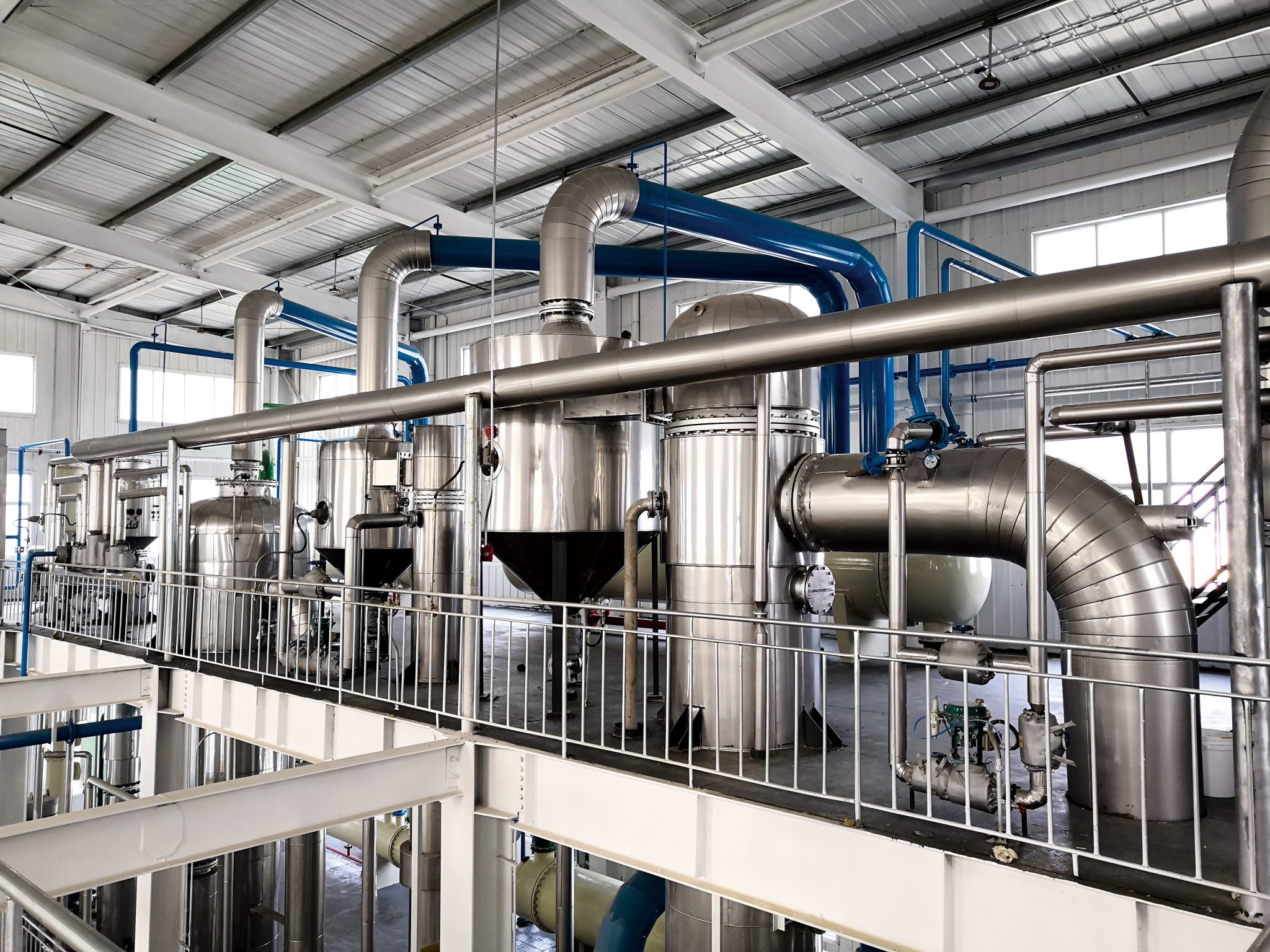
Effective distallation relies on using the right equipment:
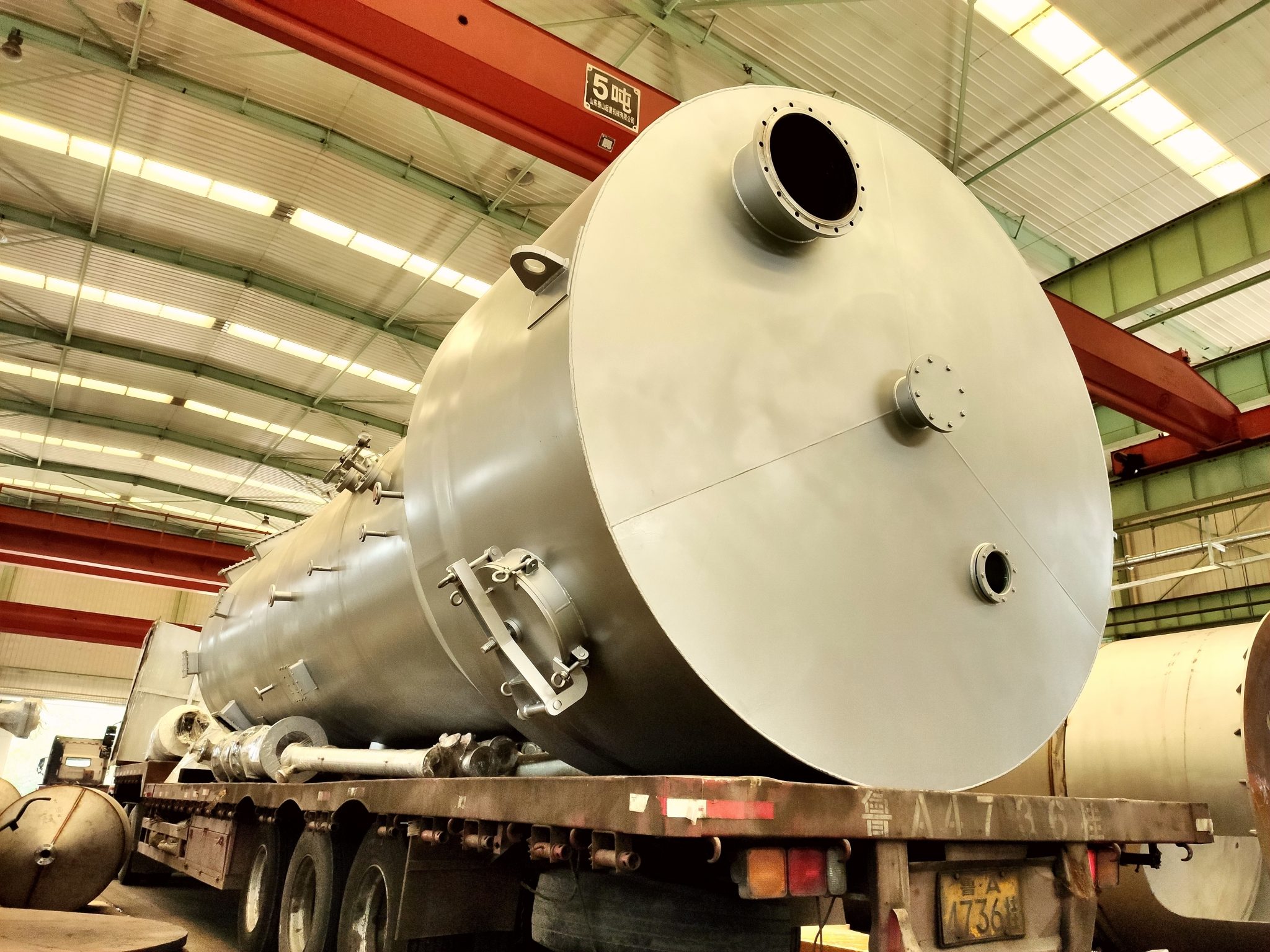
- Distallation Towers: Core units where oil is separated under heat and vacuum.
- Condensers: Capture vaporized impurities efficiently.
- Vacuum Systems: Maintain low-pressure conditions to prevent nutrient degradation.
- Heating Units: Provide controlled and uniform heat to the oil.
- Filtration Units: Remove residual particles post-distallation.
Automation and digital monitoring help maintain precise temperature and vacuum levels for consistent results.
Physical vs Chemical Edible Oil Distallation
There are two main approaches:
- Physical Distallation: Uses steam under vacuum to remove free fatty acids and odors without chemical reagents. Nutrients are preserved, and the process is energy-efficient.
- Chemical Distallation: Neutralizes acids using alkaline solutions before deodorization. Effective for high-acid oils but requires careful handling to ensure safety.
The choice depends on oil type, production scale, and desired product characteristics.
Factors Affecting Oil Quality
- Raw Oil Quality: Poor-quality crude requires careful pre-treatment.
- Temperature Control: Excessive heat can degrade vitamins and fatty acids.
- Vacuum Level: Proper vacuum ensures efficient removal of volatile compounds.
- Processing Time: Over-processing can affect oil color and flavor.
Maintaining consistency in these factors ensures high-quality edible oils every time.
Common Challenges in Edible Oil Distallation
Even experienced operators face challenges:
- Maintaining stable vacuum and temperature conditions.
- Preventing loss of essential nutrients during high-temperature stages.
- Managing energy consumption and operational efficiency.
- Regular maintenance to avoid fouling or corrosion.
Addressing these with proper equipment, monitoring, and maintenance ensures smooth operations.
Tips for Efficient and High-Quality Oil Distallation
- Choose equipment suitable for your production scale.
- Pre-treat crude oil before distallation to remove gums and solids.
- Monitor temperature and vacuum carefully throughout the process.
- Schedule regular cleaning and maintenance to prevent buildup.
- Consider energy-saving solutions such as heat recovery systems.
These practices improve oil yield, preserve nutritional value, and produce a stable product suitable for both commercial and small-scale use.
Benefits of Edible Oil Distallation
- Produces neutral-tasting, odorless oil.
- Extends shelf life by reducing peroxides and volatiles.
- Enhances clarity and visual appeal.
- Ensures compliance with food safety standards.
- Adds commercial value for oil producers.
Future Trends


- Smart automation and digital monitoring.
- Eco-friendly adsorbents and membrane filtration.
- Nutrient-preserving distallation methods.
- Integrated systems combining refining and distallation for efficiency.
Conclusion
Edible oil distallation is a crucial process for producing high-quality, safe, and stable oils. By carefully controlling temperature, vacuum, and raw oil quality, you can remove impurities while preserving nutrients, flavor, and clarity. Whether for commercial or small-scale production, mastering this process ensures efficient operation, consistent results, and premium oil that meets consumer expectations.
FAQ
What is edible oil distallation?
Edible oil distallation is the process of purifying crude oil by removing free fatty acids, odors, and other impurities. This results in high-quality, clean oil that is safe for cooking, food production, and industrial applications, ensuring better taste, clarity, and stability.
How does edible oil distallation improve oil quality?
By removing volatile compounds, pigments, and free fatty acids, edible oil distallation enhances the oil’s clarity, flavor, and stability. It also extends shelf life while preserving essential nutrients, making the oil more suitable for consumption and meeting food safety standards.
Can edible oil distallation be done at small scale?
Yes, small-scale or semi-automatic edible oil distallation units are designed for boutique production, artisanal oils, or home use. These systems allow safe, efficient purification while maintaining high quality and consistency, making them practical for smaller production setups.
What equipment is needed for edible oil distallation?
The process requires distallation towers, condensers, vacuum systems, heating units, and filtration devices. Using automated systems helps maintain precise temperature and vacuum levels, ensuring consistent results and improving operational efficiency for both small and large-scale production.
How do you maintain an edible oil distallation machine?
Maintenance involves cleaning all removable parts after each use, lubricating moving components, inspecting for wear or damage, and storing the equipment in a dry environment. Regular care ensures the machine performs reliably, extends its lifespan, and maintains the quality of distilled oil.
Need Help Choosing the Right Edible Oil Distallation System?
If you’re unsure which system is best for your production needs, our experts are here to help. Contact us today for a personalized consultation, and ensure your oil is purified efficiently and safely. Don’t wait to optimize your production—get in touch now to improve your oil quality and consistency!