What Is Edible Oil Refining and Why Is It Important?
Table of Contents
Edible oil refining is a critical step in transforming crude vegetable oils into safe, stable, and high-quality cooking oils. When oils are extracted from seeds or nuts, they often contain impurities such as phospholipids, free fatty acids, pigments, trace metals, and volatile compounds that can affect flavor, appearance, and shelf life. Through edible oil refining, these unwanted components are removed while preserving the nutritional value and functional properties of the oil.
Whether you are involved in food manufacturing, oil processing, or equipment supply, understanding edible oil refining helps you appreciate how modern processing techniques ensure food safety and consistent product quality. In this guide, you will learn how the refining process works, what technologies are used, and why refining plays such an important role in the global edible oil industry.
Introduction

Edible oil refining refers to a sequence of physical and chemical processes designed to purify crude vegetable oils after extraction. Oils obtained from oilseeds such as soybean, sunflower, peanut, or palm typically contain natural impurities that can negatively affect taste, stability, and storage life. The refining process removes these components and improves the oil’s color, odor, and overall quality.
According to research published in food science and processing journals, crude vegetable oil can contain up to 2–5 percent impurities depending on the raw material and extraction method. These impurities include phospholipids, waxes, pigments, and free fatty acids. Without proper refining, these substances may cause rancidity, unpleasant flavors, or reduced shelf stability.
Edible oil refining therefore plays an essential role in food safety and quality control. By applying controlled heat, filtration, and separation processes, producers can transform crude oil into a clean and stable product suitable for cooking, food manufacturing, and commercial distribution.
Overview of the Edible Oil Refining Process
The edible oil refining process generally follows a series of well-established stages. Each stage targets specific impurities and contributes to improving the oil’s stability and appearance.
The process usually begins after crude oil has been extracted through pressing or solvent extraction. From there, the oil undergoes multiple refining steps designed to gradually remove different contaminants.
The typical refining workflow includes:
- Degumming to remove phospholipids and gums
- Neutralization to eliminate free fatty acids
- Bleaching to remove pigments and trace metals
- Deodorization to eliminate unwanted odors and volatile compounds
Together, these stages produce a refined oil that is clear, odorless, and suitable for consumption or further food processing.
Main Steps in Edible Oil Refining
Degumming
Degumming is the first stage of edible oil refining. During this step, water or acid solutions are added to crude oil to hydrate phospholipids and gums. These compounds become insoluble and can then be separated through centrifugation.
Removing gums at this stage improves oil clarity and prevents processing issues later in the refining process. It also protects downstream equipment from fouling or buildup.
Neutralization
Neutralization removes free fatty acids present in crude oil. Free fatty acids can negatively affect taste and cause faster oxidation during storage.
In chemical refining systems, alkaline solutions such as sodium hydroxide react with free fatty acids to form soapstock. This soapstock can then be separated from the oil, leaving a more stable product.
Bleaching
Bleaching removes pigments, trace metals, oxidation products, and residual soap. During this stage, adsorbent materials such as activated clay or bleaching earth are mixed with the oil.
These materials attract and bind impurities, which are then removed through filtration. Bleaching significantly improves the color and clarity of refined oil.
Deodorization
Deodorization is typically the final step of edible oil refining. In this stage, high-temperature steam distillation removes volatile compounds responsible for undesirable odors and flavors.
The process occurs under vacuum conditions to protect the oil from oxidation. Deodorization ensures that the final product has a neutral taste and aroma, making it suitable for cooking and food manufacturing.
Physical vs Chemical Edible Oil Refining
Two main refining approaches are used in the edible oil industry: physical refining and chemical refining.
Chemical refining relies on alkaline neutralization to remove free fatty acids, while physical refining removes these acids through high-temperature steam distillation during deodorization.
Physical refining is often considered more energy-efficient and environmentally friendly because it produces less chemical waste. However, chemical refining remains widely used when processing oils with higher impurity levels.
Both methods can produce high-quality refined oil when properly designed and operated. The choice between them depends on the type of crude oil, impurity levels, and desired production efficiency.
Equipment Used in Edible Oil Refining
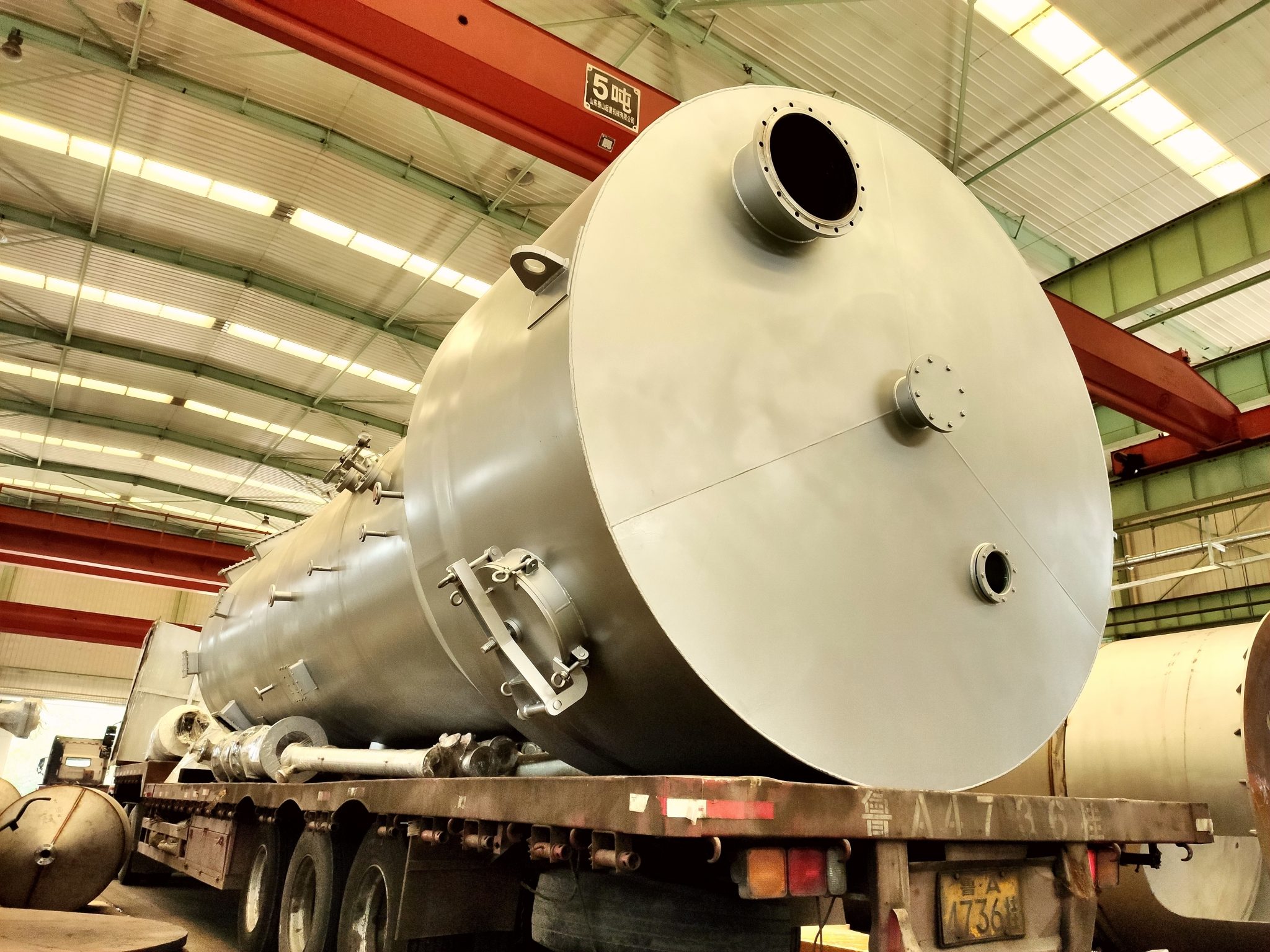
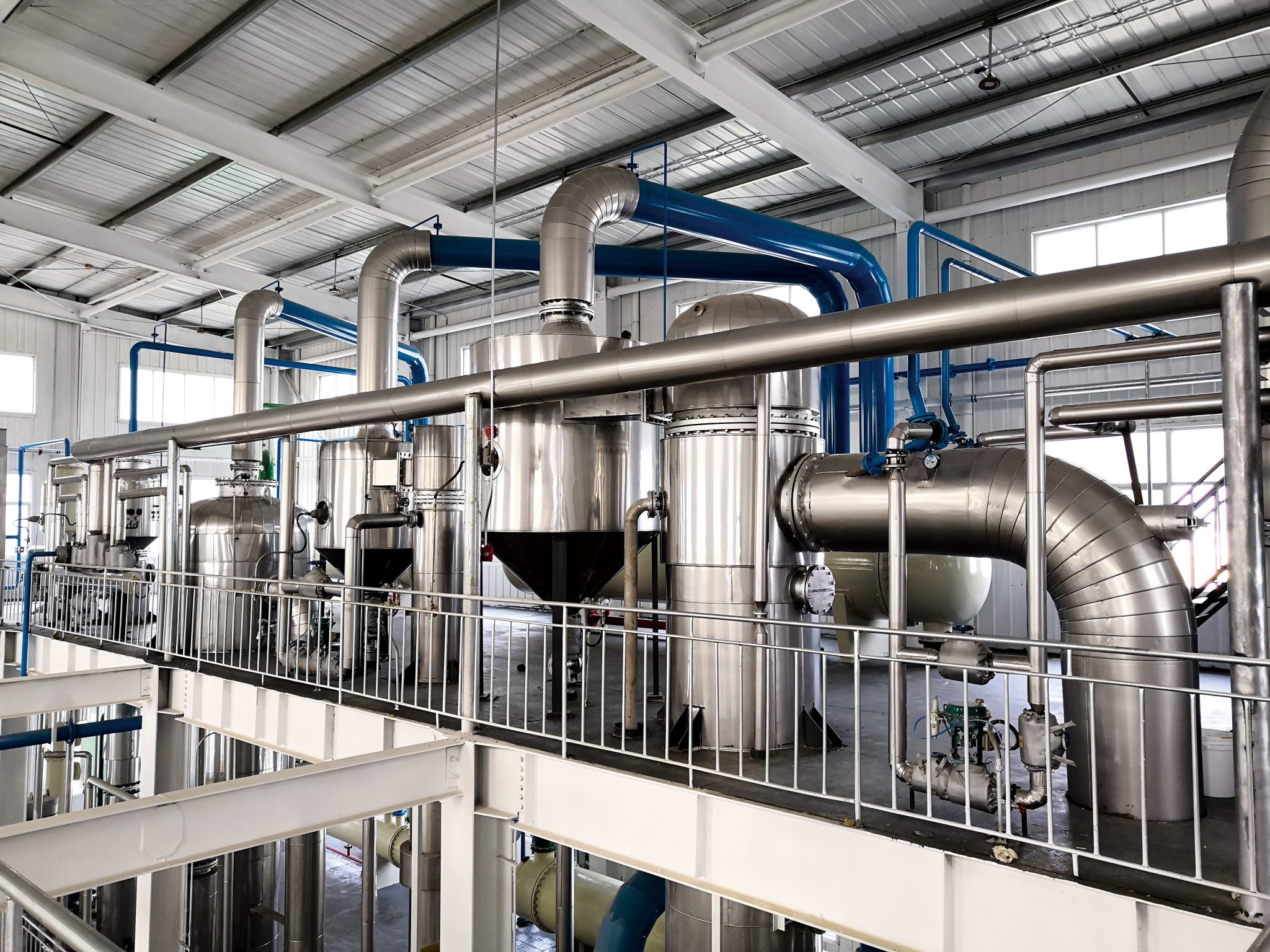
Modern edible oil refining plants rely on specialized equipment designed to maintain precise temperature, pressure, and flow conditions throughout the process.
Key refining equipment typically includes:
- Degumming tanks for phospholipid removal
- Neutralization reactors for chemical treatment
- Bleaching vessels with filtration systems
- Deodorization towers operating under vacuum
Each piece of equipment must be carefully designed to maintain consistent processing conditions. Automation and digital monitoring systems are increasingly used to improve accuracy and efficiency.
Key Stages of Edible Oil Refining
The following table summarizes the major stages of edible oil refining and their primary functions.
Stage | Main Function | Impurities Removed
Degumming | Hydrates and removes phospholipids | Gums and phospholipids
Neutralization | Eliminates free fatty acids | Free fatty acids
Bleaching | Adsorbs pigments and contaminants | Color pigments, metals
Deodorization | Removes volatile compounds | Odor and flavor compounds
This sequence ensures that crude oil is gradually purified and transformed into a high-quality edible product.
For a clearer understanding of how edible oil refining works, the table below summarizes the major refining stages, their functions, and the improvements they bring to oil quality.
| Refining Stage | Main Purpose | Impurities Removed | Resulting Improvement |
|---|---|---|---|
| Degumming | Hydrates and separates phospholipids and gums from crude oil | Phospholipids, gums, trace metals | Improves oil clarity and prepares oil for further refining |
| Neutralization | Uses alkaline solution to neutralize free fatty acids | Free fatty acids | Enhances oil stability and prevents rancidity |
| Bleaching | Uses adsorbent materials to remove pigments and contaminants | Chlorophyll, carotenoids, oxidation products | Improves oil color and purity |
| Deodorization | Applies steam distillation under vacuum to remove volatile compounds | Odor compounds, residual fatty acids | Produces neutral flavor and aroma suitable for food use |
Benefits of Edible Oil Refining
Edible oil refining offers several key advantages for both producers and consumers.
First, refining significantly improves food safety. By removing impurities and oxidation products, the process reduces the risk of spoilage and contamination.
Second, refined oils have longer shelf life. Removing unstable compounds prevents rapid oxidation and rancidity.
Third, refining improves sensory characteristics. Consumers generally prefer oils with neutral flavor, light color, and consistent texture.
Finally, refining enhances processing efficiency. Food manufacturers require stable oils that behave predictably in frying, baking, and other applications.
Industry studies have shown that properly refined oils demonstrate improved oxidative stability and longer storage life compared with crude oils.
Common Challenges in Edible Oil Refining
Despite its benefits, edible oil refining requires careful process control.
One challenge is maintaining the correct temperature and pressure at each stage. Excessive heat may degrade beneficial compounds, while insufficient processing may leave impurities in the oil.
Another challenge involves energy consumption. Refining operations, particularly deodorization, require significant heat and vacuum conditions.
Equipment maintenance is also essential. Fouling or worn components can reduce efficiency and lead to inconsistent product quality.
Addressing these challenges requires proper equipment design, skilled operation, and continuous monitoring of process parameters.
Tips for Improving Edible Oil Refining Efficiency
Producers can improve refining performance through several strategies.
Using high-quality crude oil reduces impurity levels and simplifies refining. Proper pretreatment can prevent contamination that might complicate downstream processes.
Regular equipment maintenance is equally important. Cleaning filtration systems and monitoring reactors help maintain consistent performance.
Process automation is another effective strategy. Advanced sensors and control systems allow operators to maintain optimal temperature and pressure conditions throughout the refining process.
Finally, investing in energy-efficient equipment can significantly reduce operational costs over time.
Future Trends in Edible Oil Refining Technology


The edible oil industry continues to evolve as new technologies improve efficiency and sustainability.
Modern refining plants increasingly adopt automated monitoring systems that allow precise control of processing parameters. These systems reduce waste, improve product consistency, and lower energy consumption.
Research also focuses on environmentally friendly refining methods that minimize chemical use and reduce byproducts. Advanced filtration and membrane technologies are being explored as alternatives to traditional refining stages.
Another important trend involves improving the nutritional quality of refined oils. Scientists are studying methods that remove impurities while preserving beneficial compounds such as natural antioxidants.
Conclusion
Edible oil refining plays a vital role in ensuring that vegetable oils are safe, stable, and suitable for consumption. By removing impurities such as phospholipids, pigments, free fatty acids, and volatile compounds, the refining process transforms crude oil into a clean and reliable ingredient used in kitchens and food production worldwide.
Understanding how edible oil refining works allows producers and industry professionals to optimize efficiency, maintain product quality, and adopt new technologies that support sustainable processing. As demand for high-quality cooking oils continues to grow, refining technology will remain a cornerstone of modern food manufacturing.
FAQ
What is edible oil refining?
Edible oil refining is the process of removing impurities such as free fatty acids, phospholipids, pigments, and odors from crude vegetable oil. This process improves the oil’s clarity, taste, stability, and safety, making it suitable for cooking and food manufacturing.
Why is edible oil refining necessary?
Edible oil refining is necessary because crude oil contains natural impurities that can affect flavor, color, and shelf life. Refining improves oil quality, removes unwanted compounds, and ensures the oil meets food safety and commercial standards.
What are the main steps in edible oil refining?
The main steps in edible oil refining usually include degumming, neutralization, bleaching, and deodorization. Each stage removes specific impurities to improve the oil’s purity, stability, and sensory quality.
What is the difference between physical and chemical edible oil refining?
Physical refining removes free fatty acids mainly through steam distillation during deodorization, while chemical refining uses alkaline solutions to neutralize these acids. The choice depends on the type of crude oil and processing requirements.
What types of oils require edible oil refining?
Most vegetable oils such as soybean, sunflower, palm, and peanut oil require edible oil refining after extraction. Refining ensures these oils are clean, stable, and suitable for consumption and food processing applications.
Need Help Choosing the Right Edible Oil Refining Solution?
If you’re unsure which edible oil refining process or equipment best fits your production needs, our experts are here to help. From process design to equipment selection, we provide professional guidance to help you achieve efficient, high-quality oil refining. Contact us today for a personalized consultation and discover how the right edible oil refining solution can improve your product quality and production performance. Don’t wait—get in touch now to optimize your oil processing system and stay ahead in the competitive food industry.