Soybean Crushing Plant Process Flow: Complete Production Workflow Guide
Understanding the complete soybean crushing plant process flow is essential for optimizing production efficiency, product quality, and operational profitability. Each processing stage plays a critical role in determining final oil yield, meal quality, and overall plant performance. This comprehensive guide walks through every stage of soybean processing, from raw material receiving to finished product packaging, helping you optimize your operation’s workflow and maximize returns.
Table of Contents
Overview of Soybean Crushing Process Flow
A modern soybean crushing plant involves multiple interconnected processing stages, each contributing to the final product quality and operational efficiency. The process flow varies slightly depending on the extraction technology used (mechanical pressing or solvent extraction), but the fundamental stages remain consistent.
Primary Process Stages:
- Raw Material Receiving and Storage
- Cleaning and Preparation
- Dehulling (Optional)
- Conditioning and Flaking
- Extraction (Mechanical or Solvent)
- Oil Refining (Optional)
- Meal Processing
- Product Storage and Packaging
Process Flow Objectives:
- Maximize oil extraction efficiency
- Maintain product quality and consistency
- Optimize energy consumption
- Ensure food safety and regulatory compliance
- Minimize waste and environmental impact
- Achieve target production capacities
Technology Variations:
- Mechanical Pressing Flow: Raw material → Cleaning → Conditioning → Flaking → Pressing → Oil Filtration → Meal Processing
- Solvent Extraction Flow: Raw material → Cleaning → Dehulling → Conditioning → Flaking → Solvent Extraction → Distillation → Meal Desolventization → Oil Refining

Stage 1: Raw Material Receiving and Storage
The first critical stage in soybean processing involves efficient receiving, inspection, and storage of raw materials. Proper handling at this stage prevents quality degradation and ensures consistent processing conditions.
Receiving Operations
Quality Inspection Protocols:
- Visual inspection for foreign materials and damage
- Moisture content measurement (target: 12-14%)
- Oil content verification (typically 18-22%)
- Temperature monitoring during transport
- Sample collection and laboratory analysis
Documentation and Traceability:
- Supplier verification and batch tracking
- Certificate of analysis review
- Weight verification and recording
- Quality attribute documentation
- Inventory management system updates
Handling Equipment:
- Truck or railcar receiving stations
- Weighing scales and systems
- Sample collection stations
- Conveyor systems for material transfer
- Automated receiving systems
Storage Management
Storage Facility Requirements:
- Proper ventilation and temperature control
- Moisture and pest protection systems
- First-in-first-out (FIFO) inventory rotation
- Segregation by quality characteristics
- Capacity planning for continuous operation
Storage Best Practices:
- Regular quality monitoring
- Temperature and humidity control
- Pest prevention programs
- Inventory rotation protocols
- Cleaning and maintenance schedules
Storage Technologies:
- Flat storage warehouses
- Silos and grain elevators
- Automated storage and retrieval systems
- Temperature-controlled storage
- Bulk storage with material handling systems
Stage 2: Cleaning and Preparation
Thorough cleaning and preparation is fundamental to achieving optimal extraction efficiency and product quality. This stage removes impurities that can damage equipment and reduce processing efficiency.
Cleaning Processes
Primary Cleaning Operations:
- Removal of large foreign materials (stalks, leaves, stones)
- Dust and fine material elimination
- Metal separation and removal
- Size classification and sorting
- Density separation for impurity removal
Cleaning Equipment:
- Magnetic separators for metal removal
- Vibrating screens for size classification
- Air classifiers for dust removal
- Destoners for stone and heavy impurity removal
- Gravity separators for density-based cleaning
Cleaning Efficiency Targets:
- Foreign material removal: 98-99%
- Metal removal: 100% detection and removal
- Dust and fine removal: 95-97%
- Overall material loss during cleaning: 0.5-1%
Preparation Operations
Size Reduction and Conditioning:
- Seed crushing and cracking
- Uniform size distribution achievement
- Moisture content adjustment
- Temperature conditioning for optimal processing
- Foreign material final inspection
Preparation Equipment:
- Seed crackers and mills
- Hammer mills for size reduction
- Conditioners for moisture adjustment
- Heating systems for temperature control
- Screening and classification systems
Stage 3: Dehulling (Optional but Recommended)
Dehulling removes the soybean hulls, which can significantly improve extraction efficiency and final product quality. While not always mandatory, dehulling offers substantial benefits for most operations.
Dehulling Process
Hulling Operations:
- Seed cracking and hull separation
- Hull aspiration and collection
- Kernel and hull separation
- Size classification after dehulling
- Quality verification and adjustment
Dehulling Equipment:
- Seed crackers for hull loosening
- Aspirators for hull separation
- Separators for kernel-hull classification
- Screening systems for final cleaning
- Hull collection and storage systems
Hulling Efficiency:
- Hull removal rate: 80-85% typical
- Kernel recovery: 95-97% of available kernels
- Hull purity: 90-95% hull content
- Energy consumption: Moderate
Benefits of Dehulling
Extraction Efficiency Improvements:
- Higher oil extraction rates (2-4% improvement)
- Reduced energy consumption per ton
- Lower solvent usage in solvent extraction
- Improved flaking and preparation efficiency
Product Quality Benefits:
- Higher protein content in meal
- Lower fiber content in final meal
- Improved oil quality and clarity
- Reduced refining requirements
Economic Advantages:
- Higher value meal product
- Lower processing costs per ton
- Improved overall profitability
- Better equipment utilization
Dehulling Decision Factors:
- Raw material characteristics
- Market requirements for meal quality
- Energy availability and costs
- Investment capacity considerations
- Scale of operations
Stage 4: Conditioning and Flaking
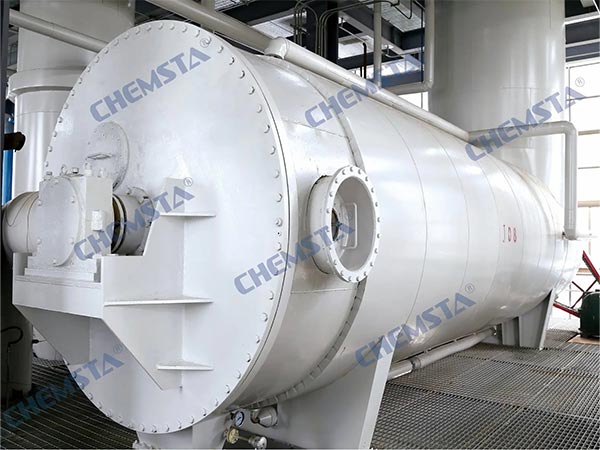
Proper conditioning and flaking preparation is critical for maximizing oil cell rupture and extraction efficiency. This stage transforms whole seeds into optimal material for extraction.
Conditioning Process
Conditioning Objectives:
- Achieve optimal moisture content for flaking
- Adjust seed temperature for plasticity
- Soften seed structure for flaking
- Prepare seeds for size reduction
- Minimize thermal damage to components
Conditioning Parameters:
- Moisture content: 10-12% optimal
- Temperature: 60-80°C typical
- Conditioning time: 20-40 minutes
- Steam injection: Controlled for moisture adjustment
- Uniformity: Critical for consistent flaking
Conditioning Equipment:
- Vertical conditioners with steam injection
- Horizontal conditioners for large capacity
- Heating systems with precise temperature control
- Moisture measurement and control systems
- Conveyor systems for material transport
Flaking Operation
Flaking Objectives:
- Rupture oil cells for extraction
- Create uniform thin flakes
- Maximize surface area for extraction
- Maintain flake integrity
- Minimize fines and dust generation
Flaking Parameters:
- Flake thickness: 0.25-0.35mm optimal
- Moisture content: 10-12% maintained
- Temperature: Controlled to prevent thermal damage
- Flake uniformity: Critical for extraction efficiency
- Fines generation: Minimize to 5-7%
Flaking Equipment:
- Double roll flakers for thin flake production
- Single roll flakers for alternative applications
- Precision gap control systems
- Flake quality monitoring systems
- Fines removal and collection systems
Stage 5: Oil Extraction
The extraction stage is the heart of the soybean crushing process, where oil is separated from the prepared flakes. Technology choice (mechanical pressing vs. solvent extraction) significantly impacts process flow and efficiency.
Mechanical Pressing Process
Pressing Operations:
- Prepared flakes fed into screw presses
- Continuous mechanical pressure application
- Oil expressed through cage bar openings
- Meal cake exits with residual oil
- Temperature management during pressing
Pressing Parameters:
- Press capacity: Based on press size and design
- Operating temperature: 80-110°C typical
- Pressure: Varies by press design and operation
- Oil expression rate: 85-90% typical
- Meal cake moisture: 12-15% typical
Pressing Equipment:
- Single screw presses for medium capacity
- Twin screw presses for higher capacity
- Pre-presses for initial extraction
- Cake breakers for meal preparation
- Oil collection and filtration systems
Solvent Extraction Process
Extraction Operations:
- Prepared flakes enter solvent extractor
- Hexane solvent flows counter-current
- Oil dissolves into solvent forming miscella
- Solvent-laden meal exits extraction zone
- Oil-rich miscella and spent meal separated
Extraction Parameters:
- Solvent-to-flake ratio: 1:1 to 1.2:1
- Extraction temperature: 50-60°C
- Extraction time: 30-60 minutes depending on system
- Oil recovery rate: 98-99% achievable
- Residual solvent in meal: < 1000 ppm target
Extraction Equipment:
- Rotary extractors for continuous operation
- Loop extractors for high efficiency
- Belt extractors for simpler design
- Miscella and meal handling systems
- Solvent recovery and recycling systems
Process Stage Comparison and Key Parameters
The following table provides comprehensive comparison of key parameters across all major processing stages:
| Process Stage | Key Objectives | Critical Parameters | Quality Impact | Energy Consumption | Typical Efficiency |
|---|---|---|---|---|---|
| Raw Material Receiving | Quality preservation, inventory management | Moisture 12-14%, oil 18-22%, temperature <25°C | Foundation for all downstream quality | Low | 99.5% material recovery |
| Cleaning & Preparation | Impurity removal, size uniformity | Foreign material <1%, dust <5%, size uniformity | Prevents equipment damage, improves extraction | Low-Moderate | 98-99% impurity removal |
| Dehulling (Optional) | Hull removal, kernel recovery | Hull removal 80-85%, kernel recovery 95-97% | Higher protein meal, better extraction | Moderate | 90-95% overall material recovery |
| Conditioning | Moisture adjustment, temperature optimization | Moisture 10-12%, temperature 60-80°C | Essential for flaking quality | Moderate | 95-98% conditioning uniformity |
| Flaking | Oil cell rupture, thin uniform flakes | Flake thickness 0.25-0.35mm, fines <7% | Critical for extraction efficiency | Moderate-High | 92-95% acceptable flakes |
| Mechanical Pressing | Oil expression, meal production | Temperature 80-110°C, pressure, capacity | Oil yield 85-90%, meal quality 5-7% residual oil | High | 85-90% oil extraction |
| Solvent Extraction | Maximum oil recovery, solvent efficiency | Solvent ratio 1:1-1.2:1, temperature 50-60°C | Oil yield 98-99%, meal quality <1% residual oil | High | 98-99% oil extraction |
| Meal Desolventization | Solvent removal, meal toasting | Residual solvent <1000ppm, toast time 40-60min | Meal quality, feed value | High | 95-98% solvent removal |
| Oil Refining | Impurity removal, food-grade quality | FFA <0.1%, phosphorus <10ppm | Final oil quality and stability | High | 95-97% yield from crude oil |
| Final Packaging | Product protection, shelf life | Filling accuracy, sealing integrity | Product preservation | Low | 99%+ packaging integrity |
Stage 6: Oil Refining (Optional)
Refining improves oil quality for food applications, removing impurities and enhancing stability. Not all operations require refining, depending on market requirements.
Refining Process Stages
Degumming:
- Removal of phospholipids and gums
- Hydration and separation processes
- Quality improvement for further processing
- Production of lecithin by-product
Neutralization:
- Free fatty acid (FFA) removal
- Alkali treatment and washing
- Soap stock separation
- Color improvement
Bleaching:
- Pigment and impurity removal
- Activated earth treatment
- Color improvement
- Stability enhancement
Deodorization:
- Flavor and odor removal
- Volatile compound elimination
- Heat treatment for stability
- Final quality adjustment
Refining Equipment:
- Degumming tanks and separators
- Neutralization reactors
- Bleaching towers and filters
- Deodorization systems with steam stripping
- Quality control and monitoring systems
Stage 7: Meal Processing
Proper meal processing ensures high-quality animal feed product and compliance with safety standards.
Meal Desolventization (for solvent extraction)
Desolventization Operations:
- Residual solvent removal from meal
- Meal toasting for anti-nutritional factors
- Moisture content adjustment
- Temperature control for quality
Desolventization Parameters:
- Residual solvent target: <1000 ppm
- Toasting temperature: 100-120°C
- Toasting time: 40-60 minutes
- Final moisture: 10-12%
- Protein digestibility: 85%+ target
Desolventization Equipment:
- Desolventizer-toaster (DT) systems
- Tray dryers for solvent removal
- Meal cooling systems
- Air classification for fines removal
- Meal storage and handling systems
Meal Quality Enhancement
Quality Parameters:
- Protein content: 44-48% typical
- Fiber content: 3-7% depending on dehulling
- Moisture: 10-12% optimal
- Urease activity: <0.05 pH increase
- Trypsin inhibitors: Properly deactivated
Quality Control:
- Protein analysis and monitoring
- Anti-nutritional factor testing
- Digestibility measurement
- Microbial testing for safety
- Consistency verification
Stage 8: Product Storage and Packaging
Final product storage and packaging ensures product quality preservation and market readiness.
Oil Storage and Handling
Storage Requirements:
- Temperature-controlled storage (20-25°C optimal)
- Nitrogen blanketing for premium oils
- Regular quality monitoring
- FIFO inventory rotation
- Contamination prevention
Storage Systems:
- Stainless steel storage tanks
- Heated tanks for viscous oils
- Nitrogen blanketing systems
- Circulation and mixing systems
- Quality monitoring ports
Meal Storage and Packaging
Storage Considerations:
- Moisture control and monitoring
- Temperature management
- Pest prevention programs
- Quality preservation
- Bulk and packaged product handling
Packaging Options:
- Bulk storage silos for industrial customers
- Bagged product for retail distribution
- Containerized bulk for export
- Specialty packaging for premium markets
- Custom packaging solutions
Process Optimization Strategies
Optimizing the complete process flow requires systematic analysis and continuous improvement.
Key Performance Indicators
Extraction Efficiency:
- Overall oil recovery rate
- Residual oil in meal
- Energy consumption per ton
- Labor productivity metrics
Quality Metrics:
- Oil quality parameters
- Meal protein content
- Product consistency
- Customer satisfaction
Operational Metrics:
- Plant uptime and reliability
- Capacity utilization rates
- Maintenance effectiveness
- Safety performance
Optimization Opportunities
Energy Efficiency:
- Heat recovery systems
- Variable frequency drives
- Process integration and optimization
- Equipment modernization
Quality Improvement:
- Advanced process control
- Enhanced monitoring systems
- Quality feedback loops
- Statistical process control
Productivity Enhancement:
- Automation investments
- Bottleneck elimination
- Throughput optimization
- Maintenance optimization

Common Process Challenges and Solutions
Understanding typical processing challenges enables proactive problem prevention and resolution.
Quality Challenges
Oil Quality Variability:
- Causes: Raw material variations, process inconsistencies
- Solutions: Process standardization, quality monitoring, parameter optimization
Meal Protein Content Variation:
- Causes: Raw material differences, dehulling efficiency
- Solutions: Raw material segregation, dehulling optimization, blending strategies
Contamination Issues:
- Causes: Equipment wear, cleaning failures, material handling issues
- Solutions: Regular maintenance, enhanced cleaning procedures, material handling improvements
Operational Challenges
Throughput Limitations:
- Causes: Equipment capacity, process bottlenecks, operational practices
- Solutions: Capacity analysis, bottleneck identification, operational optimization
Energy Consumption:
- Causes: Inefficient processes, equipment age, operating practices
- Solutions: Energy audits, equipment modernization, process optimization
Maintenance Issues:
- Causes: Equipment wear, inadequate maintenance practices, operational stress
- Solutions: Preventive maintenance programs, condition monitoring, spare parts management
Need help optimizing your soybean crushing plant process flow? Contact us for a free process assessment and improvement recommendations tailored to your specific operation and objectives.
Technology Selection Impact on Process Flow
Different extraction technologies create variations in process flow and requirements.
Mechanical Pressing Process Flow
Advantages:
- Simpler process flow with fewer stages
- Lower capital investment requirements
- Easier operation and maintenance
- Suitable for smaller scale operations
Process Considerations:
- Higher residual oil in meal
- Lower overall extraction efficiency
- Higher energy consumption per ton
- Greater product quality variability
Solvent Extraction Process Flow
Advantages:
- Higher extraction efficiency
- Superior product quality and consistency
- Lower energy consumption per ton
- Better suited for large-scale operations
Process Considerations:
- More complex process flow
- Higher capital investment
- Stricter safety and environmental requirements
- Greater technical expertise requirements
Hybrid Approach
Process Integration:
- Initial mechanical pressing (70-80% oil removal)
- Solvent extraction of pressed cake
- Combines advantages of both technologies
- Offers flexibility and optimization opportunities
Related Resources for Process Optimization
Continue your process improvement journey with these comprehensive resources:
- Soybean Oil Extraction Technology: Understanding technology options for your process
- Soybean Crushing Plant Supplier Selection: Finding partners for process optimization
- Turnkey Project Implementation: Best practices for process system deployment
These resources provide additional insights into optimizing your soybean crushing plant process flow and maximizing operational efficiency.
Get your free process optimization checklist within 24 hours. Our experts help you identify bottlenecks, improve efficiency, and enhance product quality throughout your soybean crushing operation.
Contact us today to start optimizing your process flow and maximizing your plant’s performance potential.