How to Choose the Right Soybean Crushing Plant Supplier: 2026
Choosing the right soybean crushing plant supplier is one of the most critical decisions you’ll make in your investment journey. With countless manufacturers claiming expertise and promising turnkey solutions, separating exceptional partners from ordinary vendors requires careful evaluation. A reliable supplier doesn’t just deliver equipment—they become your long-term strategic partner in operational success and business growth.
This comprehensive guide walks you through the essential criteria, evaluation methods, and red flags to watch for when selecting a soybean crushing plant supplier for your edible oil and soybean protein production project.
Table of Contents
Why Supplier Selection Makes or Breaks Your Project
The difference between successful operations and costly failures often comes down to supplier choice. Consider these real-world impacts:
Excellent Supplier Partnership:
- Plant achieves design capacity within 6 months
- Operational uptime exceeds 95%
- After-sales response within 24 hours
- Continuous technical support and upgrades
- ROI achieved on schedule or earlier
Poor Supplier Experience:
- Extended commissioning periods (6-12 months)
- Frequent equipment failures and downtime
- Inadequate technical support and training
- Quality issues affecting product consistency
- Total investment exceeds budget by 30-50%
The Bottom Line: Your initial supplier selection decision affects your project’s success for years to come. Taking time for thorough evaluation delivers exponential returns through reliable operations and minimized risks.

Essential Criteria for Evaluating Soybean Crushing Plant Suppliers
1. Industry Experience and Track Record
Years in business and specialization in soybean processing equipment provide crucial insights into supplier capabilities:
What to Look For:
- Minimum 10 years in soybean crushing equipment manufacturing
- Specialized focus on oilseed processing technology
- Experience across different capacity ranges (small to large scale)
- Understanding of regional market requirements and regulations
Verification Methods:
- Review company history and founding date
- Check industry association memberships
- Examine technical publications and patents
- Analyze market presence and brand reputation
Red Flags:
- Recent entry into soybean processing equipment
- Generic equipment manufacturers without oilseed specialization
- Inability to provide project references from similar operations
2. Project Portfolio and Technical Expertise
A strong project portfolio demonstrates proven capabilities across various applications and scales:
Key Portfolio Elements:
- Diverse Applications: Edible oil, animal feed, specialty products
- Capacity Range: Projects from 50 TPD to 1000+ TPD
- Geographic Distribution: Experience in different countries and regions
- Technology Variety: Mechanical pressing, solvent extraction, refining systems
- Turnkey Experience: Complete project delivery from design to commissioning
Technical Capability Indicators:
- In-house engineering and R&D departments
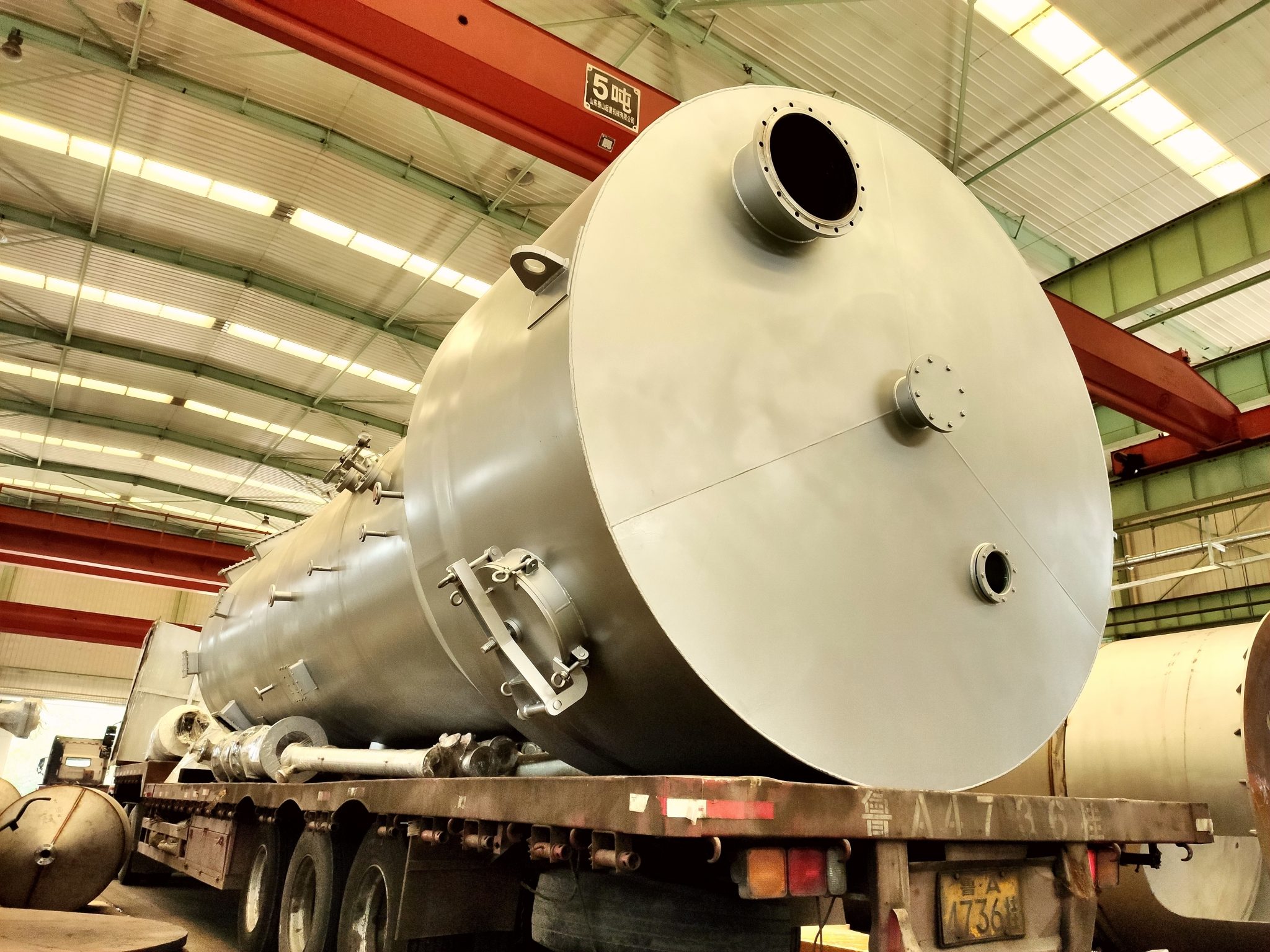
- Advanced manufacturing facilities
- Quality control systems and certifications
- Proprietary technology or innovations
Evaluation Questions:
- How many soybean crushing plants have you delivered in the past 5 years?
- What’s your largest project successfully commissioned?
- Can you provide references from operations similar to our planned capacity?
- What technological advantages does your equipment offer?
3. Manufacturing Quality and Standards
Equipment quality directly impacts operational reliability, maintenance costs, and product consistency:
Quality Assurance Systems:
- ISO 9001:2015 Quality Management System certification
- ISO 14001 Environmental Management System
- CE marking for international safety compliance
- Food-grade material certifications (3-A, FDA compliance)
Manufacturing Standards:
- Stainless steel construction (304/316 grades)
- Precision machining and assembly
- Automated welding and fabrication
- Rigorous testing procedures before shipment
Quality Control Processes:
- Raw material inspection and testing
- In-process quality checks
- Final equipment performance testing
- Documentation and traceability
Why This Matters:
Quality equipment may cost more initially but delivers substantial savings through reduced downtime, lower maintenance costs, and longer operational life.
4. After-Sales Support and Service Capabilities
Long-term operational success depends heavily on comprehensive after-sales support:
Essential Support Services:
- Technical Support: 24/7 availability, response time commitments
- Spare Parts Inventory: Local stocking, availability guarantees
- Maintenance Services: Preventive maintenance programs, emergency repairs
- Training Programs: Operator training, maintenance technician education
- Upgrade Services: Technology updates, capacity expansions
Support Infrastructure:
- Regional service centers and technicians
- Remote monitoring capabilities
- Technical documentation libraries
- Online support portals and knowledge bases
Evaluation Metrics:
- Average response time for technical inquiries
- Spare parts availability and delivery times
- Warranty terms and conditions
- Service level agreements (SLAs)
5. Project Management and Turnkey Capabilities
For comprehensive turnkey projects, supplier project management expertise is crucial:
Turnkey Project Components:
- Feasibility studies and site analysis
- Process design and engineering
- Equipment manufacturing and procurement
- Civil engineering coordination
- Installation and commissioning
- Operator training and handover
Project Management Excellence:
- Dedicated project managers
- Detailed project schedules and milestones
- Regular progress reporting
- Risk management procedures
- Budget control mechanisms
Success Indicators:
- On-time delivery track record
- Budget adherence history
- Client testimonials on project execution
- Post-project support relationships

Red Flags to Avoid When Selecting Suppliers
Recognizing warning signs early prevents costly mistakes and project failures:
Major Red Flags:
Unrealistic Promises:
- Claims of extremely low costs without specification details
- Guarantees of unrealistic extraction yields
- Overly short delivery timelines
- Vague technical specifications
Lack of Transparency:
- Refusal to provide detailed equipment specifications
- Limited or no project references
- Unwillingness to discuss potential challenges
- Incomplete or missing documentation
Weak Technical Support:
- No clear after-sales support structure
- Limited spare parts availability
- No training programs offered
- Lack of technical documentation
Questionable Business Practices:
- Pressure tactics or aggressive sales approaches
- Unclear contract terms and conditions
- No warranty or limited warranty coverage
- Poor communication during evaluation process
Quality Concerns:
- Missing quality certifications
- Use of inferior materials
- Lack of quality control processes
- Negative market reputation or feedback
Proceed with Caution if you encounter any of these warning signs during your supplier evaluation process.
How to Conduct Thorough Supplier Evaluation
A systematic evaluation process ensures you select the best supplier for your specific needs:
Phase 1: Initial Screening
- Research potential suppliers online and through industry associations
- Request general capability information
- Eliminate vendors that don’t meet basic criteria
- Create shortlist of 3-5 qualified suppliers
Phase 2: Detailed Evaluation
- Request comprehensive proposals from shortlisted suppliers
- Conduct technical presentations and Q&A sessions
- Visit manufacturing facilities (if feasible)
- Contact provided references
Phase 3: Due Diligence
- Verify company background and financial stability
- Check certifications and compliance records
- Review legal contracts and agreements
- Assess overall risk factors
Phase 4: Final Selection
- Compare proposals using weighted scoring
- Negotiate terms and conditions
- Make final decision with stakeholder buy-in
- Begin partnership with clear expectations
Ready to find the perfect soybean crushing plant supplier for your project? Contact us for a comprehensive evaluation checklist and personalized supplier recommendation based on your specific requirements.
Key Questions to Ask Potential Suppliers
During your evaluation process, ask these critical questions to assess supplier suitability:
Technical Capabilities:
- What makes your soybean crushing technology unique?
- How do your extraction rates compare to industry standards?
- What automation features do your systems include?
- Can your equipment handle variations in raw material quality?
Project Experience:
- How many soybean crushing plants have you commissioned?
- Can you provide references from operations similar to our scale?
- What’s your track record for meeting delivery timelines?
- How do you handle project delays or unexpected challenges?
Support and Service:
- What’s your technical support availability and response time?
- Where are your nearest service centers?
- What spare parts do you stock locally?
- What training programs do you provide for our operators?
Quality and Reliability:
- What quality certifications do you hold?
- What’s your equipment warranty coverage?
- How do you ensure consistent equipment quality?
- What’s your equipment’s expected operational lifespan?
Financial and Contractual:
- What payment terms do you offer?
- What’s included in your standard warranty?
- How do you handle warranty claims?
- What post-warranty support options are available?
Case Study: Supplier Selection Success Story
Project Background:
- Investor: Agricultural holding company in Southeast Asia
- Project: 300 TPD soybean crushing plant
- Challenge: Selecting supplier from 8 international vendors
Evaluation Process:
- Initial screening reduced vendors to 4 candidates
- Detailed proposals and technical presentations conducted
- Manufacturing facility visits arranged for top 2 candidates
- Reference calls with existing clients completed
Selection Criteria:
- Technical capability (30% weight)
- Project experience (25% weight)
- After-sales support (20% weight)
- Total cost of ownership (15% weight)
- Company stability (10% weight)
Winning Supplier Chosen Because:
- Proven track record with 15+ similar projects
- Advanced technology with proven extraction rates
- Strong regional presence with local service center
- Comprehensive training and support programs
- Competitive total cost of ownership
Results:
- Commissioning completed in 9 months (within timeline)
- Achieved 98% of design capacity within 4 months
- Operational uptime of 96% in first year
- Spare parts response time under 48 hours
- ROI achieved 6 months ahead of schedule
Client Quote:
“Taking time to thoroughly evaluate suppliers was the best decision we made. The right supplier partnership has made all the difference in our operational success.”
Share your project requirements and we’ll help you evaluate suppliers objectively. Our engineers provide unbiased assessment of technical proposals and help you identify the best match for your soybean crushing plant investment.

Regional Considerations in Supplier Selection
Different regions present unique challenges and opportunities in supplier selection:
Asia-Pacific Market:
- Strong manufacturing base with cost advantages
- Growing technical expertise and innovation
- Consider logistics and customs for equipment delivery
- Evaluate cultural fit and communication styles
European Suppliers:
- High technical standards and quality focus
- Stringent environmental and safety regulations
- Higher equipment costs but often superior quality
- Excellent after-sales support networks
North American Manufacturers:
- Advanced technology and automation
- Strong project management capabilities
- Premium pricing with comprehensive support
- Familiar with international standards
Emerging Market Options:
- Cost-competitive solutions
- Improving quality standards
- Consider technical support limitations
- Assess long-term viability and stability
Related Resources for Supplier Selection
Continue your supplier evaluation journey with these comprehensive resources:
- Soybean Crushing Plant Cost Guide: Understanding investment ranges and factors affecting project costs
- Soybean Oil Extraction Technology: Detailed comparison of processing methods and equipment options
- Turnkey Project Best Practices: Learn what makes turnkey projects successful and how to manage them effectively
These resources provide additional insights into making informed decisions about your soybean crushing plant investment and supplier partnership.
Get a free supplier evaluation framework within 24 hours. Our experts help you assess potential suppliers systematically and identify the best partner for your specific requirements, capacity, and budget. Don’t risk your investment with the wrong supplier choice.
Contact us today to receive your personalized supplier selection guide and start your evaluation process with confidence.