Edible Oil Refinery Plant: Process, Equipment, Cost, and Turnkey Solutions Guide
Table of Contents
Introduction
In the edible oil industry, refining is the most critical stage that determines final product quality and market value. Regardless of the oilseed used—soybean, sunflower, rapeseed, or palm—the crude oil must undergo refining to meet food-grade standards.
An edible oil refinery plant is designed to remove impurities, improve oil stability, and enhance color, taste, and shelf life. For investors, building a modern oil refinery plant is essential for producing high-quality edible oil that meets both local and international standards.
With increasing global demand for refined edible oils, refinery plants have become a key investment focus in the vegetable oil processing industry.

What Is an Edible Oil Refinery Plant and Why Is It Important?
An edible oil refinery plant is an industrial system that processes crude oil into refined edible oil by removing unwanted components such as phospholipids, free fatty acids, pigments, and odor compounds.
Crude oil extracted from oilseeds cannot be consumed directly. It contains impurities that affect taste, stability, and safety.
Refining transforms crude oil into a clear, odorless, and stable product suitable for cooking and food processing. Without refining, oil cannot meet market standards or regulatory requirements.
What Are the Main Processes in an Edible Oil Refining Plant?
The edible oil refining process consists of several key stages designed to improve oil quality step by step.
Degumming is the first stage, where phospholipids and gums are removed from crude oil. This improves oil clarity and stability.
Neutralization follows, removing free fatty acids that can cause rancidity. This step is essential for extending shelf life.
Bleaching removes pigments and trace impurities, improving the oil’s color.
Deodorization is the final stage, where unwanted odors and volatile compounds are removed under high temperature and vacuum conditions.
These processes ensure that the final oil meets food-grade quality standards.
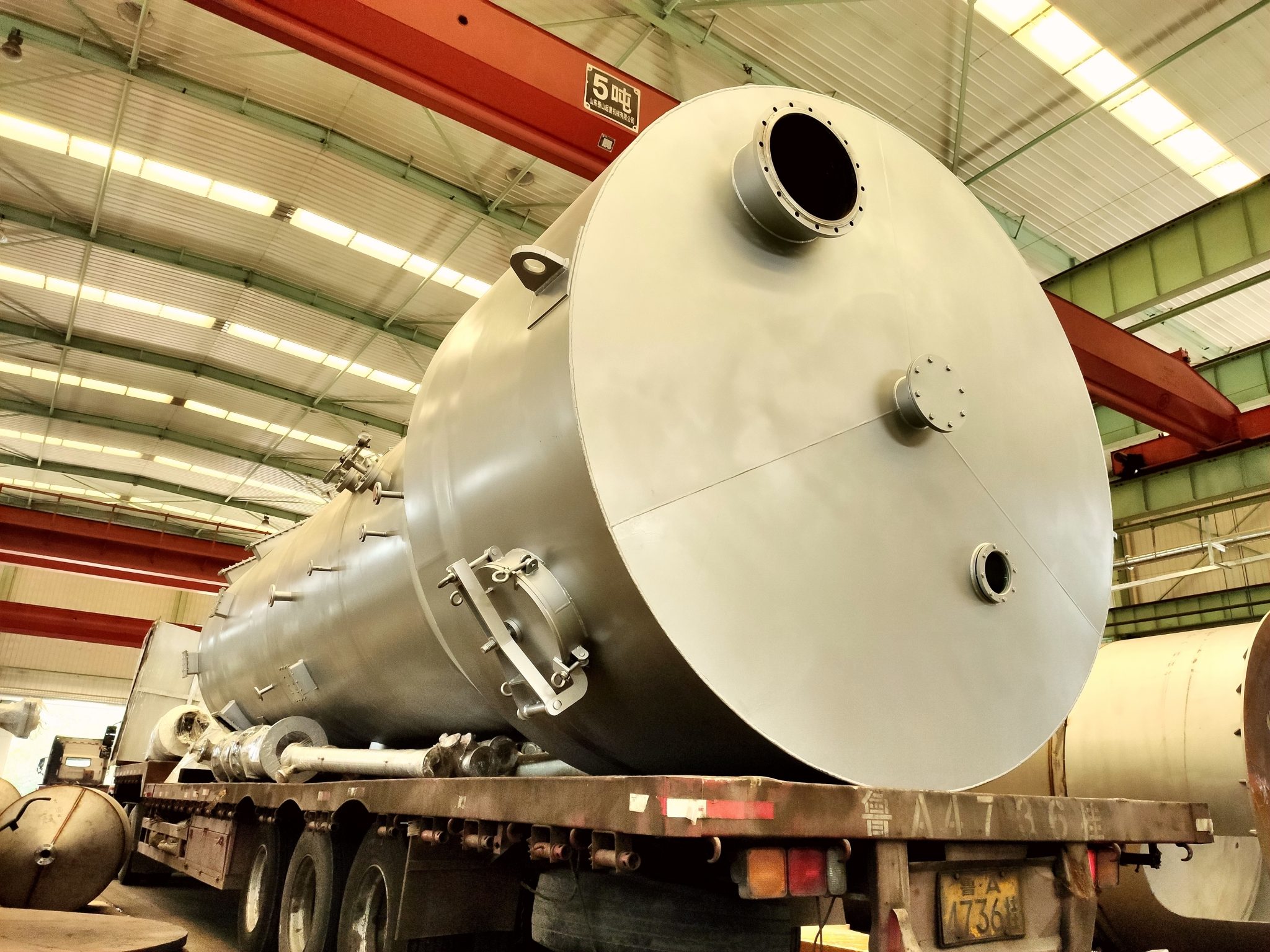
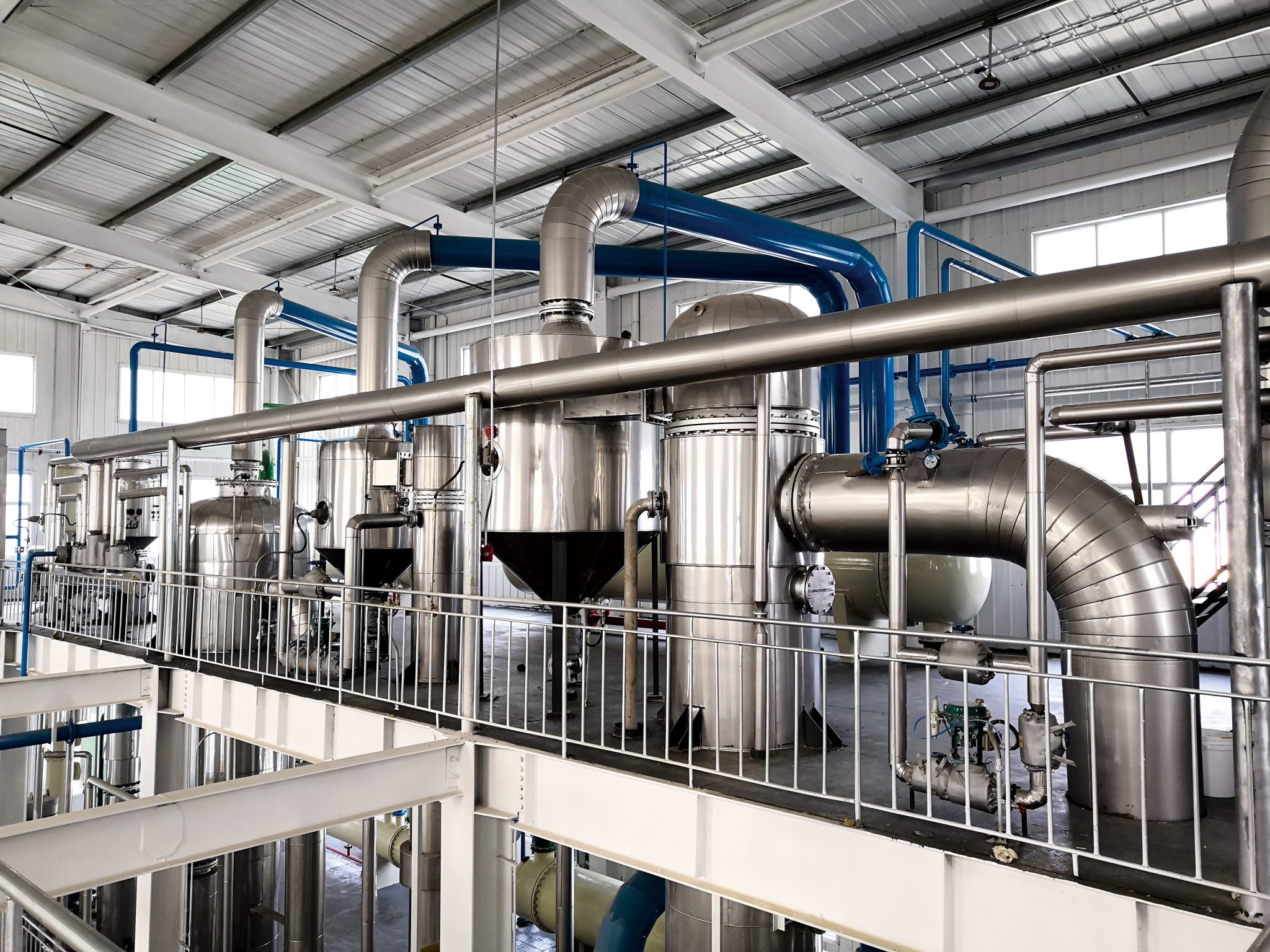
What Equipment Is Required for an Edible Oil Refinery Plant?
A complete edible oil refinery plant includes a series of specialized equipment units.
| Refining Stage | Equipment | Function |
|---|---|---|
| Degumming | Degumming tank | Remove phospholipids |
| Neutralization | Neutralizer | Remove free fatty acids |
| Bleaching | Bleaching earth tank | Improve oil color |
| Deodorization | Deodorizer tower | Remove odor |
| Filtration | Filter system | Remove impurities |
The selection of high-quality refining equipment ensures stable operation and consistent oil quality.
What Types of Edible Oil Refining Methods Are Available?
There are two main refining methods used in edible oil refinery plants.
| Method | Characteristics | Application |
|---|---|---|
| Chemical refining | Uses chemicals to remove impurities | Most common |
| Physical refining | Uses steam distillation | Suitable for specific oils |
Chemical refining is widely used for most vegetable oils due to its flexibility and effectiveness.
Physical refining is often used for oils with low phospholipid content, such as palm oil.
Choosing the right refining method depends on raw material characteristics and product requirements.
What Capacity Options Are Available for Edible Oil Refinery Plants?
Edible oil refinery plants are available in different capacities to suit various investment scales.
| Plant Size | Capacity | Application |
|---|---|---|
| Small | 10–50 TPD | Local production |
| Medium | 50–200 TPD | Regional supply |
| Large | 200–1000+ TPD | Industrial/export |
The choice of capacity depends on crude oil supply, market demand, and investment budget.

How Much Does an Edible Oil Refinery Plant Cost?
The cost of an edible oil refinery plant varies depending on several factors.
Key cost drivers include capacity, automation level, equipment quality, and engineering complexity.
| Cost Component | Percentage |
|---|---|
| Equipment | 50–60% |
| Installation | 10–15% |
| Construction | 15–25% |
| Utilities | 10–15% |
Investing in high-efficiency equipment can reduce long-term operating costs and improve profitability.
How Does Refining Technology Affect Oil Quality?
Refining technology directly impacts the final quality of edible oil.
Advanced refining systems ensure precise control of temperature, pressure, and processing time. This prevents excessive oil loss and preserves nutritional components.
Efficient deodorization systems improve taste and remove unwanted odors without damaging oil quality.
Modern refining plants also reduce chemical consumption and minimize environmental impact.
How to Design a High-Efficiency Edible Oil Refinery Plant?
Designing an efficient refinery plant requires a comprehensive engineering approach.
Key considerations include process flow optimization, equipment layout, energy efficiency, and automation.
Heat recovery systems can significantly reduce energy consumption. Automated control systems improve stability and reduce human error.
A well-designed plant ensures smooth operation, minimal downtime, and consistent product quality.
What Are the Advantages of Turnkey Edible Oil Refinery Solutions?
Turnkey solutions provide a complete package from design to commissioning.
Advantages include faster project implementation, reduced coordination complexity, and guaranteed system compatibility.
A professional turnkey supplier can optimize the entire refinery system, ensuring high efficiency and long-term reliability.
This approach is ideal for investors who want a hassle-free project execution.

How Can You Maximize ROI in an Edible Oil Refinery Plant?
Maximizing return on investment requires optimizing both operational efficiency and cost management.
Using advanced refining technology reduces oil loss and improves product yield. Automation reduces labor costs and improves consistency.
Energy-efficient systems lower utility expenses. Proper maintenance ensures long-term equipment performance.
These factors collectively improve profitability and shorten payback periods.
Conclusion
An edible oil refinery plant is a critical component of the vegetable oil processing industry. With increasing demand for high-quality edible oils, investing in a modern refinery plant offers strong business opportunities.
By selecting the right refining technology, optimizing plant design, and ensuring efficient operation, investors can achieve high product quality and strong financial returns.
FAQ
What is an edible oil refinery plant?
It is a system used to refine crude oil into edible oil by removing impurities.
What is the difference between chemical and physical refining?
Chemical refining uses chemicals, while physical refining uses steam distillation.
What capacity should I choose?
It depends on crude oil supply and market demand.
How long does it take to install a refinery plant?
Typically 4 to 10 months depending on plant size.
Can one refinery process different oils?
Yes, most refinery plants can handle multiple types of vegetable oils.