How to Start an Edible Oil Production Plant in India
India is one of the fastest-growing edible oil markets globally, supported by strong population growth, changing consumption patterns, and increasing demand for processed food products. For investors and agribusiness companies, establishing an edible oil production plant in India represents a strategic opportunity to enter a high-demand and evolving industry.
However, building a successful plant requires more than basic planning. It involves market understanding, process selection, regulatory compliance, and efficient execution. This guide outlines the essential steps and considerations for starting your project.
Table of Contents
Overview of the Edible Oil Market in India
Growing Demand for Edible Oils
India’s edible oil consumption continues to rise due to urbanization and dietary shifts. Consumers are increasingly choosing packaged and refined oils, which drives demand for modern processing facilities.
Major Types of Edible Oils
Different regions in India prefer different oil types:
- Mustard oil in northern regions
- Soybean oil in central India
- Sunflower oil in southern markets
- Palm oil in food processing industries
Understanding regional demand helps define your production strategy.
Market Trends and Industry Direction
The market is shifting toward higher-quality, refined, and branded products. Producers with advanced processing capabilities and strong quality control systems are better positioned to succeed.

Edible Oil Production Plant in India: Selecting the Right Production Model
Mechanical Pressing Plants
Mechanical pressing is suitable for small to medium-scale operations. It is commonly used for seeds such as mustard, peanut, and sunflower. This method is relatively simple and allows flexible production.
Solvent Extraction Plants
Solvent extraction is widely used in large-scale production, especially for soybean processing. It offers higher oil recovery efficiency and is often integrated into industrial production systems.
Oil Refining Plants
Refining is essential for producing food-grade edible oil. This process removes impurities and improves color, taste, and shelf stability, making the oil suitable for consumer markets.
Integrated Production Lines
Many investors choose a complete production line that combines extraction and refining. This approach maximizes efficiency and allows better control over product quality.
Edible Oil Production Plant in India: Choosing the Best Location for Your Plant
Proximity to Raw Materials
Locating your plant near oilseed-producing regions reduces transportation costs and ensures a stable supply of raw materials.
Infrastructure and Utilities
Reliable access to electricity, water, and steam is critical for continuous operation. Transportation infrastructure also plays a key role in logistics efficiency.
Industrial and Environmental Compliance
The selected site must comply with local industrial zoning and environmental regulations. Proper site selection helps avoid delays and operational risks.
Understanding the Production Process
Oilseed Pretreatment
Pretreatment prepares raw materials for extraction and includes:
- Cleaning to remove impurities
- Dehulling to separate outer shells
- Crushing and flaking
- Conditioning with heat and moisture
This stage has a direct impact on oil yield and processing efficiency.
Oil Extraction Methods
Oil extraction is the core stage of the process:
- Mechanical pressing uses physical force
- Solvent extraction uses chemical solvents for higher efficiency
The method chosen depends on production capacity and raw material characteristics.
Oil Refining Process
Refining transforms crude oil into edible oil through several steps:
- Degumming to remove phospholipids
- Neutralization to reduce free fatty acids
- Bleaching to improve color
- Deodorization to remove odor compounds
This stage ensures the oil meets food safety standards.
Filling and Packaging Systems
Packaging is the final step and includes:
- Storage tanks
- Automatic filling machines
- Labeling systems
Efficient packaging improves product consistency and market readiness.
Regulatory Requirements in India
Food Safety Compliance
Producers must meet national food safety standards to ensure their products are suitable for consumption. Certification is essential for market entry.
Environmental Regulations
Oil processing plants must comply with environmental guidelines related to emissions, waste management, and resource usage.
Business and Operational Licensing
Legal registration, factory licensing, and adherence to labor laws are required to operate smoothly and avoid compliance risks.
Importance of Equipment and Technology
Equipment Quality and Performance
High-quality equipment ensures stable operation, reduces maintenance issues, and improves product consistency.
Automation and Process Control
Modern plants use automated systems to monitor and control production parameters in real time. This enhances efficiency and reduces human error.
Customization for Local Conditions
Each project should be tailored to local raw materials, climate conditions, and production goals. Customized solutions improve long-term performance.
Advantages of Turnkey Project Solutions
Simplified Project Management
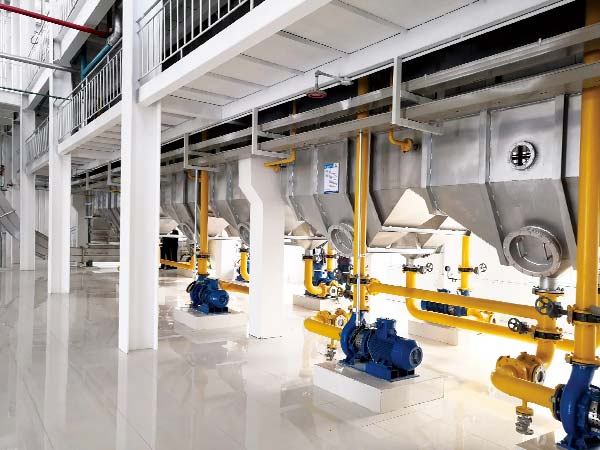
A turnkey solution provider handles design, equipment supply, installation, and commissioning, reducing complexity for the investor.
Faster Implementation
Integrated project execution shortens timelines and ensures smooth coordination between different stages.
System Compatibility and Stability
All equipment and processes are designed to work together, improving overall reliability.
Ongoing Technical Support
Turnkey providers offer training and after-sales support, helping maintain efficient plant operation over time.
Challenges in the Indian Edible Oil Industry
Raw Material Supply Fluctuations
Seasonal variations and agricultural factors can impact the availability of oilseeds.
Competitive Market Environment
Established brands and processors create strong competition, especially in refined oil segments.
Changing Consumer Preferences
Increasing demand for healthier and higher-quality oils requires continuous adaptation and innovation.
Opportunities for Growth and Expansion
Rising Demand for Refined Oils
The shift toward packaged and branded oils creates opportunities for modern processing plants.
Technological Upgrades
Advanced processing technologies improve efficiency and reduce operational costs over time.
Expansion into Value-Added Products
Producers can diversify into specialty oils or by-products to enhance profitability and market reach.
Conclusion
Setting up an edible oil production plant in India requires a comprehensive approach that combines market insight, technical expertise, and strategic planning. By carefully selecting the right production model, location, and technology, investors can build efficient and competitive operations.
Chemsta specializes in providing complete edible oil production line solutions for global clients. With strong experience in turnkey projects, Chemsta supports every stage of plant development, helping customers achieve reliable, high-performance production systems tailored to their specific needs.
If you are planning to enter the edible oil industry in India, working with an experienced partner can significantly improve your project outcomes and long-term success.