Continuous Solvent Extraction System Design for Large-Scale Oil Plants
Core Summary
- Key engineering principles for designing high-capacity continuous solvent extraction systems
- How system layout, equipment selection, and automation impact oil yield and operating cost
- Strategies for optimizing solvent recovery, energy consumption, and safety
- Why integrated design improves reliability, flexibility, and long-term return on investment
Table of Contents
Introduction
Designing a continuous solvent extraction system for large-scale edible oil plants is a complex engineering task. It goes far beyond simply scaling up equipment; it requires careful consideration of process integration, raw material handling, solvent recovery, energy efficiency, automation, and maintenance planning.
Large-capacity plants face unique operational challenges: handling high volumes of raw materials, ensuring uniform solvent contact, minimizing residual oil in meals, controlling energy consumption, and maintaining safe and stable operation over extended periods. A well-designed system addresses all these factors, delivering consistent oil yield, reduced operating cost, and long-term reliability.
This article explores the key considerations and engineering decisions involved in designing a high-capacity continuous solvent extraction system, with practical insights into layout, equipment selection, automation, energy management, and safety.

How Does Plant Layout Affect Extraction Efficiency and Operational Stability?
Plant layout is a critical determinant of both extraction efficiency and operational stability. In large-scale plants, material handling must be continuous, smooth, and well-coordinated.
The feeding system must deliver pre-pressed cakes or flakes at a consistent rate to the extractors, as variability in feed can create uneven solvent contact and reduce yield. Correct placement of Rotocel extractors ensures uniform residence time and maximum solvent penetration. Proper flow paths reduce congestion and allow for maintenance access, enhancing uptime and safety.
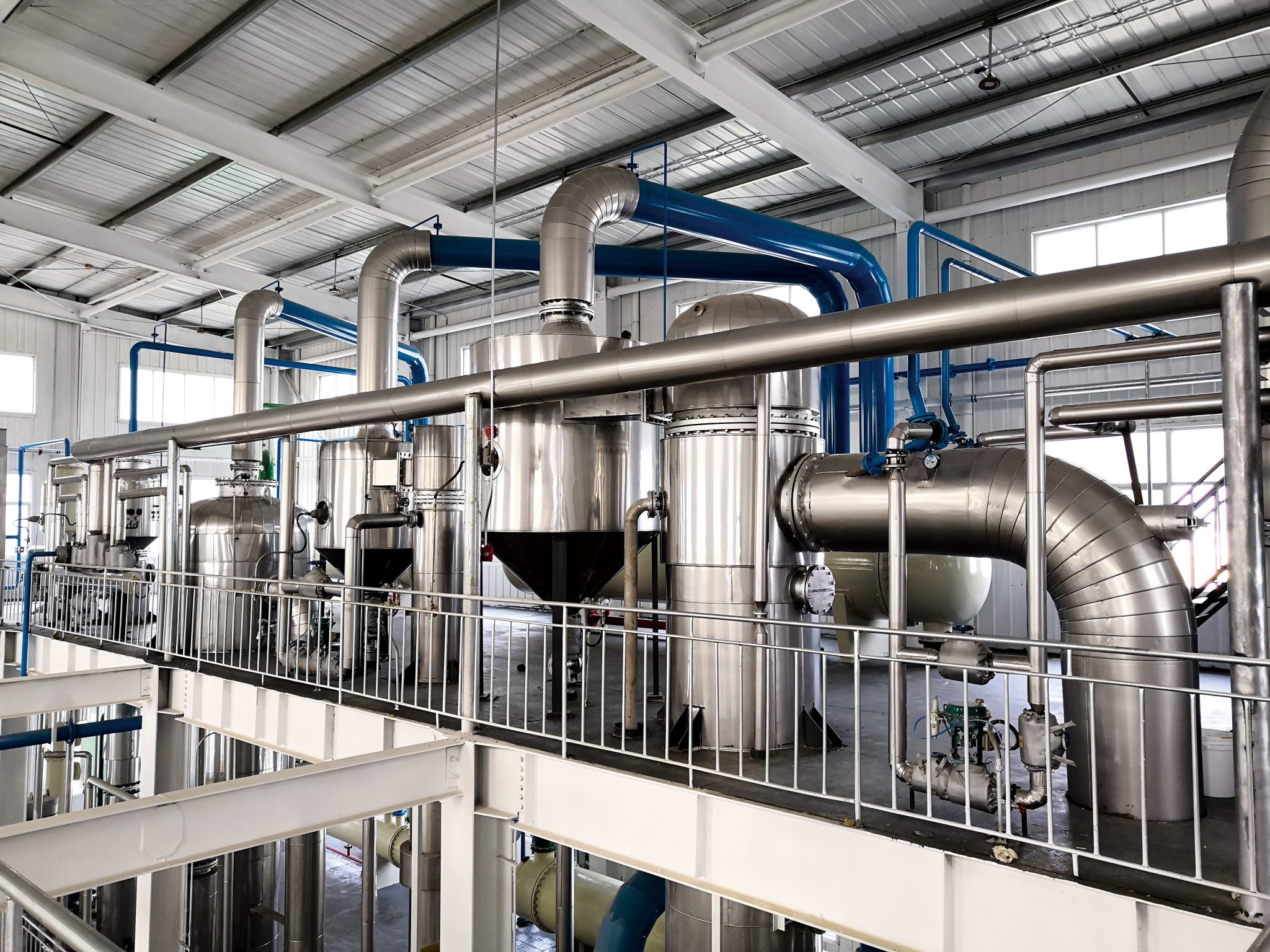
A well-planned layout not only improves yield but also minimizes bottlenecks and operational interruptions, which are particularly critical at high production volumes. A 3D plant layout showing feed hoppers, conveyors, extractors, desolventizers, and solvent recovery loops is highly recommended for design visualization.
What Are the Key Equipment Components in a Continuous Solvent Extraction System?
A high-performance continuous solvent extraction system consists of several core components, each engineered to handle industrial throughput. Feed hoppers and conveyors deliver pre-pressed seed cakes or flakes consistently to the extractors, and proper capacity sizing avoids bottlenecks. Rotocel extractors ensure thorough solvent contact and efficient oil dissolution, and modern designs allow processing of multiple seed types with minimal adjustments.
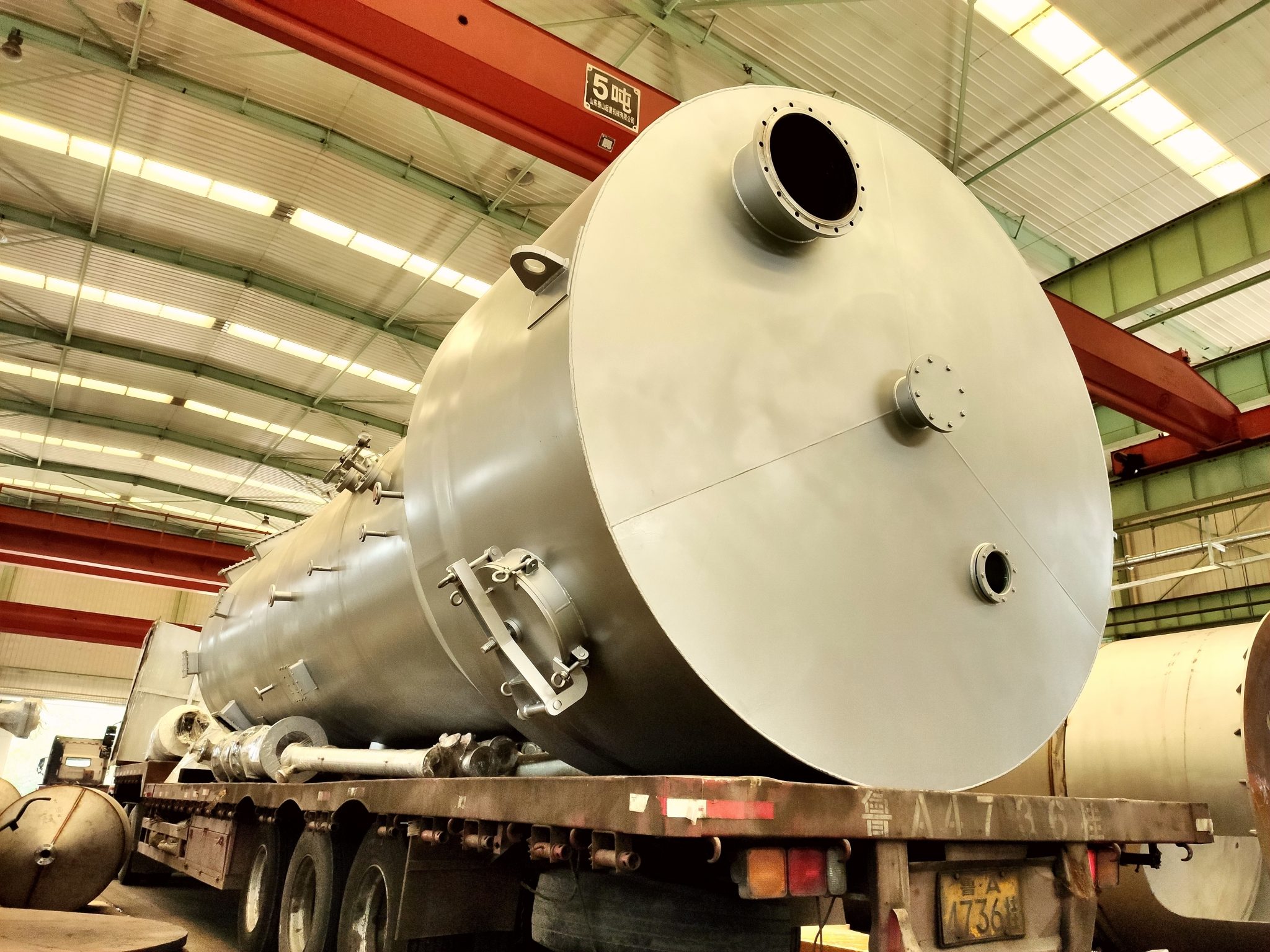
Desolventizer-toaster units remove residual solvent from the meal while preventing overcooking, maintaining oil quality. Solvent recovery systems, including multi-stage condensation and recycle loops, minimize solvent loss and reduce environmental impact. Pumps, heat exchangers, and control systems maintain stable process parameters, manage temperatures and pressures, and ensure energy-efficient operation.
Each component must be matched to plant capacity and oilseed characteristics. Incorrect sizing or integration can significantly reduce yield and increase operating costs. A process flow diagram with labeled extraction, desolventizing, and solvent recovery systems is recommended for clarity.
How Does Raw Material Variability Influence System Design?
Different oilseeds have distinct characteristics that affect extraction. High oil-content seeds like peanuts or sunflower seeds may require slightly different residence times than soybeans. Seeds with excess moisture may affect solvent absorption and increase energy demand. Harder seeds require precise flaking and pretreatment to ensure efficient solvent penetration.
Modern continuous extraction systems are designed to handle a wide range of raw materials. Sections such as the extractor and desolventizer can be adjusted for specific seed characteristics, allowing flexibility for multi-seed operations without compromising efficiency.
How Can Automation Maximize Yield and Reduce Operating Costs?
Automation is essential for large-scale continuous extraction. Centralized control systems monitor feed rates, material distribution, extractor rotation speed, residence time, solvent temperature, flow, and recovery, as well as steam and heat supply for desolventization.
Automated adjustments maintain optimal extraction conditions, reduce human error, and improve overall process stability. In long-term operation, automation lowers labor costs and ensures consistent oil quality, especially in high-capacity plants where manual control is impractical.
How Does Solvent Recovery Impact Operational Efficiency?
Solvent recovery is critical for both cost and environmental compliance. Large-scale systems incorporate multi-stage evaporation to remove solvent from the meal efficiently, condensation and recycling loops to capture solvent vapors for reuse, and flow optimization to maintain proper solvent-to-material ratios.
Efficient solvent recovery reduces hexane consumption, lowers operating costs, and prevents emissions, which is increasingly important for compliance with environmental regulations. A bar chart comparing solvent recovery efficiency in conventional vs optimized systems is helpful for visualizing performance improvements.
How Can Energy Integration Reduce Operating Cost?
Energy efficiency in large-scale plants is achieved through heat recovery from desolventizer and evaporators, efficient steam generation and distribution, optimized pump and fan usage, and process sequencing to minimize unnecessary heating or cooling.
Energy optimization directly lowers the cost per ton of oil produced, making continuous extraction systems more economically competitive than mechanical pressing alone at scale.
How Does Integrated System Design Improve Reliability and Safety?
Large-scale continuous extraction systems involve flammable solvents and high-temperature equipment. Integrated design addresses these risks by ensuring proper ventilation and solvent vapor containment, using explosion-proof equipment where necessary, reducing mechanical wear, and simplifying access to critical components for inspection and service.
By designing the plant as a single integrated system rather than a collection of standalone machines, operational reliability improves, and unplanned downtime is minimized.
How Do Large-Scale Plants Benefit from Flexible, Multi-Seed Processing?
Modern extraction systems allow processing of multiple oilseeds in the same plant. Engineering considerations include adjusting extractor speed and residence time, fine-tuning flaking and pretreatment for each seed type, and controlling moisture and temperature parameters per batch.
This flexibility allows plants to respond to seasonal raw material changes or market demand shifts without significant downtime.

Long-Term Economic Advantages of Properly Designed Continuous Extraction
Properly engineered continuous solvent extraction systems provide higher oil yield with lower residual oil in meals, optimized operating costs through energy and solvent efficiency, scalability to accommodate increasing capacity, and sustainable operation with integrated safety systems.
A comparison chart of operating cost per ton of oil for mechanical pressing vs continuous extraction at various plant capacities highlights the economic advantage at scale.
Conclusion
Designing a large-scale continuous solvent extraction system requires a holistic engineering approach. From raw material handling to solvent recovery and energy optimization, every detail impacts yield, operating cost, and plant reliability.
Plants that adopt well-engineered continuous extraction solutions gain superior oil recovery, stable production, flexible raw material handling, and reduced operational risk—ensuring long-term economic performance and competitive advantage.
FAQ
What is continuous solvent extraction?
A method that continuously dissolves oil from pre-pressed seed cakes or flakes, followed by solvent recovery.
Why is continuous extraction preferred for large-scale oil plants?
It provides higher oil yield, consistent production, and reduced cost per ton at industrial scale.
Can the system process multiple seed types?
Yes. Modern designs accommodate peanuts, soybeans, sunflower seeds, rapeseed, and cottonseed.
How does automation affect large-scale extraction?
It stabilizes process parameters, reduces labor, and improves long-term reliability.
Why is solvent recovery so critical?
Efficient recovery reduces operational costs, prevents solvent loss, and ensures compliance with environmental regulations.