Common Mistakes to Avoid When Designing an Edible Oil Extraction Plant
Designing an edible oil extraction plant is a complex process that requires careful planning and execution. With the right strategy, your plant can operate efficiently, yielding high-quality oil while maintaining cost-effectiveness. However, certain mistakes during the design phase can lead to operational inefficiencies, quality issues, and increased costs.
In this blog, we will discuss the common mistakes to avoid when setting up your edible oil extraction plant and how to design a facility that meets both operational goals and industry standards.
Table of Contents
Introduction
The design phase of an edible oil extraction plant sets the foundation for everything that follows. Whether you are extracting oils from soybeans, peanuts, sunflower seeds, or other oilseeds, poor design decisions can result in operational inefficiencies, higher costs, and lower-quality products. By focusing on key aspects such as equipment selection, workflow optimization, energy efficiency, and safety, you can avoid common mistakes that many plant operators make.
Ignoring Future Expansion Needs
When designing an edible oil extraction plant, one of the most common mistakes is not accounting for future expansion. As market demand grows or new product lines are introduced, you may find yourself needing additional capacity. Without pre-planning for expansion, you could face challenges when trying to scale up operations.
Solution:
Plan for scalability by ensuring that there is enough space for future equipment and utilities. Additionally, make provisions for higher-capacity machinery, extra storage, and expanded refining capacity.
Poor Equipment Layout and Workflow
Another mistake is designing the plant with inefficient workflows or poorly placed equipment. A poorly designed layout can lead to delays in the extraction process, higher operational costs, and increased risk of contamination. For example, improperly spaced equipment can lead to inefficient material handling, where raw materials, semi-processed products, and waste are unnecessarily moved through the plant.
Solution:
Carefully plan the layout to ensure a smooth flow of materials, from raw material reception and cleaning through to extraction, refining, and final packaging. Efficient material handling systems, like conveyors, and clear pathways for workers and machinery will prevent bottlenecks and reduce downtime.
Underestimating the Importance of Proper Preprocessing
Preprocessing is a crucial step that significantly impacts the efficiency and yield of oil extraction. Ignoring the proper preparation of raw materials, such as cleaning, cracking, and conditioning, can result in lower extraction rates and oil quality.
Solution:
Invest in high-quality preprocessing equipment such as cleaners, destoners, and conditioners. Ensure that the equipment is capable of handling varying raw material conditions, like moisture content and size consistency. Proper conditioning also improves the performance of the press or extractor, resulting in higher yields and better oil quality.
Neglecting Proper Solvent Recovery Systems
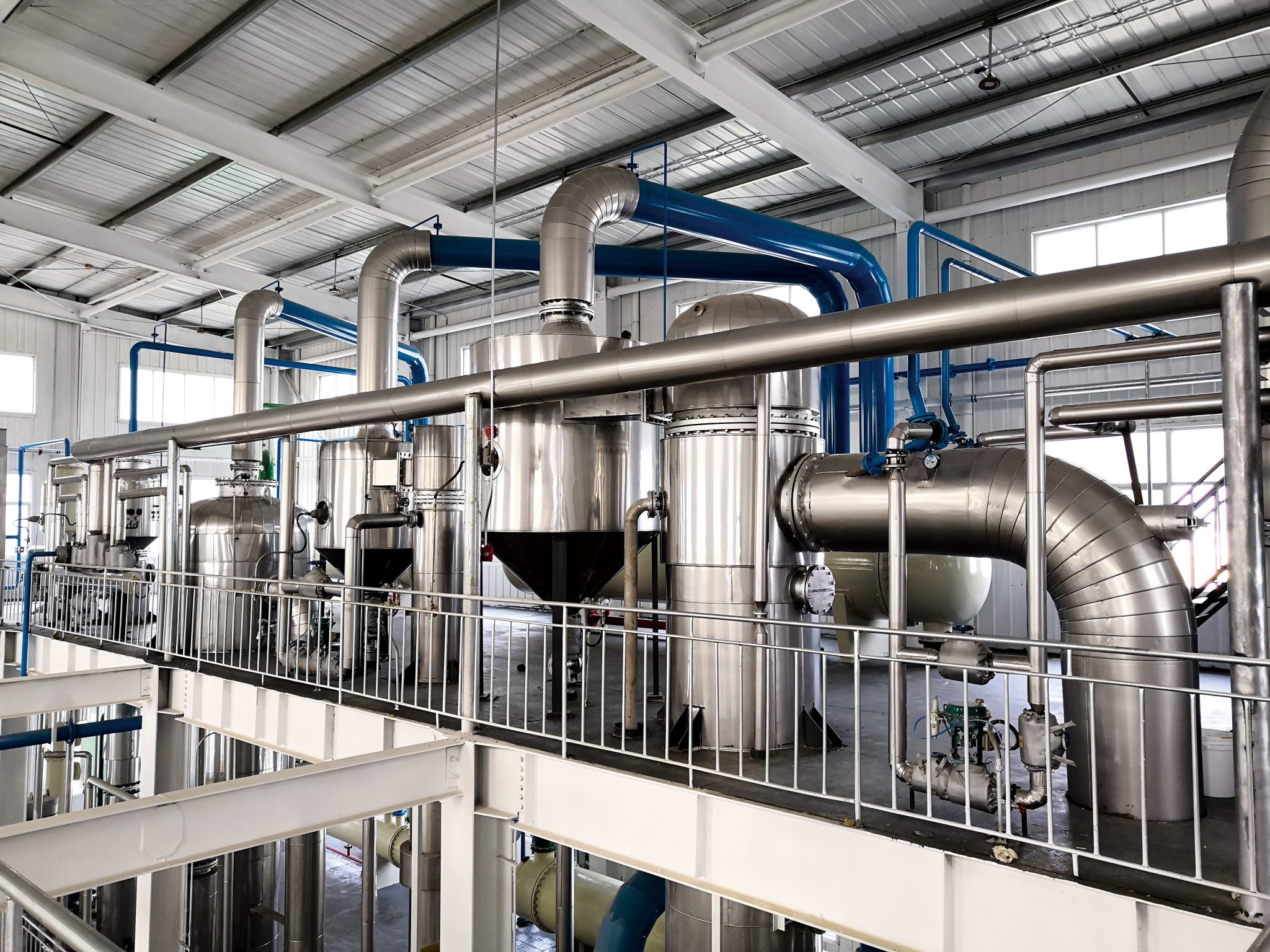
In solvent extraction plants, the solvent recovery system is critical for both safety and efficiency. A common mistake is not giving enough attention to the design of solvent recovery systems, which can lead to solvent losses, increased costs, and safety hazards.
Solution:
Implement an efficient solvent recovery system, such as multi-effect evaporators, and ensure that there are redundant systems in place to prevent solvent leakage. Regular maintenance of these systems is essential to keep them running at peak efficiency, reducing solvent loss and ensuring safety compliance.
Inadequate Waste Management and Effluent Treatment
Waste management and effluent treatment are often overlooked during plant design. Improper handling of waste such as spent bleaching earth, spent solvents, and wastewater can lead to environmental damage and regulatory fines.
Solution:
Design the plant with an integrated waste treatment system that includes the proper treatment of wastewater and the safe disposal of solid waste. Consider technologies that enable the recycling of oil and water, minimizing waste and lowering operational costs.
Overlooking Energy Efficiency
Energy costs can make up a significant portion of the operating costs of an edible oil extraction plant. Without considering energy-efficient equipment and layout, energy consumption can spiral out of control, leading to higher operational expenses.
Solution:
Incorporate energy-saving technologies such as variable frequency drives (VFDs) for motors, heat recovery systems, and efficient steam boilers. By integrating heat exchangers into the process, you can reuse heat energy from one process step to support other stages, minimizing energy consumption.
Inadequate Quality Control Systems

Quality control should be an integral part of your plant’s design, but many companies overlook this when setting up their systems. Without proper monitoring and testing systems, ensuring that your final product meets the required standards becomes difficult, resulting in product recalls or rework.
Solution:
Integrate automated quality control systems that monitor key parameters such as FFA (free fatty acids), color, odor, and peroxide value at each stage of the process. Regular quality checks will ensure that the end product meets regulatory and consumer standards.
Failing to Consider Environmental Regulations
Failure to design for compliance with local environmental regulations can lead to fines, shutdowns, or damage to your plant’s reputation. Many operators fail to account for emissions, waste disposal, and water treatment in their initial designs.
Solution:
Design your plant with environmental compliance in mind. Implement systems for solvent recovery, waste treatment, and emission control, and ensure that all necessary environmental permits and safety standards are adhered to. Regular audits and monitoring systems will help stay compliant.
Poor Maintenance Planning
Poorly maintained equipment can lead to downtime, increased repair costs, and even safety risks. Many plant designs fail to integrate efficient maintenance procedures and easy access to critical equipment for servicing.
Solution:
Incorporate clear maintenance pathways and lay out equipment with accessibility in mind. Establish preventive maintenance schedules and ensure that spare parts are readily available to minimize downtime. Regularly monitor equipment performance to predict potential failures.
Underestimating the Importance of Safety Systems
Safety should always be a top priority in any oil extraction plant. Ignoring the need for adequate safety systems such as fire suppression, explosion protection, and personal protective equipment (PPE) can put workers and the facility at risk.
Solution:
Design your plant with safety as a core component. Use explosion-proof equipment where necessary, ensure adequate ventilation in hazardous areas, and implement clear safety protocols and employee training programs. Regular safety drills and inspections will help maintain a safe working environment.
Table: Key Design Considerations for an Edible Oil Extraction Plant
| Key Area | Common Mistake | Solution | Impact of Solution |
|---|---|---|---|
| Plant Layout | Poor workflow and equipment placement | Streamlined, efficient layout design | Reduced bottlenecks, higher operational efficiency |
| Preprocessing | Inadequate cleaning, cracking, and conditioning | Invest in quality preprocessing equipment | Increased extraction yield, better oil quality |
| Solvent Recovery | Inefficient solvent recovery system | Efficient solvent recovery design | Reduced solvent loss, compliance with safety standards |
| Waste Management | Overlooking effluent treatment | Integrated waste treatment systems | Environmentally safe, cost-efficient waste management |
| Energy Efficiency | High energy consumption | Energy-saving equipment and heat recovery | Lower operational costs, more sustainable operations |
| Quality Control | No automated monitoring | Integrate automated quality control | Consistent product quality, fewer recalls |
| Safety Systems | Lack of safety protocols | Implement explosion-proof equipment and PPE | Increased worker safety, reduced accident risk |
Conclusion
Designing an edible oil extraction plant requires a careful balance of technology, processes, and infrastructure. Avoiding the common mistakes outlined above will ensure that your plant is efficient, cost-effective, and capable of producing high-quality oil while meeting safety and environmental regulations. A well-designed plant can optimize your operations, reduce costs, and ensure the long-term success of your business.
If you are considering setting up or upgrading your edible oil extraction plant, reach out to CHEMSTA. We provide turnkey solutions for edible oil extraction, with advanced equipment and expertise to help you avoid common pitfalls and design a plant that maximizes performance and profitability.
FAQ
What are the key mistakes to avoid when designing an edible oil extraction plant?
The key mistakes include ignoring future expansion, poor equipment layout, neglecting solvent recovery systems, inadequate waste management, and overlooking energy efficiency.
How can I improve the energy efficiency of my edible oil extraction plant?
You can improve energy efficiency by using variable frequency drives, heat recovery systems, and energy-efficient steam boilers.
Why is preprocessing important in edible oil extraction?
Preprocessing improves the quality and yield of oil by conditioning raw materials, making them easier to extract and increasing overall efficiency.
What safety measures should be included in plant design?
Safety measures include explosion protection, fire suppression systems, proper ventilation, and regular safety training for employees.
How do I ensure environmental compliance in my edible oil plant?
Ensure that your plant has a solvent recovery system, waste treatment infrastructure, and emission control measures. Regular audits and monitoring help maintain compliance.