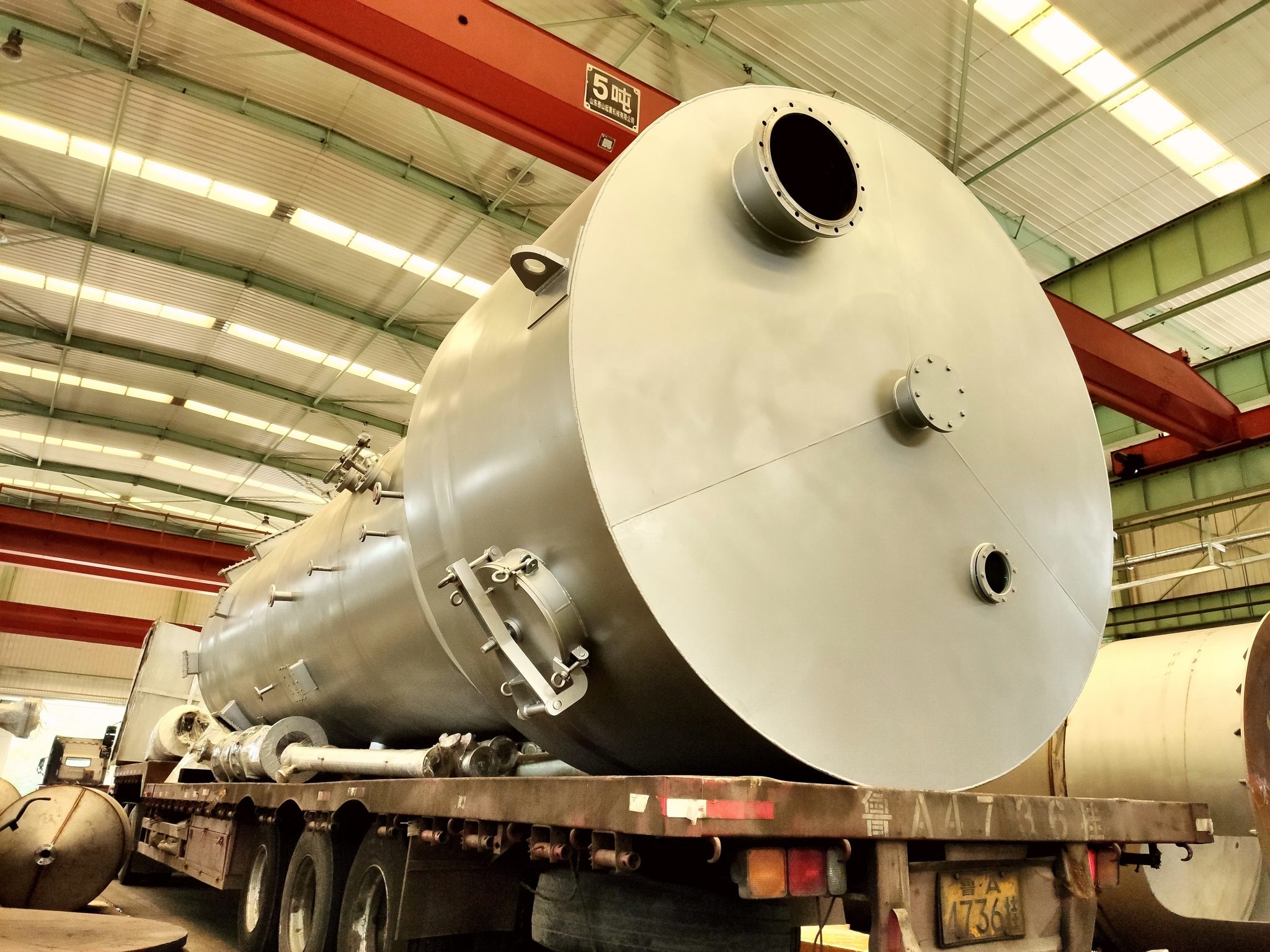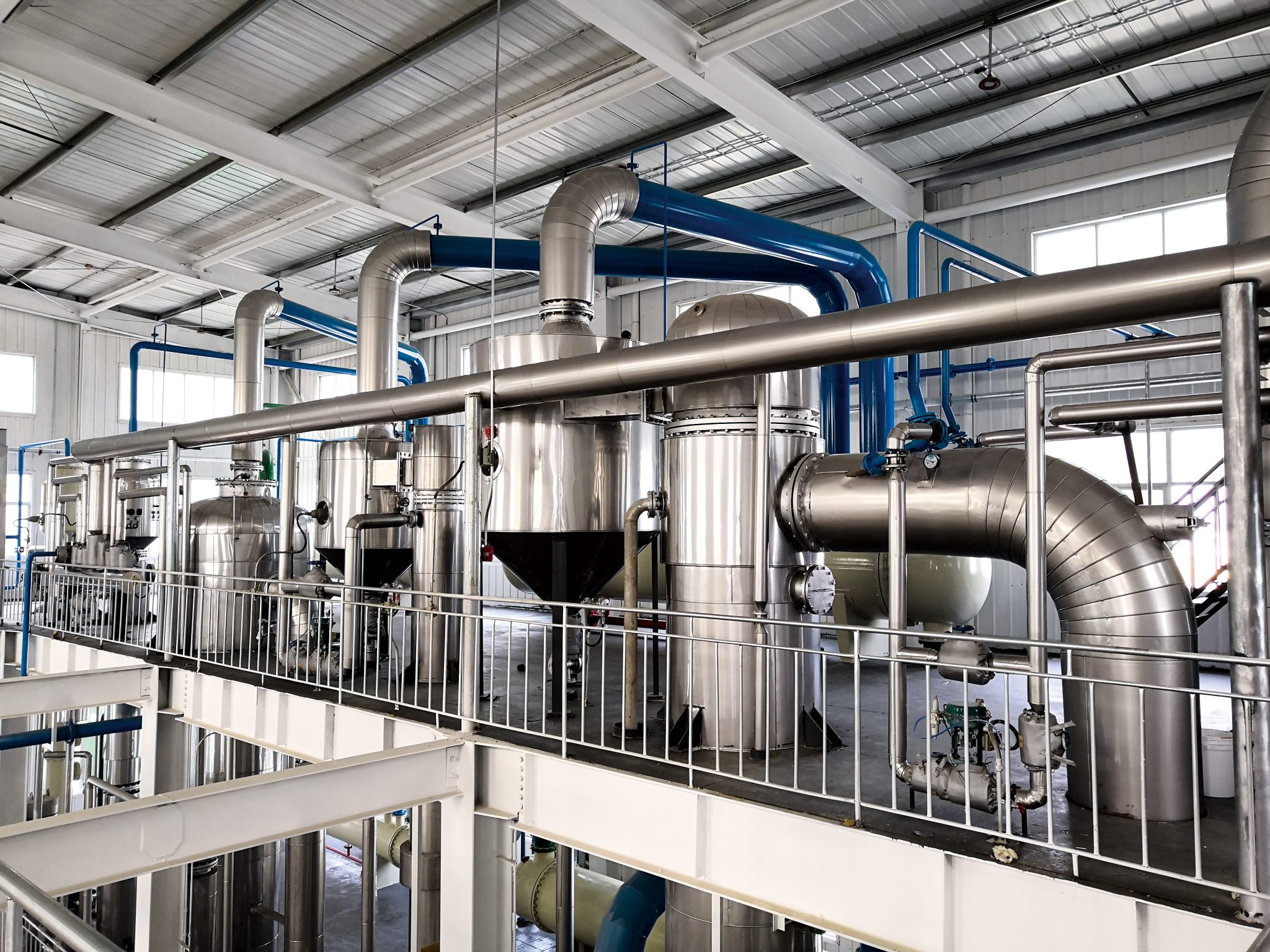
Edible Oil Production Line Solutions

Key Highlights
- Complete edible oil production line solutions integrate seed cleaning, crushing, extraction, refining, and packaging.
- Turnkey oil plants provide optimized process flow, energy efficiency, and stable high-quality output.
- Advanced oil extraction equipment maximizes oil recovery and minimizes residual oil in meal.
- Modern automation and real-time monitoring ensure consistent product quality and compliance with food safety standards.
- Partnering with a reliable turnkey supplier reduces project risk, accelerates ROI, and ensures long-term plant stability.
Table of Contents
Introduction
Establishing an edible oil production line is a major capital investment that requires careful planning and technical expertise. Success is not just about purchasing machinery—it requires a fully integrated solution that combines engineering, process design, equipment supply, and operational support.
Turnkey edible oil plants have become increasingly popular because they offer a complete package—from raw material preparation to refined oil and packaging. This approach ensures equipment compatibility, stable operation, optimized yield, and compliance with international food standards.
In this article, we will provide a comprehensive overview of edible oil production line solutions, including detailed descriptions of each stage, equipment technologies, energy-saving strategies, automation benefits, and practical insights that can help decision-makers achieve long-term success in the edible oil industry.
Components of a Complete Edible Oil Production Line
A modern edible oil production line consists of several interconnected stages. Each stage is optimized to ensure maximum efficiency, high oil yield, and product quality.
Seed Cleaning and Preparation:
Seed cleaning removes impurities such as dust, stones, and foreign material that could damage downstream equipment or reduce oil yield. Modern cleaning systems use vibrating sieves, magnetic separators, destoners, and air classification to ensure uniform raw material quality.
Crushing and Conditioning:
Crushing reduces seed particle size, increasing the surface area for oil release. Conditioning adjusts moisture and temperature to enhance extraction efficiency and prepare seeds for flaking.
Flaking and Cooking:
Flaking breaks seeds into thin layers, facilitating oil release during pressing or solvent extraction. Cooking or steaming further softens the seed structure and activates enzymes that improve yield.
Oil Extraction:
Depending on the seed type and production goals, oil extraction may be performed using mechanical expellers, high-efficiency screw presses, or solvent-assisted pre-press systems. Advanced equipment ensures minimal residual oil in the cake, uniform oil flow, and reduced energy consumption.
Crude Oil Filtration:
After extraction, crude oil contains solid residues and moisture. Filtration systems remove impurities to prepare oil for refining, preventing equipment fouling and ensuring higher-quality output.
Edible Oil Refining:
Refining removes free fatty acids, pigments, phospholipids, and volatile compounds that affect taste, color, and shelf life. Modern refining systems integrate degumming, neutralization, bleaching, deodorization, and optional fractionation to produce food-grade oil.
Fractionation (Optional):
Some oils, like palm or specialty vegetable oils, may require fractionation to separate high-melting and low-melting fractions. This allows production of specialty oils tailored to specific industrial or culinary applications.
Packing and Storage:
Finished oil is bottled, labeled, and stored under controlled conditions. Automated filling lines, nitrogen blanketing, and temperature-controlled storage ensure product integrity and extended shelf life.

Advantages of Turnkey Oil Plant Solutions
Turnkey oil plants integrate engineering, equipment, and commissioning services to guarantee that all components function seamlessly together. This approach provides several key advantages:
- Faster Project Completion: Centralized management reduces installation time and accelerates production startup.
- Optimized Process Flow: Properly designed material flows and heat recovery systems improve energy efficiency and maximize yield.
- Comprehensive Technical Support: Suppliers provide guidance on design, installation, and operation to minimize operational issues.
- Consistent Product Quality: Automation and monitoring maintain uniformity across batches.
- Simplified Maintenance: Integrated design reduces equipment wear and makes routine maintenance easier.
High-Efficiency Oil Extraction Equipment
Extraction is the core stage in edible oil production. High-efficiency equipment improves oil yield and reduces residual oil content in oilcake. Features include:
- Precision screw and barrel design for uniform pressure and minimal heat generation
- Automatic control of temperature, speed, and pressure to optimize extraction
- Wear-resistant materials for longer service life and lower maintenance costs
- Compatibility with upstream seed preparation and downstream refining processes
| Equipment Type | Typical Oil Recovery | Energy Usage | Maintenance Frequency |
|---|---|---|---|
| Traditional Expeller | 90–92% | High | Weekly |
| High-Efficiency Expeller | 94–96% | Moderate | Monthly |
| Solvent-Assisted Pre-Press | 96–98% | Lower | Monthly |
The table highlights that modern high-efficiency equipment can approach solvent extraction yields while reducing energy consumption and maintenance frequency.
Automation and Process Control
Automation is essential for stable and efficient operation. Modern systems include:
- Real-time monitoring of temperature, pressure, moisture, and flow
- Automated adjustment of screw speed, conditioning, and cooking
- Digital dashboards displaying key performance indicators (KPIs)
- Alarm systems to detect deviations and prevent production loss
Automation not only improves yield and quality but also ensures compliance with food safety and regulatory standards.
Energy Efficiency Strategies
Energy costs are a major factor in edible oil production. Turnkey plants incorporate multiple strategies to reduce consumption:
- Heat recovery from cooking, flaking, and solvent evaporation
- Low-friction screw and barrel designs
- Optimized pre-conditioning to reduce steam usage
- Reduced idle and transition times between batches
These strategies enhance overall plant efficiency, reduce operational costs, and support sustainable production practices.
Factors Affecting Production Efficiency
Achieving high yield and optimal operational performance in an edible oil production line depends on a combination of raw material characteristics, equipment performance, process control, and automation. Understanding and optimizing these factors is critical for both profitability and long-term plant stability.
Seed Quality: The intrinsic properties of the oilseed directly influence extraction efficiency and final product quality. High oil content, uniform moisture, and minimal impurities are essential for optimal performance. For example, soybeans with oil content above 18–20% and moisture around 7–8% achieve higher mechanical recovery, while seeds with higher moisture or foreign matter can reduce yield and increase energy consumption. Impurities such as stones, dust, and broken seeds can cause equipment wear and disrupt material flow, leading to downtime and inconsistent oil quality.
Equipment Condition: Regular maintenance and timely replacement of critical components like screws, barrels, bearings, and flaking rollers are essential for consistent extraction. Worn or misaligned equipment reduces pressure uniformity, increases frictional heat, and lowers oil recovery. Monitoring operational parameters such as screw torque, barrel temperature, and feed rate allows operators to detect issues early and prevent prolonged performance degradation.
Process Optimization: Precise control of process parameters—temperature, pressure, flake thickness, and moisture—is key to maximizing oil release. For instance, conditioning seeds at the correct temperature ensures proper softening and enzymatic activation, while overly high temperatures can damage oil quality. Adjusting screw compression ratios, feed rates, and flake thickness according to seed type can increase extraction efficiency by 2–5% compared to standard settings.
Automation Level: Advanced automation and digital monitoring systems significantly enhance operational stability. Real-time data collection on temperature, pressure, feed rate, and moisture content allows for immediate adjustments, reducing human error and ensuring consistent throughput. Automation also supports predictive maintenance by alerting operators when components approach wear limits, reducing unplanned downtime and maintenance costs.
Operational Practices and Staff Training: Beyond equipment and process parameters, operator skill and training are critical. Proper startup, shutdown, and emergency procedures prevent mechanical stress and maintain consistent product quality. Skilled operators can optimize minor adjustments in response to variations in raw material or environmental conditions, further improving yield and reducing losses.
By carefully monitoring these factors and implementing targeted optimizations, processors can achieve consistently higher yields, lower energy consumption, and more stable operational performance. A well-maintained, fully optimized production line can achieve oil recovery rates close to theoretical maximums while minimizing residual oil in cake and reducing operational costs. Integrating these practices into standard operating procedures ensures that plants remain competitive, profitable, and capable of producing high-quality edible oils for demanding markets.
Applications of Complete Edible Oil Production Lines
Turnkey edible oil production lines are highly versatile and can handle a wide range of oilseeds and nuts, making them suitable for both large-scale industrial plants and specialized production facilities. These systems are engineered to optimize oil recovery, maintain product quality, and support various downstream applications.
Soybean: One of the most common oilseeds, soybean requires careful conditioning and flaking to maximize oil extraction. Modern turnkey lines can process soybean for edible cooking oils, soybean meal for animal feed, and even refined fractions for industrial applications like biodiesel or lecithin production.
Sunflower: Sunflower seeds contain high-quality, light-colored oil that is ideal for culinary use. Turnkey lines ensure gentle processing to preserve natural flavor and color, producing both cold-pressed sunflower oil and fully refined oils suitable for frying or salad dressings.
Rapeseed (Canola): Rapeseed oil is valued for its low saturated fat content. Processing requires precise temperature and moisture control to reduce glucosinolates and achieve food-grade quality. Turnkey systems enable both bulk edible oil production and specialty products like refined or fractionated canola oil.
Cottonseed: Cottonseed oil lines require efficient dehulling and refining to remove gossypol and other impurities. Turnkey solutions integrate advanced extraction, filtration, and refining steps to produce high-quality edible oil for frying, margarine, or industrial uses, while also recovering protein-rich cottonseed meal for feed.
Palm Kernel: Palm kernel oil is widely used in food, cosmetics, and industrial applications. Turnkey systems manage high oil content and unique fat composition, providing both crude and refined oils. Fractionation capabilities allow production of specialty fractions for confectionery, bakery, and personal care products.
Corn Germ: Corn germ is often used for premium cooking oils. Turnkey lines designed for corn germ extraction maximize oil recovery while minimizing mechanical damage, producing edible oils suitable for high-heat applications or further refining into specialty products.
Specialty Seeds: Many turnkey lines can also handle niche or exotic oilseeds such as sesame, peanut, safflower, flaxseed, or chia. These seeds often require customized conditioning, gentle pressing, or cold-press techniques to preserve flavor, aroma, and nutritional value. Specialty oils are ideal for gourmet cooking, nutraceuticals, or high-value industrial applications.
These turnkey production lines are not limited to edible oils. They can also be adapted to produce industrial oils, biofuels, and specialty fractions tailored to specific culinary or commercial needs. By integrating precise extraction, refining, and packaging processes, turnkey solutions allow processors to maintain consistent quality, improve operational efficiency, and diversify product portfolios, meeting the demands of both domestic and international markets.
With the ability to process multiple seed types and produce a range of oil grades, turnkey edible oil lines provide flexibility for scaling operations, entering new markets, and introducing value-added products, making them an ideal investment for modern oilseed processing facilities.

Quality Control and Food Safety
- Integrated monitoring of oil quality parameters: acidity, moisture, peroxide value
- Compliance with international food safety standards (ISO, HACCP, FDA)
- Batch tracking for traceability
- Preventive maintenance to avoid contamination or quality deviations
Case Studies and ROI Analysis
- Example 50-ton/day soybean plant: 95% mechanical recovery, 98% total recovery
- Energy consumption reduced by 15% with modern automation
- Predictable ROI achieved within 18–24 months for turnkey projects
Common Challenges and Solutions
- Variability in seed quality: solved by pre-cleaning and blending
- Equipment wear: preventive maintenance and high-quality materials
- Process fluctuations: advanced automation and real-time monitoring
- Energy management: heat recovery and optimized process flow
Conclusion
Complete edible oil production line solutions integrate every stage—from seed preparation to refined oil—to ensure maximum efficiency, stable quality, and long-term reliability. Turnkey projects reduce risk, accelerate ROI, and provide measurable improvements in yield, energy consumption, and sustainability.
Partnering with an experienced turnkey supplier guarantees professional engineering support, high-performance equipment, and optimized process flow. This investment ensures that your plant operates efficiently, produces consistent high-quality oil, and meets growing market demands.
FAQ
What is a turnkey edible oil production line?
A fully integrated solution covering engineering, equipment supply, installation, commissioning, and training.
Which seeds can be processed?
Soybean, sunflower, rapeseed, cottonseed, palm kernel, corn germ, and specialty oilseeds.
How does high-efficiency extraction improve yield?
Optimized mechanical design, proper pre-conditioning, and automated process control maximize oil recovery.
Why is automation important?
Automation ensures consistent quality, reduces errors, and maintains compliance with food safety standards.
What factors affect energy consumption?
Equipment efficiency, process optimization, heat recovery systems, and routine maintenance.
Need Help Choosing the Right Edible Oil Production Line?
If you’re unsure which turnkey solution or equipment setup is best for your seeds and production goals, our experts are here to help. Contact us today for a personalized consultation, and ensure your oil production line delivers maximum yield, efficiency, and product quality. Don’t wait to optimize your operations—get in touch now to secure a high-performance, reliable edible oil production system!