Edible Oil Production Plant for Palm Oil Processing in Southeast Asia
Table of Contents
Introduction
Southeast Asia is one of the most important regions in the global vegetable oil industry. Countries such as Indonesia, Malaysia, Thailand, and Vietnam account for a significant share of the world’s palm oil production and processing capacity. With the rapid growth of food processing industries and international demand for vegetable oils, the need for efficient and modern edible oil production plants has increased significantly.
For investors, food processing companies, and agricultural enterprises, building a high-efficiency edible oil production plant offers both economic and strategic advantages. Modern production lines not only improve oil extraction yield but also reduce operating costs through automation, energy optimization, and integrated refining systems.
A professionally engineered edible oil production plant ensures stable production capacity, consistent oil quality, and scalable expansion capabilities, allowing businesses to remain competitive in the global vegetable oil market.
Why Southeast Asia Is a Strategic Location for Edible Oil Processing
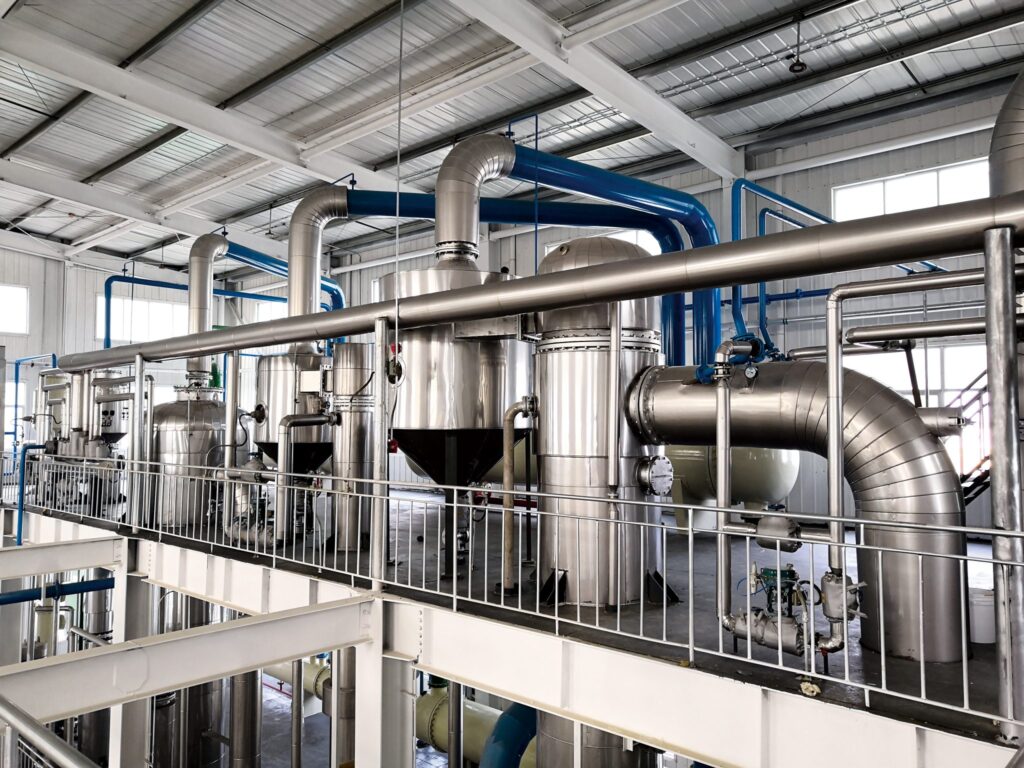
Southeast Asia offers several advantages for edible oil production and processing projects. The region has abundant oilseed resources, a strong agricultural infrastructure, and established export logistics networks.
Palm oil plantations across Indonesia and Malaysia supply vast quantities of raw materials for processing plants. Meanwhile, rapidly developing economies in Vietnam, Thailand, and the Philippines are increasing their domestic consumption of edible oils for food manufacturing and retail markets.
Key advantages of establishing an edible oil production plant in Southeast Asia include access to raw materials, proximity to export ports, strong regional demand, and government support for agro-industrial development. These factors make the region one of the most attractive locations for vegetable oil processing investments.
What Processes Are Included in a Modern Edible Oil Production Plant?
A complete edible oil production plant integrates several processing stages to convert raw oilseeds or oil-bearing materials into refined edible oil suitable for food applications.
The typical process flow includes raw material preparation, oil extraction, crude oil clarification, refining, and packaging. Each stage must be carefully engineered to ensure maximum oil recovery and consistent product quality.
Raw material preparation involves cleaning, cracking, flaking, and conditioning the oil-bearing material. These steps optimize the structure of the seeds, allowing more efficient oil extraction.
Oil extraction can be performed using mechanical pressing or solvent extraction technology. The choice depends on production scale, raw material characteristics, and investment considerations.
After extraction, crude oil undergoes refining processes including degumming, neutralization, bleaching, and deodorization to remove impurities and improve color, odor, and stability.
Mechanical Pressing vs Solvent Extraction in Palm Oil Processing
In edible oil processing plants, two primary extraction methods are commonly used: mechanical pressing and solvent extraction.
Mechanical pressing is suitable for smaller operations or pre-pressing processes. It uses screw presses to physically extract oil from oil-bearing materials. This method requires lower initial investment but typically leaves higher residual oil in the cake.
Solvent extraction, on the other hand, is widely used in modern large-scale edible oil production lines. Continuous solvent extraction systems recover oil from pre-pressed cake or oilseed flakes using food-grade solvents.
Compared with mechanical extraction, solvent extraction offers several advantages, including higher oil yield, reduced labor requirements, and improved processing efficiency. These benefits make it the preferred technology for large-scale vegetable oil plants seeking maximum profitability.
Key Equipment Used in Edible Oil Production Lines
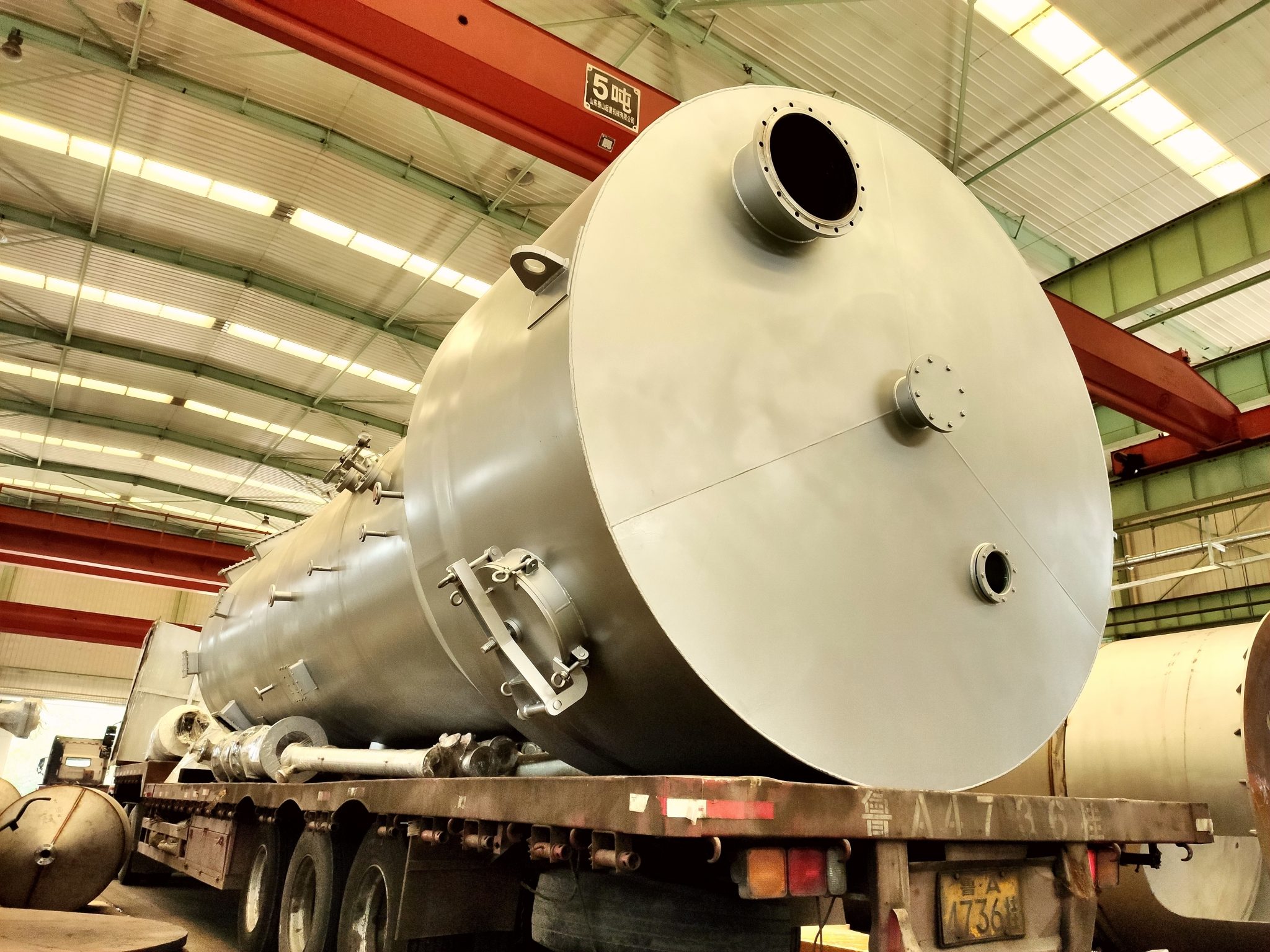
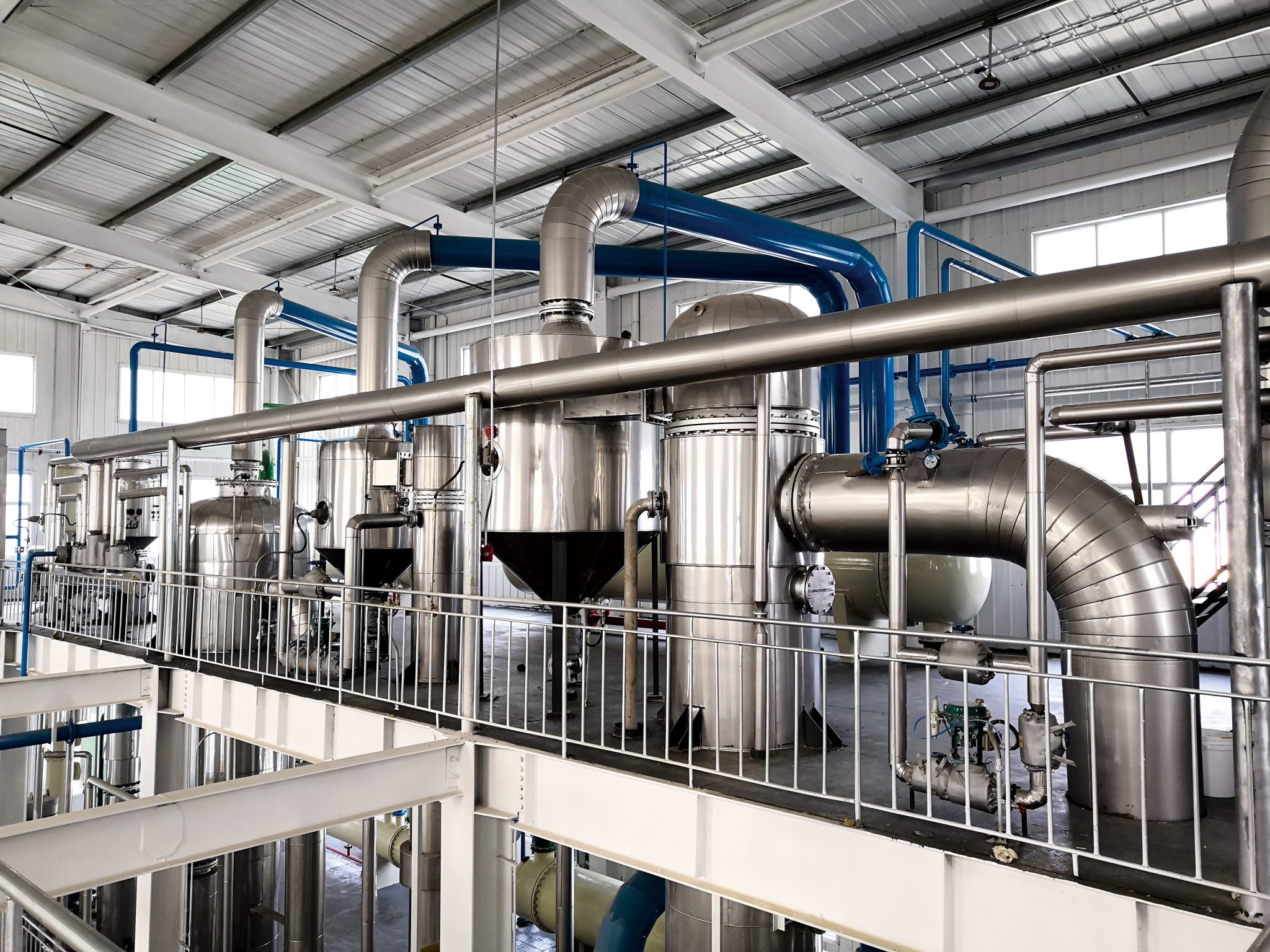
An industrial edible oil production plant requires specialized equipment designed for continuous operation and high throughput.
Core equipment typically includes seed cleaning machines, cracking mills, flaking machines, cooking systems, screw presses, solvent extractors, evaporators, desolventizing systems, refining units, and packaging systems.
The integration and compatibility of these machines play a critical role in overall plant efficiency. A well-designed system ensures smooth material flow, minimal energy consumption, and stable oil recovery rates.
High-quality equipment also reduces maintenance requirements and extends the operational lifespan of the production line.
Typical Capacity Options for Edible Oil Production Plants
The capacity of an edible oil production plant should match both raw material availability and market demand. Proper capacity planning ensures stable production and optimal return on investment.
| Plant Type | Processing Capacity | Typical Application |
|---|---|---|
| Small-scale plant | 20–100 TPD | Local edible oil supply |
| Medium industrial plant | 100–500 TPD | Regional food processing markets |
| Large integrated plant | 500–1500 TPD | National distribution and export |
| Mega industrial complex | 1500+ TPD | Global edible oil supply chains |
Large-scale edible oil production plants benefit from economies of scale, lower unit processing costs, and higher oil extraction efficiency.
Automation and Digital Control in Modern Edible Oil Plants
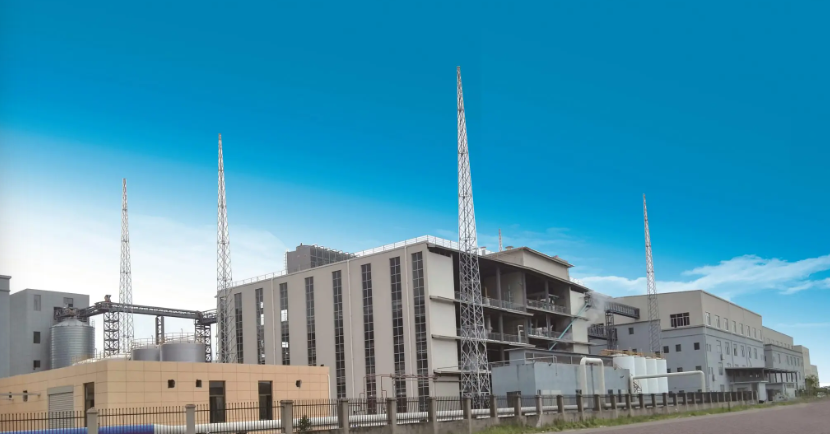
Automation technology is becoming increasingly important in modern edible oil production plants. Automated monitoring systems improve process stability and reduce the need for manual intervention.
Digital control systems monitor key operating parameters such as temperature, pressure, solvent concentration, and oil flow rates. These systems help operators maintain optimal extraction conditions and ensure consistent product quality.
Automation also enhances plant safety, reduces human error, and improves production efficiency.
Energy Efficiency and Sustainability in Oil Processing
Energy consumption is a major operational cost in edible oil production plants. Modern engineering solutions focus on improving energy efficiency while minimizing environmental impact.
Advanced heat recovery systems allow plants to reuse thermal energy generated during the refining and solvent recovery processes. Efficient steam management systems also help reduce fuel consumption.
In addition, environmentally responsible solvent recovery systems minimize emissions and reduce solvent loss, improving both economic and environmental performance.
Quality Control and Food Safety Requirements
Edible oil production plants must comply with strict food safety standards to ensure consumer safety and regulatory compliance.
Quality control systems monitor parameters such as free fatty acid levels, moisture content, peroxide value, and color. These indicators determine whether the oil meets international food-grade standards.
Modern refining technology ensures the final product is stable, safe, and suitable for cooking, food manufacturing, and retail distribution.
Investment and Profitability Considerations
Building an edible oil production plant requires careful financial planning. Key investment factors include plant capacity, level of automation, infrastructure requirements, and raw material supply chain management.
| Cost Category | Typical Share of Investment |
|---|---|
| Processing equipment | 40–50% |
| Installation and construction | 20–30% |
| Utilities and infrastructure | 15–20% |
| Automation systems | 5–10% |
| Engineering and commissioning | 5–10% |
Although initial capital investment may be significant, modern edible oil production plants typically achieve stable profitability due to high global demand for vegetable oils.

Choosing the Right Engineering Partner
Selecting the right equipment supplier and engineering partner is critical for the success of an edible oil production project.
An experienced engineering provider offers complete turnkey solutions including process design, equipment manufacturing, installation supervision, commissioning support, and operator training.
Turnkey solutions ensure that all components of the edible oil production plant operate seamlessly, reducing technical risks and shortening project implementation timelines.
Conclusion
Southeast Asia remains one of the most dynamic regions for vegetable oil production and processing. The combination of abundant raw materials, strong regional demand, and expanding export opportunities makes it an ideal location for edible oil production plant investments.
By implementing advanced edible oil production lines with modern extraction technology, automation systems, and efficient refining processes, investors can achieve higher oil yields, lower operational costs, and long-term profitability.
Strategic planning, professional engineering design, and reliable equipment are the key elements that determine the success of an edible oil processing project.
Planning to build an edible oil production plant for palm oil or other vegetable oils?
Our engineering team specializes in designing high-efficiency edible oil production lines tailored to regional raw materials, production capacity, and market demand. Contact us today to discuss your project requirements and receive a customized technical solution that maximizes oil yield, operational efficiency, and long-term profitability.